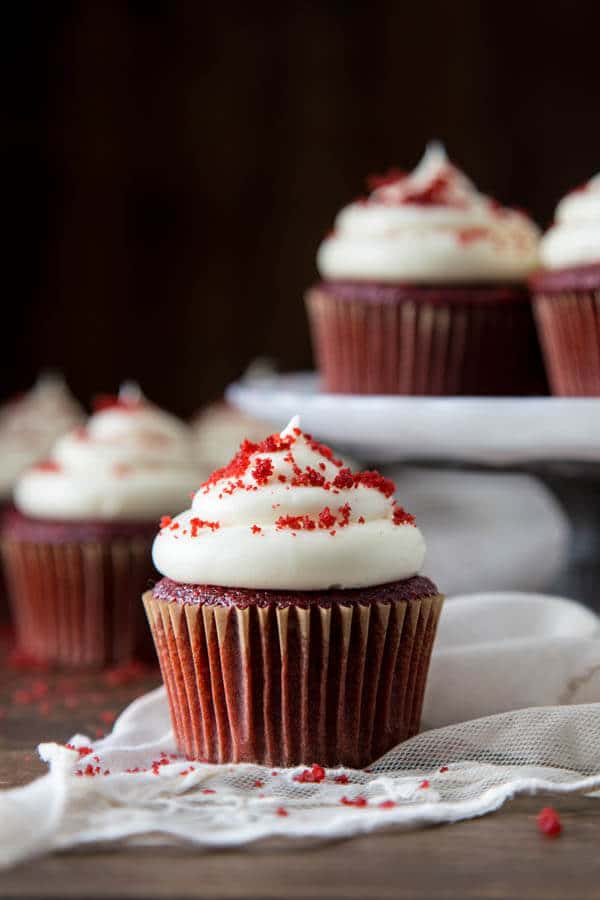
You’ve just finished baking and frosting your cupcakes, and now you’re wondering—should you refrigerate them or leave them out? This small decision can make a big difference in how your cupcakes taste and look.
If you want to keep your treats fresh, moist, and perfectly decorated, understanding when and how to refrigerate cupcakes is key. Keep reading to discover the simple tips that will help your cupcakes stay delicious longer, so every bite is just as good as the first.
When To Refrigerate Frosted Cupcakes
Knowing when to refrigerate frosted cupcakes can save you from soggy textures or spoiled treats. The decision often depends on the type of frosting, the cupcake’s filling, and even the climate where you live. Understanding these factors helps you keep your cupcakes fresh and delicious for as long as possible.
Frosting Types That Need Chilling
Not all frostings behave the same outside the fridge. Cream cheese frosting, whipped cream, and buttercream with dairy ingredients usually require refrigeration. These frostings can spoil quickly at room temperature.
On the other hand, frostings made with shortening or fondant often stay safe without chilling. If you’re unsure, ask yourself: does the frosting contain cream or fresh dairy? If yes, it’s better to refrigerate your cupcakes.
Cupcakes With Perishable Fillings
Fillings like custard, fresh fruit, or cream are highly perishable and demand cold storage. Even if the frosting is stable at room temperature, the filling can spoil without refrigeration.
Think about the last time you left a fruit-filled cupcake out overnight. Did it taste off or look different? That’s a sign the filling needs to be chilled to keep the cupcake safe and tasty.
Climate And Storage Duration Impact
The temperature and humidity of your environment play a big role in cupcake storage decisions. In hot or humid climates, frostings melt and fillings spoil faster, making refrigeration necessary.
Also, consider how long you plan to store your cupcakes. If it’s just a few hours, room temperature might be fine. For anything longer, especially over a day, refrigeration is the safer choice.

Credit: mysweetprecision.com
How Refrigeration Affects Cupcake Texture
Refrigerating cupcakes after frosting can change their texture in ways you might not expect. The cold environment affects both the cake and the frosting, sometimes improving freshness but other times causing dryness or sogginess. Understanding these changes helps you decide when and how to refrigerate your cupcakes without sacrificing taste or texture.
Moisture Changes And Dryness
Refrigeration slows down moisture loss but can also pull moisture from the cupcake into the fridge’s dry air. This might make your cupcakes taste dry if they aren’t sealed properly. Wrapping them tightly or using an airtight container can keep the moisture locked in and maintain softness.
Have you ever noticed your refrigerated cupcake turning crumbly? That’s often because the cold air draws out moisture, leaving the cake dry. Keeping cupcakes covered prevents this problem.
Frosting Consistency After Chilling
Chilling frosting changes its texture significantly. Buttercream, for example, can harden and become less spreadable, while cream cheese frosting may firm up and develop a slightly grainy texture.
To bring frosting back to its original creaminess, let cupcakes sit at room temperature for 15-30 minutes before serving. This simple step helps you enjoy the frosting just as it was meant to be.
Preventing Condensation Issues
Condensation is a common problem when you take cold cupcakes out of the fridge. Water droplets can form on the surface, making the frosting soggy and the cake soggy underneath.
To avoid this, place cupcakes in an airtight container before refrigerating. When you remove them, let them warm up inside the container with the lid on, so condensation stays away from the frosting.
Best Practices For Storing Frosted Cupcakes
Storing frosted cupcakes properly keeps their flavor and texture fresh. It prevents the frosting from melting or drying out. Following simple steps helps cupcakes stay delicious longer. Proper storage also stops them from absorbing odors or getting soggy. Here are best practices to keep frosted cupcakes perfect.
Choosing The Right Container
Pick a container that fits cupcakes snugly. Too much space lets cupcakes move and damage frosting. A clear plastic container helps check freshness without opening it. Use containers with lids that seal tightly to keep air out. Avoid containers that squish the frosting or cupcake tops.
Optimal Temperature Settings
Store cupcakes in a cool place to keep frosting firm. Room temperature works for buttercream or cream cheese frostings if eaten in two days. Refrigerate cupcakes with perishable toppings like fresh fruit or whipped cream. Set fridge temperature between 35°F and 40°F (1.5°C to 4.5°C). Avoid freezing cupcakes with delicate frostings to prevent texture loss.
Covering And Wrapping Tips
Cover cupcakes to stop frosting from drying out. Use plastic wrap or foil loosely to avoid touching frosting. Place a paper towel in the container to absorb moisture and avoid sogginess. Wrap cupcakes individually for longer storage or travel. Keep cupcakes away from strong-smelling foods to protect their taste.

Credit: sallysbakingaddiction.com
Alternative Storage Methods
Storing frosted cupcakes properly can be tricky, especially when you want to maintain their fresh taste and texture. Refrigeration isn’t the only option, and sometimes it’s not the best choice either. Let’s explore some alternative storage methods that keep your cupcakes delicious and ready to enjoy.
Room Temperature Storage Guidelines
You can safely store frosted cupcakes at room temperature for a day or two, especially if the frosting is buttercream or cream cheese-based. Keep them in an airtight container to prevent drying out and protect them from dust or insects.
Avoid direct sunlight or warm spots, as heat can cause the frosting to melt or become sticky. If your kitchen tends to get warm, consider placing the container in a cooler part of your home, like a pantry or a cabinet.
Have you ever left cupcakes out only to find the frosting sweating? That’s a sign your storage spot was too warm. Keeping them cool but not cold helps maintain texture and flavor.
Freezing Frosted Cupcakes
Freezing is a great way to extend the life of your frosted cupcakes, but it needs a bit of care. Use a sturdy, airtight container or wrap each cupcake individually in plastic wrap followed by aluminum foil to prevent freezer burn.
Some frostings freeze better than others—fondant and buttercream hold up well, while whipped cream or fresh fruit toppings may not. Label the container with the date so you know how long they’ve been stored.
Have you tried freezing cupcakes only to end up with soggy frosting? Wrapping them tightly can solve this issue and keep your cupcakes tasting fresh for weeks.
Thawing Without Damage
Thaw frosted cupcakes slowly for the best results. Move them from the freezer to the refrigerator first, letting them sit overnight to avoid condensation forming on the frosting.
After they’ve thawed in the fridge, bring them to room temperature before serving. This prevents the frosting from becoming too soft or melting suddenly.
Have you ever rushed thawing and ended up with a mess? Patience here keeps your cupcakes looking and tasting perfect.
Signs Cupcakes Have Gone Bad
Knowing when your cupcakes have gone bad is key to avoiding an unpleasant bite or worse, foodborne illness. Cupcakes can look fine on the outside but still be unsafe to eat. Paying attention to specific signs can help you decide whether to enjoy that treat or toss it out.
Changes In Smell And Appearance
One of the first things you’ll notice is a strange or sour smell. Fresh cupcakes and frosting usually have a sweet, inviting aroma. If you detect anything off, like a musty or sour scent, it’s a clear warning.
Visually, watch for discoloration. Cupcakes turning dull or frosting looking darker than usual can mean spoilage. If your cupcake suddenly looks wet or slimy, don’t risk eating it.
Frosting Separation Or Mold
Have you ever seen frosting that starts to separate or develop watery spots? This usually means the ingredients are breaking down and the cupcake is no longer fresh. You might also notice a greasy film on the frosting’s surface.
Mold is a definite no-go. It can appear as fuzzy patches in colors like green, white, or blue. Even a small spot means the entire cupcake should be discarded immediately.
Texture Alterations
Texture changes can be subtle but important. If the cupcake feels overly dry or crumbly, it might be stale. On the flip side, a soggy or mushy texture often signals moisture buildup or bacterial growth.
Try gently pressing the cupcake—if it’s unusually soft or sticky, it’s better to be safe than sorry. Your sense of touch is a handy tool to avoid spoiled treats.

Credit: baranbakery.com
Frequently Asked Questions
Do Cupcakes Need Refrigeration After Frosting?
It depends on the frosting type. Buttercream can stay at room temperature for two days. Cream cheese or dairy-based frostings should be refrigerated to prevent spoilage. Always store cupcakes in an airtight container to maintain freshness.
How Long Can Frosted Cupcakes Sit Out?
Frosted cupcakes can sit out for two days if stored in a cool place. Ensure they are covered to prevent them from drying out. After two days, refrigeration is recommended to maintain their quality and safety.
Can Refrigeration Affect Cupcake Texture?
Yes, refrigeration can make cupcakes dry or hard. It’s best to bring refrigerated cupcakes to room temperature before serving. This helps restore their softness and original texture, ensuring a pleasant eating experience.
Is It Safe To Refrigerate All Cupcakes?
Not all cupcakes need refrigeration, but those with dairy-based frostings do. Storing them in a cool, airtight container ensures safety. For long-term storage, freezing is an option that maintains both safety and taste.
Conclusion
Frosted cupcakes need proper care to stay fresh and tasty. Store them in a cool place if you plan to eat them soon. For longer storage, refrigeration helps prevent spoilage. Keep cupcakes covered to avoid drying out or absorbing fridge smells.
Let refrigerated cupcakes reach room temperature before serving for the best taste. Small steps protect flavor and texture. Enjoy your cupcakes just right, every time.