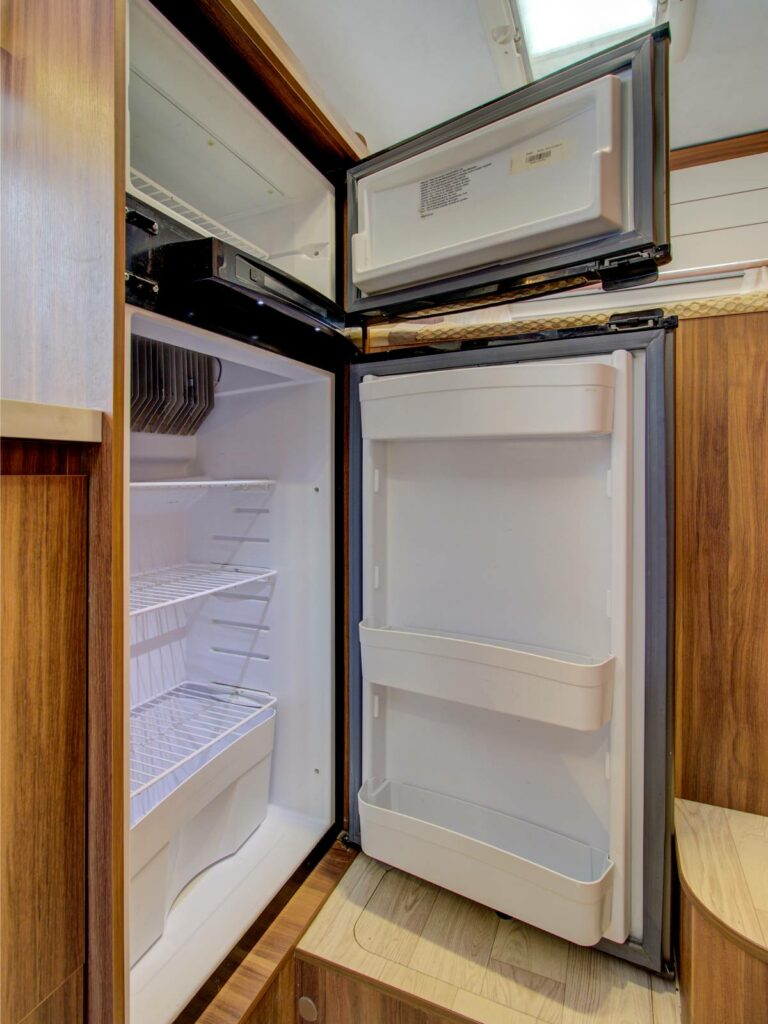
Have you ever wondered how your camper’s refrigerator keeps your food fresh while you’re on the road? Understanding how this small but powerful appliance works can help you use it better and avoid common problems.
Whether you’re a weekend warrior or a full-time traveler, knowing what makes your camper fridge tick will make your trips smoother and more enjoyable. Let’s dive into how your camper refrigerator works and why it’s so important for your adventures.
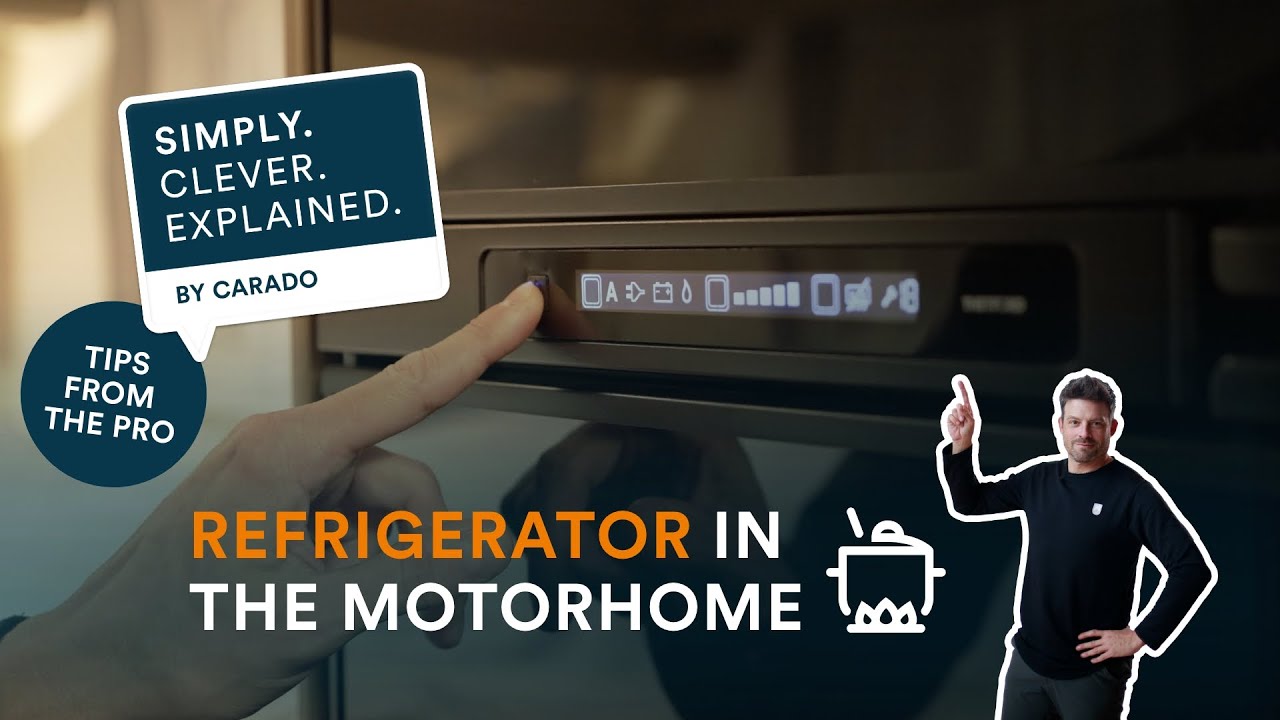
Credit: www.youtube.com
Types Of Camper Refrigerators
Choosing the right refrigerator for your camper can make a huge difference in your travel experience. Different types of camper refrigerators work in unique ways, affecting energy use, cooling efficiency, and even noise levels. Understanding these types helps you pick one that fits your needs and lifestyle on the road.
Absorption Refrigerators
Absorption refrigerators use a heat source to drive the cooling process, often powered by propane, electricity, or both. They run silently, which is great if you value a quiet camper environment. However, they can be less efficient in very hot weather, so consider your typical travel destinations.
Many people love absorption refrigerators because they can operate off-grid using propane. Have you ever camped where electricity wasn’t available? This type keeps your food fresh without relying on power hookups.
Compressor Refrigerators
Compressor refrigerators work like traditional home fridges, using a compressor to circulate refrigerant and cool the interior. They are very efficient and cool quickly, even in high temperatures. If you want consistent performance and lower power consumption, this might be your best option.
These fridges require a steady 12V power supply, usually from your camper’s battery or solar setup. If you’re someone who enjoys long trips with reliable energy sources, a compressor fridge could save you hassle and food spoilage.
Thermoelectric Refrigerators
Thermoelectric refrigerators use a solid-state cooling system with no moving parts, powered by electricity. They are lightweight and quiet but usually less effective at cooling compared to absorption or compressor models. Ideal for short trips or small cooling needs, they work best in cooler climates.
Think about how often you need your fridge to be very cold. If you mostly store drinks or snacks and don’t need deep freezing, a thermoelectric fridge can be a simple and cost-effective choice. Would you prioritize portability over cooling power?
Basic Cooling Principles
Understanding how a refrigerator works in a camper starts with basic cooling principles. Cooling happens by moving heat from inside the fridge to the outside environment. This process keeps your food and drinks cold even on hot days. The system uses special fluids and parts that work together to transfer heat efficiently. Learning these basics helps you see why camper refrigerators are reliable and energy-efficient.
Heat Transfer Basics
Heat moves from warmer areas to cooler ones naturally. A refrigerator removes heat from its inside and pushes it outside. This keeps the inside temperature low. The process uses a closed system to control heat flow. Insulation helps keep the cold air inside and heat outside. Without heat transfer, the fridge cannot cool properly.
Role Of Refrigerants
Refrigerants are special fluids that absorb and release heat. They change from liquid to gas and back again during cooling. When refrigerant evaporates, it absorbs heat inside the fridge. When it condenses, it releases heat outside. This cycle helps move heat away from the food storage area. Refrigerants are safe and designed for efficient cooling.
Cycle Of Cooling
The cooling cycle has four main steps:
- Compression:The refrigerant gas is compressed, raising its temperature.
- Condensation:The hot gas turns into liquid and releases heat outside.
- Expansion:The liquid refrigerant passes through a valve, cooling down.
- Evaporation:The cold refrigerant absorbs heat inside the fridge, cooling the air.
This cycle repeats continuously to keep the camper fridge cold. Each part works in sync to move heat efficiently and maintain low temperatures.
How Absorption Refrigerators Operate
Understanding how absorption refrigerators operate in campers can change the way you think about cooling on the road. Unlike standard compressors, absorption refrigerators use a heat source to drive the cooling process, making them perfect for mobile living. Let’s dive into how these unique systems keep your food fresh without relying on electricity alone.
Heat Source Options
Absorption refrigerators in campers can run on different heat sources. Most commonly, they use propane gas, which is convenient when you’re off-grid and away from electrical hookups. Some models also work with 12V or 120V electrical power, giving you flexibility whether you’re plugged in or not.
Choosing the right heat source depends on your travel style. If you camp in remote areas, propane is a reliable choice. But if you stay in campgrounds with electricity, running on electric power can save fuel and reduce emissions.
Ammonia Refrigeration Cycle
The heart of an absorption refrigerator is the ammonia refrigeration cycle. It sounds complex but boils down to a simple chemical process. Ammonia, water, and hydrogen gas work together inside sealed tubes to move heat from inside the fridge to the outside.
Here’s how it happens step-by-step:
- The heat source boils a mix of ammonia and water, turning ammonia into gas.
- Ammonia gas moves to a condenser, releasing heat outside and turning into liquid.
- This liquid ammonia mixes with hydrogen gas in the evaporator, absorbing heat inside the fridge.
- The ammonia gas returns to the absorber, where water reabsorbs it, and the cycle repeats.
This continuous loop keeps your camper fridge cool without any moving parts like compressors. Have you noticed how quiet these refrigerators are compared to traditional ones? That’s because this system uses chemical reactions rather than mechanical movement.
Advantages And Drawbacks
Absorption refrigerators offer several benefits for camper use. They run quietly and can operate on multiple fuel sources, making them versatile for different camping conditions. Their lack of moving parts means fewer mechanical failures and less maintenance over time.
However, there are some drawbacks to consider. These fridges typically cool less efficiently than compressor models, especially in hot weather or when the camper is not level. Also, they tend to use more energy, particularly propane, which means you need to monitor your fuel supply carefully.
Would you prioritize quiet operation and fuel flexibility over cooling power? Understanding these trade-offs will help you choose the right fridge for your camper adventures.
Compressor Refrigerator Mechanism
The compressor refrigerator mechanism is the heart of many camper fridges. It works by compressing a gas and moving heat out of the fridge’s interior. This process keeps your food fresh and drinks cold, even when you’re off the grid.
Compressor Function
The compressor acts like a pump. It squeezes the refrigerant gas, raising its pressure and temperature. This hot gas then travels through coils outside the fridge, releasing heat into the air.
Once cooled, the refrigerant turns into a liquid and moves inside the fridge to absorb heat. This cycle repeats, keeping the fridge cold. Have you noticed how quiet some camper fridges are? That’s thanks to efficient compressors working smoothly.
Refrigerant Circulation
The refrigerant is the key player in heat transfer. It flows through a closed loop of tubes inside the fridge. As it evaporates inside the fridge, it pulls heat from the interior, cooling your food.
After absorbing heat, it returns to the compressor as a low-pressure gas. The system is sealed, so the refrigerant keeps circulating without losing any fluid. This constant flow is crucial to maintaining a steady temperature inside your camper fridge.
Energy Efficiency
Compressor refrigerators in campers are surprisingly energy efficient. They only use power when the compressor runs, which happens intermittently. This means they consume less battery power compared to other types of fridges.
Choosing a fridge with an efficient compressor can extend your camping trip without worrying about power. Have you ever checked the energy rating of your camper fridge? It’s a simple step that can save you a lot of hassle on the road.
Thermoelectric Cooling Explained
Thermoelectric cooling is a unique technology used in some camper refrigerators. It works differently from traditional gas or compressor models. Instead of using refrigerants or moving parts, it relies on electricity to move heat. This makes it quiet and compact, ideal for small spaces like campers.
Peltier Effect
The Peltier Effect is the key principle behind thermoelectric cooling. It happens when electric current flows through two different metals joined together. Heat moves from one side to the other, creating a cold side and a hot side. The cold side cools the fridge interior, while the hot side releases heat outside.
This effect allows the fridge to keep your food cool without any noise or vibration. It also means fewer parts can break or wear out over time.
Use Cases In Campers
Thermoelectric refrigerators suit campers who need lightweight and silent cooling. They work best with good ventilation to let heat escape from the hot side. These fridges are great for:
- Short trips or weekend camping
- Storing small amounts of food and drinks
- Places without power for gas or compressor fridges
They are easy to run on 12V battery power, making them convenient for off-grid use.
Limitations
Thermoelectric cooling has some limits. It cannot cool below about 20°C (36°F) less than outside temperature. This means it struggles in very hot weather or to freeze items. Cooling is slower than compressor models.
These fridges need proper airflow for the hot side. Without ventilation, they overheat and lose efficiency. They also use more power compared to some other fridge types.
Power Sources For Camper Fridges
Camper refrigerators need power to keep your food fresh and drinks cold. Different power sources provide this energy. Each source has its own benefits and limits. Knowing these helps you choose the best for your camper fridge.
Battery Power
Batteries supply direct current (DC) to camper fridges. They are common in campers without hookups. Batteries run the fridge quietly and without fumes. It is important to monitor battery levels to avoid running out of power. Deep-cycle batteries last longer and handle frequent charging better.
Propane Gas
Propane gas powers many camper fridges without electricity. It works by burning gas to create heat. This heat drives the cooling process inside the fridge. Propane fridges are useful when off-grid or camping far from power. They run silently and do not drain electrical systems. Always ensure propane connections are safe and leak-free.
Solar Panels
Solar panels convert sunlight into electricity for camper fridges. They charge batteries during daylight hours. Solar power is eco-friendly and reduces fuel costs. It works well in sunny places and during long trips. Panels need proper placement for maximum sunlight exposure. Pairing solar with batteries creates a steady power supply.
Maintaining Optimal Cooling
Keeping your camper refrigerator cool is crucial to preserving your food and drinks on the road. Optimal cooling doesn’t just happen by chance; it requires attention to how your fridge breathes, how you control its temperature, and how well you maintain it. Let’s break down these key factors so you can enjoy fresh supplies no matter where your travels take you.
Ventilation Needs
Your camper refrigerator needs good airflow to stay cool and efficient. Without proper ventilation, heat builds up around the fridge’s compressor and coils, making it work harder and use more energy.
Make sure vents around the fridge are clear and not blocked by storage items or dirt. If you park in a hot spot, consider opening nearby windows or using a small fan to help air circulate.
Have you noticed your fridge getting warmer on hot days? That’s often a sign that ventilation is insufficient and needs improvement.
Temperature Controls
Most camper refrigerators have adjustable temperature settings. Setting the right temperature keeps your food safe and prevents the fridge from overworking.
Try to keep the temperature between 36°F and 40°F (2°C to 4°C) for the fridge compartment. Freezers should be around 0°F (-18°C). These settings keep things cool without freezing items that shouldn’t be frozen.
Check your fridge’s manual for specific advice, and don’t hesitate to adjust settings if you notice your food spoiling too quickly or if the fridge feels too cold.
Regular Maintenance Tips
Regular upkeep can extend your fridge’s life and improve its performance. Clean the coils and vents at least twice a year to remove dust and debris.
Check door seals for cracks or gaps—leaky seals let cold air escape and warm air in, causing your fridge to work overtime. If you spot any damage, replace the seals promptly.
- Defrost the fridge regularly if it doesn’t have an automatic defrost feature.
- Keep the fridge level to ensure proper coolant flow.
- Use a fridge thermometer to monitor temperature accuracy.
Have you ever lost food because your fridge wasn’t maintained? Taking these simple steps can save you that hassle.

Credit: www.practicalmotorhome.com
Troubleshooting Common Issues
Campers rely on refrigerators to keep food fresh during trips. Problems can arise but many are easy to fix. Understanding common issues helps keep the fridge running smoothly. Troubleshooting saves time and avoids spoilage.
No Cooling
No cooling means the fridge is on but not cold. Check if the power source is stable. Make sure the thermostat is set correctly. Look for blocked vents or dirty coils. Clean dust and debris from the back. Inspect the door seal for gaps. A damaged seal lets cold air escape. Sometimes the fridge needs to be leveled for proper cooling.
Unusual Noises
Strange sounds can indicate a problem. A loud buzzing or humming may mean the compressor struggles. Rattling noises often come from loose parts or screws. Fans that are dirty or broken cause noise too. Listen closely to identify the noise source. Tighten loose screws and clean fan blades. If noise persists, the compressor might need service.
Power Problems
Power issues can stop the fridge from running. Check if the camper’s battery is charged. Test the power cord and plugs for damage. Verify that fuses or circuit breakers are intact. Some fridges run on propane; ensure the gas supply is open. Look at the control panel for error lights. Reset the fridge by turning it off and on again.
Choosing The Right Fridge For Your Camper
Choosing the right fridge for your camper is more than just picking a model that looks good or fits the space. It’s about matching your lifestyle and travel habits with the fridge’s features and performance. The right choice can make your trips smoother, save energy, and keep your food fresh longer.
Size And Capacity
Think about how much food and drink you typically carry. A fridge that’s too small means you’ll run out of space fast. On the other hand, a fridge that’s too big can waste energy and take up valuable room.
Measure your camper’s available space carefully. Remember to leave room for ventilation around the fridge. If you travel solo or as a couple, a compact fridge might be enough, but larger families will need more capacity.
Energy Consumption
Energy use is crucial, especially if you rely on battery power or solar panels. Look for fridges with low power consumption ratings to extend your off-grid time. Some models use absorption cooling, which works well on propane, while others use compressor-based systems that run on electricity.
Ask yourself: how long do you typically camp without hookups? If you stay off-grid for days, a fridge with efficient energy use will save you hassle and money. Checking user reviews can reveal real-world energy performance beyond the specs.
Portability And Installation
Consider how easy it is to move and install the fridge. Some fridges are designed to be built-in, while others are portable and can be taken out when not in use. Portable fridges add flexibility but might be less stable during travel.
Installation matters too. A fridge that’s simple to secure and connect will save you time and stress. Think about whether you want a fridge that runs on multiple power sources or one that’s dedicated to your camper’s system.
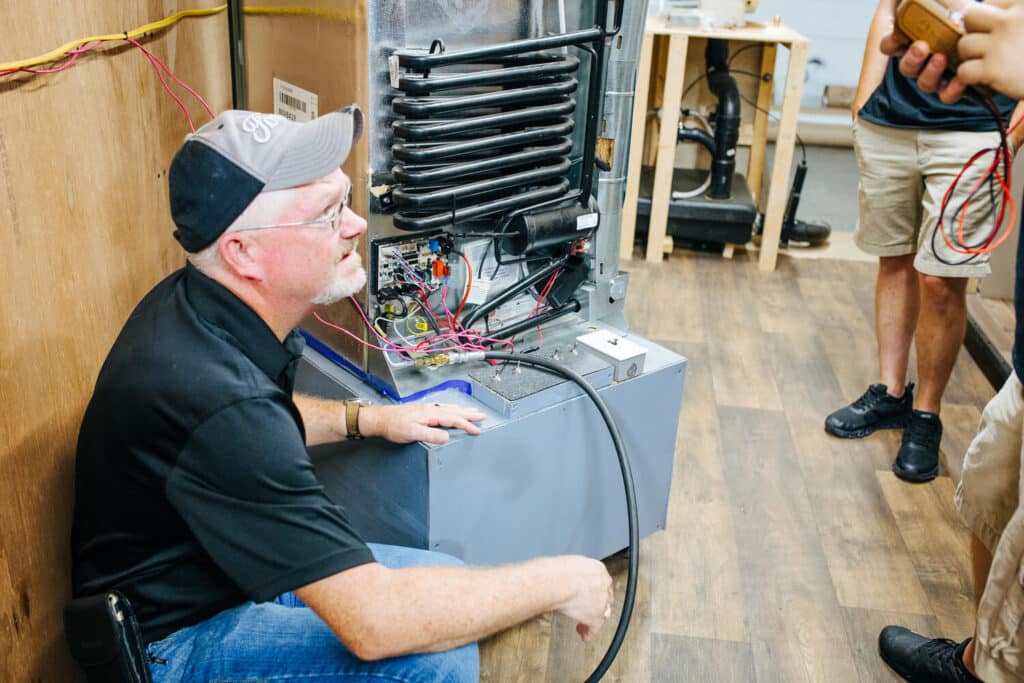
Credit: blog.campingworld.com
Frequently Asked Questions
How Do Camper Refrigerators Differ From Home Refrigerators?
Camper refrigerators are designed to be more compact and energy-efficient. They often use absorption technology, allowing them to run on propane, electricity, or batteries. This versatility makes them ideal for off-grid camping, unlike home refrigerators that rely solely on electricity.
Additionally, camper fridges are built to withstand movement and vibrations during travel.
Can A Camper Refrigerator Run On Solar Power?
Yes, a camper refrigerator can run on solar power. You need a solar panel system with enough capacity to generate the required energy. A solar charge controller and deep-cycle batteries are also essential components. This setup allows you to enjoy eco-friendly, off-grid cooling without relying on traditional power sources.
What Is The Average Lifespan Of A Camper Refrigerator?
The average lifespan of a camper refrigerator is about 10 to 15 years. Proper maintenance, such as regular cleaning and checking seals, can extend its life. Avoid overloading and ensure proper ventilation to prevent overheating. With care, your camper fridge can remain efficient and reliable for many years.
How Often Should I Defrost My Camper Refrigerator?
You should defrost your camper refrigerator every few months or when the frost layer is over 1/4 inch thick. Regular defrosting ensures optimal cooling performance and energy efficiency. Turn off the fridge, empty its contents, and let the ice melt naturally.
Wipe away excess moisture before restarting.
Conclusion
A camper refrigerator keeps food fresh on the road. It uses power sources like gas, electricity, or batteries. The cooling system moves heat out, making inside cold. Understanding how it works helps you use it well. Keep it level and clean for best results.
This way, your food stays safe and cool. Enjoy your trips without worrying about spoilage. A good camper fridge makes travel easier and more fun. Simple care keeps it running smoothly every time.