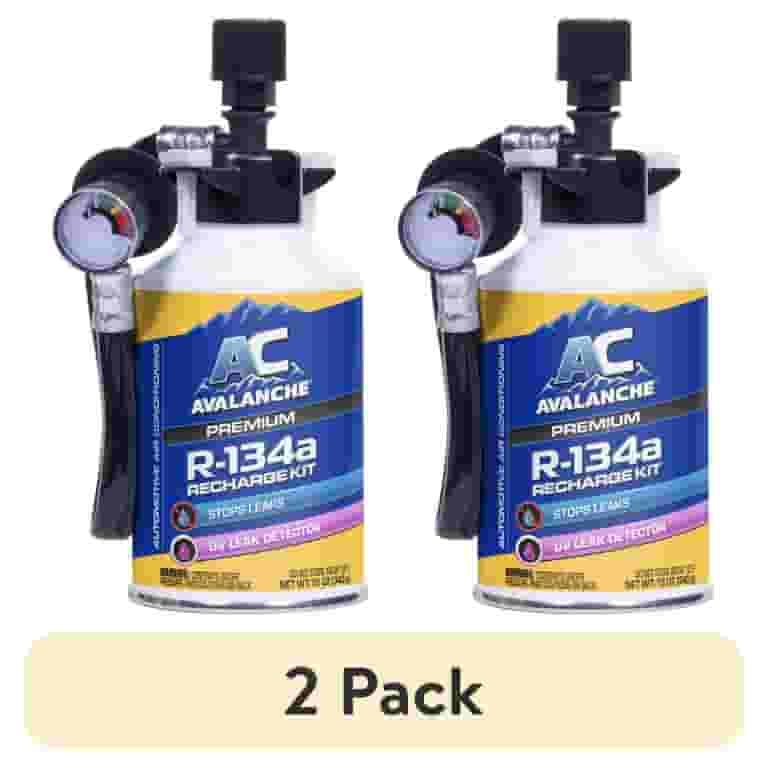
Have you ever wondered what type of refrigerant your car’s AC system uses? Knowing this simple fact can save you time, money, and frustration when it’s time for a recharge or repair.
Your car’s comfort depends on the right refrigerant, and using the wrong one can cause serious damage. You’ll discover exactly which AC refrigerant fits your vehicle and why it matters. Keep reading, because the answer might be easier than you think—and it could make your next visit to the mechanic much smoother.

Credit: www.reddit.com
Types Of Car Ac Refrigerants
Car air conditioning systems rely on specific refrigerants to cool the air efficiently. These refrigerants vary depending on the vehicle’s age and design. Understanding the types of car AC refrigerants helps in proper maintenance and repair.
Common Refrigerants In Modern Vehicles
Most modern cars use R-134a or R-1234yf refrigerants. R-134a has been popular for decades due to its efficiency and safety. Newer models are shifting to R-1234yf because it has a lower impact on the environment. Both types cool the air effectively but require different handling.
Older Refrigerant Types Still In Use
Older vehicles often use R-12 refrigerant, known as Freon. This type was common before the 1990s. R-12 is now mostly banned due to its harmful effects on the ozone layer. Some classic car owners still maintain R-12 systems but face challenges finding parts and service.
Environmental Impact Of Refrigerants
Refrigerants can affect the environment differently. R-12 and R-134a have high global warming potential. R-1234yf is designed to reduce this impact significantly. Choosing the right refrigerant helps lower carbon footprint and protects the ozone layer.
How To Identify Your Car’s Refrigerant
Knowing the type of refrigerant your car uses is essential for maintaining your AC system properly. Using the wrong refrigerant can damage components and reduce cooling efficiency. Let’s look at simple ways you can identify the correct refrigerant for your vehicle.
Checking The Owner’s Manual
Your car’s owner’s manual is the best place to start. It usually lists the specific refrigerant type recommended by the manufacturer. This information is often found under sections like “Air Conditioning” or “Vehicle Specifications.”
If you don’t have a physical copy, many manufacturers provide digital versions online. Having this info handy prevents guesswork and costly mistakes during AC servicing.
Looking For Labels Under The Hood
Open the hood and look for a sticker or label near the radiator support, firewall, or on the AC compressor. These labels often indicate the refrigerant type and the amount required. They might look like a small white or yellow sticker with clear text such as “R134a” or “R1234yf.”
These labels are placed by the manufacturer to help mechanics and car owners. If you can’t find the label, don’t panic—some older cars might not have it. In that case, other methods will help.
Using Online Resources By Make And Model
If the manual or label doesn’t give you the answer, online resources tailored to your car’s make and model can help. Websites like manufacturer portals, automotive forums, and repair databases often list refrigerant specifications.
Simply enter your car’s year, make, and model to find detailed info. This is especially useful if you own an imported or less common vehicle. Have you ever found conflicting data online? Cross-check multiple sources to be sure.
Why Refrigerant Type Matters
Choosing the right refrigerant for your car’s AC system isn’t just a detail—it’s a key factor that influences how well your air conditioner works, how long it lasts, and even how you stay on the right side of the law. Using the wrong type can lead to costly repairs, poor cooling, or environmental harm. Let’s break down why the refrigerant type really matters.
Compatibility With Ac Systems
Your car’s AC system is designed specifically for a certain refrigerant. Using the incorrect type can cause damage to seals, hoses, and compressors because different refrigerants have unique chemical properties. For example, older vehicles typically use R-12, while most modern cars run on R-134a or the newer R-1234yf.
Have you ever tried to fit a square peg in a round hole? That’s what happens when the refrigerant type doesn’t match your system. It’s not just about fitting; it’s about maintaining system integrity and avoiding leaks or breakdowns.
Efficiency And Cooling Performance
The refrigerant type directly affects how efficiently your AC cools the cabin. Some refrigerants absorb and release heat better than others, meaning your car cools faster and uses less energy. For instance, R-1234yf is known for better energy efficiency compared to R-134a.
Think about how quickly you want relief on a hot day. If your AC uses an outdated refrigerant, you might be waiting longer and burning more fuel. Choosing the right refrigerant ensures your comfort without extra costs at the pump.
Legal And Environmental Regulations
Many refrigerants have been phased out due to their impact on the environment, especially those that harm the ozone layer or contribute to global warming. Laws now require using approved refrigerants, and shops must handle them carefully to avoid fines.
When you refill or service your AC, you need to ask: Is this refrigerant legal in my area? Using banned types can cost you more than just money—it can affect your vehicle’s resale value and your peace of mind. Staying informed helps you protect the planet and your wallet.
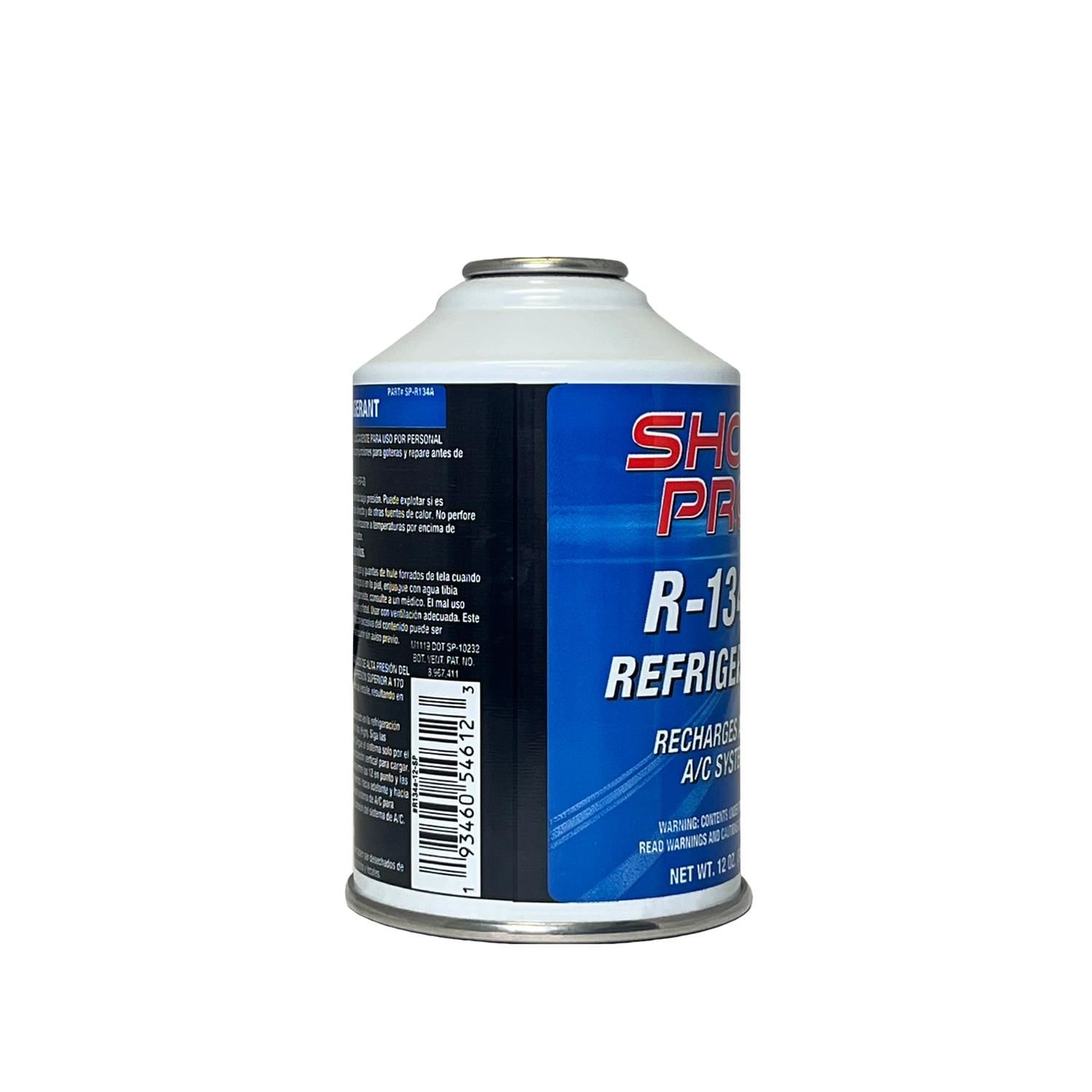
Credit: www.autozone.com
Refilling And Replacing Refrigerant
Refilling and replacing the refrigerant in your car’s AC system is essential to keep it running smoothly and efficiently. Over time, refrigerant levels drop due to leaks or natural wear, leading to reduced cooling performance. Knowing when and how to handle this process can save you money and prevent damage to your vehicle.
When To Refill Or Replace
If your car’s air conditioner is blowing warm air or struggles to cool the cabin, it might be time to check the refrigerant. Low refrigerant can cause the AC system to freeze up or make strange noises. Regular maintenance schedules often suggest checking the refrigerant every couple of years, but leaks or system damage can require more immediate attention.
Consider replacing the refrigerant entirely if you notice persistent problems, especially after a repair or if the system hasn’t been serviced for a long time. Simply refilling without addressing leaks can lead to repeated issues. How often have you ignored a warning sign only to pay more later?
Diy Vs Professional Service
You might be tempted to refill your AC refrigerant yourself using a store-bought kit. These kits are affordable and easy to use for minor top-ups, especially if you’re comfortable with basic car maintenance. However, incorrect handling can cause system damage or safety risks.
Professional services offer precise refrigerant measurement, leak detection, and proper disposal of old refrigerant. Technicians use specialized equipment that ensures the exact amount and type of refrigerant is added. Think about the value of peace of mind versus saving a few dollars on a DIY refill.
Precautions During Handling
Refrigerants are chemicals that require careful handling to avoid harm to you and the environment. Always wear protective gloves and eyewear when dealing with refrigerant. Avoid inhaling the gas, as it can be toxic and cause dizziness or respiratory issues.
Never release refrigerant into the atmosphere—it contributes to ozone depletion and global warming. Always follow local regulations for refrigerant disposal. Remember, safety is not just about you; it’s about protecting others and the planet too.
Troubleshooting Ac Refrigerant Issues
Troubleshooting your car’s AC refrigerant issues can save you from uncomfortable drives and costly repairs. Understanding the signs and solutions helps you act quickly before minor problems escalate. Let’s break down how to identify low refrigerant, detect leaks, and explore common repair solutions to keep your AC running smoothly.
Signs Of Low Refrigerant
Is your AC blowing warm air instead of cool? That’s a classic sign of low refrigerant. You might also notice the air pressure feels weaker or the system cycles on and off more frequently.
Other signs include:
- Frost forming on AC lines
- Unusual hissing noises when the AC is running
- Bad or musty odors coming from the vents
Pay attention to these clues. Ignoring them can lead to more serious damage like compressor failure.
Detecting Leaks
Refrigerant leaks are the main reason for low levels. But how do you find a leak that’s often invisible?
One simple way is to use a UV dye. Adding this dye to your AC system lets you spot leaks with a UV light. You can also listen for hissing sounds or look for oily residue around AC connections and hoses.
Sometimes, leaks hide deep in the system, requiring professional tools like electronic leak detectors. If you notice any signs, don’t wait—catching leaks early saves money and hassle.
Common Repair Solutions
Once you identify a refrigerant issue, addressing it depends on the cause. Small leaks might be fixed by replacing seals or hoses.
If your refrigerant is simply low, a recharge is necessary. Make sure the technician uses the correct type and amount of refrigerant specified for your car model.
In severe cases, components like the compressor or condenser might need replacement. Regular AC maintenance, such as cleaning the system and checking refrigerant levels, helps avoid these costly repairs.
Have you checked your AC refrigerant lately? A quick inspection today could keep you cool tomorrow.

Credit: www.walmart.com
Frequently Asked Questions
What Refrigerant Does My Car Ac Use?
Most modern cars use R-134a refrigerant. However, newer models might use R-1234yf for environmental reasons. Check your car’s manual or a label under the hood for specifics. Always ensure you’re using the correct type to maintain efficiency.
How Can I Find My Car’s Refrigerant Type?
Your car’s refrigerant type is typically found on a label under the hood. It might also be detailed in the owner’s manual. Checking these sources ensures you use the correct refrigerant for optimal performance.
Can I Switch Refrigerants In My Car?
Switching refrigerants isn’t straightforward. It requires a system retrofit and professional help. Incorrect refrigerant can damage the AC system. Always consult a professional before making any changes to ensure safety and efficiency.
Why Is My Car Ac Not Cooling Properly?
Your car AC might not cool properly due to low refrigerant levels. Leaks or blockages in the system can also be culprits. Regular maintenance checks can help identify and resolve these issues efficiently.
Conclusion
Knowing which AC refrigerant your car uses helps keep it cool and working well. Different cars need different types of refrigerants. Always check your car’s manual or ask a mechanic for the right one. Using the correct refrigerant protects your AC system and saves money.
Regular maintenance keeps your car comfortable during hot days. Stay informed and care for your car’s AC to enjoy a cool ride every time. Simple steps make a big difference.