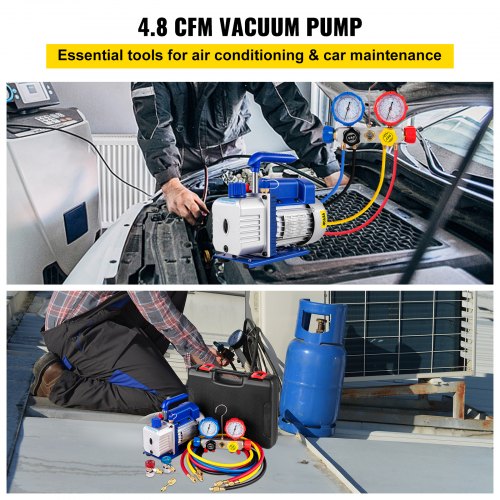
If you’ve ever worked on your car’s AC system, you know that running a vacuum pump is an important step. But how long should you actually run the vacuum pump on your car AC?
Getting this right can mean the difference between a cool, comfortable ride and an AC that just won’t chill. You’ll discover the ideal vacuum pump run time and why it matters for your car’s AC performance. Keep reading to make sure you don’t make common mistakes that can cost you time and money.
Credit: www.odyclub.com
Purpose Of Vacuum Pump
The vacuum pump plays a vital role in servicing a car’s AC system. Its main purpose is to prepare the system for refrigerant refilling. Running the pump removes unwanted elements that can harm the AC. This ensures smooth and efficient cooling performance.
Removing Moisture
Moisture inside the AC system can cause serious damage. The vacuum pump sucks out all water and humidity. This prevents corrosion and ice formation. Removing moisture protects the system from costly repairs.
Eliminating Air
Air trapped in the AC lines reduces cooling power. It also increases pressure and stress on components. The vacuum pump clears out air pockets effectively. This helps maintain proper system pressure and function.
Ensuring System Efficiency
Running the vacuum pump prepares the system for optimal operation. It creates a clean, dry environment inside the AC lines. This allows the refrigerant to flow freely and cool better. Efficient systems save fuel and last longer.
Ideal Vacuum Pump Duration
Knowing the ideal vacuum pump duration for your car AC is crucial to ensure the system is properly evacuated before recharging. Running the pump too briefly might leave moisture or air inside, reducing cooling efficiency and risking damage. On the other hand, over-pumping wastes time and energy without adding benefits.
Recommended Timing Range
Most experts suggest running the vacuum pump for 15 to 45 minutesduring a typical car AC service. This range allows enough time to remove air and moisture thoroughly from the system.
- Smaller systems or those recently opened may need about 15–20 minutes.
- Older systems or those with suspected leaks often require closer to 30–45 minutes.
If you stop too early, you risk leaving contaminants that cause poor cooling or corrosion. However, running the pump longer than 45 minutes generally won’t improve results and can cause unnecessary wear on the pump.
Factors Affecting Duration
Several factors influence how long you should run your vacuum pump. Understanding these can help you avoid guesswork and get your AC system in perfect shape.
- System Size:Larger AC units hold more refrigerant and air, demanding more pump time.
- Condition of the System:Older or leaking systems trap more moisture, requiring longer evacuation.
- Vacuum Pump Quality:High-quality pumps evacuate faster and more efficiently.
- Ambient Temperature and Humidity:High humidity means more moisture inside the system, so pump longer.
Have you checked how long your pump runs during AC servicing? Adjusting the timing based on these factors can save you from future headaches. What’s the longest you’ve ever needed to run a vacuum pump on your car AC?
Signs Of Proper Vacuuming
Knowing the signs of proper vacuuming is key to ensuring your car’s AC system is ready for refrigerant recharge. It’s not just about running the vacuum pump for a set time; you need to watch for clear indicators that the system is fully evacuated. These signs help you avoid moisture and air inside the system, which can cause poor cooling and damage.
Stable Vacuum Gauge Reading
Your vacuum gauge should show a steady reading once the pump has removed air and moisture. If the needle holds steady below 500 microns for at least 15 minutes, it means the system is properly evacuated.
Fluctuations or rising pressure during this time indicate leaks or residual moisture. I once rushed this step and ended up with a fluctuating gauge, which meant I had to find and fix a hidden leak. Patience here saves you from repeating work later.
No Moisture Detected
Moisture inside the AC system can freeze and block expansion valves or cause corrosion. Proper vacuuming removes this moisture completely.
You can confirm this by checking the vacuum gauge’s ability to hold low pressure after the pump is off. If the gauge quickly rises, moisture or air is still present. Investing in a good micron gauge can give you precise readings, ensuring your vacuuming job is truly done.

Credit: www.reddit.com
Common Mistakes To Avoid
Understanding how long to run your vacuum pump on a car AC system is crucial, but equally important is avoiding common mistakes that can damage your system or waste your time. Many people either stop the pump too soon or leave it running longer than necessary, both of which can cause issues. Let’s look at these pitfalls to help you get the most efficient and safe vacuum process.
Running Pump Too Short
Running the vacuum pump for too short a time is a frequent error. It might seem like the pressure is low enough after a few minutes, but hidden moisture and air can remain inside the system.
Even a small amount of moisture can freeze and block the AC lines or cause corrosion. You might think you’re saving time, but this mistake often leads to poor AC performance or costly repairs later.
Ask yourself: Have you checked the vacuum gauge carefully? A stable reading below 500 microns usually means the system is ready. If you stop before this, you risk incomplete evacuation.
Overrunning The Pump
Running the vacuum pump longer than necessary doesn’t improve results and can cause wear and tear on your equipment. The pump uses oil for lubrication, and extended use without breaks may lead to overheating or oil contamination.
Moreover, leaving the pump on for hours wastes energy and can create unnecessary stress on your system’s components. It’s better to monitor the vacuum gauge and stop the pump once the desired vacuum level is reached and stable for a few minutes.
Think about this: Are you monitoring the gauge continuously or just guessing when to stop? Proper timing protects your pump and saves you money.
Tips For Effective Vacuuming
Vacuuming your car’s AC system is a crucial step to ensure it runs smoothly and efficiently. Doing it effectively means not just running the vacuum pump, but also knowing how to handle the process with care and precision. Here are some practical tips to help you get the best results every time you work on your car’s AC system.
Using Quality Equipment
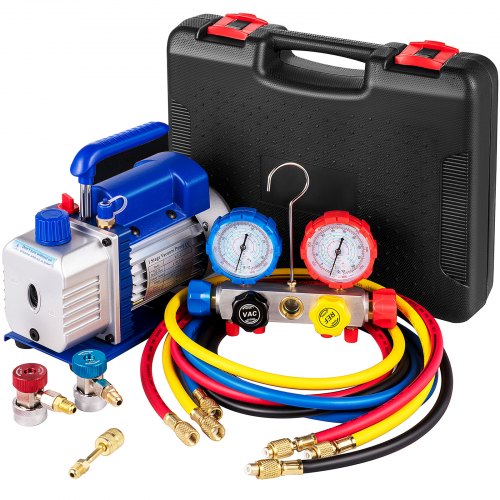
Your vacuum pump’s performance depends heavily on the quality of the tools you use. Cheap or worn-out pumps may not reach the deep vacuum levels needed to remove moisture and air completely.
Invest in a reliable pump with a strong motor and good sealing. Don’t forget to use quality hoses and connectors too—they prevent leaks that can ruin your vacuuming job.
Monitoring Pressure Levels
Running the vacuum pump isn’t enough; you need to watch the pressure gauge closely. Aim for a vacuum level below 500 microns to ensure all moisture and contaminants are removed.
Keep the pump running until the pressure stabilizes at this level. Stop and check if it rises after shutting off the pump—if it does, there’s likely a leak that needs fixing.
Maintaining Pump Condition
Your pump needs regular care to keep working well. Change the oil after every few uses if your pump requires it, and clean filters to avoid clogging.
Store your pump in a clean, dry place. A well-maintained vacuum pump saves you time and hassle and protects your AC system from damage.
When To Repeat Vacuum Process
Knowing when to repeat the vacuum process on your car AC system is key to ensuring it works efficiently and lasts longer. Skipping this step or rushing it can cause issues that might cost you more down the road. Let’s look at the main situations that call for running the vacuum pump again.
System Leaks
If your AC system has leaks, the vacuum you created won’t hold. This means moisture and air can sneak back inside, damaging the components. You’ll need to run the vacuum pump again after fixing any leaks to make sure the system is properly sealed.
How can you tell if there’s a leak? Watch for signs like reduced cooling, hissing sounds, or oily residue around fittings. Using a leak detector tool is also a smart move to confirm the problem before starting the vacuum process again.
Long Idle Periods
When your car sits unused for weeks or months, the AC system can lose pressure and moisture might build up. Running the vacuum pump again before using the AC helps remove this moisture and air. This step prevents corrosion and keeps the system running smoothly.
Think about your last time leaving the car parked for a long trip. Did the AC feel less cold afterward? That’s a good indicator you might need to vacuum the system again before hitting the road.
Credit: www.vevor.ca
Frequently Asked Questions
How Long Should I Run A Vacuum Pump On Car Ac?
Typically, you should run a vacuum pump on a car AC for 15 to 30 minutes. This duration ensures that air and moisture are effectively removed from the system. For best results, consult your vehicle’s manual or a professional technician for specific recommendations.
Why Is Vacuuming Car Ac Important?
Vacuuming your car’s AC system removes air and moisture, preventing damage and inefficiency. Without vacuuming, your AC may not cool properly, and internal components might corrode. Regular maintenance, including vacuuming, ensures optimal performance and extends the lifespan of your car’s air conditioning system.
Can I Run A Vacuum Pump Too Long?
Running a vacuum pump too long can potentially cause damage. While removing moisture and air is crucial, extended vacuuming might strain the pump. Always adhere to the recommended time, usually between 15 and 30 minutes, to avoid unnecessary wear on the equipment.
What Happens If I Don’t Vacuum The Ac System?
If you don’t vacuum the AC system, air and moisture remain trapped inside. This can lead to inefficient cooling, potential damage, and corrosion of internal components. Regular vacuuming ensures optimal performance and longevity of your car’s AC system, maintaining its efficiency and reliability.
Conclusion
Running a vacuum pump on your car AC for 30 to 45 minutes works best. This time removes air and moisture from the system. It helps the AC cool properly and last longer. Avoid running it too short or too long.
Too short leaves moisture inside; too long may damage parts. Always follow the pump’s instructions and safety tips. Regular care keeps your car AC in good shape. Keep your rides cool and comfortable with proper vacuum pump use. Simple steps make a big difference.