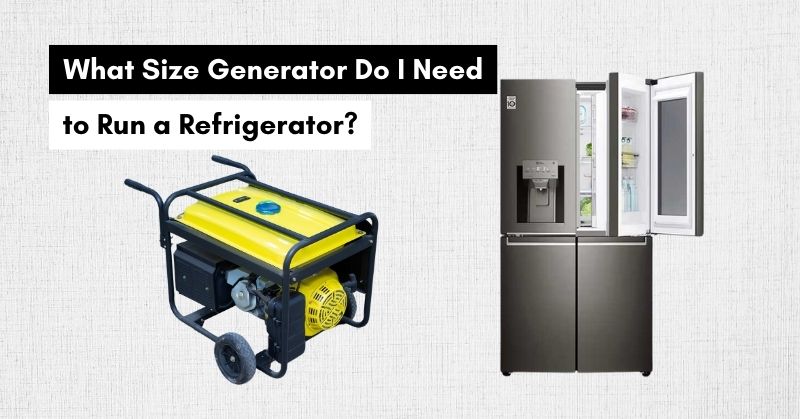
Have you ever wondered if your generator can keep your refrigerator running during a power outage? When the lights go out, your fridge holds all the food that keeps you and your family nourished.
But can a generator handle this job without burning out or causing damage? Understanding how your generator works with your refrigerator can save you from spoiled food and costly repairs. You’ll discover the key facts you need to know to keep your fridge powered safely and efficiently.
Keep reading to find out if your generator is up to the task.

Credit: www.jackery.com
How Generators Power Appliances
Understanding how generators power appliances is key to knowing if your refrigerator will run smoothly during a power outage. Generators supply electrical energy that appliances need to function. However, not all appliances draw the same amount of power, which affects whether a generator can handle them effectively.
Basic Generator Functions
A generator converts fuel into electrical power. It works by spinning a coil inside a magnetic field to produce electricity. This electricity then flows through cords to your appliances, allowing them to operate when the main power is off.
Generators come in various sizes and power outputs. Smaller portable models are great for light loads like charging phones or running a few lights. Larger standby generators can power entire homes, including refrigerators and other heavy appliances.
Starting Vs Running Watts
Appliances need different amounts of power to start and to keep running. The initial surge of electricity required to start a refrigerator, known as starting watts, is much higher than the power needed to keep it running, called running watts.
- Starting Watts:This can be 2 to 3 times the running watts and lasts only a few seconds.
- Running Watts:The continuous power the appliance uses while operating.
For example, a refrigerator might need 1200 starting watts but only 200 running watts. If your generator can’t handle the starting watt surge, the fridge won’t start or the generator may shut down. Have you checked your generator’s wattage rating against your fridge’s requirements?

Credit: www.renogy.com
Refrigerator Power Needs
Understanding your refrigerator’s power needs is crucial before connecting it to a generator. Refrigerators don’t just run on a constant amount of electricity; their power consumption varies, especially during startup. Knowing these details helps you choose the right generator that won’t overload or damage your appliance.
Typical Wattage Requirements
Most modern refrigerators use between 100 to 800 watts while running. Smaller mini-fridges tend to be on the lower end, around 100-250 watts. Full-sized models, especially those with additional features like ice makers, can require closer to 600-800 watts.
Keep in mind, these numbers represent the running wattage, which is the continuous power needed to keep your fridge cold. If your generator provides this wattage or more, your refrigerator should run smoothly without interruptions.
Surge Power During Startup
Refrigerators need more power when the compressor kicks in. This surge can be two to three times the running wattage. For example, a fridge running at 700 watts might require 2100 watts or more at startup.
This sudden spike is why some generators struggle or shut down when powering refrigerators. If you don’t account for surge power, your generator could overload, causing interruptions or damage. Have you checked if your generator can handle this extra load before plugging in your fridge?
Choosing The Right Generator
Choosing the right generator to power your refrigerator is more than just picking the most powerful model. It involves understanding how much power your fridge needs and what kind of fuel will keep it running efficiently and safely. Getting this choice right means your food stays cold and your home stays comfortable during outages.
Generator Size And Capacity
Not all generators can handle the power demands of a refrigerator. Your fridge requires a surge of electricity when it starts up, often two to three times its normal running wattage.
Check your refrigerator’s wattage — usually found on a label inside or in the user manual. Then, choose a generator that can supply at least 20-30% more wattage than the fridge’s starting requirement. This ensures the generator won’t strain and risk shutting down or damaging your appliance.
Think about whether you want to power additional devices alongside your fridge. If yes, add their wattages to your total calculation. This helps avoid overloads and keeps everything running smoothly.
Fuel Types And Efficiency
Generators come in various fuel types: gasoline, propane, diesel, and natural gas. Each has its pros and cons depending on your needs and availability.
- Gasoline:Easy to find and great for short-term use, but it doesn’t store well over time.
- Propane:Burns cleaner and lasts longer in storage, making it a good choice for emergencies.
- Diesel:Powerful and efficient for heavy use, though it can be noisy and requires regular maintenance.
- Natural Gas:Convenient if you have a line at home, but not portable for camping or remote use.
Consider how often you’ll use the generator and where you’ll store fuel. Fuel efficiency affects how long your generator can run without a refill — something I learned the hard way during a long blackout. Your choice impacts both convenience and cost, so pick what fits your lifestyle best.

Credit: www.renogy.com
Safe Generator Use With Refrigerators
Using a generator to power your refrigerator requires careful attention to safety. A fridge is sensitive to power fluctuations, and improper generator use can lead to damage or spoilage of your food. Knowing how to connect your generator correctly and protect your appliances from power surges is essential for smooth operation.
Proper Connection Methods
Connecting your generator directly to your refrigerator’s power source can be risky. Instead, use a heavy-duty extension cord rated for outdoor use, with sufficient wattage capacity to handle the refrigerator’s startup and running power.
Make sure the generator is placed outside in a well-ventilated area to avoid carbon monoxide buildup. Never plug your generator into a household outlet without a transfer switch; this can cause dangerous backfeeding.
- Check the generator’s wattage output and match it with your refrigerator’s requirements.
- Use a grounded extension cord and keep connections dry to prevent electrical hazards.
- Turn off the refrigerator before starting the generator, then plug it in and turn it on.
Avoiding Power Surges And Damage
Refrigerators draw a large surge of power when the compressor starts, which can strain your generator. To protect your fridge, use a generator with a built-in inverter or surge protector.
Consider adding a surge protector or an automatic voltage regulator (AVR) between the generator and the refrigerator. This shields your appliance from sudden voltage spikes that could fry the compressor or circuitry.
- Start the generator before plugging in the refrigerator to stabilize voltage.
- Limit other high-power appliances running on the generator simultaneously to avoid overloads.
- Monitor the generator’s fuel and output regularly to maintain consistent power.
Have you ever experienced a spoiled fridge during a power outage? Taking these precautions can save you from that frustration and costly repairs.
Tips For Efficient Generator Operation
Running a generator efficiently means more than just turning it on and plugging in your refrigerator. It requires smart planning and care to keep everything running smoothly without wasting fuel or risking damage to your appliances. These tips will help you get the most from your generator while protecting your valuable equipment.
Load Management
Managing the load on your generator is crucial. Don’t connect too many appliances at once, as this can overload the system and cause power fluctuations. Prioritize essential devices like your refrigerator and avoid running high-wattage items simultaneously.
Try to spread out when you use other appliances. For example, if your refrigerator uses about 600 watts, avoid turning on a microwave or heater at the same time. This balance helps the generator run more efficiently and extends its lifespan.
Have you checked your generator’s wattage capacity lately? Knowing this number helps you avoid overloading and keeps your fridge running steadily without interruptions.
Regular Maintenance
Keeping your generator in top shape means regular maintenance is a must. Simple tasks like changing the oil, cleaning the air filter, and checking spark plugs can prevent breakdowns and improve fuel efficiency.
Don’t wait until your generator fails during a power outage. Set a maintenance schedule based on the hours it runs or the manufacturer’s recommendations. This habit saves you from unexpected troubles and costly repairs.
Remember, a well-maintained generator not only runs better but also protects your refrigerator from power surges and voltage drops, which can cause serious damage over time.
Common Generator Issues And Solutions
Generators can be a reliable backup for running your refrigerator during power outages, but they come with their own set of challenges. Understanding common issues and how to fix them can save you from food spoilage and costly repairs. Let’s dive into the typical problems you might face and how you can address them effectively.
Troubleshooting Power Fluctuations
Power fluctuations can cause your refrigerator to run erratically or even stop working. These fluctuations often stem from the generator’s inability to maintain a steady voltage output.
If you notice your fridge’s light flickering or the compressor cycling on and off frequently, your generator might be struggling to supply consistent power. Check the generator’s voltage meter if it has one. Ideally, it should stay within the range specified in your refrigerator’s manual.
To fix this, try reducing the load on the generator by turning off other appliances. Also, make sure the generator is properly grounded. Using a surge protector designed for sensitive electronics can protect your fridge from voltage spikes.
Handling Overloads
Overloads happen when the total power demand exceeds the generator’s capacity. Refrigerators have a high starting wattage due to the compressor kicking in, which can easily overload a small generator.
Have you ever heard your generator’s engine sputter or seen it shut down unexpectedly? That’s a clear sign of overload. To prevent this, calculate the starting and running wattage of your refrigerator and compare it to your generator’s output. Don’t forget to add the wattage of other appliances you plan to run simultaneously.
If overloads are frequent, consider upgrading to a generator with a higher wattage rating. Alternatively, use a soft start device for your refrigerator compressor. This device lowers the starting power surge and helps avoid tripping your generator.
Alternative Power Options For Refrigerators
Refrigerators need steady power to keep food fresh and safe. Alternative power options help during outages or off-grid living. These solutions offer reliable energy without noisy fuel engines. They also reduce pollution and fuel costs.
Solar Generators
Solar generators use sunlight to create electricity. They store energy in batteries for use anytime. These generators run quietly and produce no fumes. Solar panels charge the batteries during the day.
- Good for sunny areas and long-term use
- Low maintenance and easy to operate
- Can power small to medium refrigerators
Solar generators work best with energy-efficient refrigerators. The system size depends on fridge power needs and sunlight hours.
Battery Backup Systems
Battery backup systems store electricity to power appliances during outages. They can connect to the main power or solar panels. Batteries provide instant power without noise or emissions.
- Works well for short-term power loss
- Portable and easy to install
- Can keep refrigerators running for hours
Battery backups need regular charging to stay ready. Choose batteries with enough capacity for your refrigerator’s size and usage.
Frequently Asked Questions
Can A Generator Power My Refrigerator Efficiently?
Yes, a generator can power a refrigerator efficiently. Ensure the generator has enough wattage capacity. Most refrigerators require 600 to 800 watts. Check the generator’s manual to confirm it meets the refrigerator’s starting and running wattage needs. Using the right generator ensures efficient operation without interruptions.
What Size Generator Is Needed For A Refrigerator?
A generator with at least 1000 watts is recommended. Refrigerators typically need 600 to 800 watts. Some models require more power during startup. To ensure efficiency, check your refrigerator’s wattage requirement. This will help you select the appropriate generator size to meet its needs.
How Long Can A Generator Run A Refrigerator?
A generator can run a refrigerator for several hours. The duration depends on the generator’s fuel capacity. Most generators can run for 8 to 12 hours. Ensure you have enough fuel for longer operation. Regular maintenance and monitoring will help achieve optimal performance.
Is It Safe To Use A Generator Indoors?
No, it’s not safe to use a generator indoors. Generators emit harmful carbon monoxide gases. Always operate them outdoors, away from windows and doors. Ensure proper ventilation to prevent carbon monoxide poisoning. Following safety guidelines will protect you and your household from potential hazards.
Conclusion
A generator can power a refrigerator safely if it matches the right size. Check the generator’s wattage before connecting your fridge. Small generators may not handle the fridge’s starting power needs. Always use proper cords and keep the generator outside for safety.
Running a fridge with the right generator helps keep food fresh during outages. Simple steps make a big difference in staying prepared. Understanding your fridge’s power needs avoids damage and keeps things cool. A good plan ensures your food stays safe anytime power goes out.