Are you wondering if it’s safe to put breast milk back in the fridge after it’s been warmed or partially used? You’re not alone.
Many parents face this question and worry about keeping their baby’s milk fresh and healthy. Knowing the right way to handle breast milk can save you time, reduce waste, and most importantly, protect your little one’s health. Keep reading, because we’re about to clear up the confusion and give you simple, practical advice you can trust.

Credit: www.reddit.com
Breast Milk Storage Basics
Storing breast milk correctly is crucial to keep it safe and nutritious for your baby. Understanding the basics helps you avoid waste and ensures your little one gets the best nourishment. Let’s break down the essentials you need to know about breast milk storage.
Ideal Storage Containers
Choose containers specifically made for breast milk storage. These are usually BPA-free plastic or glass bottles with tight-fitting lids.
Milk storage bags designed for freezing are also a good option, but avoid regular plastic bags or containers not meant for food storage.
Label each container with the date and time you pumped to keep track of freshness.
Temperature Guidelines
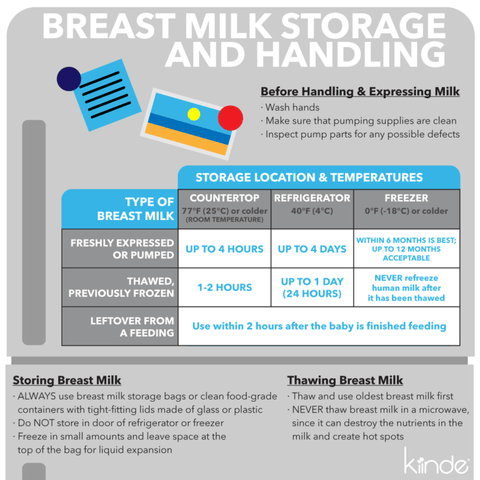
Breast milk stays safest at certain temperatures. Freshly pumped milk can be kept at room temperature (up to 77°F or 25°C) for up to 4 hours.
In the refrigerator (at or below 40°F or 4°C), it can last up to 4 days.
For longer storage, freeze the milk at 0°F (-18°C) or colder, where it can remain safe for 6 to 12 months, though using it within 6 months is ideal for quality.
Storage Duration Limits
| Storage Condition | Maximum Storage Time |
|---|---|
| Room Temperature (up to 77°F / 25°C) | Up to 4 hours |
| Refrigerator (at or below 40°F / 4°C) | Up to 4 days |
| Freezer (0°F / -18°C or colder) | 6 to 12 months (best within 6 months) |
Have you ever wondered if refreezing thawed breast milk is safe? It’s best to use thawed milk within 24 hours and never refreeze it, as this can break down nutrients and increase the risk of bacterial growth.
Refrigerating Breast Milk
Refrigerating breast milk is a common practice for many parents aiming to provide fresh and nutritious milk for their babies even when they are not immediately available to breastfeed. Understanding the right way to refrigerate breast milk ensures it stays safe and retains its valuable nutrients. Let’s break down how and when you should refrigerate breast milk to keep it fresh and healthy for your little one.
When To Refrigerate
You should refrigerate breast milk as soon as possible after pumping if you don’t plan to use it right away. Freshly expressed milk can stay at room temperature for about 4 hours, but the sooner it’s cooled, the better.
If you’re going to feed your baby within the next 4 days, storing breast milk in the refrigerator is ideal. Beyond this timeframe, freezing is a safer option to preserve the milk’s quality.
Handling Freshly Pumped Milk
Always use clean containers or bottles with tight-fitting lids to store your milk. Avoid filling containers to the brim to allow room for expansion, especially if you plan to freeze the milk later.
Label each container with the date and time you pumped the milk. This helps you use the oldest milk first and avoid wasting any stored milk.
Cooling Warm Milk Safely
If your breast milk is still warm after pumping, cool it down quickly before refrigerating. Placing the container in a bowl of cold water or under running cold water works well.
Never put warm breast milk directly into the fridge, as it can raise the fridge temperature and affect other stored food. Cooling milk safely helps maintain its freshness and prevents bacterial growth.
Refrigerating Previously Frozen Milk
Refrigerating previously frozen breast milk requires careful attention to keep it safe for your baby. Knowing the right steps helps maintain milk quality and nutrition. It also prevents bacterial growth and spoilage.
Thawing And Refreezing Rules
Thaw breast milk in the refrigerator or by placing the container in warm water. Avoid using a microwave or boiling water, as they can damage the milk.
Once thawed, breast milk should be kept in the refrigerator and used within 24 hours. Do not refreeze thawed breast milk. Refreezing can break down nutrients and increase the risk of bacteria.
Risks Of Refreezing
Refreezing breast milk may cause harmful bacteria to grow. This can cause stomach upset or illness in babies. Nutrient loss also happens after refreezing. The milk may lose some of its immune properties.
Repeated freezing and thawing can change the milk’s taste and smell. Babies might refuse milk that smells or tastes different. It is safer to avoid refreezing to keep milk fresh and healthy.
Best Practices For Re-refrigeration
- Thaw milk in the refrigerator, not at room temperature.
- Use thawed milk within 24 hours.
- Keep thawed milk cold at all times.
- Do not refreeze thawed milk.
- Label milk with the date it was frozen and thawed.
Following these steps helps protect your baby’s health. Proper handling keeps breast milk safe and nutritious.

Credit: www.reddit.com
Signs Of Spoiled Breast Milk
Breast milk is a vital source of nutrition for babies. Proper storage keeps it safe and fresh. Knowing the signs of spoiled breast milk helps protect your baby’s health. Recognizing these signs prevents feeding milk that might cause discomfort or illness.
Smell And Appearance Changes
Spoiled breast milk often has a sour or rancid smell. Fresh milk smells sweet or neutral. A strong, unpleasant odor means the milk has gone bad. Check the milk’s appearance too. Cloudy or curdled milk signals spoilage. Clear separation of fat is normal, but unusual lumps are not.
Texture And Color Indicators
Fresh breast milk is smooth and slightly creamy. Spoiled milk may feel sticky or slimy. The color can also change with spoilage. It may turn yellow, green, or grayish. Any drastic color shift is a warning sign. Trust your senses to detect these texture and color changes.
When To Discard Milk
- If the milk smells sour or off.
- If the texture is lumpy or slimy.
- If the color looks unusual or darker than usual.
- If stored beyond recommended times.
- If the milk was left out too long at room temperature.
Always err on the side of caution. Discard milk at the first sign of spoilage. Safe milk means a healthy baby.
Tips For Safe Breast Milk Handling
Handling breast milk safely protects your baby from germs and keeps milk fresh. Following simple tips helps maintain milk quality. These practices lower the risk of contamination and spoilage. Safe handling starts with clean habits and careful storage. Proper labeling and safe transport keep milk organized and ready to use. Here are key tips for safe breast milk handling.
Hygiene Practices
- Wash hands thoroughly before expressing or handling milk.
- Use clean, sterilized containers for milk storage.
- Clean breast pump parts after every use with warm soapy water.
- Store milk in small portions to avoid waste and repeated warming.
- Keep milk containers sealed tightly to prevent contamination.
Labeling And Tracking Milk
- Write the date and time of milk expression on each container.
- Use waterproof labels or markers to avoid smudging.
- Store the oldest milk at the front to use it first.
- Keep a log to track milk amounts and feeding times.
Transporting Milk Safely
- Use insulated bags with ice packs for milk transport.
- Keep milk cold during travel to prevent spoilage.
- Avoid leaving milk in warm places like cars for long periods.
- Transfer milk quickly to a refrigerator or freezer upon arrival.

Credit: www.breastfeedingnetwork.org.uk
Frequently Asked Questions
Can You Re Refrigerate Breast Milk?
Yes, you can re refrigerate breast milk if it has been stored properly. Ensure it hasn’t been left at room temperature for over two hours. Always check for any signs of spoilage before giving it to your baby.
How Long Can Breast Milk Be Refrigerated?
Breast milk can be safely stored in the refrigerator for up to four days. Ensure it’s kept at a temperature of 39°F (4°C) or lower. Always store it in the back of the fridge, not the door, to maintain a consistent temperature.
What Are Signs Of Spoiled Breast Milk?
Spoiled breast milk may have an unpleasant smell or taste. It might also appear curdled or have a change in color. Always check for these signs before feeding your baby, as spoiled milk can be harmful.
Can Breast Milk Be Frozen After Refrigeration?
Yes, you can freeze breast milk after it has been refrigerated. Ensure it hasn’t been stored in the fridge for more than four days. Use proper storage containers, leaving some space for expansion during freezing.
Conclusion
Refrigerating breast milk again is not safe. It can cause bacteria to grow. Always use fresh or properly stored milk. Follow guidelines to keep your baby healthy. Remember, safety comes first with breast milk. When in doubt, throw it away.
Your baby’s health is worth the extra care. Keep milk cold and use it quickly. This simple step protects your little one. Stay informed and confident in your feeding choices.