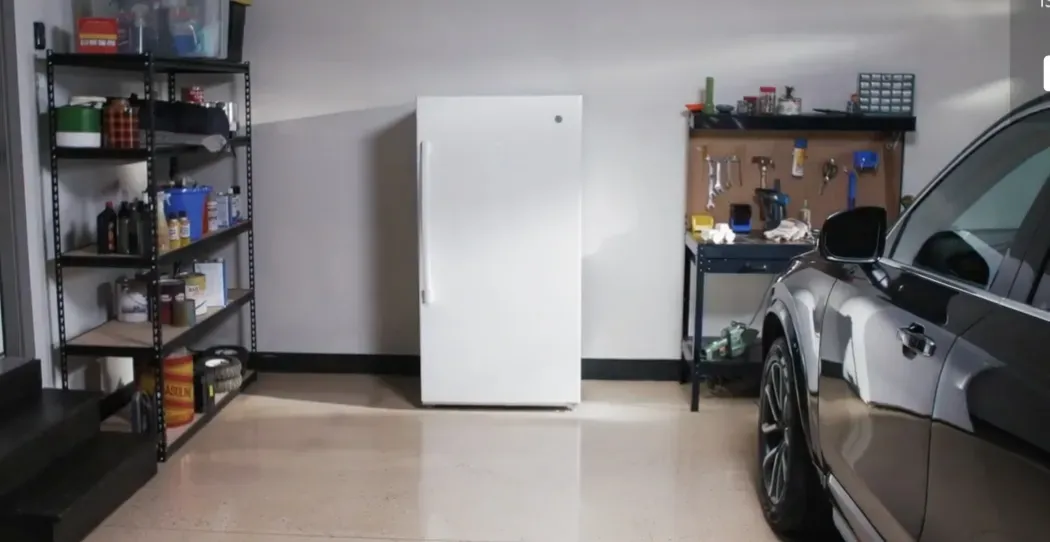
Are you thinking about adding a fridge to your garage but aren’t sure if it’s a good idea? You might be wondering if your refrigerator will work properly in that space or if it could get damaged.
The truth is, placing a fridge in your garage isn’t as simple as just plugging it in. There are important factors you need to know that can affect how well your fridge runs and how long it lasts. Keep reading to find out what you need to consider before making your garage the new home for your refrigerator.
This could save you from costly mistakes and help you make the best choice for your home.

Credit: www.reddit.com
Garage Refrigerator Basics
Putting a refrigerator in a garage can save space inside your home. It offers extra storage for drinks, snacks, and bulk items. But garages have unique conditions that affect refrigerator performance. Understanding the basics helps you choose the right appliance and keep it working well.
Types Suitable For Garages
Not all refrigerators work well in a garage. Look for models labeled “garage ready” or “garage kit.” These refrigerators handle temperature changes better. Chest freezers and compact fridges also do well in garages. Avoid standard fridges that only work in controlled indoor temperatures.
Temperature Considerations
Garages can get very cold or hot depending on the season. Extreme cold may cause the fridge to stop cooling properly. Extreme heat forces the fridge to work harder, raising energy use. A garage fridge must handle temperatures from about 32°F to 110°F. Insulating the garage helps maintain a stable temperature.
Power Supply Needs
Check your garage’s electrical setup before installing a fridge. Most refrigerators need a grounded outlet with 120 volts. Avoid using extension cords or power strips as permanent solutions. Make sure the circuit can handle the fridge’s power draw. Proper wiring prevents electrical hazards and keeps the fridge running smoothly.
Potential Risks
Placing a refrigerator in a garage comes with several risks. These risks can affect the appliance’s performance and lifespan. Understanding these dangers helps you decide wisely.
Temperature Fluctuations Impact
Garages often face extreme temperature changes. Hot summers and cold winters create unstable conditions. Refrigerators may struggle to keep food at safe temperatures. Cold weather can cause the compressor to stop running. This can lead to spoiled food and damage to the fridge.
Energy Efficiency Issues
Fluctuating temperatures make refrigerators work harder. This increases electricity consumption and raises bills. The fridge uses more energy to maintain cool temperatures. Over time, this reduces the appliance’s energy efficiency. Higher energy use is costly and less eco-friendly.
Wear And Tear Concerns
Constant temperature swings put stress on the fridge parts. The compressor and thermostat may wear out faster. Moisture buildup in garages can cause rust and corrosion. Dirt and dust can clog vents and coils. These factors shorten the refrigerator’s lifespan and increase repair needs.
Preparing Your Garage
Preparing your garage before placing a refrigerator inside is crucial. Garages often have different temperature and humidity levels compared to indoor spaces. Without proper preparation, your fridge may not work efficiently or could get damaged. Simple adjustments can protect your appliance and extend its lifespan.
Insulation Tips
Proper insulation keeps the garage temperature stable. Use foam board or fiberglass insulation on walls and ceiling. Seal any gaps around doors and windows with weatherstripping or caulk. Insulation helps the fridge maintain its internal temperature better. It reduces energy use and prevents the fridge from overworking.
Ventilation Importance
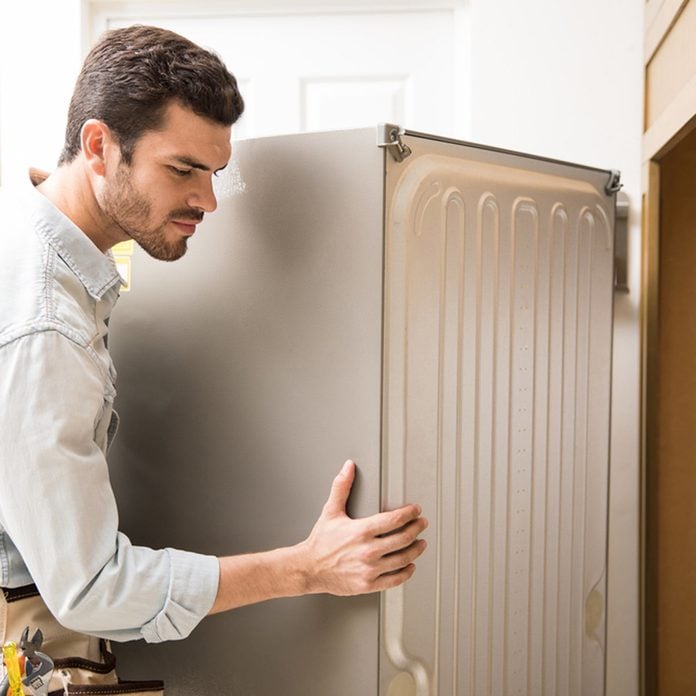
Good airflow prevents heat buildup near the fridge. Install vents or fans to improve air circulation. Avoid placing the refrigerator too close to walls or other objects. Leave at least a few inches of space around it. Proper ventilation helps the fridge cool down efficiently and avoids overheating.
Preventing Moisture Damage
Garages can be damp, which harms refrigerators. Use a dehumidifier to reduce moisture in the air. Place the fridge on a raised platform or mat to protect it from water on the floor. Check for leaks or cracks in garage walls and fix them. Keeping moisture away stops rust and mold growth on your appliance.
Credit: www.familyhandyman.com
Maintenance Strategies
Maintaining a refrigerator in a garage requires special care. The garage environment can affect its performance and lifespan. Regular maintenance helps keep it running smoothly and saves money on repairs.
Regular Cleaning
Keep the fridge clean inside and out. Wipe spills immediately to prevent odors. Clean the coils at the back or underneath every six months. Dust buildup makes the fridge work harder and use more energy.
Monitoring Performance
Check the temperature regularly to ensure it stays in the safe range. Listen for unusual noises, which could signal a problem. Watch for ice buildup in the freezer section. These signs help catch issues early before they get worse.
Seasonal Adjustments
Garages can get very cold or hot depending on the season. Adjust the fridge’s temperature settings as needed. In winter, the fridge may run less, so keep an eye on the food inside. In summer, check that the fridge stays cool despite the heat outside.
Alternative Solutions
If placing a traditional refrigerator in your garage feels risky or impractical, there are other options that might work better for your space and needs. Alternative solutions often offer more reliability and efficiency, especially in environments with extreme temperatures.
Garage-ready Appliances
Some manufacturers design refrigerators specifically for garage use. These models can handle temperature swings without breaking down or losing efficiency.
They usually have better insulation and compressors built to work in hot or cold conditions. Investing in a garage-ready fridge means fewer repairs and longer appliance life.
Using A Mini Fridge
Mini fridges can be a smart choice if you only need extra storage for drinks or snacks. They use less energy and create less heat than full-sized models.
Many mini fridges operate well in garages because they have simpler cooling systems. Plus, they’re easier to move if you want to rearrange your space.
Portable Cooling Options
Portable coolers or electric ice chests offer flexible cooling without the commitment of a fridge. These devices plug into standard outlets or car adapters and keep items chilled on demand.
They’re perfect for occasional use or when you need to cool items temporarily in your garage. Have you tried a portable cooler for extra cold storage during summer projects?
Credit: www.woodcocks.us
Frequently Asked Questions
Can You Use Any Refrigerator In The Garage?
Not all refrigerators are suitable for garage use. Temperature fluctuations can affect their performance. Look for models specifically designed for garage environments. These units are built to handle extreme temperatures, ensuring efficient operation. Always check the manufacturer’s guidelines before installing a refrigerator in the garage.
What Temperature Can A Garage Refrigerator Handle?
Garage-ready refrigerators can handle a wide temperature range. They usually work efficiently between 0°F and 110°F. This capability ensures that they function well in both cold winters and hot summers. Always verify the temperature range specified by the manufacturer for optimal performance.
Why Won’t My Garage Refrigerator Cool Properly?
Temperature fluctuations in the garage can affect cooling. Extreme cold or heat can cause the compressor to malfunction. Ensure the refrigerator is designed for garage use. Also, check for proper ventilation and adequate space around the unit. Regular maintenance can also help improve cooling efficiency.
Do Garage Refrigerators Consume More Energy?
Yes, garage refrigerators can consume more energy. They often operate in uninsulated spaces, causing the compressor to work harder. This increased workload leads to higher energy consumption. Choosing an energy-efficient model and ensuring proper insulation can help reduce energy usage in garage settings.
Conclusion
A garage can be a good place for a fridge with care. Keep the temperature steady to avoid problems. Choose a fridge made for garages if possible. Check seals and clean the fridge often. Protect it from dirt and moisture.
This helps the fridge work well and last longer. A little effort keeps your food fresh and safe. Think about space and power before placing the fridge. A well-placed fridge makes life easier and saves kitchen space.