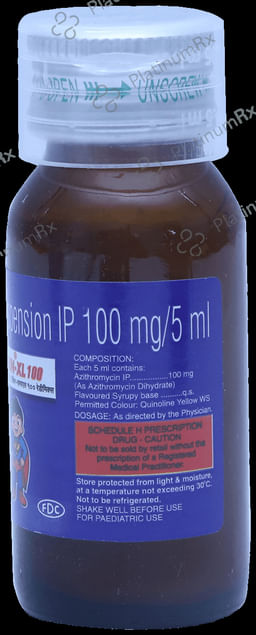
Are you wondering if your azithromycin liquid needs to be refrigerated? You’re not alone.
Knowing how to store your medicine correctly is crucial to make sure it works well and stays safe. If you get this wrong, your treatment might not be as effective, and that can delay your recovery. You’ll discover exactly how to store azithromycin liquid the right way, avoid common mistakes, and keep your health on track.
Keep reading—you don’t want to miss these important tips!

Credit: www.platinumrx.in
Azithromycin Liquid Basics
Understanding the basics of azithromycin liquid can help you use it safely and effectively. This antibiotic is commonly prescribed for various infections, and knowing its form and purpose is essential. Let’s break down what azithromycin liquid is and why it might be prescribed to you or your loved one.
What Is Azithromycin Liquid?
Azithromycin liquid is a form of antibiotic medication that comes as a suspension. It’s designed to be easy to swallow, especially for children or adults who struggle with pills. The liquid contains the same active ingredient as the tablets but allows for flexible dosing.
Have you ever noticed how some medicines taste bitter or are hard to swallow? Azithromycin liquid often has a pleasant flavor to make taking it easier. This helps ensure that you or your child complete the full course without fuss.
Common Uses
Doctors prescribe azithromycin liquid to treat a variety of bacterial infections. These include:
- Respiratory tract infections like bronchitis or pneumonia
- Ear infections
- Skin infections
- Some sexually transmitted infections
If you’ve ever had a stubborn cough or earache, azithromycin liquid might have been the solution. It works by stopping bacteria from growing and spreading, giving your immune system a chance to fight back.
Have you ever wondered why your doctor chooses this antibiotic over others? It’s often because azithromycin has a longer-lasting effect and fewer doses are needed, making it more convenient to take.
Storage Requirements
Proper storage of Azithromycin liquid is essential for maintaining its effectiveness. The medicine’s stability depends on how it is stored after opening or preparation. Incorrect storage can reduce the drug’s strength and impact treatment results.
Refrigeration Guidelines
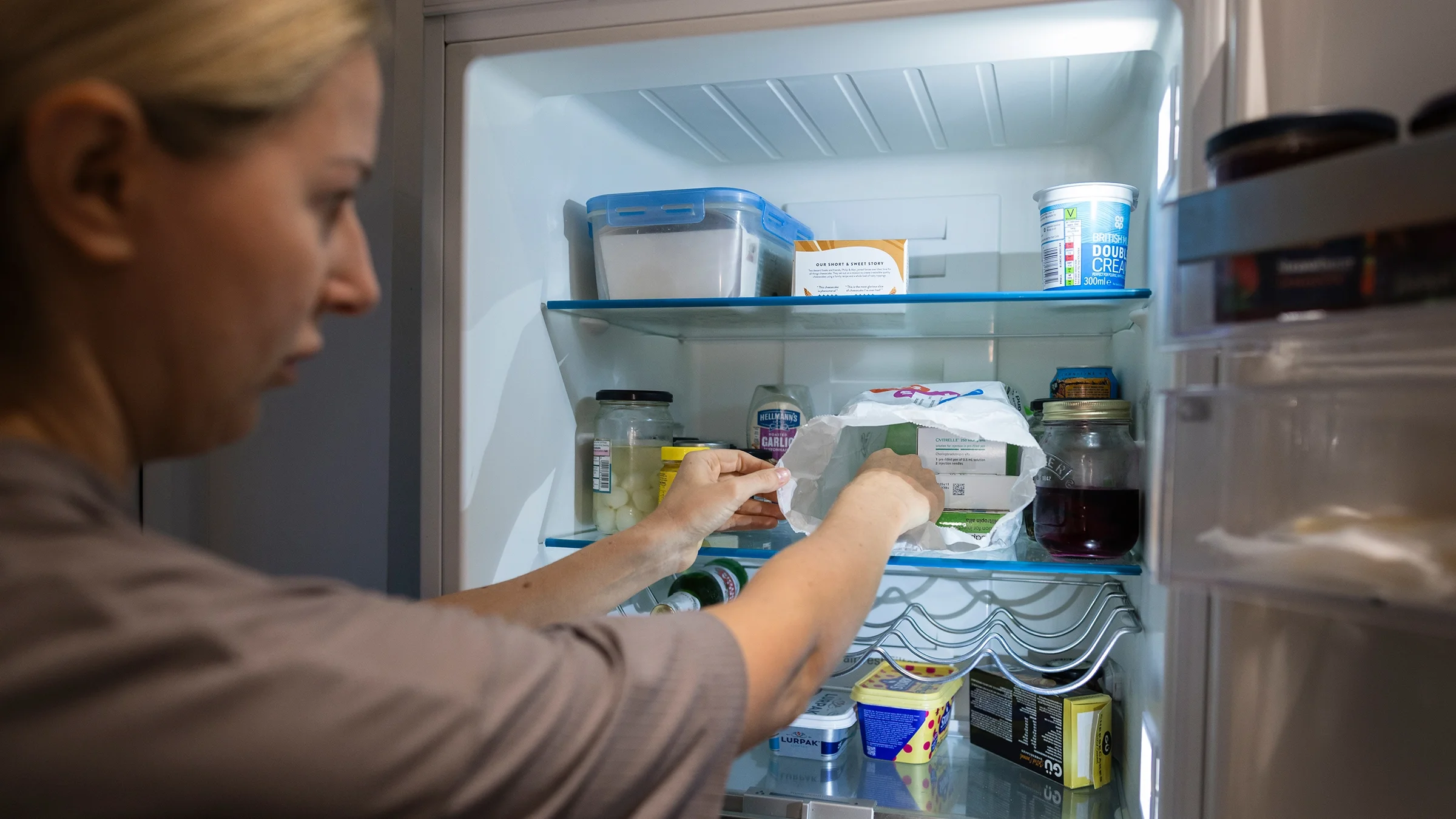
Many Azithromycin liquid forms require refrigeration after reconstitution. Keep the bottle between 2°C and 8°C (36°F and 46°F). Avoid freezing the medicine, as freezing can ruin its quality. Store the bottle tightly closed to prevent contamination and moisture entry.
Room Temperature Storage
Certain Azithromycin liquids do not need refrigeration. These can be stored at room temperature, usually between 20°C and 25°C (68°F and 77°F). Keep the medicine away from heat, light, and moisture. Do not store it in the bathroom or near the kitchen sink.
Manufacturer Instructions
Always follow the storage instructions on the medicine label or leaflet. Manufacturers provide specific guidance based on the formulation. Read the label carefully before use. If unclear, ask a pharmacist or healthcare provider for help.
Effects Of Improper Storage
Storing azithromycin liquid incorrectly can cause several problems. The medicine might lose its power or even become unsafe. Understanding these effects helps keep the medicine effective and safe to use.
Impact On Effectiveness
Improper storage can reduce the strength of azithromycin liquid. The medicine may not work well against infections. This can lead to longer illness or resistance to treatment. Keeping the medicine at the right temperature preserves its full effect.
Risks Of Spoilage
Azithromycin liquid can spoil if not stored properly. Spoiled medicine may change color, smell, or texture. Using spoiled medicine can cause stomach upset or allergic reactions. Proper storage prevents spoilage and keeps the medicine safe.
Credit: www.goodrx.com
Tips For Safe Storage
Proper storage of azithromycin liquid is crucial to keep the medication effective and safe for use. Understanding how to handle it after opening and how to avoid contamination can make a big difference in your treatment. Let’s dive into practical tips that will help you store azithromycin liquid correctly.
Handling After Opening
Once you open the bottle of azithromycin liquid, it’s important to keep it tightly sealed. Exposure to air can affect its potency, so always close the cap firmly after each use.
Check the label for specific storage instructions. Some azithromycin liquids require refrigeration, while others should be kept at room temperature. If the label says to refrigerate, make sure your fridge temperature stays between 2°C and 8°C (36°F to 46°F).
Keep the medication away from direct sunlight and heat sources. A cool, dark place like a medicine cabinet often works well if refrigeration isn’t needed.
Avoiding Contamination
Contamination can reduce the effectiveness of azithromycin liquid and may even cause infections. Always use the measuring device provided with the medication. Using a clean spoon or other tools can introduce bacteria.
Wash your hands before and after handling the bottle. Avoid touching the tip of the bottle or the inside of the cap to keep germs out.
Have you ever noticed changes in color or smell in your medicine? If the liquid looks cloudy, has particles, or smells unusual, don’t use it. These signs often indicate contamination or spoilage.
When To Dispose Azithromycin Liquid
Knowing when to dispose of azithromycin liquid is important for safety and effectiveness. Using expired or spoiled medicine can cause harm or reduce treatment results. This section explains signs of expiration and how to dispose of azithromycin liquid properly.
Expiration Signs
- Check the expiration date on the bottle. Do not use after this date.
- Look for changes in color or texture. The liquid should be clear and consistent.
- Smell the medicine. A strange or bad odor means it is spoiled.
- Notice any clumps or particles. These can indicate the medicine is no longer good.
- Check the taste carefully. A bitter or unusual taste can signal expiration.
Proper Disposal Methods
- Do not flush azithromycin liquid down the toilet or sink.
- Mix the medicine with an undesirable substance like coffee grounds or dirt.
- Place the mixture in a sealed plastic bag to prevent leaks.
- Throw the sealed bag into your household trash.
- Ask your pharmacist about medicine take-back programs for safe disposal.

Credit: www.newindianexpress.com
Frequently Asked Questions
Does Azithromycin Liquid Require Refrigeration?
Azithromycin liquid does not need refrigeration. Store it at room temperature, away from light and moisture. Keep it in a dry place and ensure the bottle is tightly closed. Proper storage helps maintain its effectiveness throughout the treatment period.
Can Azithromycin Liquid Be Stored In The Fridge?
Storing azithromycin liquid in the fridge is not recommended. Refrigeration might affect its taste and consistency. Room temperature storage is ideal to preserve its intended formulation. Always follow the storage instructions provided by your pharmacist or healthcare provider.
What Is The Shelf Life Of Azithromycin Liquid?
Azithromycin liquid typically has a shelf life of about 10 days. After this period, its effectiveness may decrease. It’s crucial to complete the prescribed course within this timeframe. Discard any unused portion as per your healthcare provider’s advice.
How Should Azithromycin Liquid Be Stored?
Store azithromycin liquid at room temperature, away from sunlight and moisture. Ensure the bottle is tightly sealed when not in use. Proper storage helps maintain its effectiveness and ensures safe consumption throughout the treatment duration.
Conclusion
Azithromycin liquid usually needs refrigeration to stay fresh. Keep it in the fridge unless the label says otherwise. Avoid freezing or leaving it in hot places. Proper storage helps the medicine work well and last longer. Always check the instructions or ask your pharmacist.
Taking care of your medicine means better healing. Simple steps make a big difference.