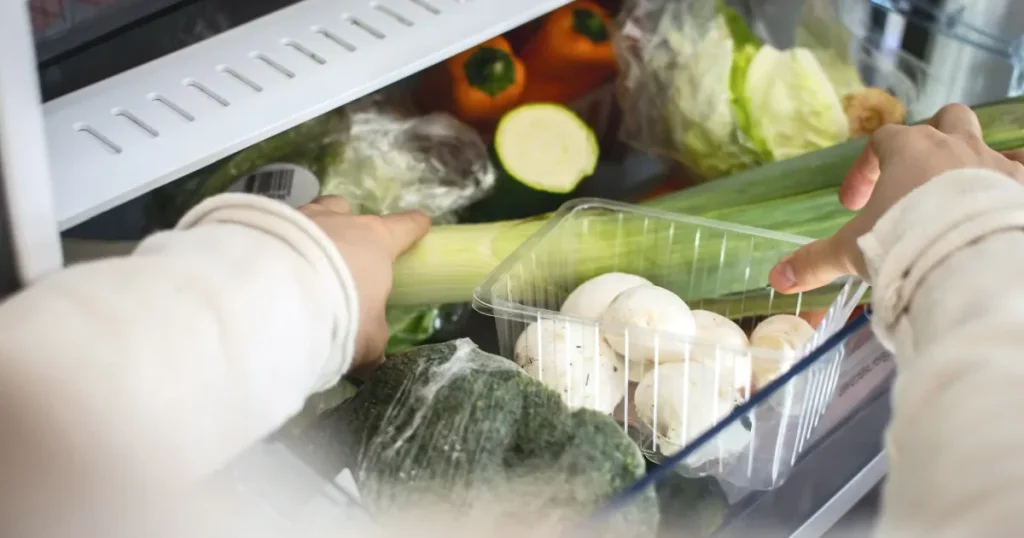
Are you tired of your leafy vegetables wilting and turning slimy just days after you bring them home? You’re not alone.
Keeping greens fresh in the fridge can be tricky, but with the right tips, you can extend their life and enjoy crisp, vibrant leaves every time you open your fridge. You’ll discover simple, effective ways to store your leafy vegetables so they stay fresh longer, save you money, and reduce food waste.
Keep reading to unlock the secrets that will change how you handle your greens forever.
Choosing Fresh Leafy Vegetables
Choosing fresh leafy vegetables is the foundation of keeping them crisp and tasty in your refrigerator. The fresher the leaves, the longer they will last and the better they will taste. Paying attention to certain details while selecting your greens can make a big difference in your meals and reduce waste.
Signs Of Freshness
Look for leaves that are vibrant and firm rather than wilted or slimy. Avoid any bunches with yellow or brown spots, as these indicate aging or damage. Fresh leaves should feel crisp when you gently squeeze them, not soft or mushy.
Check the stems too; they should be moist and not dried out. A fresh smell is a good sign—if the leaves smell sour or off, it’s best to pass. Have you ever bought spinach that looked fine but turned slimy within a day? That’s usually because it wasn’t fresh to start with.
Best Varieties For Storage
Some leafy greens naturally last longer in the fridge than others. Kale, Swiss chard, and collard greens are sturdy and tend to keep their texture for several days. On the other hand, spinach and arugula are more delicate and require quicker use.
Choose whole heads rather than loose leaves when possible; they stay fresh longer because the leaves protect each other. If you enjoy salads, romaine lettuce is a reliable choice that holds up well. Which leafy vegetable do you find goes bad the fastest in your fridge?
Preparing Leaves For Storage
Preparing leafy vegetables properly before storing them in the refrigerator can make a big difference in their freshness and shelf life. The key lies in how you clean and dry the leaves. These steps help remove dirt and moisture that can cause your greens to spoil quickly.
Cleaning Techniques
Start by rinsing the leaves gently under cold running water. Avoid soaking them for too long because excess water can lead to faster decay. If the leaves are very dirty, fill a large bowl with cold water and swish the leaves around to loosen any soil.
Drain the water and repeat rinsing if necessary until the water runs clear. Be sure to check between leaves and along stems to remove hidden dirt or insects. This attention to detail keeps your greens cleaner and healthier.
Drying Methods
After cleaning, drying your leafy vegetables thoroughly is crucial. Excess moisture is the enemy of freshness in the fridge. You can use a salad spinner to spin the leaves dry, which is quick and effective.
If you don’t have a salad spinner, pat the leaves gently with a clean kitchen towel or paper towels. Spread them out in a single layer to air dry for a few minutes. Have you noticed how damp leaves tend to wilt faster? Keeping them dry helps them stay crisp longer.
Ideal Storage Containers
Choosing the right container keeps leafy vegetables fresh longer. Proper storage containers protect leaves from moisture and air. This reduces wilting and spoilage. Containers also help organize your fridge space. Using the right type preserves nutrients and crunchiness. Let’s explore the best options for storing greens.
Using Airtight Containers
Airtight containers block air and moisture from entering. This slows down leaf decay and keeps vegetables crisp. They stop the leaves from absorbing fridge odors. Choose containers with a tight-fitting lid. Glass or BPA-free plastic containers work well. Line the container with a paper towel to absorb excess moisture. Avoid packing leaves too tightly to allow air circulation inside.
Benefits Of Perforated Bags
Perforated bags have small holes that allow airflow. This prevents condensation inside the bag. Too much moisture causes leaves to rot quickly. The holes let excess water escape while keeping humidity balanced. These bags are lightweight and easy to seal. Use them for spinach, lettuce, and kale. Keep the bag in the fridge drawer for best results.
Optimal Refrigerator Settings
Setting the right conditions inside your refrigerator helps leafy vegetables stay fresh longer. Optimal refrigerator settings slow down spoilage and keep leaves crisp. Adjusting temperature and humidity can prevent wilting and yellowing. This section explains how to set these factors for the best storage results.
Best Temperature Range
Leafy greens do best in a cool environment. Keep the refrigerator temperature between 32°F and 40°F (0°C to 4°C). This range slows bacterial growth and keeps leaves fresh. Avoid temperatures below freezing to prevent damage. Use a fridge thermometer to check the exact temperature.
Humidity Control Tips
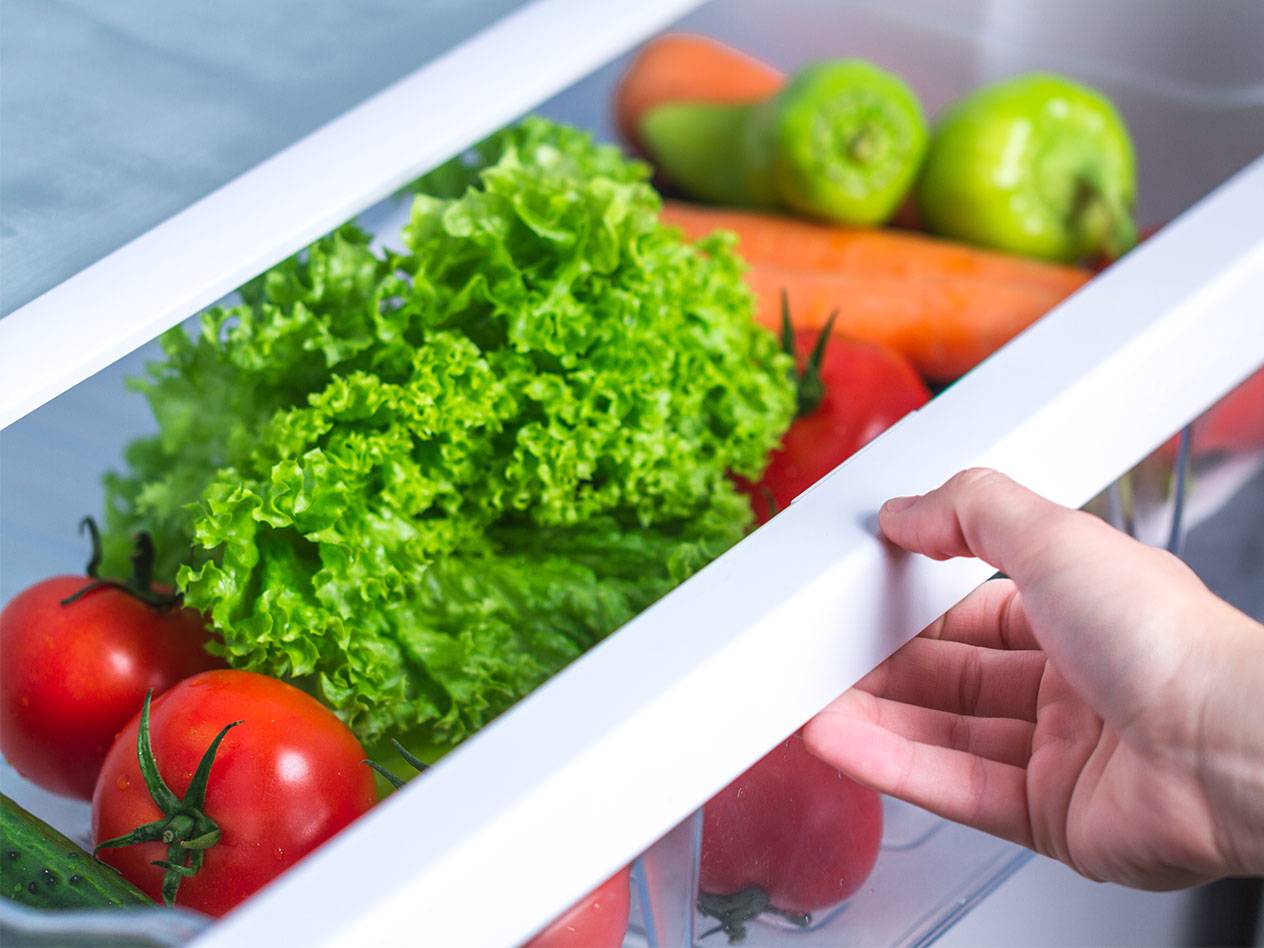
Leafy vegetables need high humidity to stay crisp. Most refrigerators have a crisper drawer with humidity settings. Set the drawer to high humidity to trap moisture. Store leaves in perforated plastic bags or wrap in damp paper towels. Avoid washing leaves before storing to reduce mold risk.
Storage Methods For Different Leafy Greens
Different leafy greens need different storage methods to stay fresh longer. Proper care helps keep their texture and taste intact. Understanding these methods can reduce waste and save money.
Spinach And Kale
Spinach and kale are sturdy but can wilt quickly. Rinse leaves gently in cold water and dry thoroughly with a salad spinner or paper towels. Wrap them loosely in a damp paper towel to maintain moisture without sogginess. Place the wrapped greens in a breathable bag or container. Store in the vegetable crisper drawer for the best temperature and humidity.
Lettuce And Arugula
Lettuce and arugula are more delicate. Avoid washing before storage; wash just before use. Store leaves dry in a container lined with paper towels. Keep the container slightly open for air circulation. This prevents excess moisture and helps leaves stay crisp. Use within a few days for best taste and texture.
Herbs And Microgreens
Herbs and microgreens need gentle care to avoid wilting. Trim the stems and place them upright in a small jar with water, like flowers. Cover loosely with a plastic bag to keep humidity. Alternatively, wrap them in a damp paper towel and store in a sealed container. Keep these greens in the fridge’s warmer section to avoid cold damage.
Credit: www.lidl.com.mt
Extending Freshness With Wrapping Techniques
Keeping leafy vegetables fresh in the refrigerator can be challenging, but the way you wrap them plays a huge role in extending their life. Proper wrapping controls moisture and airflow, which are key to preventing wilting and spoilage. Let’s look at some simple yet effective wrapping techniques that can help your greens stay crisp and vibrant longer.
Paper Towels And Cloth Wraps
Using paper towels or clean cloth to wrap your leafy vegetables helps absorb excess moisture. Too much moisture causes leaves to become soggy and rot quickly. By gently wrapping your greens in a dry paper towel, you create a buffer that soaks up water without drying out the leaves.
I once wrapped spinach in a damp cloth, thinking it would keep it fresh, but it actually sped up wilting. What worked better was a dry paper towel wrapped around the leaves and then placed in a breathable bag. This technique slowed down moisture buildup and kept the spinach crisp for days.
Try these tips:
- Wrap leaves loosely to avoid crushing.
- Replace paper towels every couple of days if they become too damp.
- Use cotton or linen cloths that allow airflow but still absorb moisture.
Plastic Wrap And Foil Uses
Plastic wrap and aluminum foil can also help maintain freshness but require careful use. Plastic wrap traps moisture, which can cause condensation and lead to faster spoilage if sealed too tightly. Instead, wrap loosely or poke small holes to allow air circulation.
Aluminum foil works well when you want to prevent light exposure, which can degrade some leafy greens. However, foil doesn’t absorb moisture, so pairing it with paper towels inside can balance humidity.
Consider these practical ideas:
- Wrap leafy vegetables in a paper towel first, then loosely cover with plastic wrap.
- Use foil for sturdier greens like kale that benefit from light protection.
- Store wrapped vegetables in the crisper drawer to maintain optimal temperature and humidity.
Have you noticed how small changes in wrapping can dramatically affect how long your greens last? Experiment with these methods to find what works best for your fridge and favorite vegetables.
Signs Of Spoilage To Watch For
Knowing the signs of spoilage helps you save money and avoid eating wilted, unsafe leafy greens. It’s easy to overlook subtle changes that mean your vegetables are past their prime. Spotting these early can keep your meals fresh and tasty every time.
Visual Changes
Look closely at the leaves for any dark spots or discoloration. Yellowing or browning edges often indicate the start of spoilage. If you notice slimy patches or mold, it’s time to toss those leaves immediately.
Have you ever opened your fridge only to find your spinach looking dull and lifeless? That’s a clear visual cue. Crisp, vibrant green leaves are your best bet for freshness.
Texture And Smell
Touch the leaves to check for softness or sliminess. Fresh leafy vegetables feel firm and crisp, while spoiled ones become limp or mushy. A slimy texture is a definite sign they’ve gone bad.
Smell can tell you a lot too. If your greens emit a sour or rotten odor, don’t risk eating them. Fresh leafy vegetables should have a mild, clean scent, not an overpowering or unpleasant one.

Credit: kcampbellnutrition.com
Quick Tips For Using Stored Leafy Greens
Storing leafy greens properly keeps them fresh and tasty longer. Using them well after storage saves food and effort. Small tricks help bring back crispness and flavor. Simple actions make meal prep quicker and easier. Here are quick tips to get the most from your stored leafy vegetables.
Reviving Wilted Leaves
Wilted leaves still have life left in them. Cold water can refresh limp greens fast. Soak leaves for 10 to 15 minutes in a bowl of ice water. Drain and dry them gently with a clean towel or salad spinner. This restores crunch and brightens color.
For tougher greens like kale or collards, blanching helps. Dip leaves in boiling water for 30 seconds. Then plunge into ice water to stop cooking. This softens the leaves and revives texture.
Best Practices For Meal Prep
Washing greens before storage saves time later. Keep leaves dry with paper towels or cloth to avoid sogginess. Store in breathable containers or bags to reduce moisture build-up.
Chop greens just before using to keep nutrients intact. Use smaller portions for each meal to prevent waste. Mix different leafy greens for variety and extra nutrition.
- Use spinach in smoothies or salads for a fresh taste.
- Kale works well sautéed or in soups.
- Romaine is perfect for wraps or sandwiches.
Rotate your greens to use the oldest first. This keeps your fridge fresh and reduces spoilage. Preparing meals with stored leafy greens can be fast and healthy.

Credit: www.amazon.com
Frequently Asked Questions
How To Properly Wash Leafy Vegetables?
To wash leafy vegetables, fill a bowl with cold water. Submerge the leaves and gently agitate them to remove dirt. Rinse thoroughly under running water and pat dry with a clean towel or use a salad spinner for best results.
Can I Store Leafy Greens In Airtight Containers?
Yes, storing leafy greens in airtight containers is effective. First, wrap them in a paper towel to absorb moisture, then place them in an airtight container. This method helps maintain freshness and prevents wilting.
What’s The Best Temperature For Storing Leafy Vegetables?
The ideal temperature for storing leafy vegetables is between 32°F to 36°F. This range helps maintain their crispness and freshness. Ensure your refrigerator is set correctly and avoid storing them in the coldest part to prevent freezing.
How To Prevent Leafy Greens From Wilting?
To prevent wilting, store leafy greens in a perforated bag or container. This allows for air circulation while maintaining necessary humidity. Also, keep them away from ethylene-producing fruits like apples and bananas, which can accelerate wilting.
Conclusion
Storing leafy vegetables right keeps them fresh and tasty longer. Use clean containers or bags with some air inside. Keep them dry by wrapping in paper towels to stop moisture. Place in the fridge’s vegetable drawer for best results. Check leaves often and remove any that look bad.
These simple steps help reduce waste and save money. Fresh greens make meals healthier and more enjoyable. Try these tips to keep your leafy veggies crisp every time. Easy, smart storage makes a big difference in your kitchen.