
Are you wondering if you should refrigerate your mead? You’re not alone.
Mead is a unique drink, and knowing the right way to store it can make all the difference in taste and freshness. Whether you’re new to mead or have a few bottles at home, this question is important. Keep reading to find out the best way to keep your mead delicious every time you open a bottle.
Your next sip could depend on it!
Credit: www.orchidcellar.com
Mead Basics
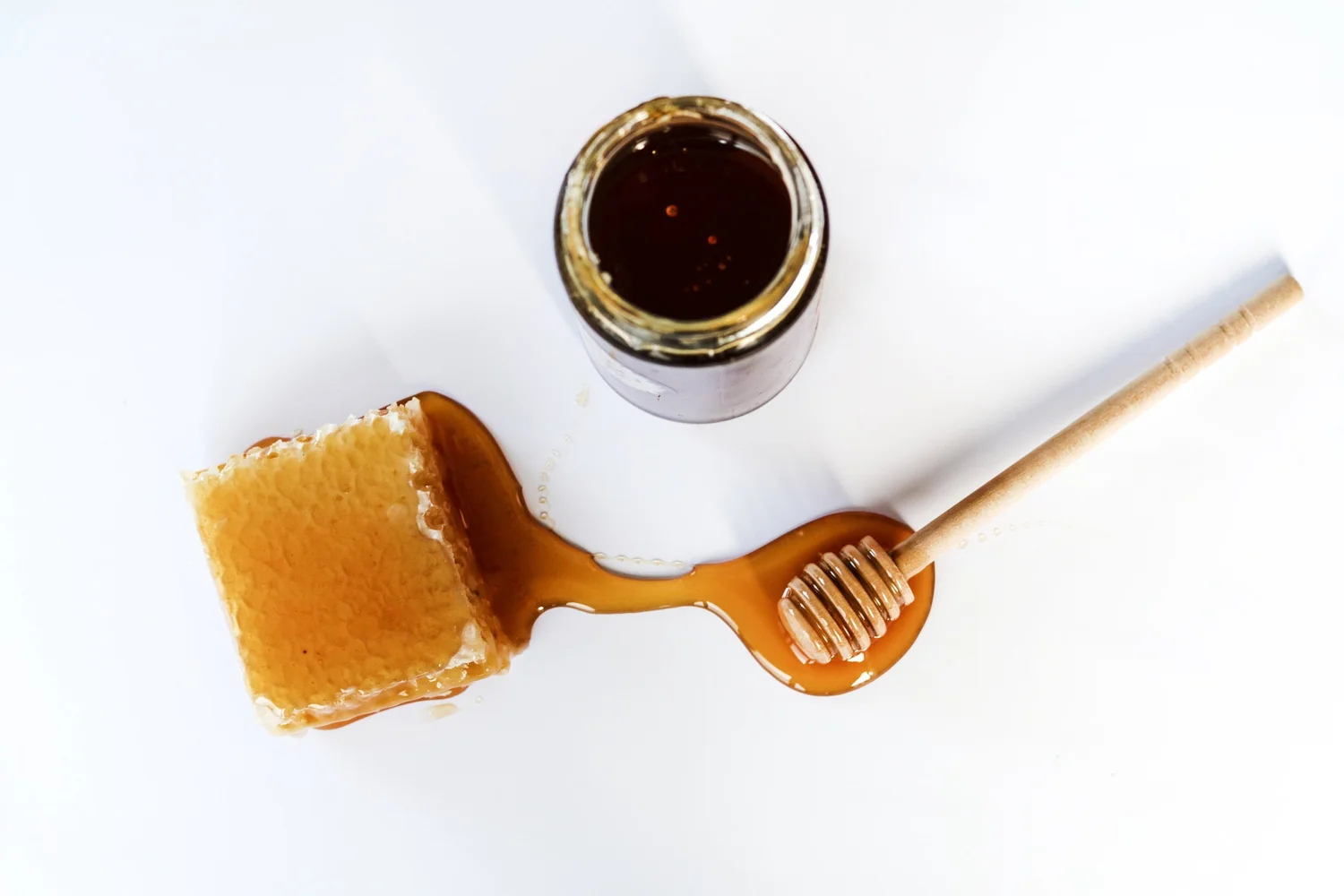
Mead is one of the oldest alcoholic drinks known to humanity. Made from fermented honey and water, it offers a unique taste. Understanding the basics of mead helps you appreciate its flavors and how to store it properly.
What Is Mead
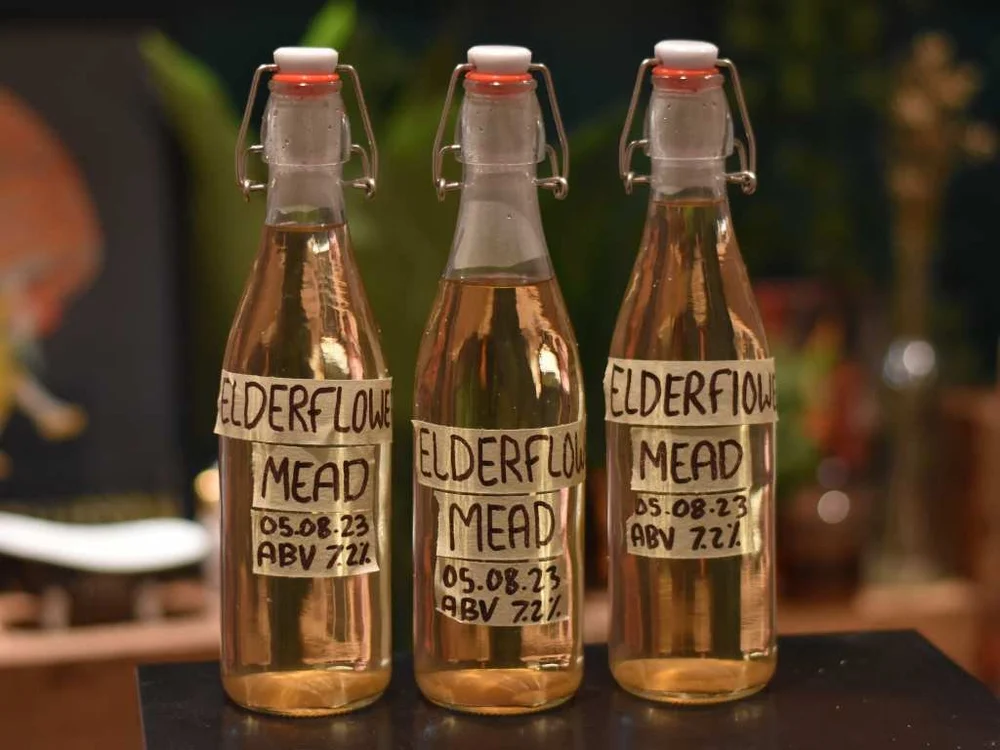
Mead is an alcoholic beverage created by fermenting honey with water. Sometimes, fruits, spices, grains, or hops are added for extra flavor. It can range from dry to sweet, and from still to sparkling. The alcohol content varies but generally falls between 5% and 20%.
Types Of Mead
Mead comes in many varieties. Here are common types:
- Traditional Mead:Made only with honey, water, and yeast.
- Melomel:Includes fruits like berries or apples.
- Metheglin:Flavored with spices or herbs.
- Cyser:Made with apple juice or cider.
- Pyment:Contains grape juice or wine grapes.
Shelf Stability Of Mead
Understanding the shelf stability of mead is key to knowing whether you should refrigerate it or not. Mead, a honey-based alcoholic drink, can vary widely in how long it stays fresh depending on its makeup. Let’s look at what factors affect its preservation and storage.
Alcohol Content And Preservation
Alcohol acts as a natural preservative. The higher the alcohol content in your mead, the longer it generally lasts without refrigeration. Most commercial meads have alcohol levels between 8% and 14%, which helps prevent spoilage.
However, if you have a lower-alcohol mead or one that’s homemade, it might not keep as well. Think about how wine behaves—you don’t usually refrigerate red wine, but white wine and rosé benefit from cooler storage.
Do you know the alcohol level of your mead? This detail can guide your storage decisions and help you avoid wasting a good bottle.
Impact Of Sweetness On Storage
Sweetness also plays a big role in how mead should be stored. Sweeter meads contain more residual sugars, which can feed bacteria and yeast if the conditions are right. This means sweeter meads might spoil faster if left unrefrigerated.
Dry meads, with less sugar, tend to be more shelf-stable. But if you’ve got a rich, honey-sweet mead, refrigeration can slow down any unwanted fermentation or spoilage.
Have you ever noticed changes in taste or fizz in a sweet mead after a few weeks? That’s a sign your mead might need cooler storage to keep its flavor intact.
When To Refrigerate Mead
Knowing when to refrigerate mead helps keep its flavor fresh. Mead is a delicate drink, and storing it correctly matters. Different types and conditions mean different storage needs. Understanding these helps you enjoy every sip at its best.
Opened Bottles
Once opened, mead should be refrigerated. Air causes mead to lose taste quickly. Refrigeration slows down this process and keeps mead fresh. Use a tight stopper or cork to seal the bottle well. Drink opened mead within one to two weeks for best taste.
Unopened Bottles
Unopened mead usually does not need refrigeration. Store it in a cool, dark place away from sunlight. Room temperature between 50-70°F (10-21°C) is ideal. Avoid places with temperature changes or heat sources. Some meads improve with age, so proper storage matters.
Sparkling Vs. Still Mead
Sparkling mead often benefits from refrigeration, even unopened. Cold keeps bubbles fresh and prevents pressure build-up. Still mead is less sensitive but still lasts longer when cool. Refrigerate sparkling mead before serving for the best experience. Store still mead like unopened bottles unless opened.
Proper Storage Conditions
Proper storage conditions keep mead fresh and tasty for a long time. Mead is sensitive to heat, light, and moisture. Storing it correctly protects its flavor and quality. You need to control temperature, light exposure, humidity, and bottle position. These factors prevent spoilage and help mead age well.
Ideal Temperature Range
Mead stays best at cool, stable temperatures. Aim for 45°F to 55°F (7°C to 13°C). Avoid heat spikes or freezing temperatures. Warmth can cause fermentation to restart or spoil the mead. Cold keeps flavors balanced and prevents oxidation. Keep mead away from heaters or direct sunlight.
Light Exposure
Light breaks down mead’s delicate compounds. Dark glass bottles help block light damage. Store mead in a dark place like a cellar or cupboard. Avoid clear bottles in bright areas. UV rays cause off-flavors and color changes. Wrap bottles in cloth or paper if needed.
Humidity And Positioning
Humidity around 50-70% protects corks and labels. Too dry air dries out corks, letting air in. Too much moisture causes mold or label damage. Store bottles horizontally to keep corks moist. This prevents air from entering and spoiling mead. If screw caps are used, position is less important.
Effects Of Refrigeration
Refrigeration affects mead in several ways. It slows down chemical reactions that can change the drink’s quality. Keeping mead cold helps maintain its freshness for longer periods. Still, refrigeration can also have some drawbacks. Understanding these effects helps in choosing the best storage method.
Flavor And Aroma Preservation
Cold temperatures slow the aging process in mead. This helps keep the original flavors and aromas intact. Refrigeration reduces the risk of spoilage caused by bacteria or yeast. It also prevents oxidation, which can dull taste and smell. Drinking chilled mead often reveals clearer and sharper notes.
Potential Downsides
Refrigeration might mute some subtle flavors in mead. Prolonged cold storage can cause cloudiness or sediment to form. Rapid temperature changes may stress the bottle and affect quality. Some meads develop a flat taste if kept too cold for long. Balancing refrigeration time is key to enjoying mead fully.
Long-term Storage Tips
Proper storage extends mead’s shelf life and maintains its quality. Long-term care keeps flavors fresh and prevents spoilage. It requires attention to temperature, light, and air exposure. Follow these tips to enjoy mead at its best over time.
Cellaring Mead
Store mead in a cool, dark place away from sunlight. Ideal temperature is between 50°F and 60°F (10°C to 15°C). Avoid areas with temperature swings like near ovens or windows. Keep bottles standing upright to limit cork drying. A wine cellar or dedicated storage box works well.
Avoiding Oxidation
Oxidation harms mead by causing off-flavors and color changes. Keep bottles sealed tightly to stop air from entering. Use vacuum stoppers or inert gas sprays if bottles are opened. Minimize shaking or movement to reduce oxygen contact. Check corks regularly for dryness or cracks and replace if needed.
Serving Mead
Serving mead correctly enhances its natural flavors and aromas. Temperature plays a big role in how mead tastes. Too warm or too cold can mask its delicate notes. Proper chilling brings out the best in this ancient drink. Knowing the right temperature and how to chill mead helps you enjoy every sip.
Recommended Serving Temperature
Mead is best served cool, but not ice cold. The ideal temperature usually falls between 45°F and 55°F (7°C to 13°C). Lighter, sweeter meads taste great closer to 45°F. Fuller, stronger meads feel better near 55°F. Serving mead too warm can make it taste overly sweet or alcoholic. Too cold, and the flavors become dull.
Chilling Methods
- Place the bottle in the refrigerator for about 2 hours before serving.
- Use an ice bucket filled with ice and water for quicker chilling.
- Wrap the bottle in a damp cloth and place it in the freezer for 20-30 minutes.
- Keep the mead in a wine cooler set to the right temperature for longer storage.
Always check the temperature before pouring. Avoid freezing the mead as it can change the taste and texture. Gentle chilling preserves the drink’s smoothness and subtle flavors.
Credit: www.smartblend.co.uk
Credit: www.smartblend.co.uk
Frequently Asked Questions
Should Mead Be Refrigerated After Opening?
Yes, refrigerating mead after opening is recommended. This helps preserve its flavor and freshness. Once opened, mead can oxidize, altering its taste. Storing it in the fridge slows this process down. Always ensure the bottle is tightly sealed before refrigerating to maintain its quality.
Can Unrefrigerated Mead Spoil?
Unrefrigerated mead can spoil if left open. Although it has a long shelf life, exposure to air can cause oxidation. This can lead to changes in flavor and aroma. For best results, store unopened mead in a cool, dark place.
Once opened, refrigerate to extend its freshness.
How Long Does Mead Last Unrefrigerated?
Unopened mead can last years without refrigeration. However, once opened, it’s best consumed within a few weeks. Air exposure can degrade its quality. Refrigeration helps maintain its flavor and aroma after opening. If properly stored, mead can be enjoyed over a longer period.
Does Refrigeration Affect Mead Flavor?
Refrigeration preserves mead’s flavor by slowing oxidation. Once opened, mead is prone to oxidation, altering its taste. Refrigeration helps maintain its original flavor and aroma longer. Ensure the bottle is sealed tightly before refrigerating. This prevents contamination and preserves the mead’s quality.
Conclusion
Storing mead properly keeps its taste fresh and smooth. Many people choose to refrigerate mead after opening. Cold temperatures slow down changes in flavor and quality. Unopened bottles can stay in a cool, dark place. Always check the mead’s label for storage advice.
Enjoy your mead at the right temperature for best flavor. Simple care helps your mead last longer and taste better. Remember, good storage makes every sip enjoyable.