Are you wondering if your refrigerator needs a special outlet to work properly? It’s a question many people overlook, but using the right outlet can make a big difference in your fridge’s performance and safety.
Imagine avoiding unexpected breakdowns or electrical issues just by knowing this simple fact. Keep reading to discover what kind of outlet your refrigerator truly needs—and how making the right choice can save you money and stress in the long run.

Credit: www.amazon.ca
Power Requirements For Refrigerators
Understanding the power needs of a refrigerator is important for safe and efficient operation. Refrigerators require a stable power source to keep food fresh and appliances working well. Knowing these requirements helps avoid electrical problems and ensures the appliance runs smoothly.
Standard Voltage And Amperage
Most refrigerators in homes use a standard voltage of 120 volts. This is the usual power supply found in household outlets. The amperage, or current, needed varies by model but is often between 3 and 6 amps. This level supports the compressor and other electrical parts without overloading the circuit.
Some larger or commercial refrigerators may need higher voltage or amperage. These models might require special wiring or outlets to handle their power demands safely. Checking the appliance label or manual provides exact voltage and amperage details.
How Refrigerators Use Electricity
Refrigerators use electricity mainly to power the compressor. The compressor keeps the interior cold by cycling refrigerant through the system. Other parts, like lights and fans, also consume electricity but less than the compressor.
The compressor does not run all the time. It switches on and off to maintain the set temperature. This cycling reduces overall power use but can cause brief spikes in electricity demand when starting up. Proper outlets and circuits help manage these power needs safely.
Types Of Electrical Outlets
Understanding the types of electrical outlets is key when deciding if your refrigerator needs a special one. Different outlets serve different power needs, and knowing these can help you avoid electrical issues or appliance damage. Let’s look at the most common types you might encounter in your home.
Common Household Outlets
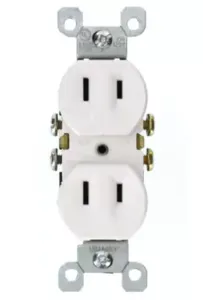
Most refrigerators plug into a standard 120-volt household outlet. These outlets typically have two vertical slots and a round grounding hole. They are designed for general use and can handle many kitchen appliances.
However, not all outlets are created equal. Some older homes might have outlets without a grounding hole, which can be unsafe for modern refrigerators. It’s worth checking if your outlet has proper grounding to protect your appliance and your home.
Have you ever noticed your fridge tripping the circuit breaker? Sometimes, the outlet may share a circuit with other devices, causing overloads. This is a clue that your outlet setup might not be ideal for your refrigerator.
Dedicated Circuits For Appliances
Many refrigerators require a dedicated circuit, meaning the outlet is connected to its own circuit breaker. This setup ensures your fridge has a consistent power supply without interference from other appliances.
A dedicated circuit helps prevent power surges and breaker trips, which can harm your fridge’s compressor. Electricians often recommend a 15 or 20-amp circuit specifically for refrigerators.
If you’re moving your fridge or upgrading it, consider installing a dedicated outlet. It might seem like extra work, but it can save you from costly repairs and food spoilage down the line.
Benefits Of Special Outlets
Special outlets for refrigerators offer key benefits that protect your home and appliance. They provide a safer power supply tailored to your refrigerator’s needs. This section explains how these outlets help prevent electrical issues and improve your fridge’s performance.
Preventing Overloads And Trips
Special outlets reduce the risk of electrical overloads. They supply the right voltage and current for refrigerators. This prevents circuit breakers from tripping often. Avoiding frequent trips keeps your kitchen running smoothly. It also stops sudden power loss that can spoil food.
These outlets often have dedicated circuits. This means no other appliances share the power line. Sharing can cause overloads and increase the chance of outages. Dedicated circuits keep the refrigerator running safely and steadily.
Enhancing Appliance Longevity
Using special outlets helps extend your refrigerator’s life. Consistent and correct power reduces wear on internal parts. Sudden power surges or drops can damage the compressor and electronics. Special outlets minimize these risks and keep the fridge healthy.
Stable power supply improves energy efficiency. Your refrigerator works less hard, using less electricity. This lowers utility bills and reduces the need for repairs. Investing in a proper outlet protects your appliance and saves money over time.

Credit: www.esfi.org
Installation Tips For Refrigerator Outlets
Proper installation of refrigerator outlets ensures safety and efficiency. It helps the appliance run smoothly and prevents electrical issues. Careful planning and execution are essential for best results.
Choosing The Right Location
Place the outlet close to the refrigerator’s power cord. This reduces strain on the cord and prevents damage. Avoid spots behind the fridge that are hard to reach. The outlet should be easily accessible for maintenance or emergencies.
Make sure the outlet is near a grounded circuit. This protects against electrical shocks and power surges. Avoid placing outlets where water or moisture collects. Keep the area dry to prevent electrical hazards.
Hiring A Qualified Electrician
Always hire a licensed electrician for outlet installation. They understand local electrical codes and safety standards. Professionals ensure the wiring matches the refrigerator’s power needs. Incorrect wiring can cause short circuits or fires.
An expert can install a dedicated circuit if needed. This prevents overload and keeps the fridge running reliably. They also test the outlet after installation to confirm safety. Trusting a qualified electrician reduces risks and saves money long-term.
Safety Considerations
Safety is a top priority when installing refrigerators. Using the right outlet protects your home and appliance from electrical problems. Incorrect outlets can cause shocks, fires, or damage to the refrigerator. Understanding safety features helps prevent accidents and costly repairs.
Ground Fault Circuit Interrupters (gfci)
GFCI outlets detect electrical faults quickly. They cut power if there is a ground fault. This prevents shocks and fires in wet or damp areas. Bathrooms and kitchens often use GFCI for extra safety. However, refrigerators may trip GFCI outlets unexpectedly. This can cause the fridge to lose power and spoil food. Check local codes and appliance instructions before using GFCI with refrigerators.
Avoiding Extension Cords And Adapters
Extension cords and adapters increase risks with refrigerators. They can overheat or fail under heavy load. This may lead to electrical fires or power loss. Refrigerators need a direct connection to a properly rated outlet. Using the correct outlet ensures stable power and safe operation. Keep cords short and avoid daisy-chaining multiple adapters or extensions.
Credit: www.premium-electric.ca
Troubleshooting Common Electrical Issues
Troubleshooting common electrical issues with your refrigerator can save you from costly repairs and food spoilage. Understanding the root causes of electrical problems helps you act quickly and keep your appliance running smoothly. Let’s look at two frequent issues you might encounter and how to address them effectively.
Frequent Circuit Breaker Trips
If your refrigerator keeps tripping the circuit breaker, it’s more than just an annoyance. This often indicates that your appliance is drawing more power than the outlet or circuit can handle. Have you checked if other high-power devices share the same circuit? Overloading a circuit is a common cause of these trips.
Sometimes, a faulty compressor or a short circuit inside the fridge wiring can cause sudden power surges, leading to breaker trips. You can try plugging the fridge into a dedicated outlet to see if the problem persists. If the breaker still trips, it’s wise to have an electrician inspect your refrigerator’s internal wiring and the electrical panel.
Power Surges And Their Effects
Power surges can silently damage your refrigerator’s electronics over time, reducing its lifespan. These sudden spikes in voltage may come from lightning strikes, faulty wiring, or even large appliances kicking on and off in your home.
Surges can cause your fridge’s control board, sensors, or compressor to malfunction. To protect your appliance, consider installing a surge protector specifically designed for refrigerators. Have you noticed your fridge acting strangely after a storm or power outage? This might be a sign that a surge has already affected it.
Regularly inspecting your electrical connections and using surge protection can keep your fridge safe and functional. Don’t ignore subtle issues—they can escalate quickly and lead to expensive repairs.
Energy Efficiency And Outlet Choices
Choosing the right outlet for your refrigerator affects more than just convenience—it can influence your energy efficiency. Not all outlets are created equal when it comes to handling the power demands and monitoring capabilities of modern refrigerators. Understanding how outlet choices impact energy use can help you save on electricity bills and reduce your environmental footprint.
Smart Outlets And Energy Monitoring
Smart outlets offer more than just remote control; they provide real-time energy monitoring. By plugging your refrigerator into a smart outlet, you can track how much power it consumes throughout the day. This insight helps you spot unusual spikes that might indicate a problem, like a failing compressor or door seal.
Imagine catching energy waste early and fixing it before it leads to higher bills. Smart outlets often allow scheduling too, so you could power down your fridge during long absences without unplugging it. These features give you control over your energy use without sacrificing convenience.
Impact On Power Consumption
The type of outlet and its wiring can affect your refrigerator’s power consumption. A dedicated circuit outlet ensures stable voltage and reduces the risk of overloads that make your fridge work harder. If your outlet shares a circuit with heavy appliances, fluctuating power can increase energy use and wear out your fridge faster.
Are you aware if your refrigerator has a dedicated outlet? If not, consider consulting an electrician to assess your setup. Proper outlet choice not only protects your appliance but can also improve its energy efficiency, saving you money in the long run.
Frequently Asked Questions
Do Refrigerators Require A Dedicated Outlet?
Yes, most refrigerators require a dedicated outlet. This ensures they receive enough power to operate efficiently. Dedicated outlets prevent circuit overloads. It’s crucial for safety and performance.
Can A Refrigerator Share An Outlet With Other Appliances?
No, it’s not recommended for a refrigerator to share an outlet. Sharing can lead to circuit overloads. This might cause tripped breakers. Always use a dedicated outlet for refrigerators.
What Type Of Outlet Do Modern Refrigerators Need?
Modern refrigerators typically need a 120-volt, three-prong outlet. This is standard in most homes. Ensuring the outlet matches these specifications is essential. It helps in efficient and safe operation.
Are Gfci Outlets Necessary For Refrigerators?
GFCI outlets are not necessary for refrigerators. They might cause nuisance tripping. This can disrupt the refrigerator’s operation. Standard outlets are usually sufficient and recommended.
Conclusion
Refrigerators usually need a dedicated outlet for safety and efficiency. Using the right outlet prevents electrical problems and keeps your appliance running well. Avoid sharing the outlet with other heavy devices. Proper wiring helps avoid power surges and damage. Always check your refrigerator’s power needs before installation.
Simple steps protect your fridge and your home. This small effort saves you from costly repairs later. Keeping your refrigerator on the correct outlet is smart and safe.