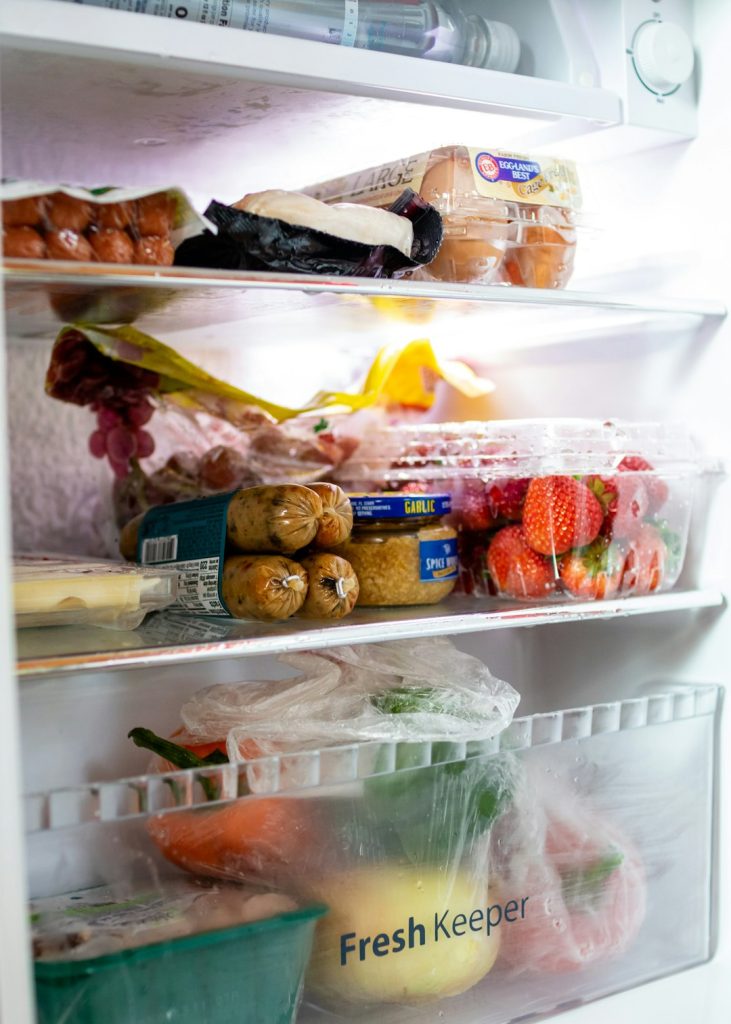
Are you wondering if you need to refrigerate beef tallow to keep it fresh and safe? You’re not alone.
Many people are unsure how to store this versatile cooking fat properly. The way you store beef tallow can affect its taste, texture, and how long it lasts. Keep reading to discover simple tips that will help you get the most out of your beef tallow without wasting any of it.
By the end, you’ll know exactly what to do to keep your tallow fresh and ready to use whenever you need it.
Beef Tallow Basics
Understanding the basics of beef tallow helps you use it safely and effectively in your kitchen. This traditional cooking fat has been used for centuries and is known for its rich flavor and high smoke point. Knowing what beef tallow is and its common uses will guide you in storing and handling it properly.
What Is Beef Tallow
Beef tallow is rendered fat from beef. It comes from the fatty tissue around cows. This fat is cooked slowly to remove moisture and impurities. The result is a solid fat that looks like white or pale yellow wax. Beef tallow is stable at room temperature but can last longer if refrigerated. It has a mild beef flavor and smooth texture.
Common Uses In Cooking
Beef tallow is popular in many traditional recipes. It is excellent for frying because it withstands high heat without burning. People use it to make crispy fries, roast vegetables, and sear meats. It also adds flavor to baked goods like pie crusts and biscuits. Some use beef tallow for sautéing or as a base for sauces. Its versatility makes it a valuable fat in the kitchen.

Credit: www.gianteagle.com
Storage Options
Knowing the best way to store beef tallow can save you time and keep your kitchen running smoothly. Storage options vary based on how quickly you plan to use the tallow and the space you have available. Let’s look at practical ways to keep your beef tallow fresh and ready for cooking.
Room Temperature Storage
You can store beef tallow at room temperature if you plan to use it within a few weeks. Keep it in a clean, airtight container to prevent exposure to air and moisture. A cool, dark pantry spot works well, but avoid places with fluctuating temperatures like near the stove or windows.
Have you noticed how some fats develop an off smell when left out too long? That’s a sign they’ve gone bad. So, if you see changes in color or smell, it’s time to toss it.
Refrigeration Benefits
Refrigerating beef tallow extends its shelf life to several months by slowing down oxidation and bacterial growth. Store it in a sealed jar or container to avoid absorbing fridge odors. The cooler temperature also keeps the tallow solid, which can be easier for measuring and scooping.
I once left a jar of tallow in the fridge and found it stayed fresh for over six months without any changes in taste or texture. If you don’t use tallow often, refrigeration might be your best bet.
Freezing Beef Tallow
Freezing is the longest-term storage option, preserving beef tallow for up to a year or more. Portion your tallow into small containers or freezer bags to thaw only what you need. Label your containers with the date so you can keep track of freshness.
Think about how much tallow you use monthly. Freezing in small batches prevents waste and keeps your cooking efficient. Just remember to bring frozen tallow to room temperature before use for easy handling.
Shelf Life Factors
Understanding the factors that affect the shelf life of beef tallow is key to keeping it fresh and usable for longer. Several elements play a role in how long your tallow lasts, and paying attention to these can help you avoid spoilage. Let’s break down the main influences so you can make the best storage decisions for your kitchen.
Impact Of Temperature
Temperature directly affects how quickly beef tallow degrades. At room temperature, tallow can remain stable for several months, but heat speeds up the breakdown of fats, leading to rancidity.
If your kitchen tends to get warm, refrigeration can slow this process significantly. Even a cool pantry spot helps maintain freshness longer than a sunny countertop.
Effect Of Light Exposure
Light exposure causes oxidation, which deteriorates beef tallow’s quality over time. Clear containers or direct sunlight accelerate this damage, resulting in off-flavors and odors.
Storing tallow in a dark place or using opaque containers shields it from harmful light. Have you noticed how oils stored near a window go bad faster? That’s the effect of light at work.
Container Choices
The type of container you use impacts tallow’s shelf life too. Airtight containers prevent moisture and air from spoiling the fat, while loose lids invite contamination.
Glass jars with tight seals are ideal because they don’t react with the fat and keep out unwanted elements. Plastic containers might absorb odors or allow air in, so choose wisely for longer-lasting tallow.

Credit: www.gianteagle.com
Signs Of Spoilage
Recognizing signs of spoilage in beef tallow is vital for safe use. Spoiled tallow can affect taste and may cause illness. Knowing what to watch for helps prevent problems. Pay attention to changes in appearance, smell, and texture. These clues reveal if the tallow is no longer good.
Visual Changes
Fresh beef tallow looks creamy white or pale yellow. Spoiled tallow may turn darker or develop spots. Mold growth appears as green, black, or white patches. Cloudiness or separation can also signal spoilage. Clear, uniform tallow usually means it is still safe.
Smell And Texture
Good beef tallow has a mild, neutral smell. A sour, rancid, or strong odor suggests it has gone bad. The texture should be smooth and firm at room temperature. If it feels sticky, slimy, or unusually hard, spoilage may have occurred. Trust your nose and touch.
When To Discard
- Appearance changes significantly from fresh tallow
- Strong, unpleasant odor develops
- Texture becomes sticky, slimy, or overly hard
- Mold or discoloration is visible
- Stored beyond recommended time limits
Discard tallow immediately if any signs appear. Using spoiled tallow can harm your health. Always store tallow properly to extend its shelf life.
Tips For Safe Handling
Handling beef tallow safely is key to preserving its quality and preventing any unwanted spoilage. Simple habits can make a big difference in keeping your tallow fresh and safe to use. Let’s look at some practical tips that you can apply easily in your kitchen.
Avoiding Contamination
Always use clean utensils when dealing with beef tallow. Avoid dipping fingers or dirty spoons into the container to prevent bacteria from entering. Contamination can quickly spoil your tallow, making it unsafe to use.
Think about how often you touch containers in your kitchen. Could you switch to a dedicated scoop or spoon just for your tallow? This small change can protect your tallow from germs and keep it fresh longer.
Proper Scooping Techniques
Use a dry, clean spoon or scoop each time you take some tallow. Wet or dirty utensils introduce moisture, which speeds up spoilage. Scoop out only what you need to avoid exposing the entire batch to air repeatedly.
Try to minimize how long the container stays open. The less air and moisture exposure, the better. Do you notice your tallow getting cloudy or smelling off? That’s often a sign of improper handling.
Labeling And Dating
Label your tallow container with the date you rendered or purchased it. This helps you keep track of how long it’s been stored. Beef tallow can last a long time, but it’s best to use it within a few months for peak freshness.
Have you ever forgotten how old a batch was and wondered if it’s still good? Clear labeling removes that guesswork and reduces waste. Make it a habit to add the date right after handling or transferring your tallow.

Credit: skintypesolutions.com
Frequently Asked Questions
Is Refrigeration Necessary For Beef Tallow?
Refrigeration is not strictly necessary for beef tallow. It can be stored at room temperature if kept in an airtight container. However, refrigeration can extend its shelf life and maintain freshness, especially in warmer climates. Always ensure it’s stored in a cool, dark place to prevent spoilage.
How Long Does Beef Tallow Last Unrefrigerated?
Beef tallow can last several months unrefrigerated. Its natural stability allows it to resist spoilage. However, storing it in a cool, dark environment is crucial. If stored improperly, its quality might degrade faster. For longer shelf life, consider refrigerating or freezing it.
What Is The Best Way To Store Beef Tallow?
The best way to store beef tallow is in a cool, dark place. Use an airtight container to prevent exposure to air and light. This will help maintain its quality. For extended freshness, consider refrigerating it, especially during warmer months or in humid environments.
Does Beef Tallow Spoil If Not Refrigerated?
Beef tallow can eventually spoil if not stored properly. Its high saturated fat content gives it a longer shelf life. However, exposure to heat and light can degrade its quality. Always store it in an airtight container in a cool, dark place to maximize its longevity.
Conclusion
Beef tallow lasts long without refrigeration if stored right. Keep it in a cool, dark place to avoid spoilage. Refrigeration helps extend its shelf life, especially in warm climates. Always use clean utensils to prevent contamination. Trust your senses—check for strange smells or colors.
Proper care keeps beef tallow fresh and safe for cooking. Store smart, and enjoy its rich flavor anytime. Simple steps make all the difference.