Are you wondering if your stool sample needs to be refrigerated before you take it to the lab? You might think it’s just a simple task, but how you handle your sample can affect the test results.
Getting this right is important for your health and peace of mind. You’ll learn exactly when and why refrigeration matters, and what steps you should follow to keep your sample fresh and reliable. Keep reading to make sure you don’t accidentally spoil the results and get the answers you need.
Credit: www.mlo-online.com
Why Stool Sample Handling Matters
Proper stool sample handling is crucial for accurate medical testing. The way you store and transport the sample affects the test results. Incorrect handling can lead to false negatives or positives. This impacts diagnosis and treatment plans.
Keeping the stool sample in the right condition preserves the bacteria and other elements. This ensures the lab can analyze it correctly. Understanding why stool sample handling matters helps you follow instructions carefully.
Impact On Test Accuracy
Stool samples contain live bacteria and cells. These can break down or multiply quickly at room temperature. Without proper storage, the sample changes before testing. This can cause inaccurate results.
Tests for infections or parasites need fresh samples. Delays or poor handling can hide infections. Refrigeration slows down bacteria growth and preserves the sample’s original state. This helps labs provide reliable results.
Common Contaminants
Contaminants like urine, water, or dirt can spoil the stool sample. These impurities affect the test outcome. Contaminants may kill bacteria or change chemical balance in the sample.
Using a clean container and avoiding contact with other substances is essential. Refrigeration also reduces contamination risks by slowing down unwanted bacterial growth. Proper handling keeps the sample pure for testing.
When To Refrigerate Stool Samples
Knowing exactly when to refrigerate a stool sample can save you from inaccurate test results and unnecessary retesting. The timing depends on how soon you can get the sample to the lab and the kind of test your doctor ordered. Handling your sample correctly ensures that the bacteria or substances being tested stay stable and reliable.
Timeframe Before Delivery
If you can deliver the stool sample to the lab within two hours, refrigeration usually isn’t necessary. Many labs prefer fresh samples to get the most accurate results.
However, if you expect a delay longer than two hours before delivery, refrigeration becomes important. It slows down bacterial growth and prevents changes in the sample’s composition.
Ask yourself: how long will it take for your sample to reach the lab? If you’re unsure or expect delays, refrigerate the sample immediately after collection.
Types Of Tests Requiring Refrigeration
Not all stool tests have the same storage needs. Some tests require refrigeration to keep the sample stable, while others do not.
- Bacterial culture tests:These often need refrigeration if the sample can’t be delivered quickly.
- Parasitology exams:Refrigeration helps preserve parasites for accurate identification.
- Occult blood tests:Usually do not require refrigeration and should be kept at room temperature.
- Fat analysis:May require refrigeration to prevent breakdown of fat content.
Check with your healthcare provider or lab about the specific test you’re taking. This way, you avoid guesswork and make sure your results reflect your true health condition.
How To Store Stool Samples Safely
Storing stool samples safely helps keep them accurate for testing. Correct storage stops changes in the sample that might affect results. Understanding how to handle and store samples is important for clear health insights.
Proper Containers
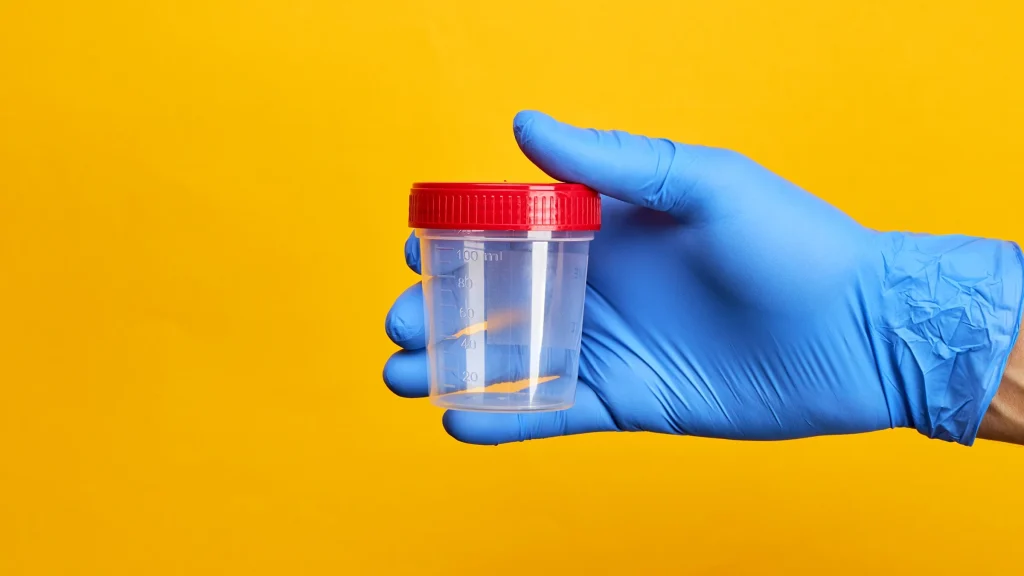
Use clean, leak-proof containers made for stool samples. Containers should have tight-fitting lids to avoid spills. Avoid using household jars or plastic bags. Label the container clearly with your name and date. This helps prevent mix-ups at the lab.
Temperature Guidelines
Most stool samples must be kept cool but not frozen. Store samples in a refrigerator at about 2-8°C (36-46°F). Avoid leaving samples at room temperature for long periods. Some tests require immediate delivery to the lab, so check instructions. Proper temperature keeps bacteria and enzymes stable for accurate testing.

Credit: www.mayocliniclabs.com
What Happens If Samples Aren’t Refrigerated
Failing to refrigerate stool samples can cause significant issues that affect the accuracy of test results. Your sample’s condition changes quickly at room temperature, which can mislead healthcare providers. Understanding these changes helps you see why refrigeration matters.
Effects On Bacterial Growth
Bacteria in stool samples multiply rapidly if not kept cold. This can lead to an overgrowth of some bacteria, while others may die off. Such changes distort the original balance of microorganisms in your sample.
Imagine sending a sample that has been left out all day. The bacterial composition might no longer reflect your actual gut health. This can cause confusion when doctors try to identify infections or other issues.
Possible Test Errors
Without refrigeration, tests may show false positives or negatives. This means your results could indicate an infection that isn’t there or miss one that is present. These errors can delay proper diagnosis and treatment.
Have you ever wondered why labs stress cold storage? It’s because even a few hours at room temperature can compromise the test’s reliability. Protecting your sample by refrigerating it ensures that the lab gets an accurate picture of your health.
Tips For Collecting Stool Samples
Collecting a stool sample requires care to ensure accurate test results. Follow simple tips to handle the sample properly. Cleanliness and avoiding contamination are key. Proper collection helps healthcare providers diagnose health issues.
Hygiene Practices
- Wash hands thoroughly before and after collection.
- Use clean, disposable gloves if possible.
- Collect the sample in a sterile container provided by your doctor.
- Avoid touching the inside of the container or lid.
- Clean the area around the anus with mild soap and water before collection.
Avoiding Cross-contamination
- Do not let urine or water mix with the stool sample.
- Use a clean surface or collection paper to catch the stool.
- Seal the container tightly after collection to prevent leaks.
- Label the container with your name, date, and time of collection.
- Store the sample as instructed by your healthcare provider, usually refrigerated if delay occurs.
Consulting Your Healthcare Provider
Consulting your healthcare provider is a crucial step when handling stool samples. They offer the best advice on whether your sample needs refrigeration or special care. Ignoring their guidance can affect test results and delay diagnosis.
Following Lab Instructions
Your healthcare provider will usually give you specific instructions from the lab. These instructions might include how to collect the sample, the container to use, and whether to refrigerate it. Following these details exactly ensures your sample stays in good condition for accurate testing.
Sometimes, labs require the sample to be kept at room temperature for a few hours, while others ask for immediate refrigeration. Do you know what happens if you mix up these steps? It can lead to bacterial growth or sample degradation, which can skew your test results.
When To Seek Clarification
If any part of the instructions is unclear, don’t hesitate to ask your healthcare provider. Questions about timing, storage temperature, or how to transport the sample are important. It’s better to clarify than risk collecting a faulty sample.
Imagine you collected a sample but forgot whether to refrigerate it. Calling your provider could save you a repeat test and extra hassle. Have you ever been unsure about medical instructions? Taking a moment to ask can save time and stress in the long run.

Credit: www.mayocliniclabs.com
Frequently Asked Questions
Does A Stool Sample Need Refrigeration Immediately?
Yes, a stool sample should be refrigerated immediately after collection. This helps preserve its integrity for accurate testing. Refrigeration slows down bacterial growth and keeps the sample viable. Always follow any specific instructions provided by your healthcare provider.
How Long Can A Stool Sample Stay Unrefrigerated?
A stool sample should not stay unrefrigerated for more than 2 hours. Beyond this period, the sample may degrade. Degradation can affect test results. Always refrigerate the sample promptly and deliver it to the lab as soon as possible.
What Happens If A Stool Sample Is Not Refrigerated?
If a stool sample is not refrigerated, it may become contaminated. This can lead to inaccurate test results. Bacterial growth can occur at room temperature. Always store the sample properly to ensure reliable analysis.
Can Refrigeration Affect Stool Sample Results?
Proper refrigeration does not affect stool sample results negatively. In fact, it preserves the sample’s integrity. It prevents contamination and degradation. Always ensure the sample is sealed tightly before refrigeration.
Conclusion
Stool samples often need refrigeration to keep them fresh. This helps doctors get accurate test results. Always follow the instructions from your healthcare provider. Storing the sample properly prevents bacteria from growing. Quick delivery to the lab is important too.
Remember, a well-preserved sample gives the best health information. Keep it cool, keep it safe. This small step can make a big difference in diagnosis. Simple care matters for reliable results.