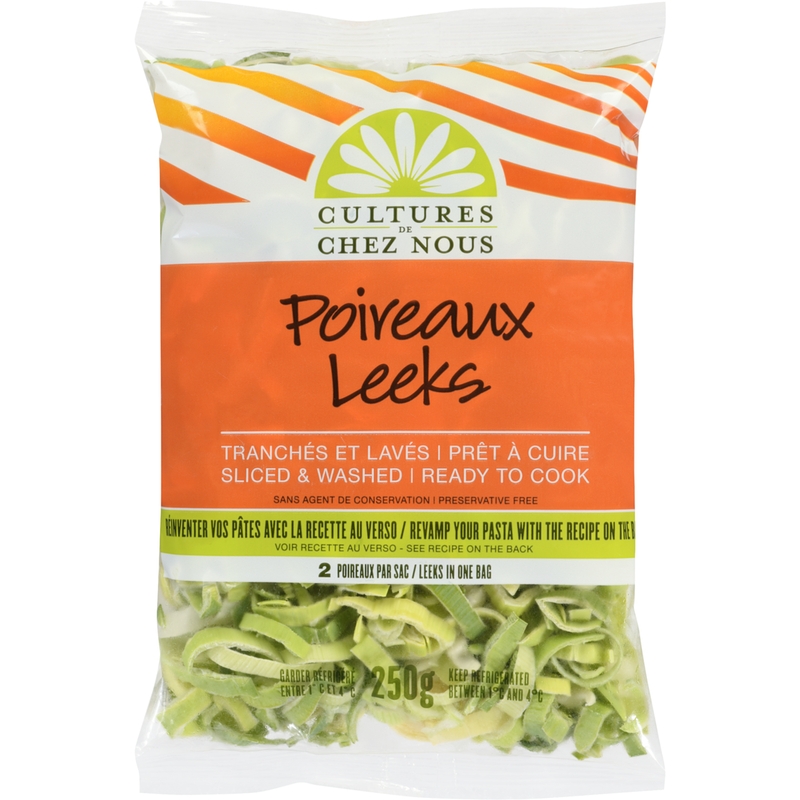
Are you wondering if leeks need to be refrigerated to stay fresh? You’re not alone.
Keeping your vegetables fresh can be tricky, and leeks are no exception. If you’ve ever bought leeks and weren’t sure how to store them, this article is for you. By the end, you’ll know exactly how to keep your leeks crisp and tasty for longer.
Let’s clear up the confusion and help you get the most out of your leeks!
Freshness Factors
Leeks are a tasty and healthy vegetable. Keeping them fresh is important to enjoy their flavor and texture. Freshness depends on several factors, such as storage conditions and how long they have been stored. Understanding these factors helps keep leeks crisp and flavorful for meals.
How Leeks Age
Leeks start to lose moisture soon after harvest. They become limp and soft over time. The green tops dry out and turn brown. The white parts may become slimy if left too long. Age affects both taste and texture, making leeks less enjoyable to eat.
Cold temperatures slow down aging. Leeks stored in the fridge stay fresh longer. Leaving leeks at room temperature speeds up spoilage. Proper storage can extend their shelf life by several days.
Signs Of Spoilage
Check leeks carefully before use. Look for these signs:
- Soft or mushy texture
- Dark or slimy spots on the white part
- Dry, brown, or shriveled green leaves
- Unpleasant or sour smell
Any of these signs means the leek is no longer fresh. Spoiled leeks may cause stomach upset. Always choose firm and crisp leeks with bright green tops.

Credit: www.numberanalytics.com
Refrigeration Benefits
Refrigerating leeks can make a noticeable difference in how long they stay fresh and tasty. Storing them properly in the fridge helps keep their quality intact, so you get the most out of your purchase. Let’s look at how refrigeration benefits your leeks, focusing on shelf life and preserving their unique flavor and texture.
Extending Shelf Life
Leeks left at room temperature usually last only a few days before wilting or spoiling. Keeping them in the refrigerator slows down the decay process significantly. When stored in a perforated plastic bag or wrapped loosely in a damp cloth inside the fridge, leeks can stay fresh for up to two weeks.
Have you ever bought leeks, only to find them slimy or yellowed a few days later? Refrigeration prevents that by reducing moisture loss and slowing bacterial growth. This means less food waste and more time to enjoy your leeks in various dishes.
Maintaining Flavor And Texture
Leeks have a delicate, mild onion flavor that can fade if they aren’t stored properly. Refrigeration helps lock in those flavors by keeping the vegetable cool and fresh. It also preserves the firm, crunchy texture that makes leeks so enjoyable to cook with.
Think about the last time you used leeks from the fridge—they retained their crispness in soups and sautés better than those left out. By refrigerating, you avoid limp, soggy stalks that don’t add the same punch to your meals. Would you rather toss out limp leeks or have fresh ones ready for your next recipe?
Proper Storage Methods
Proper storage methods keep leeks fresh and tasty for longer. Leeks are delicate vegetables that need the right environment. Storing them correctly prevents spoilage and loss of flavor. These tips help maintain their crispness and nutritional value.
Storing In The Fridge
Leeks last longer when kept in the fridge. The cold temperature slows down decay and keeps them fresh. Place leeks in the vegetable drawer, where it is cool and humid. Avoid storing leeks near fruits like apples, which release gases that cause spoilage.
Using Plastic Bags Or Containers
Use plastic bags or containers to store leeks in the fridge. This keeps them from drying out and protects them from other odors. Leave the bag slightly open to allow air circulation. Avoid sealing the bag tightly, which traps moisture and causes rot.
Avoiding Moisture Build-up
Moisture causes leeks to become slimy and spoil quickly. Pat leeks dry before storing if they are wet. Place a paper towel inside the plastic bag to absorb extra moisture. Check leeks regularly and remove any that show signs of decay.
Alternatives To Refrigeration
Leeks don’t always need to be kept in the fridge. If you want to save fridge space or simply prefer a different storage method, there are practical alternatives. These options can keep your leeks fresh and flavorful while fitting your kitchen setup.
Storing At Room Temperature
You can store leeks at room temperature for a short time, especially if your kitchen isn’t too warm. Keep them in a cool, dry spot away from direct sunlight. Wrapping the roots in a damp paper towel helps maintain moisture without making the leeks soggy.
Remember, room temperature storage works best if you plan to use the leeks within a day or two. Have you ever left vegetables out only to find them wilted? Leeks are no different—they need the right environment to stay crisp.
Root Cellar Or Cool Dark Places
If you have access to a root cellar or a similarly cool, dark, and humid space, this can be an excellent place to store leeks long-term. These conditions slow down the leeks’ natural drying and wilting processes.
Place the leeks upright in a box filled with damp sand or sawdust to keep the roots moist. This method can extend their freshness for several weeks, which is perfect if you buy leeks in bulk or grow your own.
Have you tried keeping your vegetables in a cellar or basement? It might surprise you how well leeks and other root vegetables hold up without refrigeration.
Preparing Leeks Before Storage
Preparing leeks before storing them properly can extend their freshness and flavor. Taking a few moments to clean and dry your leeks makes a big difference in how long they last. Are you sure you’re handling them right to keep their crunch and taste intact?
Trimming And Cleaning
Start by trimming off the root end and the tough dark green tops of the leek. These parts are often fibrous and can affect the texture when cooking. Keep the white and light green sections, which are tender and flavorful.
Leeks trap dirt between their layers, so cleaning is essential. Slice the leek lengthwise, then rinse each layer under cold running water. Another trick is to soak the sliced leeks in a bowl of cold water, allowing dirt to settle at the bottom.
Drying Techniques
After washing, drying your leeks properly prevents moisture buildup that can cause spoilage. Pat them gently with a clean kitchen towel or use a salad spinner to remove excess water.
Make sure your leeks are mostly dry before placing them in storage containers or bags. Moisture can lead to mold and shorten their shelf life. Have you noticed how damp veggies often turn slimy faster? Avoid that by drying well.
Freezing Leeks
Freezing leeks is a smart way to extend their shelf life and keep their flavor ready for your next recipe. It’s a simple process that preserves the texture and taste, so you can enjoy leeks even when they’re out of season. Have you ever had leeks go bad before you could use them? Freezing helps you avoid that waste while keeping your meals fresh.
Blanching Process
Blanching is a key step before freezing leeks. It stops enzyme activity that can cause loss of flavor, color, and texture. Start by washing and slicing the leeks into your desired size.
Next, boil water in a large pot. Add the leeks and let them cook for about 2 minutes. Then, immediately plunge the leeks into ice water to cool them quickly and stop the cooking process.
Drain the leeks well and pat them dry to prevent ice crystals from forming during freezing. This step keeps your leeks tasting fresh and crisp when you’re ready to use them.
Storage Tips For Frozen Leeks
After blanching and drying, store the leeks in airtight containers or freezer bags. Remove as much air as possible to prevent freezer burn. Label the bags with the date so you can keep track of how long they’ve been stored.
Frozen leeks can last up to 3 months without losing quality. When you’re ready to cook, you don’t need to thaw them first—just add them directly to soups, stews, or sautés. This convenience saves you time and keeps your meals flavorful.
Do you often find yourself throwing away fresh produce? Freezing leeks might be the solution you didn’t realize you needed.
Common Mistakes
Many people struggle with storing leeks properly, often making mistakes that shorten their freshness. Understanding what not to do can save you from wasting this versatile vegetable. Let’s look at some common errors that affect leek quality and shelf life.
Overpacking The Fridge
Stuffing your fridge too tightly can suffocate leeks. They need some air circulation to stay fresh and crisp. When packed too closely with other vegetables, moisture builds up, causing them to spoil faster.
Try to leave space around your leeks or store them in a breathable bag. Have you noticed how crowded fridges often lead to limp or slimy leeks? That’s a clear sign of poor airflow.
Ignoring Leek Condition
It’s tempting to toss all leeks together without checking their condition first. But one bad leek can spoil the bunch quickly. Look for signs like yellowing leaves or soft spots before storing.
Remove any damaged parts immediately. This simple step can prevent rot from spreading and keep your other leeks fresh longer. Are you overlooking this easy way to extend your leek’s life?

Credit: www.tesco.com

Credit: www.krumpli.co.uk
Frequently Asked Questions
Do Leeks Need Refrigeration Immediately After Purchase?
Yes, refrigerating leeks immediately helps preserve their freshness. It keeps them crisp and extends their shelf life. Store them in the crisper drawer or a plastic bag. Ensure they are unwashed to avoid moisture build-up. Proper storage maintains their flavor and nutritional value, making them last longer.
How Long Can Leeks Stay Unrefrigerated?
Leeks can stay unrefrigerated for about two to three days. However, they are best stored in the fridge. Room temperature can cause them to wilt and lose flavor. For optimal freshness and taste, refrigerate them as soon as possible after purchase.
Can You Freeze Leeks For Longer Storage?
Yes, leeks can be frozen for longer storage. First, wash and chop them into desired sizes. Blanch them briefly in boiling water, then cool in ice water. Drain and pack them in freezer bags. Properly stored, frozen leeks last up to six months without losing quality.
How Do You Store Leeks In The Fridge?
Store leeks in the fridge by wrapping them in a damp paper towel. Place them inside a plastic bag to retain moisture. Keep them in the crisper drawer for optimal freshness. This method helps maintain their flavor and texture for up to two weeks.
Conclusion
Leeks stay fresh longer when stored in the right way. Keep them dry and cool for best results. Refrigeration helps slow down spoilage and keeps flavor intact. Avoid washing leeks before storing to prevent moisture build-up. Use a plastic bag with holes or wrap in paper towel.
Fresh leeks add great taste to many dishes. Proper storage means less waste and better meals. Simple steps can make a big difference in leek freshness. Try these tips to enjoy your leeks longer.