
Have you ever wondered if pudding needs to be kept in the fridge? Maybe you left a bowl out and started to worry if it’s still safe to eat.
Or perhaps you want to know the best way to store pudding to keep it fresh and tasty. You’re not alone—many people ask this question because no one wants to waste delicious pudding or risk getting sick. You’ll discover the simple truth about pudding storage and learn exactly what you should do to enjoy your favorite dessert safely every time.
Keep reading to clear up the confusion and never second-guess your pudding again!
Credit: www.fortinos.ca
Pudding Types And Storage Needs
Understanding the different types of pudding and their storage needs can save you from food waste and keep your dessert safe to eat. Not all puddings are created equal when it comes to refrigeration. Your choice of pudding directly affects how you should store it.
Dairy-based Puddings
Dairy-based puddings, like chocolate or vanilla made with milk or cream, must be refrigerated. These puddings spoil quickly if left out because of their high dairy content. If you’ve ever forgotten to refrigerate homemade pudding, you know how fast it can turn sour and unsafe.
Keep these puddings covered tightly in the fridge and consume them within 3 to 4 days for the best taste and safety. Have you noticed the difference in texture after refrigeration? It usually thickens, which many people find more enjoyable.
Instant And Shelf-stable Puddings
Instant pudding mixes that you prepare with cold milk typically need refrigeration after preparation, just like dairy-based puddings. However, unopened instant pudding packages or ready-to-eat shelf-stable puddings don’t require refrigeration until opened.
This makes them convenient for on-the-go snacking or storing in your pantry. Always check the packaging—some shelf-stable puddings can be kept at room temperature until opened, saving you fridge space.
Gelatin And Custard Varieties
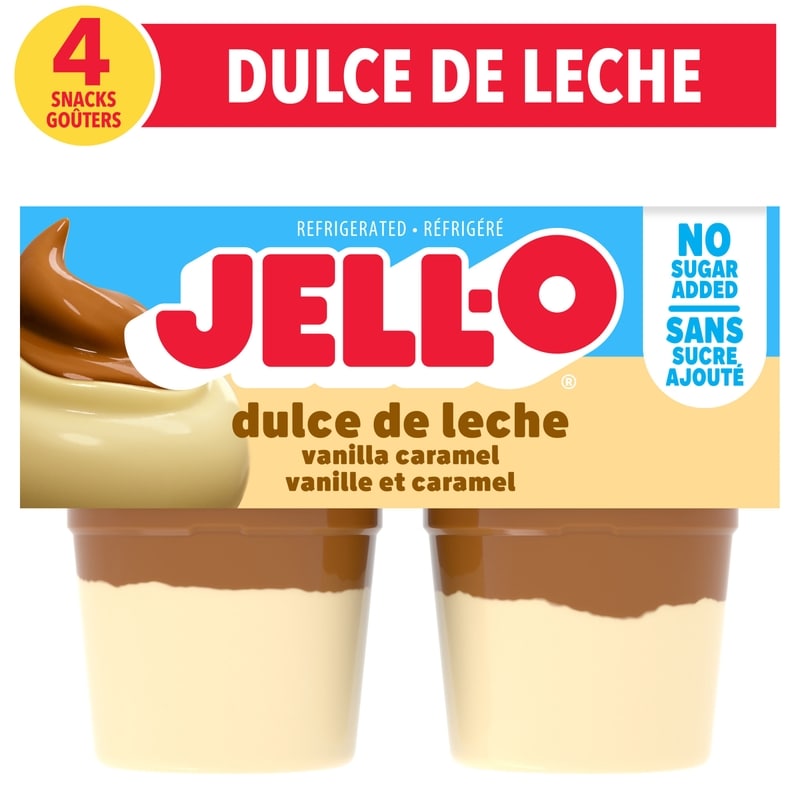
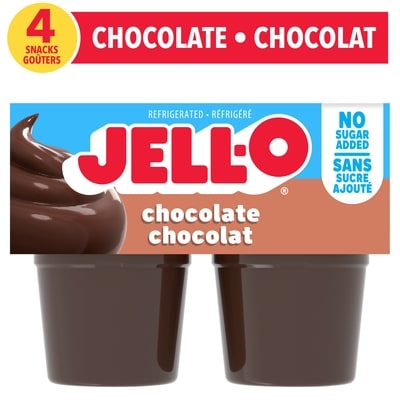
Gelatin-based puddings, like Jell-O, usually require refrigeration to set properly and maintain their texture. Custard puddings, which often contain eggs, also need to be refrigerated to prevent bacterial growth.
Have you ever noticed custard pudding left out becoming watery or developing an off smell? That’s a clear sign it needs to be kept cold. Both gelatin and custard puddings are best eaten within a few days of refrigeration for safety and quality.
Why Refrigeration Matters
Refrigeration plays a key role in keeping pudding safe and tasty. Without cold storage, pudding can spoil quickly and lose its quality. Understanding why refrigeration matters helps you enjoy pudding without risks. It protects against bacteria, keeps pudding’s texture smooth, and follows important food safety rules.
Preventing Bacterial Growth
Pudding contains milk and eggs, which can host bacteria. Bacteria grow fast at room temperature. Cold slows down bacterial growth. Refrigeration stops harmful bacteria from multiplying. This reduces the chance of food poisoning. Always keep pudding in the fridge to stay safe.
Maintaining Texture And Flavor
Refrigeration keeps pudding’s texture creamy and smooth. Warm pudding may become watery or grainy. Cooling helps pudding hold its shape and thickness. Flavor stays fresh and rich in the fridge. Storing pudding cold gives the best eating experience.
Food Safety Guidelines
- Store pudding in the refrigerator below 40°F (4°C).
- Keep pudding covered to avoid contamination.
- Consume pudding within 3-4 days after opening or making.
- Do not leave pudding out for more than 2 hours.
Following these rules protects your health and keeps pudding enjoyable.
When Refrigeration Is Optional
Knowing when pudding needs refrigeration can save you from unnecessary fridge space use and help keep your dessert fresh. Some puddings are designed to stay safe without chilling, but it depends on their packaging and ingredients. Let’s look at situations where you might not need to refrigerate your pudding immediately.
Unopened Shelf-stable Puddings
Many puddings come in shelf-stable packages that don’t require refrigeration until opened. These puddings are sealed tightly to keep out bacteria and maintain freshness at room temperature.
Think about the pudding cups you find in grocery stores that sit on shelves rather than in refrigerated sections. You can store these unopened for weeks or even months without worry.
However, always check the packaging for storage instructions. If it says “Keep Refrigerated,” don’t take chances, even if it looks sealed.
Short-term Room Temperature Storage
Once opened, pudding usually needs to be refrigerated. But what if you’re serving it at a party or taking it on a short trip?
Pudding can safely stay out at room temperature for a couple of hours. This is especially true if the room isn’t too warm and you plan to eat it soon.
Here are some tips to keep in mind:
- Keep pudding covered to avoid contamination.
- Avoid leaving it out for more than 2 hours, especially in hot environments.
- If unsure, store pudding in a cooler with ice packs.
Have you ever left pudding out and wondered if it’s still good? This short window is usually safe, but beyond that, the risk of spoilage rises quickly.
Credit: www.yourindependentgrocer.ca
Best Practices For Storing Pudding
Storing pudding correctly is key to maintaining its taste and safety. Even if pudding seems harmless, improper storage can change its texture and cause spoilage. Let’s dive into some smart ways you can keep your pudding fresh and delicious.
Proper Sealing And Containers
Always cover your pudding with an airtight lid or plastic wrap. This prevents the pudding from absorbing other fridge odors and keeps out bacteria. Glass containers with tight-fitting lids work best because they don’t stain or retain smells.
If you’ve made pudding in a bowl, press plastic wrap directly onto the surface before sealing. This stops a skin from forming on top and keeps moisture in. Have you noticed how a loose cover makes pudding dry or grainy? That’s why the seal matters.
Ideal Refrigerator Temperature
Your fridge should stay between 34°F and 40°F (1°C to 4°C). Temperatures above this range let bacteria grow faster, risking foodborne illnesses. Use a fridge thermometer to check, especially if your fridge settings feel unreliable.
Keeping pudding cold slows down spoilage, but freezing it can change its texture. Have you tried freezing pudding? It often turns watery when thawed, so refrigeration is a safer bet for preserving creamy consistency.
Avoiding Cross-contamination
Keep pudding away from raw meats or strong-smelling foods in your fridge. Cross-contamination can happen if juices drip or odors transfer, making your pudding unsafe or unpleasant. Store pudding on a higher shelf to minimize this risk.
Also, always use clean utensils when serving pudding. Double-dipping or using unwashed spoons introduces bacteria that speeds up spoilage. Think about how you handle pudding—small habits can make a big difference in food safety.
Signs Of Spoiled Pudding
Knowing the signs of spoiled pudding helps keep you safe and prevents food waste. Spoiled pudding often looks, smells, and feels different from fresh pudding. Detecting these changes early stops you from eating bad pudding. Below are key signs to watch for in spoiled pudding.
Changes In Smell And Color
Spoiled pudding usually has a sour or off smell. The sweet, creamy scent disappears. Sometimes, the smell is sharp or fermented. Color changes can also occur. The pudding may turn darker or develop dull spots. Any unusual smell or color means the pudding is no longer safe.
Texture Alterations
Fresh pudding is smooth and creamy. Spoiled pudding can become lumpy or watery. It may also feel slimy or sticky. These texture changes are a clear sign of spoilage. Avoid eating pudding that feels different from usual.
Mold And Other Indicators
Mold growth on pudding looks like fuzzy spots. These can be white, green, blue, or black. Mold is a definite sign to throw pudding away. Other indicators include bubbles or foam on the surface. Any unusual appearance means the pudding should be discarded immediately.

Credit: www.yourindependentgrocer.ca
Tips For Serving And Leftover Storage
Serving pudding safely and storing any leftovers properly are key to enjoying this creamy treat without worry. You want to keep the texture just right and avoid any food safety issues. Let’s dive into some practical tips that can help you handle pudding with confidence.
Safe Serving Temperatures
Pudding is best served chilled, usually between 35°F and 40°F (1.6°C to 4.4°C). If you leave it out at room temperature for more than two hours, bacteria can start to grow. Have you ever noticed how pudding can become watery or grainy if it’s too warm? That’s a sign it’s been left out too long.
To keep pudding at the ideal temperature, serve it straight from the fridge or place the serving bowl on a bed of ice. If you’re serving pudding at a party, try to keep it in a cool spot and avoid direct sunlight. This helps maintain both safety and taste.
Storing Leftovers Correctly
Leftover pudding should always be refrigerated promptly in an airtight container. This prevents the pudding from absorbing other fridge odors and keeps it fresh. Label the container with the date so you know when to use it.
Most puddings last around 3 to 4 days in the fridge. If your pudding contains eggs or dairy, it’s especially important to keep it cold. Have you ever tasted pudding that’s been in the fridge too long? It often loses its smooth texture and pleasant flavor.
Reheating Guidelines
Some types of pudding, like rice or bread pudding, can be reheated, but custard-style puddings are best eaten cold. When reheating, do it gently by warming in the microwave in short bursts or on the stove over low heat. Stir frequently to prevent scorching.
Avoid overheating pudding as it can curdle or become rubbery. Always check the temperature before serving—aim for around 110°F to 130°F (43°C to 54°C) to keep it enjoyable without risking overcooking. Have you tried reheating pudding and ended up with a texture you didn’t like? A little care goes a long way.
Frequently Asked Questions
Does Pudding Need To Be Refrigerated After Opening?
Yes, once opened, pudding should be refrigerated. This prevents spoilage and maintains its creamy texture. Most store-bought puddings contain preservatives, but refrigeration ensures freshness. Homemade puddings, lacking preservatives, must be refrigerated. Always check the packaging instructions for storage guidelines to ensure proper handling.
Can Pudding Be Stored At Room Temperature?
Unopened, store-bought puddings often can be stored at room temperature. However, homemade puddings require refrigeration. This preserves their quality and prevents bacterial growth. Once opened, all pudding types should be refrigerated to maintain freshness and safety. Always adhere to storage instructions for best results.
How Long Does Pudding Last In The Fridge?
Pudding typically lasts 5-7 days in the fridge. This duration applies to both store-bought and homemade varieties. Proper storage in an airtight container is essential. Always check for signs of spoilage like off-smells or discoloration before consumption. Properly stored, pudding retains its best quality within this timeframe.
What Happens If Pudding Is Not Refrigerated?
If pudding isn’t refrigerated, it can spoil quickly. Bacteria thrive at room temperature, causing off-flavors and potential foodborne illnesses. The texture may change, becoming watery or clumpy. Refrigerating pudding preserves its freshness, taste, and safety. Always refrigerate after opening to maintain quality and prevent spoilage.
Conclusion
Pudding tastes best when kept cool. Storing it in the fridge keeps it fresh longer. Leaving pudding out can make it spoil fast. Cold pudding stays smooth and safe to eat. Always check the packaging for storage instructions. Remember, a little care helps avoid waste.
Enjoy your pudding at its best every time. Simple steps make a big difference in food safety. Keep pudding chilled, and you won’t regret it.