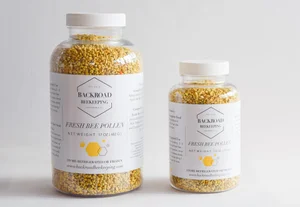
Are you wondering if your bee pollen needs to be refrigerated to stay fresh? You’re not alone.
Many people buy bee pollen for its health benefits but aren’t sure how to store it properly. The way you keep your bee pollen can make a big difference in its quality and effectiveness. You’ll discover simple tips to preserve your bee pollen so it stays powerful and tasty.
Keep reading to learn the best storage methods that protect your investment and boost your well-being.

Credit: www.instacart.com
Bee Pollen Basics
Understanding the basics of bee pollen helps appreciate its value and care needs. Bee pollen is a natural substance collected by bees from flowers. It contains many nutrients and supports health in various ways. Knowing what bee pollen is and its benefits is key before discussing storage tips.
What Is Bee Pollen
Bee pollen is a mixture of flower pollen, nectar, and bee saliva. Bees gather it on their legs and bring it back to the hive. It looks like tiny, colorful granules. People harvest it as a natural supplement. Bee pollen contains many plant compounds that bees use for food.
Nutritional Benefits
Bee pollen offers a wide range of nutrients. It contains:
- Proteins and amino acids
- Vitamins such as B-complex and C
- Minerals like zinc, iron, and magnesium
- Antioxidants that help protect cells
- Essential fatty acids
These nutrients support energy, immune health, and digestion. Many use bee pollen for natural wellness support. It is rich in compounds that promote vitality and overall health.

Credit: www.hungryhillhoney.com
Storage Importance
Proper storage of bee pollen keeps it fresh and nutritious. Bee pollen is sensitive to heat, moisture, and light. These factors can reduce its quality quickly. Storing bee pollen correctly helps maintain its taste and health benefits. It also prevents spoilage and waste. Understanding the importance of storage helps you enjoy bee pollen longer.
Effects Of Improper Storage
Bee pollen can lose nutrients if stored poorly. Exposure to heat and humidity causes clumping and mold growth. Light can break down vitamins and antioxidants. The flavor may become stale or off. Improper storage shortens the product’s life and reduces its benefits.
Shelf Life Factors
Several factors affect how long bee pollen lasts:
- Temperature: Cooler temperatures slow down spoilage.
- Humidity: Low moisture levels keep pollen dry and fresh.
- Packaging: Airtight containers protect against air and light.
- Processing: Raw pollen may spoil faster than freeze-dried.
Refrigeration often extends shelf life by keeping bee pollen cool and dry. Proper storage ensures you get the best quality for a longer time.
Refrigeration Benefits
Storing bee pollen properly can make a big difference in how long it stays useful and tasty. Refrigeration offers clear benefits that help you get the most out of your bee pollen. Let’s look at why keeping it cool matters.
Preserving Freshness
Bee pollen is highly perishable because it contains natural enzymes and moisture. Refrigerating slows down the growth of mold and bacteria that cause spoilage. You might notice that pollen kept at room temperature loses its vibrant color and aroma faster.
Have you ever opened a container of bee pollen only to find it clumped or smelling off? That’s a sign it wasn’t stored well. Keeping it in the fridge keeps it fresh longer, so you always get the full experience with every scoop.
Maintaining Nutrient Quality
Bee pollen is packed with vitamins, minerals, and antioxidants that degrade quickly when exposed to heat and air. Cold storage helps maintain these nutrients by slowing down chemical reactions. This means your bee pollen stays potent and beneficial for a longer time.
I once switched to refrigerating my bee pollen and noticed a difference in how energized I felt after taking it. The nutrients seemed more effective, proving that fresh pollen really does make a difference. Would you want to risk losing those health benefits just because of improper storage?
When Refrigeration Is Not Needed
Bee pollen does not always need refrigeration. Its storage depends on moisture content and packaging. Properly dried bee pollen stays fresh without cold storage. Understanding when refrigeration is unnecessary helps keep bee pollen usable and safe.
Dry Bee Pollen Storage
Dry bee pollen has low moisture. This prevents mold and bacteria growth. It can last for months in a cool, dry place. Store it in an airtight container to keep moisture out. Avoid sunlight to protect nutrients and color.
Room temperature storage works well if the pollen is fully dried. Check the pollen texture before storing. It should feel crumbly, not sticky. Sticky pollen needs drying first to avoid spoilage.
Alternatives To Refrigeration
Besides refrigeration, several options keep bee pollen fresh:
- Freezing: Extends shelf life for a year or more.
- Vacuum sealing: Limits air exposure and moisture.
- Dark, cool cabinet: Protects from heat and light.
Freezing works best for large quantities. Vacuum sealing is ideal for small amounts used slowly. Both methods maintain pollen quality without fridge space.
Best Storage Practices
Storing bee pollen properly can make a big difference in maintaining its freshness and nutritional value. You want to keep it safe from moisture, heat, and air that can reduce its effectiveness over time. Understanding the best ways to store bee pollen helps you enjoy its full benefits longer.
Ideal Containers
Choose containers that protect bee pollen from air and moisture. Glass jars with airtight lids work really well because they don’t absorb odors and keep the pollen dry. Plastic containers can be used, but make sure they seal tightly and are food-grade quality.
Some people use vacuum-sealed bags to keep the pollen fresh, especially if they buy in bulk. If you often open the container, a wide-mouth jar makes it easier to scoop out pollen without spilling. Have you tried using small portion containers to reduce how often you expose your pollen to air?
Temperature And Humidity Control
Keep bee pollen in a cool, dry place to avoid spoilage. Heat speeds up the breakdown of nutrients, so avoid storing it near stoves, ovens, or windows with direct sunlight. A temperature between 32°F and 50°F (0°C to 10°C) is ideal, which is why refrigeration is often recommended.
Humidity is another enemy. Moist environments can cause bee pollen to clump and even develop mold. If you live in a humid area, adding a small desiccant pack inside the container can help absorb excess moisture. Have you noticed your bee pollen losing its texture or smell? That might be due to humidity affecting its quality.
Signs Of Spoiled Bee Pollen
Knowing the signs of spoiled bee pollen helps keep it safe to eat. Bee pollen can go bad if stored improperly or kept too long. Being able to spot changes early prevents health risks and waste.
Visual Changes
Fresh bee pollen has bright, vibrant colors like yellow, orange, or brown. Spoiled pollen looks dull or faded. Watch for these visual clues:
- Color shifts to dark or gray tones
- Presence of mold or white spots
- Clumping or hardening that did not exist before
These changes often mean the pollen is no longer fresh or safe.
Smell And Texture Indicators
Fresh bee pollen smells sweet or floral. Spoiled pollen has a sour or musty odor. Check the texture too:
- Sticky or slimy feel instead of dry grains
- Powdery texture turning into lumps
- Any unusual dampness inside the container
These signs suggest the pollen has absorbed moisture or bacteria.
Using Stored Bee Pollen Safely
Storing bee pollen properly keeps it fresh and safe to eat. Bee pollen can lose nutrients or spoil if not stored well. Knowing how to handle stored bee pollen helps keep its health benefits intact.
Use stored bee pollen with care. Check its smell, color, and texture before use. Proper storage lowers the risk of contamination or spoilage. Follow simple safety tips to enjoy bee pollen without worry.
Safe Consumption Tips
- Keep bee pollen in a cool, dry place or refrigerator.
- Use airtight containers to prevent moisture and air exposure.
- Check for any changes in smell or color before eating.
- Consume bee pollen within the recommended time frame on the package.
- Start with small amounts to see how your body reacts.
- Do not eat bee pollen that looks moldy or feels damp.
Avoiding Allergic Reactions
- Consult a doctor before trying bee pollen for the first time.
- People allergic to pollen or bee stings should be very cautious.
- Watch for symptoms like itching, swelling, or breathing problems.
- Stop eating bee pollen immediately if you notice any allergic signs.
- Keep emergency medicine handy if you have known allergies.
- Introduce bee pollen slowly to monitor your body’s response.

Credit: www.fortunatepaws.com.au
Frequently Asked Questions
Is It Necessary To Refrigerate Bee Pollen?
Refrigerating bee pollen is recommended to maintain its freshness and nutritional value. Cold storage helps preserve its vitamins, minerals, and enzymes. While it can be stored at room temperature, refrigeration extends its shelf life. Always keep it in a sealed container to protect it from moisture and contamination.
How Long Does Bee Pollen Last Unrefrigerated?
Bee pollen can last up to a year unrefrigerated if stored in a cool, dry place. However, for optimal freshness and nutrient retention, it’s best to refrigerate it. Room temperature storage may lead to nutrient degradation over time, affecting its quality and benefits.
What Are The Signs Of Spoiled Bee Pollen?
Spoiled bee pollen may develop a rancid smell, off-taste, or mold growth. Discoloration or clumping can also indicate spoilage. Always check for these signs before consuming. Proper storage in a sealed container, preferably refrigerated, helps prevent spoilage and maintains its quality.
Can Frozen Bee Pollen Lose Its Nutrients?
Freezing bee pollen helps preserve its nutrients, extending its shelf life. It retains most of its vitamins, minerals, and enzymes when properly frozen. Thaw only the amount needed, keeping the rest frozen. This method ensures you enjoy its maximum health benefits over time.
Conclusion
Bee pollen stays fresh longer when kept in the fridge. Heat and moisture can spoil it quickly. Store it in an airtight container to keep bugs away. If you keep bee pollen cool, it keeps its nutrients well. This helps you enjoy its benefits every day.
No fridge? Keep it in a cool, dry place instead. Remember, proper storage means better taste and longer shelf life. Take care of your bee pollen, and it will take care of you. Simple steps make a big difference.