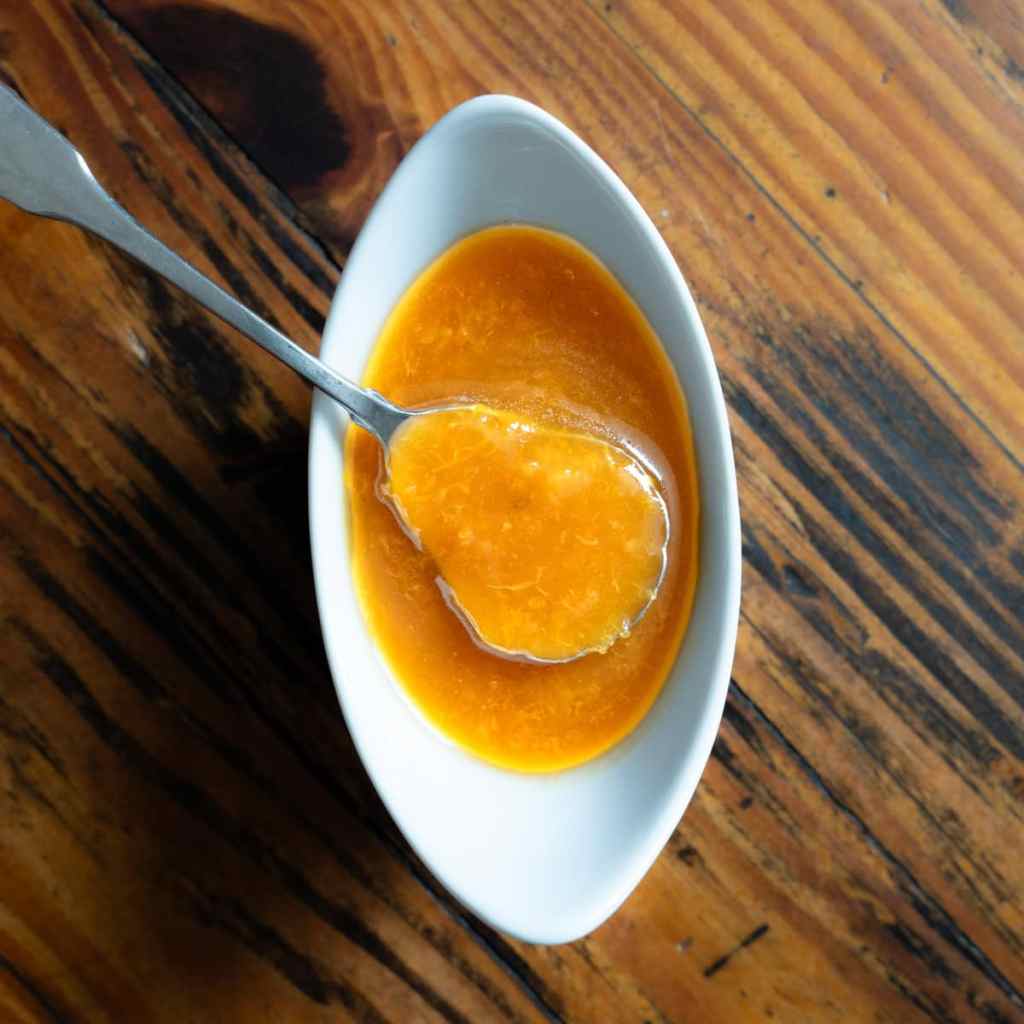
Are you wondering if your duck sauce needs to be kept in the fridge? You’re not alone.
Many people love the sweet and tangy flavor of duck sauce but aren’t sure how to store it properly. Getting this wrong can change the taste or even spoil your favorite dipping sauce. You’ll discover the simple answer to whether duck sauce should be refrigerated and learn easy tips to keep it fresh and tasty every time you use it.
Keep reading to make sure your next meal is as delicious as it should be!

Credit: thewildgamegourmet.com
Shelf Life Of Duck Sauce
Understanding the shelf life of duck sauce is key to keeping it fresh and tasty. Whether you stash it in your pantry or fridge, knowing how long it lasts helps you avoid unpleasant surprises. Let’s break down how storage affects its longevity and what you can expect.
Unopened Vs Opened Sauce
Unopened duck sauce typically lasts for about 12 to 18 months when stored in a cool, dry place. The sealed packaging protects it from air and contaminants, preserving its flavor and quality.
Once opened, the clock changes. Exposure to air and moisture can cause the sauce to spoil faster. Generally, you should refrigerate opened duck sauce and use it within 1 to 3 months for the best taste and safety.
Factors Affecting Freshness
Several factors influence how long your duck sauce stays fresh:
- Storage temperature:Cooler temperatures slow down spoilage. Refrigeration after opening is a smart choice.
- Exposure to air:Leaving the lid off or loosely closed invites bacteria and mold growth.
- Cleanliness:Using clean utensils prevents introducing contaminants into the sauce.
Have you ever noticed a change in your sauce’s smell or color? That’s usually a sign it’s time to toss it out. Paying attention to these details can save you from eating spoiled sauce and ruining your meal.

Credit: thewildgamegourmet.com
Refrigeration Benefits
Refrigerating duck sauce offers several key benefits that can enhance your experience every time you dip or drizzle. Keeping it cool not only helps maintain its original qualities but also protects your health. Let’s look at how refrigeration impacts flavor, texture, and safety.
Preserving Flavor And Texture
Duck sauce has a sweet and tangy taste that can fade if left out too long. When stored in the fridge, its vibrant flavors stay fresh and balanced. The cold temperature also helps maintain the sauce’s smooth, syrupy texture, preventing it from becoming watery or separating.
Have you ever noticed how a sauce tastes different after sitting on the counter? Refrigeration stops that change, so your duck sauce always tastes like it just came from the store.
Preventing Bacterial Growth
Duck sauce contains sugar and vinegar, which slow bacterial growth, but these ingredients don’t eliminate all risks. Storing your sauce in the fridge keeps harmful bacteria from multiplying, especially after opening.
Imagine dipping your spring rolls in sauce that’s been sitting out for days—doesn’t sound appealing or safe, right? Refrigeration reduces the chance of spoilage and keeps your sauce safe to eat.
Storing Duck Sauce Without Refrigeration
Storing duck sauce without refrigeration can be a bit tricky, but it’s possible if you pay attention to the right conditions. Many people wonder if their favorite sweet and tangy condiment will stay fresh on the countertop. Let’s break down what you need to know to keep your duck sauce safe and tasty without popping it in the fridge immediately.
Safe Room Temperature Conditions
Duck sauce usually contains sugar, vinegar, and preservatives that help it last longer outside the fridge. However, to keep it safe at room temperature, store the sauce in a cool, dark place away from direct sunlight. A pantry or kitchen cabinet works well.
Keep the bottle tightly sealed after each use to prevent air and bacteria from spoiling the sauce. If the sauce is homemade or doesn’t contain preservatives, refrigeration is safer to avoid quick spoilage. How often do you check the storage spot for heat or humidity? These factors can speed up spoilage even if the sauce seems fine at first.
Signs Of Spoilage
Knowing when duck sauce has gone bad is essential if you decide to keep it without refrigeration. Watch out for changes in color—if it turns darker or develops an unusual cloudiness, that’s a red flag. Also, a sour or off smell means bacteria or mold might be growing.
Texture changes like thickening or separation can also signal spoilage. If you notice any mold spots inside the bottle or around the cap, it’s time to toss it. Have you ever tasted duck sauce that seemed off but wasn’t visibly spoiled? Trust your senses—if the flavor is odd or unpleasant, don’t risk it.
Best Practices For Storing Duck Sauce
Storing duck sauce correctly can make a big difference in maintaining its freshness and flavor. Understanding how to keep it safe from contamination and spoilage helps you enjoy every drop without worry. Let’s look at some practical tips to store duck sauce effectively.
Choosing The Right Container
Using the right container for your duck sauce is essential. Glass jars or plastic containers with tight lids work best because they don’t absorb odors or stains.
If you have a commercial bottle, consider transferring the sauce to a smaller container once opened. This reduces the air inside, which slows down oxidation and keeps the sauce tasting fresh longer.
Have you ever noticed a weird smell or taste after leaving your sauce in an old, scratched container? Avoid that by choosing smooth, non-porous materials that are easy to clean and sterilize.
Proper Sealing Techniques
Sealing your duck sauce tightly after each use is crucial. Air exposure can cause it to spoil faster or lose its vibrant flavor.
Make sure the lid is screwed on firmly without over-tightening, which can damage the seal. If the original cap is damaged, use a plastic wrap under the lid for an extra barrier.
Do you often find sauce spills or sticky bottle tops? Wiping the rim clean before sealing keeps the container airtight and prevents messes.
Tips For Using Leftover Duck Sauce
Leftover duck sauce can be a little tricky to manage if you want to keep it fresh and tasty. Using it wisely not only prevents waste but also adds a flavorful punch to many dishes. Here are some practical tips to help you get the most out of your leftover duck sauce.
Maximizing Shelf Life
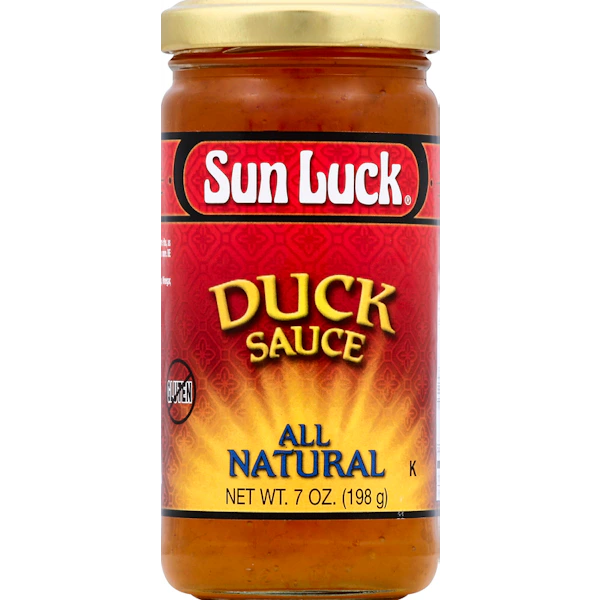
Store your duck sauce in an airtight container to keep it fresh longer. Refrigeration slows down spoilage, so always put leftover sauce in the fridge after opening. Check the label for any specific storage instructions to avoid any surprises.
Keep the sauce away from direct sunlight and heat sources. These factors can degrade its flavor and texture quickly. Also, try to avoid dipping food directly into the sauce jar to prevent contamination.
Creative Uses For Leftovers
Don’t let leftover duck sauce sit idle—use it to enhance your meals in unexpected ways. It makes a great glaze for roasted vegetables or grilled chicken, adding a sweet and tangy twist. Drizzle it over a simple rice bowl or use it as a dipping sauce for spring rolls or dumplings.
Have you ever tried mixing duck sauce into a salad dressing? It can bring a new depth of flavor to your greens. Experimenting with it in marinades or even as a sweetener in stir-fry sauces can transform your everyday dishes.
Credit: www.gianteagle.com
Frequently Asked Questions
Does Duck Sauce Need Refrigeration After Opening?
Yes, duck sauce should be refrigerated after opening. Refrigeration helps preserve its flavor and extend its shelf life. Keeping it cool prevents the growth of bacteria and mold. Always seal the container tightly before storing it in the fridge. This practice ensures the sauce remains fresh and safe to consume.
How Long Does Duck Sauce Last Unrefrigerated?
Unrefrigerated duck sauce can last a few hours at room temperature. However, for safety, it’s best to refrigerate it. Leaving it out longer increases the risk of spoilage. Always check for changes in smell or appearance before using. Proper storage ensures quality and prevents waste.
Can Unopened Duck Sauce Be Stored At Room Temperature?
Yes, unopened duck sauce can be stored at room temperature. Ensure the packaging is intact to maintain its quality. Once opened, refrigerate to extend its shelf life. Check expiration dates regularly. Proper storage conditions help retain the sauce’s flavor and safety for consumption.
What Are Signs Duck Sauce Has Gone Bad?
Spoiled duck sauce may show signs like mold, off-smell, or color change. Always check its consistency for any unusual texture. If any of these signs are present, discard the sauce immediately. Consuming spoiled sauce can lead to foodborne illnesses. Regularly inspect stored sauces to ensure freshness.
Conclusion
Duck sauce lasts longer and stays fresh when kept in the fridge. Room temperature can make it spoil faster. Always check the label for storage advice. Keep the bottle tightly closed to keep air out. Refrigeration helps keep the sauce tasty and safe.
This small step makes a big difference in quality. Enjoy your duck sauce without worry by storing it right. Simple care keeps your sauce ready for every meal.