Have you ever wondered if you’re storing your wine the right way? Maybe you’ve opened a bottle, enjoyed a glass, and then paused, unsure whether to pop it in the fridge or leave it on the counter.
You’re not alone. Many wine lovers ponder this very question. Understanding the best way to store wine can enhance its flavor and ensure you get the most out of every drop. We’ll unravel the mystery of wine storage and help you keep your wine tasting its best.
Stick around, because by the end, you’ll know exactly how to treat your wine like a pro.
Why Storage Matters
Proper wine storage is more than just keeping bottles out of sight. It directly affects how your wine tastes and how long it lasts. If you’ve ever opened a bottle only to find it flat or off-flavored, poor storage might be the reason.
Impact On Flavor
Temperature swings and exposure to light can change the flavor of your wine. Warm temperatures speed up chemical reactions, making wine age faster than it should. This can turn fresh, fruity notes into dull, bitter tastes.
Imagine opening a bottle you’ve been saving, only to find it tastes sour or overly sharp. This often happens when wine isn’t stored properly. Keeping wine too warm or fluctuating between hot and cold damages its delicate balance.
Shelf Life Considerations
How long your wine stays good depends heavily on storage conditions. Red wines often last longer at room temperature, but white and sparkling wines usually need refrigeration. Without the right environment, wines can spoil in a matter of days.
Think about a chilled white wine left out on the counter overnight. The next day, it might taste flat or lifeless. By controlling storage temperature and humidity, you extend your wine’s shelf life and enjoy it at its best.

Credit: www.laurelfork.com
When To Refrigerate Wine
Knowing when to refrigerate wine can make a big difference in how it tastes and how long it lasts. Temperature affects the aroma, flavor, and preservation of your favorite bottles. Let’s look at the types of wine that benefit most from chilling, so you can enjoy every sip at its best.
White And Rosé Wines
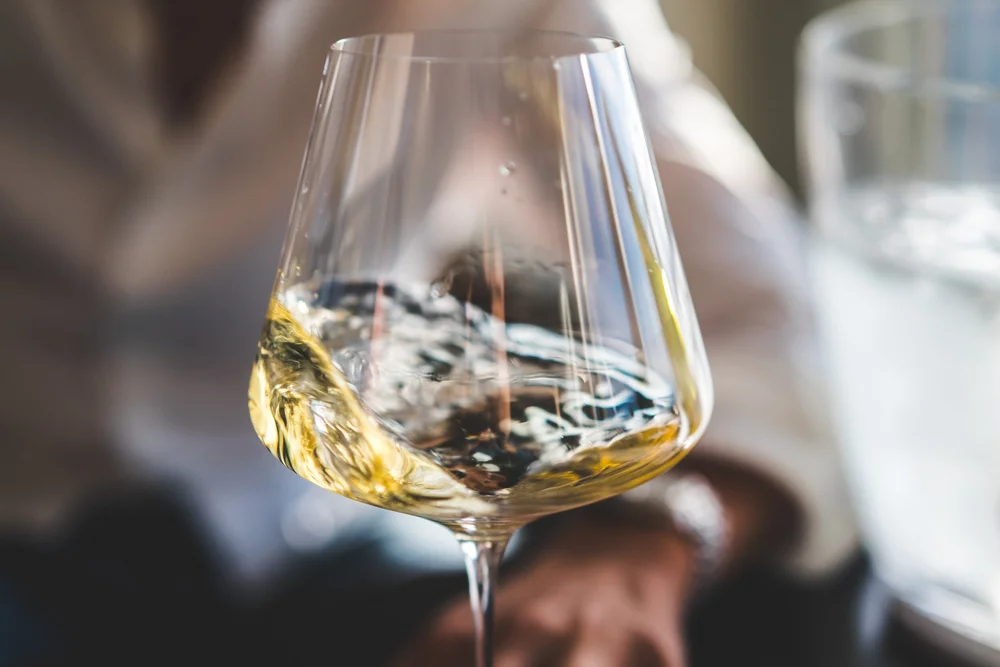
White and rosé wines generally need to be refrigerated before serving. Chilling enhances their crispness and brings out fresh fruity notes. If you’ve ever left a chilled Sauvignon Blanc out on a warm day, you might have noticed it loses its lively character quickly.
Keep these wines in the fridge for at least a couple of hours before drinking. If you want to get technical, aim for 45-55°F (7-13°C). This temperature range keeps the wine fresh without muting its delicate flavors.
Sparkling Wines
Sparkling wines like Champagne and Prosecco should always be chilled. The cold temperature helps maintain the bubbles and makes the wine more refreshing. Ever opened a warm bottle of sparkling wine and watched the fizz disappear too fast? That’s why refrigeration is key.
Store sparkling wines at around 40-50°F (4-10°C). If you’re short on time, pop them in the freezer for 20 minutes—but don’t forget to take them out before they freeze.
Opened Bottles
Once you open a bottle, refrigeration becomes crucial regardless of the type. Oxygen starts to change the wine’s flavor the moment the cork is out. Refrigerating slows down this process and keeps the wine drinkable for a longer time.
Use airtight wine stoppers for best results, and put the bottle in the fridge right away. Whites and rosés can last up to a week chilled, while reds hold up better for a few days. Have you ever tasted wine that’s been left out too long and wondered why it lost its magic? This is why.
When To Avoid Refrigeration
Not all wines benefit from refrigeration. Some types can lose flavor and aroma if chilled. Knowing when to avoid refrigeration helps keep wine at its best.
Red Wines
Red wines usually do not need refrigeration before serving. Cold temperatures can mute their flavors and aromas. Store red wine in a cool, dark place instead. Room temperature or slightly cooler is ideal. Refrigeration may be okay for very light reds, but avoid for full-bodied types.
Long-term Storage
Wines meant for long-term storage should not be refrigerated. The fridge is too dry and cold for aging wine well. Fluctuating temperatures can spoil the wine’s quality. Use a wine cellar or cooler with steady, moderate temperature and humidity. This keeps wine aging gracefully over time.
Ideal Wine Storage Conditions
Proper wine storage keeps wine fresh and flavorful. Ideal conditions protect the wine’s taste and aroma. A few key factors affect wine storage quality. These include temperature, humidity, light, and bottle position. Understanding these helps preserve wine for longer.
Temperature Ranges
Temperature is the most important factor for wine storage. Keep wine between 45°F and 65°F (7°C – 18°C). Too much heat ages wine fast and can spoil it. Too cold, and wine may freeze or lose flavor. Avoid sudden temperature changes to protect the wine.
Humidity Levels
Humidity affects the cork and wine quality. Ideal humidity is around 70%. Low humidity dries out corks, letting air in. High humidity can cause mold on labels and corks. Use a humidifier or wine fridge to control moisture.
Light Exposure
Light damages wine by breaking down its compounds. Avoid direct sunlight or bright artificial light. Dark places are best for storing wine. UV rays make wine taste flat and tired. Wrap bottles in cloth or store in a cabinet.
Bottle Position
Store wine bottles horizontally. This keeps the cork moist and tight. A dry cork lets air into the bottle, spoiling the wine. Horizontal storage also saves space. Avoid standing bottles for long periods unless they have screw caps.
Using Wine Refrigerators
Using wine refrigerators is a smart choice for wine lovers. These appliances keep wine at the right temperature and humidity. They protect wine from heat, light, and vibrations. This helps maintain the wine’s flavor and aroma over time.
Wine refrigerators come in various sizes and styles. Some fit under the counter, while others stand alone. They are designed to store wine bottles safely and neatly. This makes them ideal for both casual drinkers and serious collectors.
Benefits
- Maintains a constant temperature for optimal wine preservation.
- Controls humidity to prevent corks from drying out.
- Protects wine from harmful UV light exposure.
- Reduces vibrations that can disturb wine sediment.
- Offers convenient storage with organized racks and shelves.
- Allows storing different wines at their ideal serving temperatures.
- Improves the lifespan and taste of wine over months or years.
Types Of Wine Coolers
| Type | Description | Ideal For |
|---|---|---|
| Thermoelectric | Uses a cooling plate and fan, quiet and energy-efficient. | Small collections and quiet environments. |
| Compressor | Works like a fridge, strong cooling for larger storage. | Big collections and warm climates. |
| Dual Zone | Two compartments with separate temperatures for red and white wines. | Mixed wine collections needing different storage temps. |
| Built-in | Fits under counters or inside cabinets for a sleek look. | Home kitchens and bars with limited space. |
Credit: www.laurelfork.com
Common Storage Mistakes
Storing wine properly is key to keeping its flavor and aroma intact. Many people make mistakes that harm their wine. These common errors can spoil the taste or ruin the bottle entirely. Avoiding them helps your wine stay fresh and enjoyable for longer.
Frequent Temperature Changes
Wines do not like sudden temperature shifts. Moving a bottle from hot to cold repeatedly can damage the wine. The liquid expands and contracts, which can push the cork out or let air in. This spoils the wine’s taste and quality quickly.
Improper Sealing
Wine bottles must be sealed tightly. A loose cork or cap lets air enter the bottle. Air causes oxidation, which ruins the wine’s flavor. Always check the seal before storing wine. Use proper corks or screw caps to keep air out.
Storing Near Odors
Wine absorbs smells from its surroundings easily. Strong odors from food, cleaning products, or chemicals can spoil the wine’s aroma. Store wine away from kitchens or places with strong smells. A neutral, odor-free area is best for wine storage.

Credit: www.youtube.com
Frequently Asked Questions
Do All Wines Need Refrigeration?
Not all wines need refrigeration. White, rosé, and sparkling wines benefit from chilling. Red wines are best stored at room temperature, around 55-65°F. However, once opened, all wines should be refrigerated to preserve freshness and prevent spoilage.
How Long Can Wine Stay Unrefrigerated?
Unopened wine can stay unrefrigerated for months if stored in a cool, dark place. After opening, wine should be refrigerated and consumed within 3-5 days to maintain taste and prevent oxidation.
Does Refrigeration Affect Wine Taste?
Refrigeration preserves wine’s flavor by slowing oxidation and bacterial growth. However, serving red wine too cold can mute its flavors. Proper temperature control enhances the wine’s taste and aroma, making refrigeration beneficial for most wines after opening.
Can Refrigeration Damage Wine Bottles?
Refrigeration does not damage wine bottles. Glass bottles are designed to withstand temperature changes. However, avoid frequent temperature fluctuations, as they can negatively affect wine quality over time.
Conclusion
Wines need proper care to keep their taste fresh. Red wines usually stay fine at room temperature. White and sparkling wines often taste better chilled. Storing wine in a cool, dark place helps preserve it. Avoid heat and light, which can spoil wine quickly.
Refrigeration can slow aging and keep flavors intact. Remember, each wine type has its own best storage method. Keep these tips in mind for enjoying your wine at its best. Simple steps make a big difference in wine quality.