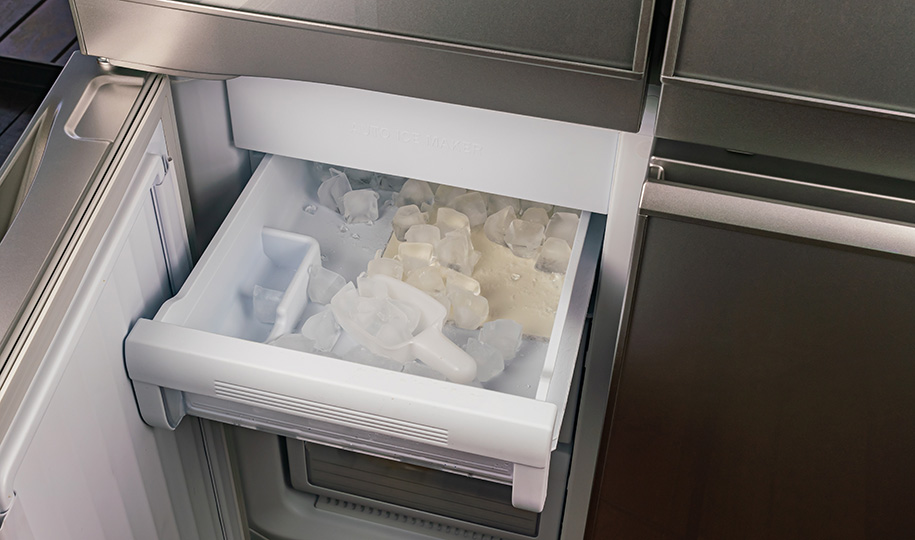
Have you ever opened your refrigerator only to find droplets of water clinging to the shelves and walls? It can be a puzzling sight, especially when you rely on your fridge to keep things cool and dry.
If you’ve been wondering, “Why is the inside of my refrigerator sweating? ” you’re not alone. This common issue can lead to food spoilage and even higher energy bills. But don’t worry, we’re here to help. We’ll uncover the reasons behind the mysterious moisture and provide you with simple solutions.
Stick with us, and you’ll soon have a sweat-free fridge, keeping your food fresh and your mind at ease.

Credit: rvfridgeguys.com
Common Causes Of Refrigerator Sweating
Sweating inside a refrigerator can be frustrating and may cause damage. Understanding the common causes helps to fix the problem quickly. Moisture builds up when cold air inside meets warm, humid air outside. This leads to condensation, making the fridge walls wet.
Several factors increase moisture and cause sweating. These include humidity, door usage, seals, and temperature settings. Each plays a role in maintaining the right balance inside your fridge.
Excess Humidity In The Kitchen
High humidity in the kitchen raises moisture levels inside the fridge. Cooking, boiling water, and washing dishes release steam. This humid air enters the refrigerator when the door opens. It condenses on cold surfaces, causing sweating.
Frequent Door Opening
Opening the fridge door often lets warm air inside. The warm air carries moisture that turns into water droplets. The more you open the door, the more moisture enters. This creates a damp environment and leads to sweating.
Faulty Door Seals
Door seals keep cold air in and warm air out. Damaged or old seals allow warm air to leak inside. This mix of warm and cold air causes condensation. Check seals for cracks, gaps, or dirt that reduce their function.
Improper Temperature Settings
Setting the fridge temperature too low causes excess condensation. Cold air holds less moisture, so water forms quickly. A temperature too high makes food spoil. Keep the fridge between 37°F and 40°F for best results.
How Moisture Forms Inside
Moisture inside a refrigerator often puzzles many. Understanding how this moisture forms helps prevent damage and keeps food fresh. Moisture appears mostly because of changes in temperature and air movement inside the fridge.
Condensation Explained
Condensation happens when warm air meets a cold surface. Inside the fridge, cold walls cool the air. Water vapor in the air turns into tiny water droplets. These droplets collect on the fridge’s inner walls or shelves. This is why you see wet spots or sweating inside your refrigerator.
Role Of Warm Air Infiltration
Warm air enters the fridge when the door opens or seals are weak. This warm air carries moisture inside. Once inside, the cold fridge cools the warm air quickly. The moisture in the air then turns into water droplets. This process raises the humidity inside the fridge. The more the door opens, the more moisture comes in.
Impact Of Refrigerator Sweating
Refrigerator sweating might seem like a minor annoyance, but it has real effects that can disrupt your daily life. Understanding these impacts can help you act quickly to protect your food and save energy. Let’s look closely at how sweating inside your fridge affects both your groceries and your utility bills.
Food Spoilage Risks
Excess moisture inside your refrigerator creates a perfect environment for mold and bacteria to grow. This can cause your fruits, vegetables, and leftovers to spoil faster than usual.
Have you noticed your lettuce wilting or cheese developing an odd smell sooner than expected? That’s often a direct result of sweating inside the fridge. Moisture can also cause packaging to weaken, increasing the chance of contamination.
To keep your food fresh longer, try wiping down wet spots regularly and check if your fridge door seals properly. Small steps like these can reduce the risk of spoilage significantly.
Increased Energy Consumption
When your refrigerator sweats, it means warm, humid air is entering and cooling down repeatedly. This forces your appliance to work harder to maintain the right temperature.
Think about the last time you opened your fridge multiple times in a row—did you notice it running longer or making more noise afterward? That’s a glimpse of what happens with constant sweating inside.
Higher energy use not only raises your electricity bill but also wears out your fridge faster. Checking for causes like door gaps or blocked vents can help you save money and extend the life of your appliance.
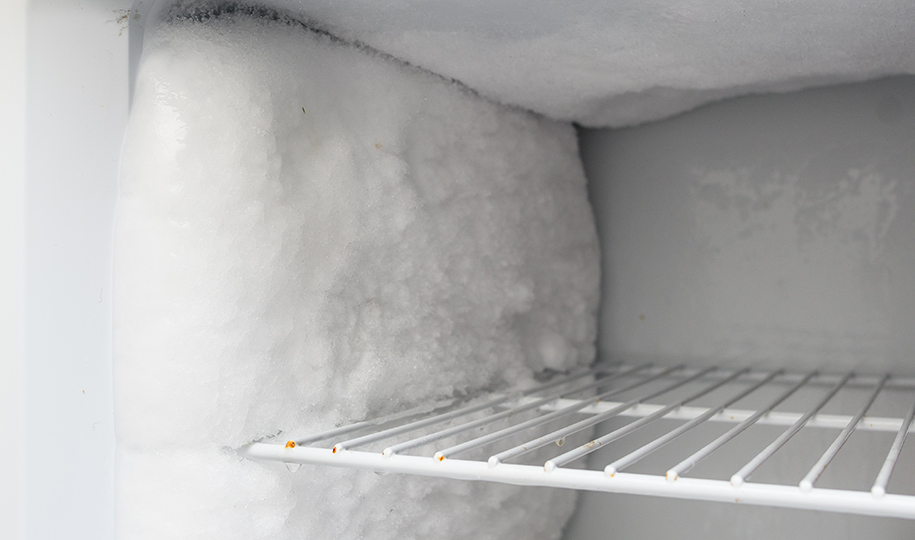
Credit: homewarranty.firstam.com
Steps To Prevent Refrigerator Sweating
Refrigerator sweating happens when moisture builds up inside your fridge. This can cause water droplets and make the fridge less efficient. Taking simple steps helps stop this problem early. These actions keep your fridge dry and working well.
Check And Replace Door Seals
Door seals keep cold air inside and warm air out. If seals are cracked or loose, warm air enters. This causes moisture and sweating inside. Check seals for damage by closing the door on a piece of paper. If the paper slips out easily, replace the seal. New seals save energy and stop moisture buildup.
Maintain Proper Temperature
Set your refrigerator temperature between 37°F and 40°F (3°C to 4°C). Too cold or too warm causes condensation. Use a fridge thermometer to check the temperature. Adjust settings if needed. Proper cooling stops moisture from forming inside your fridge.
Limit Door Opening Frequency
Opening the fridge door often lets warm air in. This warm air meets cold surfaces and creates moisture. Try to open the door only when needed. Close it quickly after use. This reduces humidity inside and prevents sweating.
Control Kitchen Humidity Levels
High kitchen humidity affects your refrigerator. Use a dehumidifier or exhaust fan to lower moisture in the air. Keep the kitchen well-ventilated. Dry air helps keep the fridge interior dry and sweat-free.
When To Call A Professional
Knowing when to call a professional for a sweating refrigerator can save time and prevent damage. Some issues need expert attention to fix properly and safely. Early action can avoid costly repairs and food spoilage.
Persistent Moisture Issues
Moisture inside the fridge that never goes away signals a deeper problem. Cleaning and drying might help for a short time. If sweating returns quickly, it means the moisture source is not fixed.
Professional technicians can inspect hidden parts and seals. They check for leaks, blocked drains, or faulty gaskets. These are common causes of ongoing moisture problems.
Potential Mechanical Problems
Mechanical faults can cause inside surfaces to sweat. Problems with the defrost system or thermostat affect temperature control. This leads to condensation build-up inside the fridge.
Experts have the tools and knowledge to diagnose these issues. They can repair or replace broken components safely. Ignoring mechanical problems can lead to bigger appliance failures.

Credit: www.searspartsdirect.com
Frequently Asked Questions
Why Is My Refrigerator Interior Sweating?
Sweating occurs when warm, moist air enters the fridge and condenses on cold surfaces. This often happens if the door seal is faulty or the door is frequently opened.
Can Refrigerator Sweating Cause Food Spoilage?
Yes, excess moisture can promote mold and bacteria growth, leading to faster food spoilage. Keeping the fridge dry helps maintain food freshness longer.
How Do I Stop My Fridge From Sweating Inside?
Ensure the door seals tightly and avoid leaving the door open for long. Adjust humidity settings if available and keep the fridge temperature between 37-40°F (3-4°C).
Does High Kitchen Humidity Affect Fridge Sweating?
High kitchen humidity increases moisture inside the fridge, causing condensation. Using a dehumidifier or improving ventilation can reduce fridge sweating.
Conclusion
Sweating inside your refrigerator happens because of warm air and moisture. This can cause water droplets to form on the walls. Keep the door closed as much as possible to reduce sweating. Check the door seal for any gaps or damage.
Adjust the temperature settings to the right level. Clean the fridge regularly to keep it dry and fresh. Small steps can stop the sweating and keep your food safe. Paying attention helps your refrigerator work better and last longer. Simple fixes make a big difference in preventing moisture inside.