Have you ever found yourself in a kitchen conundrum, wondering whether you can safely use an extension cord with your refrigerator? You’re not alone.
Many people face this dilemma, especially when outlets are inconveniently placed. You might think it’s a simple solution, but there are crucial factors you need to consider to avoid safety hazards and potential damage to your appliance. Before you plug in that cord, let’s explore the risks, benefits, and best practices to ensure you’re making the safest choice for your home.
Your peace of mind and your refrigerator’s longevity could depend on it. Keep reading to discover what you need to know.

Credit: www.amazon.in
Risks Of Using Extension Cords
Using an extension cord with a refrigerator can cause serious risks. These risks affect safety and how well the appliance works. Knowing these dangers helps you avoid problems at home.
Potential Fire Hazards
Extension cords can overheat if not rated for heavy appliances. Overheating may cause the cord’s insulation to melt. This can lead to sparks and even fires. Refrigerators draw a lot of power, increasing the fire risk. Old or damaged cords make the risk worse. Using the wrong cord is a common cause of electrical fires.
Impact On Appliance Performance
Extension cords can reduce the power flow to your refrigerator. This causes the compressor to work harder than usual. Harder work means more wear and tear on the appliance. It can also lead to inconsistent cooling inside the fridge. Food may spoil faster if the temperature fluctuates. Poor performance shortens the refrigerator’s lifespan.
Electrical Overload Issues
Extension cords have limits on how much current they can carry. Plugging a refrigerator into an overloaded cord can cause power failures. Overloads can trip circuit breakers or blow fuses in your home. This disrupts your electricity and may damage other devices. Proper wiring and dedicated outlets prevent these problems.
Choosing The Right Extension Cord
Choosing the right extension cord for your refrigerator is crucial to keep it running safely and efficiently. Not every extension cord can handle the power demands of a refrigerator, and using the wrong one might cause damage or even pose a fire hazard. Let’s break down what you need to look for to make the best choice.
Gauge And Length Considerations
The thickness of the wire inside the extension cord, called the gauge, directly affects how much electricity it can safely carry. A lower gauge number means a thicker wire and better capacity. For refrigerators, a cord with a gauge of 14 or lower is usually necessary.
Length also matters. The longer the cord, the more resistance electricity faces, which can reduce power efficiency. Try to use the shortest cord possible that still reaches your outlet to avoid voltage drops that strain your refrigerator.
Heavy-duty Vs. Standard Cords
Standard extension cords are designed for light-duty tasks like powering lamps or chargers. They often can’t handle the continuous high current your refrigerator requires. Heavy-duty cords, on the other hand, are built with thicker wires and stronger insulation to handle appliances like refrigerators safely.
Have you ever noticed your fridge running louder or warmer after plugging it into an extension? That’s a sign you might be using the wrong cord. Choosing a heavy-duty cord helps prevent these issues and keeps your appliance running smoothly.
Certified Safety Ratings
Always check for safety certifications such as UL (Underwriters Laboratories) or ETL (Intertek) marks on the extension cord packaging. These certifications mean the cord has been tested and meets safety standards. Using uncertified cords increases the risk of electrical hazards.
Think about your peace of mind. Would you trust your refrigerator’s power supply to an uncertified cord just to save a few bucks? Investing in a certified extension cord protects your home and your appliance.
Proper Usage Tips
Using an extension cord with your refrigerator requires care. Improper use can cause damage or safety risks. Follow these proper usage tips to keep your appliance safe and running smoothly.
Avoiding Overheating
Choose an extension cord rated for heavy appliances. Thin or cheap cords may overheat under the fridge’s power load. Avoid long cords that cause voltage drop and heat buildup. Check the cord for signs of wear or damage regularly. Never cover the cord with rugs or furniture that block airflow.
Ensuring Secure Connections
Plug the extension cord firmly into the outlet and the refrigerator. Loose connections create sparks and heat. Use cords with grounded plugs for better safety. Avoid using multiple extension cords together. Keep the plugs and sockets clean and dry to prevent electrical shorts.
Placement And Environment
Place the extension cord away from water sources. Avoid areas with high humidity or heat. Keep the cord off the floor to prevent tripping hazards. Arrange the cord so it is not pinched or bent sharply. Use indoors only and do not expose it to direct sunlight or rain.
Alternatives To Extension Cords
Using an extension cord with a refrigerator is not the safest choice. There are better options to power your fridge safely. These alternatives help avoid electrical hazards and keep your appliance running smoothly.
Relocating The Refrigerator
Moving the refrigerator closer to an existing outlet is a simple solution. It eliminates the need for extra cords. Check the room layout to find a suitable spot near a power source. This also improves the kitchen’s appearance by reducing visible cables.
Installing Additional Outlets
Adding new power outlets near the fridge area ensures safe and direct power access. Hiring a licensed electrician is best for this job. They will install outlets that meet electrical codes and handle the fridge’s power load. This option is permanent and increases the room’s convenience.
Using Power Strips Safely
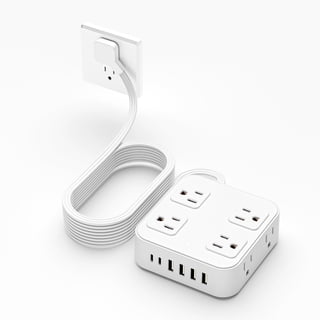
Power strips can be used if they are heavy-duty and rated for appliances. Avoid cheap or overloaded strips. Choose one with a built-in circuit breaker for extra protection. Always plug the power strip directly into the wall outlet. Keep the strip away from water and heat sources.
Signs You Should Stop Using An Extension Cord
Using an extension cord with your refrigerator might seem like a simple fix, but it’s important to recognize when it’s time to stop. Ignoring warning signs can lead to serious electrical hazards or damage to your appliance. Knowing what to watch for helps you protect your fridge and your home.
Visible Damage Or Wear
Check your extension cord regularly. If you see cracks, frayed wires, or burn marks, it’s a clear signal to stop using it immediately. Damaged cords increase the risk of electrical shorts or fires.
Even if the damage looks minor, don’t take chances. Have you ever noticed your cord heating up unusually? That’s another red flag that it can’t handle the refrigerator’s power needs safely.
Frequent Tripping Of Breakers
If your circuit breaker trips often when your refrigerator is plugged into an extension cord, it’s a sign the cord or your electrical system is overloaded. This situation stresses your wiring and can cause permanent damage.
Ask yourself: Is the breaker tripping only with the fridge, or other devices too? If it’s mostly with the fridge, the extension cord might not be adequate for the fridge’s power draw.
Appliance Malfunctions
Is your refrigerator running erratically, making unusual noises, or failing to keep food cold? These issues might stem from inconsistent power supply caused by an extension cord that’s not up to the task.
Your fridge needs steady voltage to operate correctly. If the extension cord is too thin or too long, it may cause voltage drops that lead to malfunctions.

Credit: www.amazon.in
Credit: www.walmart.com
Frequently Asked Questions
Can I Safely Use An Extension Cord With My Refrigerator?
Using an extension cord with a refrigerator is generally not recommended. It can cause overheating and pose fire risks. If necessary, use a heavy-duty, grounded extension cord rated for the refrigerator’s power needs. Always ensure the cord is in good condition and properly connected.
What Type Of Extension Cord Is Best For Refrigerators?
Choose a heavy-duty extension cord with a gauge of 14 or lower for refrigerators. It should be grounded and rated for at least 15 amps. Avoid thin or light-duty cords, as they can overheat and damage your appliance or cause electrical hazards.
Will An Extension Cord Affect Refrigerator Performance?
Yes, an improper extension cord can reduce power flow and cause the refrigerator to work harder. This may lead to inefficient cooling, increased energy consumption, and potential damage to the compressor. Always use the right cord to maintain optimal performance.
How Long Can An Extension Cord Be For A Refrigerator?
Keep the extension cord as short as possible, ideally under 25 feet. Longer cords can cause voltage drops, overheating, and power loss. A short, high-quality cord ensures safe operation and consistent power supply to your refrigerator.
Conclusion
Using an extension cord with a refrigerator needs care and caution. Not all cords can handle the power your fridge uses. Choose a thick, heavy-duty cord to avoid risks. Avoid long or thin cords that can cause overheating. Keep the cord away from water and heat sources.
Always check the fridge manual for specific advice. Safety comes first to protect your appliance and home. Think twice before using an extension cord regularly with your fridge. Better to plug it directly into a wall outlet whenever possible.