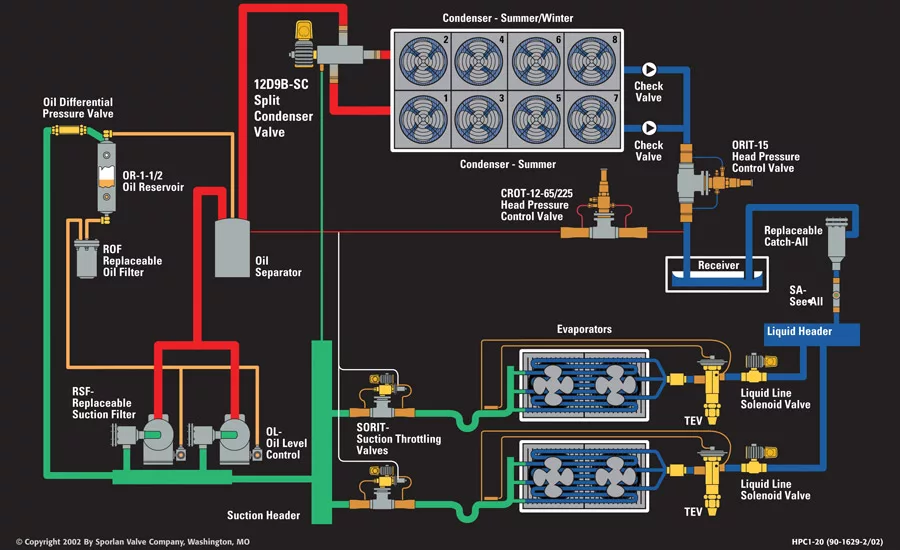
Ever found yourself wondering why your refrigeration system isn’t performing as it should? One common culprit is high head pressure.
This issue can wreak havoc on your system’s efficiency, leading to increased energy costs and potential damage. But what exactly causes this high head pressure? More importantly, how can you fix it before it becomes a costly problem? We’ll delve into the root causes of high head pressure in refrigeration systems and provide actionable solutions.
By understanding these factors, you can ensure your system runs smoothly, saving you time, money, and frustration. Ready to learn how to keep your refrigeration system in top shape? Let’s dive in!

Credit: www.achrnews.com
Common Causes Of High Head Pressure
High head pressure in refrigeration systems can lead to inefficiency, increased energy bills, and even equipment failure. Understanding the common causes helps you tackle the problem before it worsens. Let’s look at some typical reasons why your system might be experiencing high head pressure.
Dirty Condenser Coils
Dirty condenser coils block heat exchange, causing the refrigerant to stay hot and increase pressure. Dust, dirt, and debris build-up reduce airflow, making the condenser work harder. Cleaning the coils regularly can prevent this and keep your system running smoothly.
Overcharged Refrigerant
Too much refrigerant in the system raises the pressure beyond normal levels. It’s like adding extra fuel to a fire—it only makes things hotter and more intense. Checking the refrigerant charge and adjusting it to the manufacturer’s specs can fix this issue quickly.
Faulty Condenser Fan
If the condenser fan isn’t working properly, it can’t cool down the refrigerant effectively. A broken or slow fan means heat builds up, pushing the pressure higher. Inspect the fan regularly and replace or repair it if you notice unusual noises or reduced airflow.
Restricted Airflow
Obstructions around the condenser unit, like plants, furniture, or debris, limit airflow. Poor airflow means heat doesn’t dissipate well, causing pressure to rise. Clearing the area around your unit and ensuring good ventilation can help maintain proper pressure levels.
High Ambient Temperature
When the outdoor temperature is very high, the condenser struggles to release heat efficiently. This naturally leads to increased head pressure in the system. Consider shading your condenser or running the system during cooler times to reduce stress on the unit.

Credit: www.reddit.com
Impact Of Refrigerant Issues
Refrigerant issues play a key role in causing high head pressure in refrigeration systems. These problems affect system performance and increase pressure levels. Understanding how refrigerant problems impact the system helps in quick diagnosis and repair.
Low Refrigerant Levels
Low refrigerant levels reduce the cooling capacity of the system. This causes the compressor to work harder, raising the pressure on the head side. Leaks or improper charging often cause low refrigerant. A system running low on refrigerant struggles to maintain proper pressure balance.
Signs of low refrigerant include longer cooling cycles and warm temperatures. The system may also freeze up or show high discharge pressure. Regular checks and maintenance prevent low refrigerant issues and avoid damage to components.
Incorrect Refrigerant Type
Using the wrong refrigerant type disrupts pressure settings and system efficiency. Each refrigerant has unique pressure-temperature characteristics. An incompatible refrigerant causes abnormal pressure rises and potential system failures.
Incorrect refrigerant can lead to poor lubrication and increased wear on parts. It may also cause the compressor to overheat. Always verify refrigerant type during service to maintain proper head pressure and system health.
Mechanical Problems Leading To High Pressure
Mechanical problems are a common cause of high head pressure in refrigeration systems. These issues affect how the system runs and can increase pressure quickly. Identifying mechanical faults helps prevent damage and keeps the system efficient.
Compressor Malfunctions
The compressor plays a key role in moving refrigerant through the system. If it malfunctions, the pressure rises sharply. Common compressor problems include worn parts, leaks, or electrical faults. These issues reduce compressor efficiency and cause high pressure.
A failing compressor may also overheat and increase energy use. Regular checks can spot problems early. Fixing compressor faults restores normal pressure and saves costs.
Blocked Condenser Tubes
Condenser tubes remove heat from the refrigerant. Blockages in these tubes stop heat transfer, causing pressure to build up. Dirt, debris, or corrosion can block the tubes.
Blocked tubes force the system to work harder. This raises head pressure and strains components. Cleaning or replacing tubes clears blockages. This helps maintain the right pressure and extends system life.
Environmental And Installation Factors
Environmental and installation factors play a big role in causing high head pressure in refrigeration systems. These factors affect how well the system can release heat. Poor choices in placing the unit or allowing enough airflow can make the system work harder. This increases pressure and lowers efficiency.
Poor Unit Placement
Placing the refrigeration unit in a tight or enclosed space traps heat around it. Heat builds up and raises the pressure inside the system. Avoid putting units near heat sources like ovens or direct sunlight. Keep enough space around the unit to let heat escape easily. Proper placement helps maintain normal pressure levels.
Inadequate Ventilation
Good airflow is key to removing heat from the condenser coil. Without enough ventilation, hot air stays near the unit. This causes high head pressure and forces the compressor to work harder. Ventilation should be clear of obstructions like walls or debris. Fans or vents can help improve airflow and reduce pressure problems.
Preventive Measures And Maintenance Tips
High head pressure in refrigeration systems often signals underlying issues that can escalate if left unchecked. Preventive measures and regular maintenance play a vital role in keeping your system running smoothly and efficiently. Paying close attention to simple yet effective practices can save you from costly repairs and downtime.
Regular Coil Cleaning
Dirty coils restrict airflow and cause the compressor to work harder, which raises the head pressure. You should clean the condenser coils at least every three months to remove dust, dirt, and debris. Using a soft brush or a vacuum cleaner can help you gently clear the coils without damaging them.
Have you noticed your system struggling during hot days? That’s often a sign the coils need attention. Keeping them clean improves heat transfer and reduces the risk of high head pressure.
Proper Refrigerant Charging
Incorrect refrigerant levels directly affect the pressure inside your system. Too much refrigerant can cause excessive pressure, while too little reduces cooling efficiency. It’s essential to use the manufacturer’s guidelines or consult a professional to charge your system correctly.
Think about the last time you had a technician check your system—did they verify the refrigerant charge? Small adjustments can prevent major pressure problems down the line.
Routine System Inspections
Regular inspections help catch issues before they cause high head pressure. Check for leaks, damaged components, and blockages in the refrigerant lines. Pay attention to the compressor’s performance and listen for unusual noises.
Scheduling routine inspections every few months keeps your system in top shape. Have you set reminders to perform these checks? Staying proactive can extend your refrigeration system’s lifespan significantly.

Credit: www.reddit.com
Frequently Asked Questions
What Are Common Causes Of High Head Pressure In Refrigeration?
High head pressure often results from dirty condenser coils, overcharged refrigerant, or poor airflow. These issues restrict heat dissipation, causing pressure to rise. Regular maintenance and proper system charging can prevent these causes and ensure efficient refrigeration operation.
How Does High Ambient Temperature Affect Head Pressure?
High ambient temperature increases the condenser’s workload, limiting heat rejection. This leads to higher head pressure as the system struggles to cool the refrigerant efficiently. Proper ventilation and shading can help reduce ambient heat impact on refrigeration units.
Can Refrigerant Overcharge Cause High Head Pressure?
Yes, overcharging refrigerant increases system pressure by adding excess fluid. This overloads the condenser and raises head pressure, reducing cooling efficiency. Accurate refrigerant levels are crucial for optimal system performance and avoiding damage.
Why Is Airflow Important In Preventing High Head Pressure?
Good airflow removes heat from condenser coils effectively, maintaining normal head pressure. Blocked or restricted airflow traps heat, causing pressure to climb. Ensuring clean coils and unobstructed airflow paths is vital for stable refrigeration pressure.
Conclusion
High head pressure in refrigeration can cause system problems. Common causes include dirty coils, blocked airflow, or wrong refrigerant levels. Regular maintenance helps keep the system running smoothly. Check filters and clean coils often. Avoid ignoring signs like overheating or strange noises.
Fixing issues early saves money and extends equipment life. Understanding these causes makes troubleshooting easier. Keep your refrigeration system healthy for best performance. Simple care prevents costly repairs and downtime.