
Are you planning to transport perishable goods and wondering, “How much does it cost to rent a refrigerated truck?” You’re not alone. Whether you need to move fresh produce, frozen foods, or temperature-sensitive items, knowing the rental costs upfront can save you time and money.
You’ll discover the key factors that affect pricing and get clear answers to help you make the best choice for your budget and needs. Keep reading to avoid surprises and make your refrigerated truck rental smooth and affordable.

Credit: www.rentalyard.com
Factors Affecting Rental Prices
Several factors influence the cost to rent a refrigerated truck. Understanding these helps estimate your budget better. Prices vary based on the truck’s size, rental length, and distance traveled. Demand during certain seasons also affects rates. Extra features and equipment add to the total cost. Each of these elements plays a key role in pricing.
Truck Size And Capacity
Larger trucks with higher capacity usually cost more to rent. They use more fuel and require more maintenance. Small trucks suit small loads and are cheaper. Choose the size based on your cargo volume. Avoid renting a bigger truck than needed to save money.
Rental Duration
Longer rental periods often mean higher total costs. Daily or weekly rates vary by company. Some offer discounts for extended rentals. Short-term rentals might have higher daily prices. Plan your rental length carefully to balance cost and needs.
Distance And Mileage
Distance traveled impacts rental price. Many companies charge extra for miles beyond a set limit. Longer trips increase fuel and wear costs. Always check mileage limits in the rental agreement. Estimate your route distance to avoid surprise fees.
Seasonal Demand
Rental prices rise during peak seasons. Winter holidays and summer months see higher demand. More customers mean less availability and higher prices. Booking early can lock in better rates. Off-season rentals often cost less.
Additional Equipment And Features
Special features add to the rental price. Temperature control settings, GPS, and lift gates increase costs. Some trucks offer insulation upgrades or extra storage. Decide which features are necessary for your shipment. Avoid paying for extras you don’t need.

Credit: www.rentalyard.com
Average Rental Costs By Truck Type
Rental costs for refrigerated trucks vary by size and type. Choosing the right truck size affects the price and your budget. Understanding average costs helps plan your expenses clearly.
Small Refrigerated Trucks
Small refrigerated trucks usually carry 1,000 to 3,000 pounds. They suit local deliveries and small loads. Daily rental prices range from $100 to $200. Weekly rentals often cost between $500 and $900. These trucks offer basic refrigeration and easy maneuverability.
Medium Refrigerated Trucks
Medium refrigerated trucks handle 3,000 to 10,000 pounds. They work well for regional transport and larger loads. Daily rental rates typically fall between $200 and $350. Weekly rentals can reach $1,200 to $2,000. These trucks provide better cooling options and more cargo space.
Large Refrigerated Trucks
Large refrigerated trucks carry over 10,000 pounds. Ideal for long-distance hauls and big shipments. Daily rental prices range from $350 to $600 or more. Weekly rentals cost between $2,000 and $3,500. They feature advanced refrigeration systems and maximum storage capacity.
Costs For Short-term Vs Long-term Rentals
Costs for renting a refrigerated truck vary depending on rental length. Short-term rentals are perfect for quick jobs or emergencies. Long-term rentals suit ongoing needs or projects lasting weeks or months. Understanding the price differences helps plan your budget better.
Daily Rental Rates
Daily rates usually cost more per day than longer rentals. The price depends on truck size, refrigeration type, and location. Small trucks might start around $100 to $150 per day. Larger trucks with advanced cooling systems can cost $200 or more daily.
Short-term rentals offer flexibility but at a higher daily price. Extra fees like mileage or fuel might apply. Always ask about these to avoid surprises.
Weekly And Monthly Discounts
Renting for a week or longer often lowers the daily cost. Companies offer discounts to encourage longer rentals. Weekly rentals can reduce daily costs by 10% to 20%. Monthly rentals may cut daily rates by 30% or more.
Long-term rentals suit steady work or frequent use. They provide cost savings and more predictable expenses. Check rental agreements for any limits on mileage or usage.
Extra Charges To Expect
Renting a refrigerated truck involves more than just the base rental fee. It’s crucial to understand the extra charges that may arise. Knowing these costs helps you budget more accurately. Below are some key areas where additional fees may apply.
Fuel Costs
Fuel is a major expense in refrigerated truck rentals. These trucks consume more fuel to keep goods cold. Consider the distance and fuel efficiency of the truck. Factor in fluctuating fuel prices too. It’s wise to calculate potential fuel costs before renting.
Insurance Fees
Insurance is essential for any rental vehicle. It protects you from unforeseen incidents. Check if insurance is included in the rental agreement. If not, you may need to purchase additional coverage. Always review policy terms carefully.
Maintenance And Cleaning
Trucks must be returned in good condition. This includes cleanliness and functioning equipment. Some companies charge for cleaning and maintenance. Ensure you clean the truck before returning. Verify all equipment is in working order to avoid fees.
Late Return Penalties
Returning a truck late can incur penalties. These fees can add up quickly. Be aware of the rental company’s return policy. Plan your schedule to return the truck on time. Confirm the deadline to avoid unexpected charges.
Tips For Lowering Rental Expenses
Lowering the cost of renting a refrigerated truck doesn’t have to be complicated. A few smart choices can make a big difference in your final bill. Let’s look at practical ways you can save money without sacrificing what you need.
Booking In Advance
Booking your refrigerated truck early can secure better rates and availability. Rental companies often offer discounts for reservations made weeks or even months ahead.
Waiting until the last minute usually means higher prices and fewer options. Think about your schedule and lock in your rental date as soon as you know it.
Comparing Rental Companies
Not all rental companies charge the same. Take time to shop around and compare prices, services, and hidden fees.
Look beyond the price—check customer reviews and what’s included in the rental. Sometimes paying slightly more upfront saves you headaches and extra costs later.
Choosing The Right Truck Size
Picking a truck that’s too big can inflate your rental cost unnecessarily. Conversely, a truck that’s too small might cause multiple trips, adding fuel and time expenses.
Assess your cargo volume carefully. If you’re unsure, ask the rental company for advice based on your load size and delivery route.
Understanding Rental Terms
Rental agreements can hide fees for mileage, fuel, or late returns. Read the fine print and ask questions before signing anything.
Clarify what’s included in the price and what triggers extra charges. Knowing this helps you avoid surprises and plan your trip more efficiently.
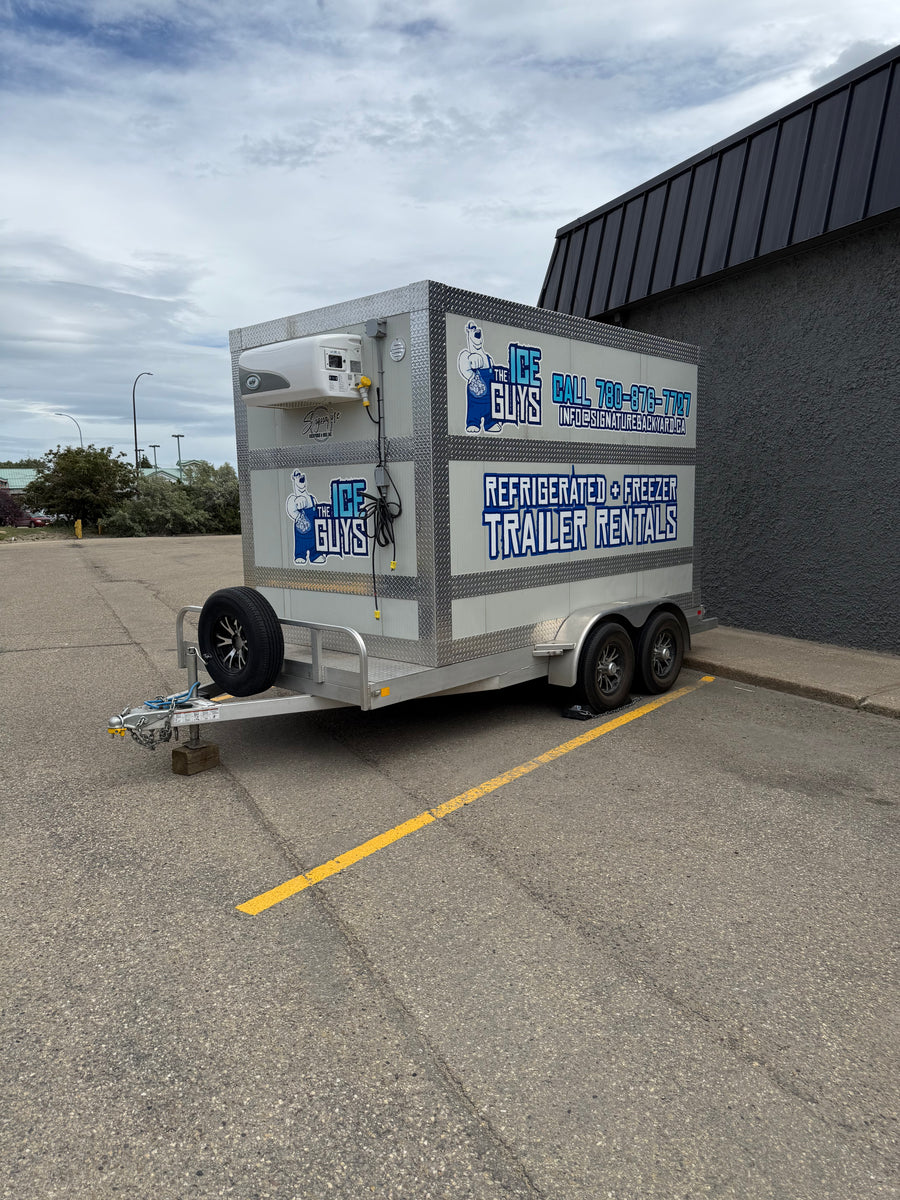
Credit: signaturebackyard.ca
Where To Rent Refrigerated Trucks
Finding the right place to rent a refrigerated truck matters for cost and convenience. Different rental sources offer various options. Each type suits different needs and budgets. Understanding where to rent helps you make the best choice for your business or event.
Local Rental Companies
Local rental companies serve specific areas or cities. They often provide personalized service and flexible rental terms. These companies might offer competitive prices due to lower overhead. You can inspect the truck before renting. Local firms may allow short-term or last-minute rentals. They usually have fewer trucks but focus on customer care.
National Rental Chains
National rental chains have multiple locations across the country. They offer a wide range of refrigerated trucks in different sizes. These companies maintain consistent quality and standardized pricing. You can pick up and drop off trucks at many locations. National chains often provide online booking and 24/7 customer support. They suit businesses with frequent or long-distance transport needs.
Online Rental Platforms
Online rental platforms connect renters with truck owners or companies. They list many options in one place for easy comparison. You can filter trucks by size, price, and location. These platforms offer user reviews to help choose trusted providers. Booking is fast and convenient with instant quotes. Online platforms benefit those who want quick access and diverse choices.
Frequently Asked Questions
How Much Does It Cost To Rent A Refrigerated Truck?
The average cost to rent a refrigerated truck ranges from $100 to $200 per day. Prices vary based on truck size, rental duration, and location.
What Factors Affect Refrigerated Truck Rental Prices?
Rental costs depend on truck size, rental length, mileage, fuel type, and additional features like temperature control settings.
Are There Extra Fees When Renting Refrigerated Trucks?
Yes, extra fees may include insurance, mileage overage, fuel charges, and sometimes a security deposit or cleaning fee.
Can I Rent A Refrigerated Truck For Short Periods?
Yes, many companies offer daily or hourly rentals, ideal for short-term transport needs or small deliveries.
Conclusion
Renting a refrigerated truck depends on several key factors. Size, rental duration, and distance all affect the price. Extra features and seasonal demand can change costs too. Planning your trip and knowing your needs helps save money. Compare different rental companies for the best deal.
Always check for hidden fees before signing any contract. Choosing the right refrigerated truck keeps your goods fresh and safe. Understanding costs avoids surprises and helps you budget better. Keep these tips in mind to make smart rental choices.