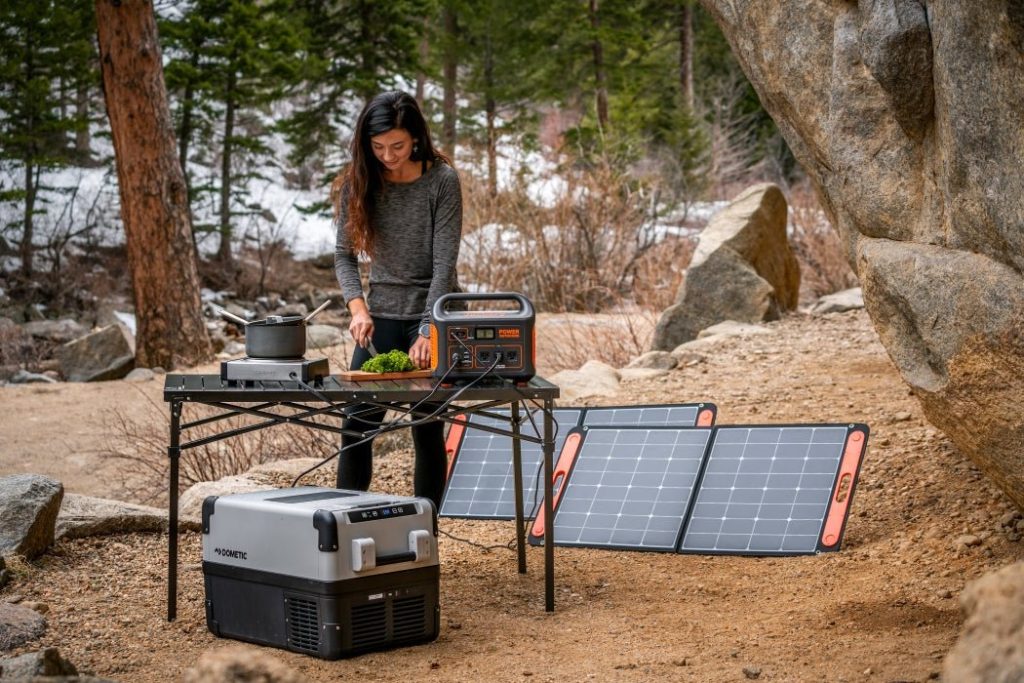
Are you wondering how many solar panels you need to keep your refrigerator and freezer running smoothly? You’re not alone.
Knowing the right number of panels can save you money, avoid power outages, and make your home more energy-efficient. You’ll discover simple steps to calculate your energy needs, understand how solar panels work for your appliances, and get practical tips to set up your system without hassle.
Keep reading, and you’ll gain the confidence to power your fridge and freezer with clean, reliable solar energy.
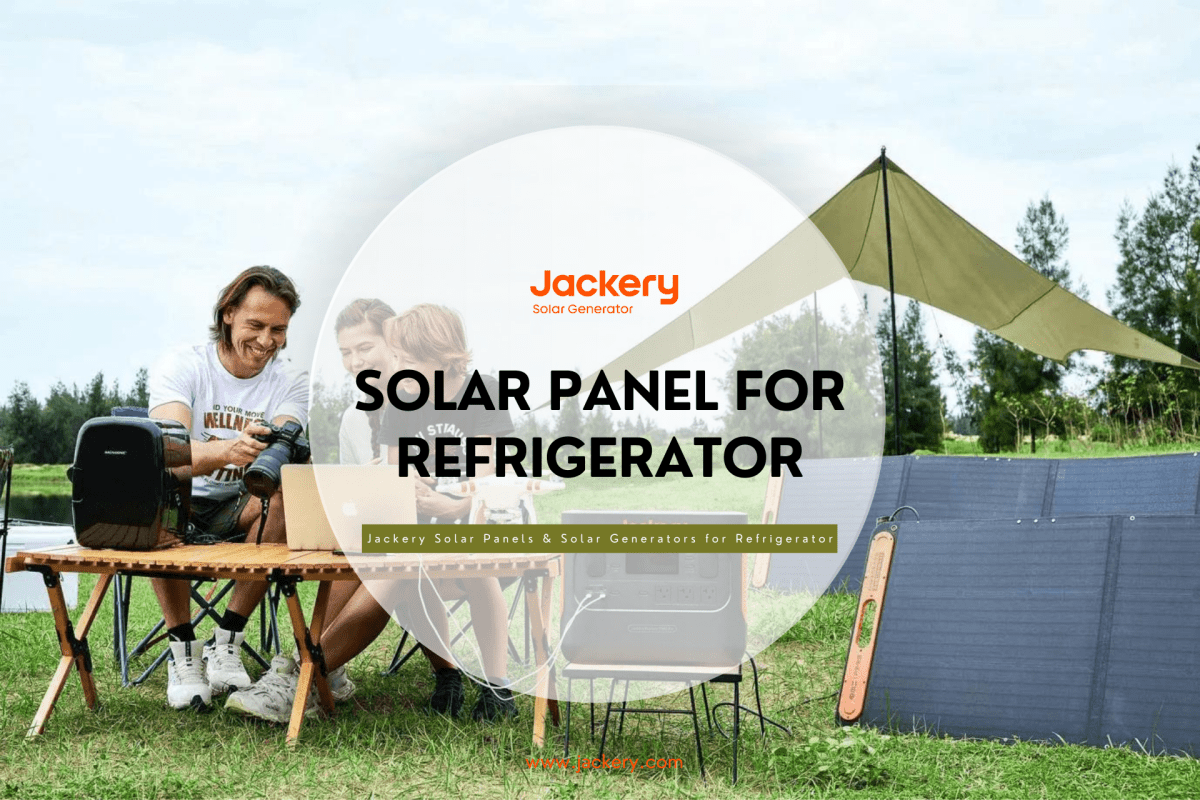
Credit: www.jackery.com
Calculating Energy Needs
Calculating the energy needs of your refrigerator and freezer is the foundation for deciding how many solar panels you need. Without clear numbers, you risk underestimating or overspending on your solar setup. Let’s break down the power consumption so you can make a smart, efficient choice.
Estimating Refrigerator Power Consumption
Start by checking the energy label or manual of your refrigerator. Most models list power usage in watts or kilowatt-hours (kWh) per year. If you only have wattage, note it down; if you have annual kWh, divide by 365 to get daily consumption.
If your fridge uses 150 watts and runs about 8 hours a day, multiply 150 watts by 8 hours to get 1,200 watt-hours, or 1.2 kWh daily. Remember, actual usage varies based on temperature settings and how often you open the door. Consider adding a 10-15% buffer to cover these variations.
Assessing Freezer Energy Usage
Freezers often run longer because they maintain a lower temperature. Like with your refrigerator, find the wattage or annual kWh rating. A typical freezer might use 200 watts and run for 10 hours daily.
Multiply 200 watts by 10 hours to get 2,000 watt-hours or 2 kWh per day. You might notice that older freezers consume more energy, so if your model is over 10 years old, expect higher usage. Have you ever wondered why your old freezer feels like a mini heater? That’s wasted energy you’ll want to capture in your calculations.
Total Daily Energy Requirement
Add the daily energy use of your refrigerator and freezer to find your total. Using the examples above, 1.2 kWh plus 2 kWh equals 3.2 kWh per day. This total is what your solar panels must generate, plus a margin for cloudy days and energy losses.
Don’t forget to factor in the efficiency of your solar system—usually around 75-85%. So, if your daily need is 3.2 kWh, divide by 0.8 (80% efficiency) to find the actual solar output required, which is 4 kWh.
Are you tracking your appliances’ energy use? It’s a simple step that gives you control over your power needs and helps avoid surprises in your solar panel setup.
Choosing The Right Solar Panels
Choosing the right solar panels is crucial when planning to power your refrigerator and freezer efficiently. The right panels ensure you get enough energy without overspending or dealing with unnecessary equipment. Understanding the types, efficiency, and how to size them properly will help you make an informed decision that fits your needs perfectly.
Types Of Solar Panels
Solar panels come in three main types: monocrystalline, polycrystalline, and thin-film. Monocrystalline panels are the most efficient and take up less space, making them ideal if you have limited roof area.
Polycrystalline panels are usually less expensive but slightly less efficient. Thin-film panels are lightweight and flexible but require more space and are less durable.
Think about your available space and budget. If you want a compact setup that fits well on your roof, monocrystalline might be the way to go.
Panel Efficiency And Output
Efficiency tells you how well a panel converts sunlight into electricity. Higher efficiency means more power from less sunlight and less space needed.
Panels typically range from 15% to 22% efficiency. For running a refrigerator and freezer consistently, panels with at least 18% efficiency provide a good balance.
Also, check the wattage output. A 300-watt panel produces more energy than a 250-watt one under the same conditions. You want panels that can reliably meet your appliance’s energy needs throughout the day.
Sizing Solar Panels For Appliances
Start by figuring out the total watt-hours your refrigerator and freezer use daily. For example, a typical fridge might use around 150 watt-hours per day, while a freezer might use 200 watt-hours.
Add these together and then factor in extra power for cloudy days or energy losses—about 20-30% more. This gives you a safety margin so your appliances don’t suddenly run out of power.
Divide your total daily energy need by the panel’s daily energy production (wattage × sunlight hours) to find out how many panels you need.
Imagine you get 5 hours of good sunlight daily and use 350 watt-hours combined. A 300-watt panel produces about 1500 watt-hours daily (300 × 5). So, one panel could be enough, but adding a second panel gives you peace of mind.
Battery Storage Considerations
Battery storage plays a crucial role in powering your refrigerator and freezer with solar energy. Without adequate storage, your appliances might lose power during cloudy days or at night. Understanding how to size and select the right battery setup ensures your cold storage stays consistent and reliable.
Battery Capacity For Continuous Power
You need enough battery capacity to keep your fridge and freezer running when the sun isn’t shining. Calculate your appliances’ total watt-hours per day, then choose a battery that can store at least that amount of energy. Remember to factor in efficiency losses—batteries don’t deliver 100% of their rated capacity.
For instance, if your fridge and freezer together use 1200 watt-hours daily, a 1500 watt-hour battery capacity is safer. This buffer helps avoid unexpected outages. How long do you want your system to run without solar input? That answer guides your battery size.
Types Of Batteries For Solar Systems
There are several battery options, each with pros and cons that affect performance and cost. Lead-acid batteries are affordable but heavy and require maintenance. Lithium-ion batteries cost more upfront but last longer and handle deeper discharges.
You might find flooded lead-acid, sealed AGM, gel, or lithium batteries in solar setups. Consider your budget, space, and how much power you need. A lithium battery might be worth the investment if you want a compact system with minimal upkeep.
Calculating Backup Storage Needs
Decide how many hours or days of backup power you want for your fridge and freezer. Multiply your daily energy use by the number of days to get total watt-hours needed. Then, adjust for battery efficiency and depth of discharge limits.
For example, if your fridge and freezer consume 1200 watt-hours per day and you want 2 days of backup:
| Calculation Step | Value |
|---|---|
| Daily Energy Use | 1200 Wh |
| Days of Backup | 2 |
| Total Energy Needed | 2400 Wh (1200 Wh × 2) |
| Adjust for 80% Depth of Discharge | 3000 Wh (2400 ÷ 0.8) |
This means you’ll want a battery bank rated at 3000 watt-hours or 3 kWh to safely support your appliances for two days without solar input.
Inverter And System Components
To run a refrigerator and freezer efficiently on solar power, understanding your inverter and system components is essential. These parts convert and manage the electricity generated, ensuring your appliances get the right power at the right time. Let’s break down the key elements that make your solar setup reliable and safe.
Inverter Size And Type
The inverter changes the direct current (DC) from your solar panels into alternating current (AC) used by your refrigerator and freezer. Choosing the right size is crucial—too small, and it won’t handle the startup surge of your appliances; too large, and you’ll waste money and energy.
A good rule is to pick an inverter rated 20-30% higher than your combined appliance wattage. For example, if your refrigerator and freezer together draw 600 watts, a 750-800 watt inverter is ideal. Also, consider a pure sine wave inverter for smoother, safer power that protects sensitive electronics inside your fridge.
Additional System Parts
Besides the inverter, your solar system needs a few more components to work smoothly:
- Solar Charge Controller:Prevents your batteries from overcharging and regulates power flow.
- Batteries:Store energy so your appliances run even when the sun isn’t shining.
- Mounting Hardware:Keeps your solar panels securely positioned for maximum sunlight exposure.
- Monitoring System:Lets you track your energy production and consumption in real-time.
Each part plays a role in maintaining consistent power. Skipping any could cause system failure or inefficiency.
Wiring And Safety Measures
Proper wiring ensures safe and efficient power flow from your panels to your appliances. Use cables rated for the current your system will carry, and keep wire runs as short as possible to reduce energy loss.
Don’t overlook safety devices like fuses or circuit breakers—they protect your setup from overloads and short circuits. Grounding your system is also essential to prevent electrical shocks or damage during storms.
Have you checked if your wiring meets local electrical codes? Following these standards protects you and your home while optimizing system performance.
Installation And Maintenance Tips
Proper placement and regular cleaning keep solar panels efficient for running refrigerators and freezers. Check connections often and avoid shade to maintain good energy flow. Routine inspection helps spot issues early, ensuring steady power supply.
Installing solar panels to power your refrigerator and freezer can be a game-changer for your energy bill. But to keep everything running smoothly, installation and maintenance are crucial. With the right placement, routine checks, and a bit of troubleshooting, your solar system can efficiently keep your appliances humming along.Optimal Panel Placement
Ensuring your solar panels are in the right spot is key. Place them where they receive maximum sunlight, typically on a south-facing roof if you’re in the northern hemisphere. Remember, even a little shade can significantly reduce efficiency, so keep panels away from trees or tall structures. Consider tilt angle as well. Adjusting the angle seasonally can optimize energy capture, especially in areas with distinct seasonal changes. A simple adjustment might make a big difference in energy output.Routine System Checks
Regularly checking your system can prevent minor issues from becoming major headaches. Inspect the panels for dirt or debris, which can block sunlight and reduce efficiency. Cleaning them with water and a soft brush can often do the trick. Check the wiring and connections too. Loose or damaged wires can lead to energy loss or even safety hazards. Ensure everything is securely attached and free from corrosion.Troubleshooting Common Issues
Sometimes, despite your best efforts, things might not work as planned. If your system isn’t producing as much energy as expected, start by checking for obstructions or shading on the panels. Simple things like fallen leaves can affect performance. If the panels are clear, verify the inverter settings. An incorrect setting can lead to inefficiency, so refer to the manual or consult with an expert if needed. Lastly, keep an eye on your battery storage. If your fridge and freezer aren’t running consistently, it might be a battery issue. Ensure they are fully charged and check for any signs of wear or damage. By keeping these tips in mind, you’ll be better equipped to harness the sun’s power effectively. What steps will you take to ensure your system runs smoothly?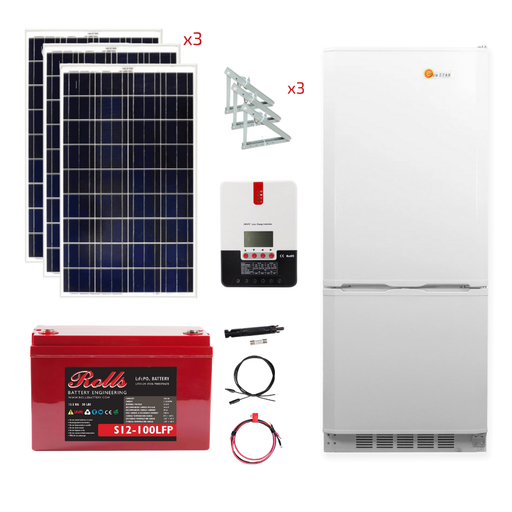
Credit: thecabindepot.ca
Cost And Savings Analysis
Understanding the cost and savings related to running your refrigerator and freezer on solar power is essential before making any decisions. This analysis helps you see beyond the upfront expenses and appreciate the long-term benefits. It also guides you in choosing the right number of solar panels to match your energy needs without overspending.
Initial Investment Breakdown
The first cost to consider is buying the solar panels themselves. A typical residential solar panel costs between $200 and $400 each, depending on wattage and brand. To power a refrigerator and freezer, you might need around 3 to 5 panels, which means an initial panel cost of roughly $600 to $2,000.
Besides panels, you need an inverter, batteries for energy storage, wiring, and professional installation. These extra components can add $1,000 to $3,000 to your investment. Expect the total initial setup to range from $1,600 to $5,000.
Long-term Energy Savings
Once your solar system is up and running, your electricity bill drops significantly. Refrigerators and freezers run 24/7, so cutting their grid power usage saves you money every month. On average, you could save $10 to $20 monthly, depending on your local electricity rates.
Solar panels typically last 25 years or more, so your savings add up over time. Plus, solar energy protects you from rising utility costs. Have you checked how much your energy bills have increased over the past few years? Solar can shield you from those fluctuations.
Return On Investment Timeline
The break-even point usually falls between 5 to 10 years after installation. This timeline depends on your initial costs and how much energy your refrigerator and freezer consume. If you live in a sunny area and use energy-efficient appliances, you’ll hit ROI faster.
After recouping your investment, the electricity your solar panels generate is essentially free. Imagine how much you’ll save during the next 15 or 20 years of panel life. Wouldn’t you want to start enjoying those savings sooner rather than later?
Real-world Examples
Understanding how many solar panels you need to power your refrigerator and freezer is easier when you look at real-world examples. These examples reveal practical setups that match different lifestyles and energy needs. Whether you live in a small home, an off-grid cabin, or run a business, seeing actual cases can help you plan your solar system effectively.
Small Household Setup
Imagine a typical small household with a 10-cubic-foot refrigerator and a medium freezer. Together, they use roughly 200-300 watts each. To keep them running 24/7, you’d need about 5 to 7 solar panels rated at 300 watts each, depending on sunlight availability.
This setup also assumes you have a battery backup for nighttime use. Many homeowners find that adding a 2 kWh battery storage keeps their fridge and freezer running smoothly even during cloudy days. Have you checked your daily energy usage and matched it with panel output yet?
Off-grid Cabin Solution
Off-grid cabins typically use smaller, energy-efficient refrigerators to conserve power. A 4 to 6 cubic feet fridge freezer combo might draw about 100 watts. In this case, a system with 3 to 4 solar panels combined with a 1.5 kWh battery bank can provide consistent power.
One cabin owner shared how they reduced their solar panel count by switching to an Energy Star-rated fridge. This cut their energy needs by nearly 40%. Could swapping your appliances be the key to a smaller, more affordable solar setup?
Commercial Use Cases
Commercial refrigerators and freezers demand more power due to their size and continuous use. A single commercial unit can use between 500 to 1200 watts. Businesses often require 15 to 30 solar panels along with robust battery storage to maintain operation without grid dependence.
For example, a small grocery store installed 20 panels at 350 watts each and paired them with a 10 kWh battery. This setup covers refrigeration needs and reduces electricity bills significantly. What commercial refrigeration loads do you need to support with solar power?

Credit: deyeess.com
Frequently Asked Questions
How Many Solar Panels Power A Standard Refrigerator?
A standard refrigerator typically needs 1 to 2 solar panels. This depends on the fridge’s energy consumption and sunlight availability. On average, a 100-200 watt solar panel setup can keep a fridge running efficiently throughout the day.
Can Solar Panels Run Both Fridge And Freezer?
Yes, solar panels can power both a fridge and freezer. You need to calculate their combined wattage and add extra panels for efficiency. Usually, 3 to 4 panels suffice for running both appliances continuously.
What Size Solar Panel Is Best For A Refrigerator?
A 100 to 200 watt solar panel is ideal for most refrigerators. This size provides enough power without overspending. The exact size depends on your fridge’s energy needs and daily sunlight hours available.
How Many Solar Batteries Do I Need For Fridge Backup?
Typically, 1 to 2 deep-cycle solar batteries support a fridge backup. They store enough energy to keep the fridge running overnight or during cloudy days. Battery capacity depends on fridge wattage and desired backup duration.
Conclusion
Running a refrigerator and freezer on solar power needs careful planning. You must know the energy each appliance uses daily. Then, choose enough solar panels to cover that amount. Don’t forget to add extra panels for cloudy days. A good battery helps store power for night use.
This setup saves money and supports clean energy. Solar power can keep your food cold without high bills. Simple steps lead to reliable, eco-friendly cooling at home.