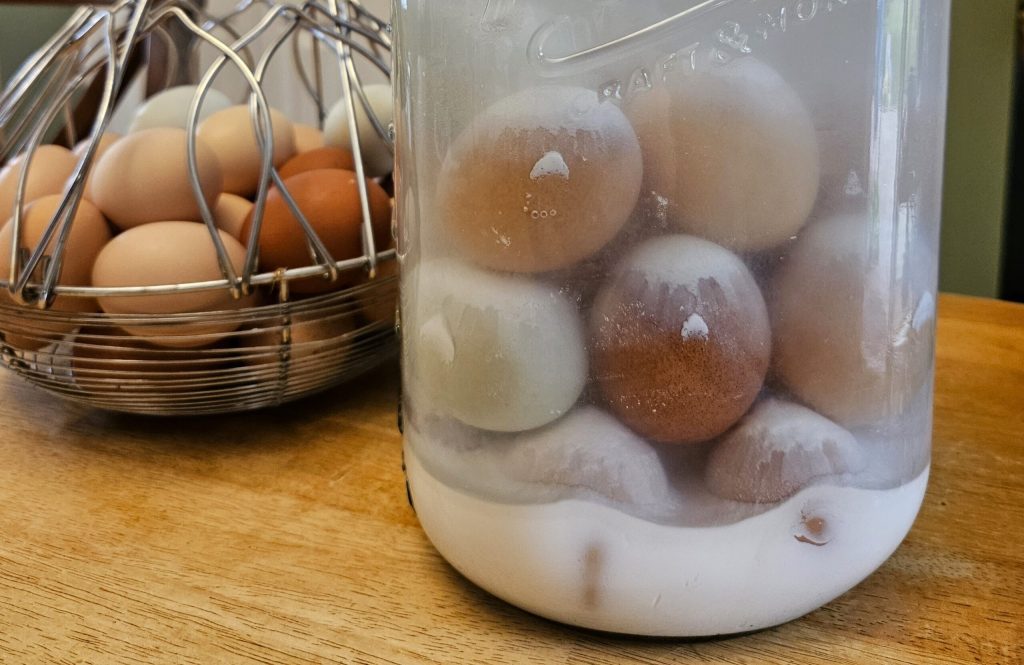
Have you ever wondered whether you should refrigerate your eggs without washing them first? It’s a question many people face but don’t always get the right answer to.
The way you store your eggs can affect their freshness, safety, and even how long they last in your fridge. If you want to keep your eggs fresh and avoid any food safety risks, you need to know the best way to handle them.
Keep reading, because what you learn here could save you from tossing out eggs too soon or risking your health.

Credit: blog.remitly.com
Egg Storage Basics
Understanding how to store eggs properly is key to keeping them fresh and safe to eat. Egg storage basics might seem simple, but the way you handle eggs can affect their quality and longevity. Knowing whether to refrigerate unwashed eggs, and how to do it, can save you from food waste and potential health risks.
Why Egg Storage Matters
Eggs are porous, which means they can absorb odors and bacteria from their surroundings if not stored correctly. This can lead to spoilage and, in some cases, foodborne illness. Proper storage helps maintain the egg’s natural protective layer, keeping it fresh longer.
Have you ever noticed a strange smell when cracking an egg? That’s often a sign of poor storage. Keeping eggs at the right temperature slows bacterial growth and preserves taste and texture.
Differences In Egg Handling Worldwide
Egg storage practices vary widely across the globe, mostly due to differences in washing and processing methods. In the US and Canada, eggs are washed and sanitized, which removes the natural protective coating. Because of this, refrigeration is necessary to prevent bacteria from entering through the shell.
In many European countries, eggs are not washed before sale, so the natural coating remains intact. This allows eggs to be stored safely at room temperature for several weeks without spoiling. This difference might surprise you if you travel or buy imported eggs.
Think about your local grocery store eggs—are they refrigerated or kept on shelves? This simple observation can tell you a lot about how those eggs should be stored once you bring them home.
Washing Eggs Before Refrigeration
Washing eggs before refrigeration is a topic many wonder about. Eggs have a natural coating called the “bloom” or cuticle. This coating protects eggs from bacteria and moisture loss. Removing it by washing can affect the egg’s freshness and safety. Understanding when and why to wash eggs helps keep them safe and fresh for longer.
Risks Of Washing Eggs
Washing eggs removes the natural protective coating. This makes eggs more vulnerable to bacteria. Water can push bacteria through the eggshell pores. Washing with warm water that is cooler than the egg can cause bacteria to enter. Also, wet eggs can spoil faster. The moisture invites mold and bacteria growth. Improper drying after washing adds to this risk.
When Washing Is Necessary
Sometimes, eggs need washing before storage. If eggs are visibly dirty or have manure on them, cleaning is important. Use warm water warmer than the egg to prevent bacteria entry. Avoid using soap or detergents that can leave harmful residues. Gently scrub the eggshell and dry thoroughly with a clean cloth. Only wash eggs right before refrigerating or using them. This keeps the protective bloom intact until then.
Benefits Of Refrigerating Unwashed Eggs
Refrigerating unwashed eggs helps keep their natural coating intact, which protects against bacteria. This method extends freshness and maintains egg quality longer. Storing them cold slows down spoilage without removing their protective layer.
Refrigerating unwashed eggs can offer several benefits that might surprise you. While many people debate whether to wash eggs before storing, keeping them unwashed in the refrigerator can actually enhance their longevity and safety. Let’s delve into the specific advantages this practice brings to your kitchen.Natural Protective Coating
Unwashed eggs have a natural protective coating called the “bloom” or “cuticle.” This thin layer works as a barrier against bacteria and moisture. It helps keep the eggs fresh and safe. When you refrigerate unwashed eggs, you preserve this natural shield. Washing eggs removes this protective coating, leaving them vulnerable to contamination. So, keeping them unwashed and chilled can be a simple yet effective way to maintain their integrity.Extending Shelf Life
Refrigerating unwashed eggs can significantly extend their shelf life. The cool temperature slows down the aging process, keeping the eggs fresh for a longer period. Think about how much easier meal planning becomes when you know your eggs won’t spoil quickly. This practice is particularly helpful if you buy eggs in bulk or have your own backyard chickens. By taking these simple steps, you can maximize the longevity of your eggs, reduce food waste, and ensure that you always have fresh ingredients on hand. Are you ready to make the most out of your egg storage routine?
Credit: www.reddit.com
How To Store Unwashed Eggs Safely
Storing unwashed eggs safely requires attention to a few key factors. You want to keep the eggs fresh and prevent any contamination without washing off their natural protective coating. Understanding the right temperature, humidity, and storage containers can make a big difference in how long your eggs stay good.
Ideal Temperature And Humidity
Keep unwashed eggs at a steady temperature between 33°F and 40°F (about 1°C to 4°C). This range slows down bacterial growth without causing the eggs to freeze or sweat.
Humidity should stay around 70% to 80%. Too dry, and the eggs can lose moisture, making them less fresh. Too humid, and condensation can form, increasing the risk of bacteria.
Have you noticed eggs stored in a cold fridge but near the door spoil faster? That’s because the temperature fluctuates too much there. Store eggs in the main body of the fridge where conditions are more stable.
Best Containers For Storage
Use a container that protects eggs from absorbing fridge odors and prevents them from rolling around. A simple, clean egg carton made from recycled paper or plastic works well.
Consider a container with a lid to maintain humidity. If you keep eggs in their original carton, you can place the whole carton inside a sealed plastic container for extra protection.
Many people skip covering eggs, but I found that a covered container keeps eggs fresher longer by reducing moisture loss. Try using containers with ventilation holes to balance airflow and humidity.
Signs Of Spoiled Eggs
Knowing how to spot spoiled eggs is crucial, especially when you store unwashed eggs in the fridge. Spoiled eggs not only affect your recipes but can also pose health risks. Being able to identify signs early can save you from unpleasant surprises and keep your meals safe.
Visual And Smell Indicators
Start by checking the shell for any cracks or slimy textures. A sticky or powdery film on the shell may signal bacterial growth. Also, if the shell looks discolored or unusually dull, it might be time to toss the egg.
Next, give the egg a sniff after cracking it open. Fresh eggs have a neutral smell, but spoiled eggs emit a strong, sulfur-like odor that’s hard to ignore. If you detect any bad smell, don’t hesitate—discard the egg immediately.
Performing The Float Test
The float test is a simple way to check egg freshness without cracking it open. Fill a bowl with cold water and gently place your egg inside. Fresh eggs usually sink and lie flat on the bottom.
If the egg stands upright or floats to the surface, it means air has entered through the shell, indicating the egg is old or spoiled. Have you tried this test before? It’s quick, easy, and often saves you from using bad eggs in your cooking.
Tips For Handling Eggs Before Use
Handling eggs properly before use is important for safety and freshness. Eggs can carry bacteria on their shells. Proper care lowers the risk of foodborne illness. Follow these tips to keep eggs safe and tasty.
Washing Just Before Cooking
Wash eggs only right before cooking. Washing earlier removes the natural protective layer. This layer keeps bacteria out. Use warm water and a gentle brush. Avoid soaking eggs in water. Dry eggs with a clean towel before cooking.
Avoiding Cross-contamination
Keep eggs separate from other foods. Use clean hands and utensils when handling eggs. Never place cooked food on plates that held raw eggs. Clean surfaces and tools after contact with eggs. Store eggs in their carton in the fridge to avoid spills.

Credit: www.threads.com
Frequently Asked Questions
Can I Refrigerate Unwashed Eggs Safely?
Yes, you can refrigerate unwashed eggs safely. Keeping them cold slows bacterial growth. Avoid washing before refrigeration to maintain the protective bloom.
Why Should Unwashed Eggs Not Be Washed Before Storage?
Washing removes the natural protective coating on eggs. This coating prevents bacteria from entering. Unwashed eggs last longer when refrigerated.
How Long Do Unwashed Eggs Last In The Fridge?
Unwashed eggs can last 3 to 5 weeks refrigerated. The natural bloom keeps them fresh longer. Store eggs in their carton for best results.
Does Refrigeration Affect The Quality Of Unwashed Eggs?
Refrigeration preserves the freshness and quality of unwashed eggs. It slows down spoilage and maintains taste. Keep eggs at a consistent, cool temperature.
Conclusion
Storing unwashed eggs in the fridge can keep them fresh longer. The natural coating on eggs helps protect them from bacteria. Washing eggs removes this layer and may cause faster spoilage. Keep eggs in their carton to avoid absorbing fridge odors.
Check eggs regularly for cracks or smells before use. Proper storage keeps eggs safe and tasty for your meals. Simple steps make a big difference in egg freshness. Remember, clean hands and careful handling matter too.