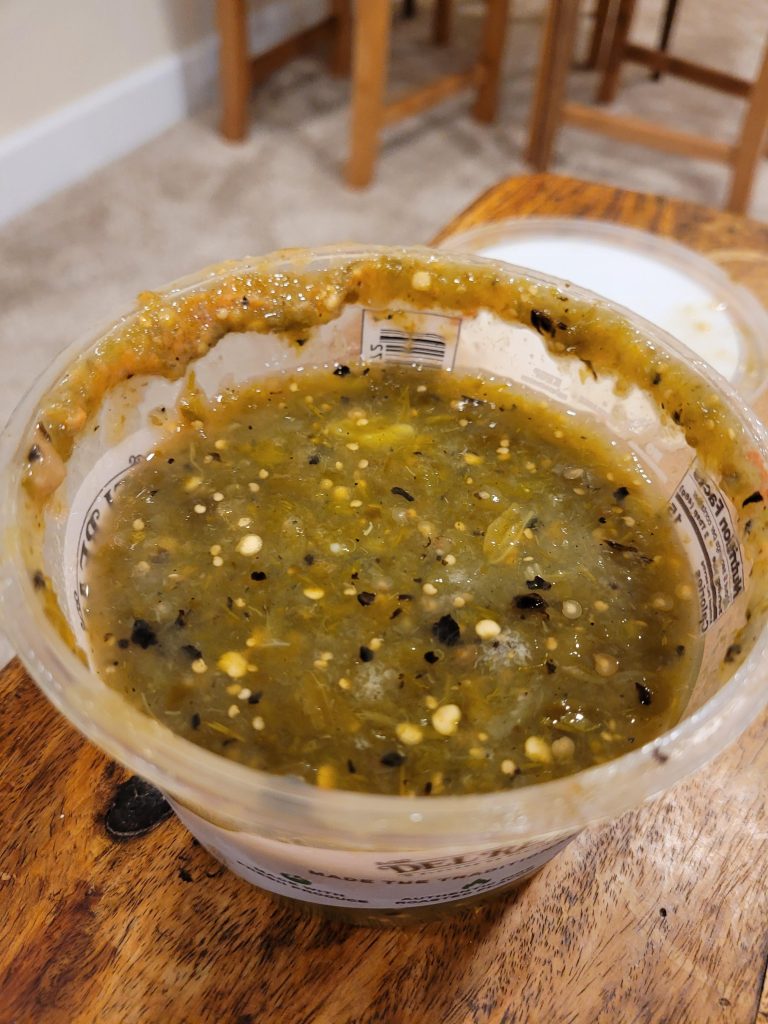
Have you ever wondered if your salsa can spoil when left out of the fridge? You might be surprised to learn that leaving salsa unrefrigerated could change its taste, texture, and safety.
Whether you’re enjoying a party snack or just grabbing a quick bite, knowing how to store your salsa properly can save you from food waste and stomach troubles. Keep reading to discover how long salsa stays good without refrigeration and what signs to watch for before you dig in.
Your next salsa experience could depend on it!

Credit: www.reddit.com
Shelf Life Of Salsa
Salsa is a favorite condiment for many, but understanding its shelf life can save you from unpleasant surprises. How long salsa lasts depends heavily on how it’s made and stored. Let’s break down what affects its freshness and what you can expect from different types of salsa.
Commercial Vs Homemade Salsa
Commercial salsas usually have preservatives and undergo pasteurization, which extends their shelf life significantly. An unopened jar can last several months in your pantry, sometimes up to a year, depending on the brand and ingredients.
Once opened, commercial salsa generally stays fresh for about 1 to 2 weeks in the fridge. Leaving it out at room temperature after opening can cause it to spoil quickly, often within a day or two.
Homemade salsa, on the other hand, lacks preservatives and is more perishable. Even when refrigerated, it typically lasts only 5 to 7 days. Without refrigeration, homemade salsa can spoil within hours due to natural bacteria growth.
Factors Affecting Freshness
The shelf life of salsa depends on several key factors you should keep in mind:
- Ingredients:Fresh ingredients like tomatoes, onions, and peppers spoil faster. Adding acidic components like lime juice or vinegar can slow down spoilage.
- Storage Temperature:Salsa kept at room temperature, especially homemade, will go bad quickly. Refrigeration is essential for prolonging freshness.
- Exposure to Air:Frequent opening of the jar or container introduces bacteria and speeds up spoilage. Using airtight containers helps maintain quality.
- Cleanliness:Using clean utensils each time you scoop salsa prevents contamination and extends shelf life.
Have you ever left salsa out during a party and noticed it tasted off the next day? That’s a clear sign that unrefrigerated salsa doesn’t last long and can quickly become unsafe to eat.
Signs Salsa Has Spoiled
Knowing when salsa has spoiled is crucial to avoid foodborne illnesses and wasted ingredients. Salsa can look fine on the surface yet be unsafe to eat. Paying close attention to certain signs helps you decide whether to keep or toss that jar or bowl.
Visual Changes
Check the salsa closely for any unusual color shifts. Fresh salsa usually has vibrant reds, greens, or yellows, depending on ingredients. If you see dark spots, mold growth, or a cloudy liquid layer on the surface, it’s a clear warning that the salsa has gone bad.
Have you ever noticed a slimy film or separation that doesn’t mix back in when stirred? That’s another red flag. These changes mean bacteria or yeast may be thriving in your salsa.
Smell And Texture
Smell is a quick way to spot spoilage. Fresh salsa has a bright, tangy aroma from tomatoes, peppers, and spices. If it smells sour, rancid, or off in any way, don’t risk tasting it.
Texture can also reveal spoilage. If the salsa feels overly watery, slimy, or mushy beyond normal, it’s best to discard it. Trust your senses—your nose and fingers often detect spoilage before your eyes.
Taste Alterations
If you’re still unsure, a small taste can confirm your suspicions—only if the salsa looks and smells okay. Spoiled salsa often tastes sour, bitter, or strange compared to its usual fresh zing.
Remember, though, if you notice any other spoilage signs, avoid tasting altogether. Your health is not worth the risk of a bad salsa bite.
Role Of Refrigeration
Refrigeration slows down the growth of bacteria in salsa, keeping it fresh longer. Without cold storage, salsa can spoil quickly and lose its taste. Proper cooling is key to safe and tasty salsa.
Salsa is a fresh and tasty condiment. It contains ingredients like tomatoes, onions, and peppers that can spoil quickly. Keeping salsa cold slows down bacteria and mold growth. Refrigeration helps keep salsa safe to eat longer. Without cold storage, salsa spoils fast and can develop off flavors and smells. Proper refrigeration preserves its freshness and texture.
How Cold Storage Slows Spoilage
Cold temperatures reduce the activity of bacteria and mold. These microorganisms cause salsa to go bad. When salsa is refrigerated, their growth slows significantly. Lower temperatures also slow chemical changes that affect taste and color. Refrigeration keeps salsa fresher by maintaining a stable environment. This prevents quick spoilage and keeps salsa safe to eat.
Recommended Refrigeration Times
Store homemade salsa in the fridge for up to 5 to 7 days. Commercial salsa may last longer due to preservatives. Once opened, keep salsa tightly sealed and refrigerated. Check for signs of spoilage before use. Avoid leaving salsa out at room temperature for over two hours. Proper storage helps maintain flavor and food safety.

Credit: www.epicurious.com
Risks Of Leaving Salsa Out
Salsa left out can quickly spoil due to bacteria growth. This can cause bad taste and make you sick. Always store salsa in the fridge to keep it fresh and safe.
Leaving salsa out of the refrigerator might seem convenient, especially if you’re enjoying a party or a casual meal. But have you ever wondered what happens to it when it’s not kept cold? The tangy, spicy goodness of salsa can quickly turn into a potential health risk if it’s left out for too long. Let’s delve into the specifics and understand the risks of leaving salsa out.Bacterial Growth
Bacteria love warm, moist environments, and salsa provides just that. If salsa is left out at room temperature, it becomes a breeding ground for bacteria like salmonella and E. coli. These harmful bacteria can multiply rapidly, especially if the salsa contains raw ingredients like tomatoes, onions, and peppers. Consider this: a bowl of salsa left out for just a few hours can harbor enough bacteria to make you sick. To avoid this risk, always refrigerate your salsa when not in use. It’s a small step that can save you from a world of discomfort.Food Safety Concerns
The acidity in salsa can only do so much to deter bacteria, and over time, the protective effect diminishes. Leaving salsa out can lead to spoilage, changing its taste, texture, and safety. The vibrant, fresh taste you love can turn sour and rancid. Imagine biting into your favorite chip only to be met with a funky, off-putting flavor. Not only is it unpleasant, but it’s also a sign that the salsa may no longer be safe to eat. Always err on the side of caution: if your salsa has been out for more than two hours, it’s best to discard it. Have you ever taken a chance with leftover salsa at a party? It’s a gamble that’s not worth the risk. Prioritize food safety, and keep your salsa chilled to ensure it’s always fresh and delicious.Tips For Keeping Salsa Fresh
Keeping salsa fresh is key to enjoying its best taste and texture. Proper care slows down spoilage and keeps flavors vibrant. Simple habits help maintain salsa quality longer.
Follow these tips for storing and handling salsa safely. They protect your salsa from going bad too soon.
Proper Storage Containers
- Use airtight containers to keep air out and moisture in.
- Glass jars work better than plastic for preserving flavor.
- Choose containers with tight-fitting lids to prevent spills and contamination.
- Clean containers well before adding salsa to avoid bacteria growth.
- Store salsa in small portions to reduce exposure when opened.
Handling And Serving Practices
- Use clean utensils every time you serve salsa.
- Avoid double-dipping to keep bacteria out of the container.
- Keep salsa refrigerated after opening to slow spoilage.
- Do not leave salsa out at room temperature for long periods.
- Cover salsa immediately after use to maintain freshness.

Credit: www.reddit.com
Alternatives To Refrigeration
If you find yourself without refrigeration, it doesn’t mean your salsa has to go to waste immediately. There are clever ways to keep it safe and tasty without relying solely on your fridge. Let’s look at some practical alternatives that can extend the life of your salsa.
Using Preservatives
Adding natural preservatives can help keep salsa fresh longer outside the fridge. Ingredients like lemon juice or vinegar increase acidity, making it harder for bacteria to grow.
Salt is another simple preservative. It draws out moisture and creates an environment where harmful microbes struggle to survive. Think about how pickles stay good for months—salt and acid work together to protect them.
You can also try small amounts of natural antioxidants like garlic or onion. These not only boost flavor but can slow down spoilage. Have you ever noticed how salsa with extra lime juice lasts longer? That’s the power of acidity at work.
Freezing Salsa
Freezing salsa is an excellent way to store it without refrigeration. It locks in freshness and flavor while preventing bacterial growth.
Pour your salsa into freezer-safe containers or ice cube trays for easy portioning. When you want to use some, just thaw the amount you need instead of the whole batch.
Keep in mind that texture may change slightly after freezing, especially with chunky salsas. However, the taste remains vibrant, making it a worthwhile option if you want to avoid spoilage.
Frequently Asked Questions
Does Salsa Spoil If Left Unrefrigerated?
Yes, salsa can spoil if left out too long. Room temperature promotes bacterial growth, causing spoilage within hours, especially in fresh or homemade salsa.
How Long Can Salsa Stay Unrefrigerated?
Salsa should not stay unrefrigerated for more than 2 hours. Beyond this, harmful bacteria can multiply, increasing the risk of foodborne illness.
Can Unrefrigerated Salsa Cause Food Poisoning?
Yes, unrefrigerated salsa can cause food poisoning. Bacteria like Salmonella and Listeria grow rapidly in warm salsa, leading to stomach upset and other symptoms.
Is Store-bought Salsa Safe Without Refrigeration?
Store-bought, unopened salsa is shelf-stable until opened. After opening, it must be refrigerated to prevent spoilage and maintain freshness.
Conclusion
Salsa left out too long can spoil quickly. Bacteria grow fast without cold storage. Always check the smell and look for mold. If it smells off or looks strange, toss it. Keeping salsa refrigerated keeps it fresh and safe. Remember, safe food means happy meals.
Store salsa properly to enjoy every bite. Don’t risk your health for convenience. A little care goes a long way.