Have you ever wondered what keeps your mini refrigerator so cool and fresh? Whether you use it in your office, dorm room, or bedroom, understanding how a mini refrigerator works can help you make the most of it.
Imagine knowing exactly how it cools your drinks and snacks without taking up much space. You’ll discover the simple science behind your mini fridge, why it’s so efficient, and some tips to keep it running smoothly. By the end, you’ll see your mini refrigerator in a whole new light—and maybe even appreciate it a little more.
Ready to unlock the secrets inside your fridge? Let’s dive in!
Credit: www.walmart.com
Basic Cooling Principles
Understanding how a mini refrigerator works starts with basic cooling principles. These principles explain how heat moves and how the fridge keeps the inside cold. Knowing these ideas makes it easier to see how the fridge cools your food and drinks.
Heat Transfer Basics
Heat always moves from hot to cold areas. A mini refrigerator moves heat from inside the fridge to the outside. This process cools the inside space. The fridge uses a system to pull heat out and release it outside.
There are three types of heat transfer:
- Conduction:Heat moves through solids, like walls of the fridge.
- Convection:Heat moves through liquids or gases, like air inside the fridge.
- Radiation:Heat moves as energy waves, but this is less important in fridges.
Mini refrigerators mainly use conduction and convection to move heat. The cooling system removes heat from inside and sends it outside.
Role Of Refrigerants
Refrigerants are special fluids inside the fridge. They change between liquid and gas to move heat. This change helps absorb heat inside the fridge and release it outside.
The process works like this:
- Refrigerant absorbs heat and turns into a gas.
- The gas moves to the outside coils.
- It cools down and turns back into a liquid.
- The liquid returns inside to absorb more heat.
This cycle repeats to keep the fridge cold. Refrigerants make the cooling process fast and efficient.
Credit: www.homedepot.com
Key Components Inside
The mini refrigerator contains several key parts that work together to keep your food cold. Each component has a special job. Understanding these parts helps you see how the cooling process happens.
The main parts inside include the compressor, condenser, evaporator, and expansion valve. They form a simple system that moves heat out of the fridge. This process lowers the temperature inside the small fridge space.
Compressor Function
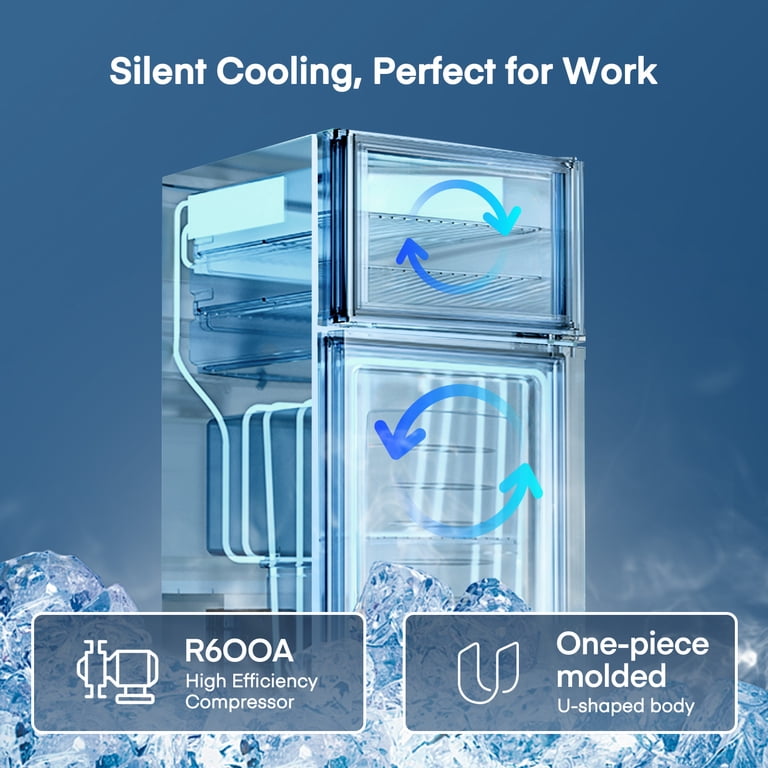
The compressor is the heart of the mini fridge. It pumps refrigerant gas through the system. It squeezes the gas, raising its pressure and temperature. This makes the gas hot and ready to release heat.
Condenser And Evaporator
The condenser cools the hot gas from the compressor. It changes the gas into a liquid by letting heat escape. The evaporator then absorbs heat inside the fridge. It turns the liquid refrigerant back into gas, cooling the interior.
Expansion Valve Role
The expansion valve controls the flow of refrigerant. It lowers the pressure of the liquid refrigerant before it reaches the evaporator. This drop in pressure helps the refrigerant absorb heat and cool the fridge space.
Cooling Cycle Explained
Understanding how a mini refrigerator works can be both fascinating and practical. The cooling cycle, a key component, is a simple yet efficient process involving several stages. Each stage plays an essential role in keeping your snacks and drinks perfectly chilled. Let’s dive into the details of this cycle.
Compression Stage
The journey begins with the compression stage. Here, the refrigerator’s compressor compresses the refrigerant gas, increasing its pressure and temperature. This is much like squeezing a balloon, but instead of air, it’s a special cooling gas. Have you ever felt the back of your fridge and noticed it’s warm? That’s because of this stage. The compressed gas is pushed to the next phase, ready to give off its heat.
Condensation Process
Next is the condensation process. The high-pressure gas travels through condenser coils, usually found at the back of your fridge. As the gas cools down, it turns into a liquid, shedding heat in the process. This is why the back of your mini fridge can feel warm. The liquid refrigerant is now ready to move on to the next phase of the cycle.
Expansion Phase
During the expansion phase, the liquid refrigerant passes through an expansion valve. This valve allows the liquid to expand and its pressure to drop. It’s like opening a soda can and hearing the fizz – the refrigerant expands and cools rapidly. This cooled liquid is now ready to absorb heat from the fridge’s interior, which is vital for the final stage.
Evaporation And Cooling
The last stage is evaporation and cooling. The cooled refrigerant flows through the evaporator coils inside the fridge. Here, it absorbs heat from the fridge’s interior, turning back into a gas. This absorption of heat is what actually cools the inside of your fridge, keeping your items cold. The cycle then repeats, ensuring constant cooling.
Have you ever wondered why your mini fridge hums occasionally? That’s the sound of this efficient cooling cycle in action. Each stage works seamlessly to maintain the perfect temperature for your refreshments. Next time you grab a cold drink, you’ll know the science behind its chill. How does this change your perspective on the humble mini fridge?

Credit: www.searshomeservices.com
Energy Efficiency Factors
Energy efficiency plays a big role in how mini refrigerators operate. It affects electricity use and cooling performance. Small improvements can save energy and reduce bills. Understanding key factors helps choose and maintain an efficient mini fridge.
Insulation Quality
Good insulation keeps cold air inside the fridge. It stops warm air from entering. This reduces the compressor’s work. High-quality foam or panels increase insulation. Poor insulation causes more energy use and uneven cooling.
Compressor Efficiency
The compressor moves refrigerant to cool the fridge. Efficient compressors use less electricity. They run smoothly and last longer. Modern mini fridges often have advanced compressors. These models save energy and maintain steady temperatures.
Thermostat Control
The thermostat controls the fridge’s temperature. Accurate control avoids overcooling. It turns the compressor on and off as needed. Simple dials or digital settings adjust temperature. Proper thermostat settings help save power and keep food fresh.
Common Mini Fridge Types
Mini refrigerators come in different types based on their cooling technology. Each type has unique features and uses. Understanding these types helps choose the right mini fridge for your needs.
Thermoelectric Models
Thermoelectric mini fridges use a cooling plate and heat sink. Electricity passes through a special material, creating a temperature difference. This process cools the inside of the fridge without compressors or refrigerants.
These models are quiet and lightweight. They work best for small spaces and moderate cooling needs. Thermoelectric fridges are energy-efficient but may struggle in very hot environments.
Compressor-based Models
Compressor mini fridges work like regular refrigerators. They use a compressor to circulate refrigerant through coils. This process removes heat from inside and releases it outside.
These models cool faster and maintain lower temperatures. They handle large loads and warm environments well. Compressor fridges tend to be noisier and heavier but offer stronger cooling power.
Maintenance Tips
Proper maintenance keeps your mini refrigerator running smoothly. It helps avoid costly repairs. Regular care improves efficiency and extends its life. Below are key tips to maintain your appliance in top condition.
Cleaning Coils
Dust and dirt on coils reduce cooling power. Clean coils every three months to keep them clear. Use a soft brush or vacuum cleaner to remove debris. This helps the fridge cool faster and use less energy.
Checking Seals
Door seals keep cold air inside. Check seals for cracks or damage monthly. Clean them with warm soapy water to remove grime. Replace seals if air leaks to save energy and keep food fresh.
Preventing Frost Build-up
Frost reduces space and cooling efficiency. Defrost the fridge regularly to remove ice. Avoid leaving the door open for long times. Store food in covered containers to reduce moisture inside.
Frequently Asked Questions
How Does A Mini Refrigerator Keep Things Cold?
A mini refrigerator uses a compressor and refrigerant to absorb heat inside. The refrigerant evaporates, cooling the interior and maintaining a low temperature to keep food fresh.
What Power Source Do Mini Refrigerators Use?
Mini refrigerators typically run on standard electrical outlets using AC power. Some models also support DC power for use in cars or solar setups.
How Is A Mini Fridge Different From A Full-size Fridge?
Mini fridges are compact and use less energy. They have smaller storage and cooling capacity, making them ideal for small spaces or personal use.
Can A Mini Refrigerator Maintain Consistent Temperatures?
Yes, mini refrigerators have thermostats to regulate temperature. They cycle the compressor on and off to keep a steady, cool environment inside.
Conclusion
A mini refrigerator uses a simple process to keep things cold. It moves heat from inside to outside. A compressor, coils, and refrigerant work together. This process helps your food and drinks stay fresh. Mini fridges save space and use less energy.
They fit well in small rooms or offices. Understanding how they work helps you use them better. Now you know why mini fridges are popular and practical. They offer convenience without much effort.