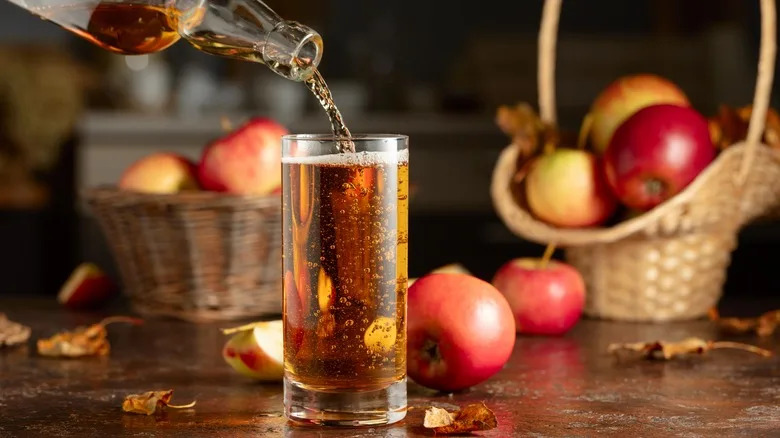
Have you ever wondered if you really need to put apple juice in the fridge? You might think it’s simple, but the answer can surprise you.
Keeping your apple juice fresh and tasty depends on more than just common sense. If you want to avoid wasting your favorite drink or risking a sour surprise, it’s important to know the right way to store it. Keep reading to discover the simple steps that will keep your apple juice fresh and safe every time.

Credit: shopsuper1foods.com
When To Refrigerate Apple Juice
Knowing when to refrigerate apple juice can save you from wasting a tasty drink and keep it fresh longer. The key factor is whether the juice is opened or unopened. Each state requires different storage methods to maintain quality and safety.
Unopened Juice Shelf Life
Unopened apple juice usually doesn’t need refrigeration right away. Most commercially packaged juices are pasteurized and sealed in airtight containers, which keep them safe at room temperature for several months.
Check the expiration date printed on the bottle or carton. If the juice is stored in a cool, dark place like a pantry, it can stay fresh until the date passes.
However, if you live somewhere hot or humid, you might want to refrigerate unopened juice just to be safe. Have you ever forgotten a juice box in the car on a summer day? That’s a quick way to spoil it.
Opened Juice Storage
Once you open apple juice, refrigeration becomes essential. Exposure to air allows bacteria and mold to grow, which can spoil the juice quickly.
Always seal the container tightly and put it in the fridge right after pouring. Opened juice generally stays good for 7 to 10 days when refrigerated properly.
Leaving opened juice out at room temperature for more than two hours can increase the risk of spoilage and foodborne illness. So ask yourself: is it worth risking your health for a quick sip?
Effects Of Not Refrigerating
Leaving apple juice out of the fridge can change more than just its temperature. You might not notice it right away, but the effects on the juice’s taste and safety can become clear quickly. Understanding what happens when you don’t refrigerate apple juice helps you decide how to store it properly.
Taste And Quality Changes
When apple juice sits at room temperature, its flavor starts to change within hours. The fresh, crisp taste fades, often turning sour or overly sweet as natural sugars break down.
Carbonation, if present in sparkling apple juice, will disappear faster, leaving the juice flat and less enjoyable. You might also notice a cloudy appearance developing, which signals a drop in quality.
Have you ever sipped apple juice that just didn’t taste right? That off-flavor is often a direct result of not keeping it cold.
Risk Of Spoilage
Apple juice contains natural sugars and acids, which create a good environment for bacteria and yeast to grow if it’s not refrigerated. Spoilage can happen quickly, especially once the bottle is opened.
Signs of spoilage include an unpleasant smell, a strange taste, and sometimes even bubbles or foam forming on top—clear signals that the juice is no longer safe to drink.
Ignoring these signs can lead to stomach discomfort or foodborne illness. Would you want to take that risk with your favorite drink?
Best Storage Practices
Apple juice should be refrigerated after opening to keep it fresh and safe. Unopened juice can stay at room temperature until the expiration date. Always seal the container tightly to prevent spoilage.
Storing apple juice correctly ensures you enjoy its crisp taste and maintain its freshness. While some might toss it into the fridge without a second thought, understanding the best storage practices can make a significant difference in its longevity and flavor. By considering factors like temperature, container choice, and sealing techniques, you can savor every drop of your favorite juice.Ideal Temperature For Apple Juice
Apple juice thrives in a cool environment. Ideally, storing it between 32°F and 40°F keeps it fresh and prevents spoilage. If you’re storing unopened apple juice, a pantry is fine, but once opened, the fridge is your best bet.Container Types And Sealing Tips
The container you choose plays a crucial role. Glass bottles are excellent as they prevent any chemical interaction with the juice. Plastic containers work too, but ensure they are BPA-free to avoid any health risks. Sealing is key to maintaining freshness. Always ensure the lid is tightly closed. If you’ve poured some juice, transfer the rest to a smaller container to minimize air exposure. How do you store your apple juice? Perhaps you have a unique tip that makes your juice taste even better! Share it with others who are eager to keep their apple juice as fresh as possible.
Credit: www.gerber.com
Shelf Life Differences
Understanding the shelf life differences of apple juice helps in proper storage. Different types of apple juice require different care to stay fresh and safe. Knowing these differences prevents waste and keeps the juice tasty.
Fresh Vs. Pasteurized Juice
Fresh apple juice has a short shelf life. It usually lasts only a few days in the refrigerator. This juice contains no preservatives and can spoil quickly.
Pasteurized apple juice lasts longer than fresh juice. Heat treatment kills harmful bacteria and extends shelf life. Once opened, it should be refrigerated and consumed within 7 to 10 days.
Shelf-stable Juice Varieties
Shelf-stable apple juice can be stored without refrigeration until opened. It undergoes special processing and packaging to stay fresh.
Once opened, shelf-stable juice needs refrigeration. It typically lasts 7 to 10 days after opening. Always check the label for specific storage instructions.
Signs Apple Juice Has Gone Bad
Knowing the signs that apple juice has gone bad can save you from an unpleasant taste and potential stomach upset. Spoiled apple juice often shows clear indicators that it’s no longer safe to drink. Paying attention to these signs helps you avoid wasting money and keeps your health intact.
Visual Indicators
Check the apple juice for any changes in color. Fresh apple juice usually has a golden or light amber tone. If you notice darkening, cloudiness, or a murky appearance, it’s a red flag.
Look for floating particles or sediment that wasn’t there before. Another clear sign is the presence of mold or bubbles forming inside the container without shaking it. These visual changes often mean bacteria or yeast have started to grow.
Smell And Taste Alerts
Fresh apple juice has a sweet, fruity aroma that you expect. If the juice smells sour, fermented, or off in any way, it’s better to toss it out. Trust your nose—it rarely lies when detecting spoilage.
Tasting a small sip can confirm your suspicion, but only if you’re sure it’s not moldy or visibly spoiled. A sour or fizzy taste means fermentation has begun, making the juice unsafe to drink. Have you ever taken a sip and instantly regretted it? That’s your body’s warning system kicking in.
Credit: practicalselfreliance.com
Frequently Asked Questions
Do You Need To Refrigerate Apple Juice After Opening?
Yes, you must refrigerate apple juice once opened. Keeping it cold slows bacterial growth and preserves freshness. Always seal the container tightly to maintain quality and prevent spoilage.
Can Unopened Apple Juice Be Stored At Room Temperature?
Unopened apple juice can be stored at room temperature if pasteurized and sealed. Store it in a cool, dark place away from heat or sunlight for best quality.
How Long Does Refrigerated Apple Juice Last?
Refrigerated apple juice typically lasts 7 to 10 days after opening. Check the expiration date and smell for any off odors before drinking.
Does Refrigeration Affect Apple Juice Flavor?
Refrigeration helps maintain apple juice’s fresh flavor by slowing spoilage. Warm storage can cause taste changes and reduce quality over time.
Conclusion
Apple juice stays fresh longer when kept cold. Always check the label for storage advice. Opened juice needs refrigeration to avoid spoilage. Unopened juice can last without cooling for a while. Trust your senses—smell and taste help spot bad juice.
Keep juice sealed tightly to keep it fresh. Proper storage saves money and keeps taste good. Enjoy your apple juice safely by storing it right. Simple steps make a big difference in freshness. Stay informed and enjoy every sip without worry.