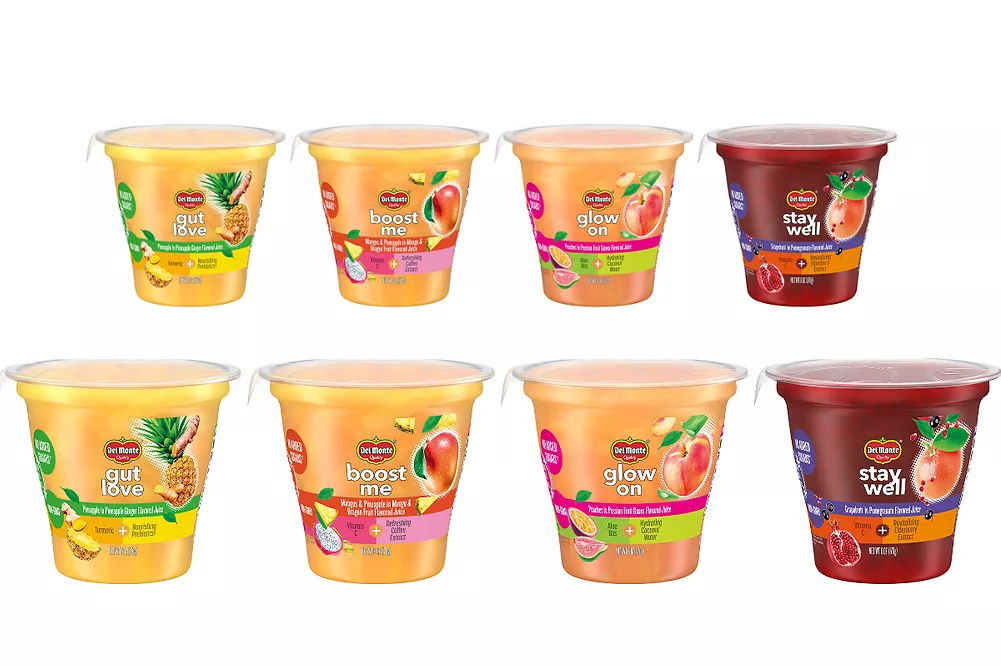
Have you ever grabbed a fruit cup and wondered if it needs to be kept cold? You’re not alone.
Knowing whether fruit cups require refrigeration can save you from wasting tasty snacks or risking food safety. You’ll discover the simple truth about storing fruit cups, how to keep them fresh, and the best tips to enjoy them anytime. Keep reading—you’ll be surprised at how easy it is to handle your fruit cups the right way.

Credit: www.refrigeratedfrozenfood.com
Shelf Life Of Fruit Cups
Understanding the shelf life of fruit cups is key to enjoying them at their best. How long they last depends largely on whether they’re opened or still sealed. Knowing this helps you avoid waste and keeps your snacks safe and tasty.
Unopened Fruit Cups
Unopened fruit cups can last quite a while, often several months past the date printed on the packaging. They are usually sealed in airtight containers, which helps preserve freshness without refrigeration. Still, storing them in a cool, dry place away from direct sunlight can extend their shelf life even more.
Have you ever found a forgotten fruit cup in your pantry and wondered if it’s still good? Check the expiration date first. If it’s within the date range and the packaging looks intact, it’s usually safe to eat.
After Opening
Once you open a fruit cup, the clock starts ticking much faster. Exposure to air and bacteria can cause the fruit to spoil quickly, so refrigeration is essential. Typically, you should consume the opened fruit cup within 3 to 5 days for the best taste and safety.
Keep the fruit cup covered tightly with its original lid or transfer the fruit to an airtight container. This simple step can prevent the fruit from drying out or absorbing odors from other foods in your fridge. Have you noticed a change in texture or smell after a few days? That’s your cue to toss it out.

Credit: www.thesaltedcookie.com
Refrigeration Benefits
Refrigerating fruit cups offers several important benefits that go beyond just keeping them cold. It plays a crucial role in maintaining the quality and safety of your fruit, which can make a noticeable difference in your snacking experience. Let’s look at how refrigeration helps preserve freshness and prevent bacterial growth.
Preserving Freshness
Keeping fruit cups in the fridge slows down the natural ripening process. This means your fruit stays juicy and vibrant longer than if left out at room temperature. Have you ever noticed fruit turning mushy or losing flavor when forgotten on the counter? Refrigeration helps avoid that by maintaining the fruit’s texture and taste.
Cold temperatures also reduce moisture loss. This keeps the fruit from drying out, ensuring every bite remains satisfying. If you want your fruit cup to taste as fresh on day three as it did on day one, refrigeration is key.
Preventing Bacterial Growth
Fruit cups can become a breeding ground for bacteria if not stored properly. Refrigeration slows down the growth of harmful microorganisms that thrive at warmer temperatures. This lowers your risk of foodborne illness and keeps your snack safe to eat.
Have you ever experienced a sour or off smell from fruit that’s been sitting out too long? That’s often a sign of bacteria multiplying. Storing your fruit cup in the fridge helps prevent this unpleasant and unsafe situation, giving you peace of mind every time you reach for a healthy treat.
Room Temperature Storage
Fruit cups usually need to be refrigerated after opening to stay fresh and safe to eat. Unopened cups can often be stored at room temperature until the expiration date. Always check the label for specific storage instructions.
Storing fruit cups at room temperature can be convenient, especially when fridge space is limited or if you’re planning a picnic. But how long can they truly sit out without compromising safety and taste? Let’s dive into the details of room temperature storage for fruit cups and understand the potential risks involved.Safe Storage Duration
Fruit cups can safely be stored at room temperature, but there are time limits. Typically, commercially packaged fruit cups contain preservatives that allow them to sit out for a short period, usually up to a week. Always check the packaging for specific storage instructions and best-before dates. Homemade fruit cups, on the other hand, lack these preservatives. They should not be stored at room temperature for more than a few hours. Keeping them out too long can lead to spoilage and a less enjoyable eating experience.Risks Of Leaving Out
Leaving fruit cups at room temperature for extended periods can pose several risks. The most significant is the rapid growth of bacteria, which can lead to foodborne illnesses. Have you ever opened a fruit cup and noticed an off smell or taste? That’s a clear sign of spoilage. Additionally, exposure to light and heat can degrade the quality of the fruit, leading to a mushy texture and faded color. This not only affects the taste but also the nutritional value. To ensure you’re enjoying fresh and safe fruit cups, consider your storage habits carefully.
Credit: www.thesaltedcookie.com
Packaging Types
Fruit cups come in various packaging types, each affecting whether refrigeration is necessary. Understanding these types can help you store fruit properly and enjoy it at its best. Let’s look closely at the most common packaging forms and what they mean for your fridge.
Canned Fruit Cups
Canned fruit cups are sealed airtight and usually shelf-stable. This means you can keep them in your pantry until you open them. Once opened, however, you need to refrigerate the remaining fruit to keep it fresh and safe to eat.
I once left an opened canned fruit cup out overnight and noticed it tasted off the next day—definitely a sign it needed refrigeration after opening. So, always transfer leftovers to a container and chill them promptly.
Plastic Sealed Cups
Plastic sealed fruit cups often come pre-chilled or require refrigeration from the start. These cups typically contain fresh fruit with juices or syrups and have a shorter shelf life. You should keep them in the fridge before and after opening to maintain freshness and prevent spoilage.
Have you noticed condensation inside these cups? That’s a clue they’ve been refrigerated properly. Storing them at room temperature can cause the fruit to spoil quickly, so don’t skip the fridge with these types.
Best Practices For Storage
Proper storage keeps fruit cups fresh and tasty for longer. Storing fruit cups correctly helps avoid spoilage and preserves flavor. Follow these best practices to extend shelf life and maintain quality.
Sealing And Covering
Always seal fruit cups tightly after opening. Use original lids or plastic wrap to cover the cup. This prevents air from entering and drying out the fruit. Airtight sealing slows bacterial growth and keeps fruit juicy. Avoid leaving fruit cups uncovered in the fridge.
Optimal Fridge Placement
Place fruit cups in the coldest part of the fridge. Usually, the middle or lower shelves maintain steady temperatures. Keep fruit cups away from the fridge door, where temperature changes often occur. Avoid placing fruit cups near strong-smelling foods to prevent odor absorption.
Signs Of Spoiled Fruit Cups
Knowing when a fruit cup has gone bad is crucial to avoid unpleasant tastes and potential health risks. Spoiled fruit cups often show clear signs that you can easily spot without a second thought. Paying attention to these clues helps you decide whether to enjoy your snack or toss it away.
Visual Changes
Look closely at the fruit pieces inside the cup. If you notice any unusual discoloration, such as browning or dark spots, it’s a strong indicator the fruit is spoiling. Mold growth, which can appear as fuzzy patches in white, green, or blue, is a clear red flag.
Also, check the liquid surrounding the fruit. Cloudiness or a thick, syrupy texture is often a sign that bacteria have started to multiply. If the fruit looks shriveled or mushy beyond normal ripeness, it’s best not to take a chance.
Smell And Taste
Fresh fruit cups have a light, sweet aroma. If you detect a sour, fermented, or off-putting smell, it’s a sign the fruit is no longer safe to eat. Trust your nose—an unpleasant scent usually means the fruit is spoiled.
Tasting a small amount can confirm your suspicions, but only if the fruit passes the visual test. A sour or bitter taste means the fruit has gone bad and should be discarded immediately. Would you really want to risk stomach trouble just to save a few bites?
Frequently Asked Questions
Do Unopened Fruit Cups Need Refrigeration?
Unopened fruit cups with sealed packaging usually do not require refrigeration. Check the label for storage instructions. Once opened, refrigerate immediately to maintain freshness and prevent spoilage.
How Long Can Fruit Cups Stay Unrefrigerated?
Fruit cups can typically stay unrefrigerated for 2-4 hours. Beyond this, bacteria growth may occur, risking food safety. Always refrigerate opened fruit cups promptly to extend shelf life.
Can Fruit Cups Spoil Without Refrigeration?
Yes, fruit cups can spoil quickly without refrigeration. Warm temperatures encourage bacterial growth, causing sour smell and texture changes. Refrigerate fruit cups to keep them safe and fresh longer.
Is Refrigeration Necessary For Canned Fruit Cups?
Canned fruit cups are shelf-stable before opening and don’t need refrigeration. After opening, refrigerate and consume within 3-5 days for best quality and safety.
Conclusion
Fruit cups stay fresh longer when kept cold. Always refrigerate opened fruit cups quickly. Unopened cups may be fine at room temperature briefly. Cold slows down bacteria and keeps fruit tasty. Eating fruit cups warm can cause spoilage. Trust the label’s storage instructions every time.
Keeping fruit cups chilled helps maintain their quality. Enjoy your fruit cup safely by storing it right. Simple steps prevent waste and keep snacks fresh. Refrigeration matters for flavor, safety, and freshness.