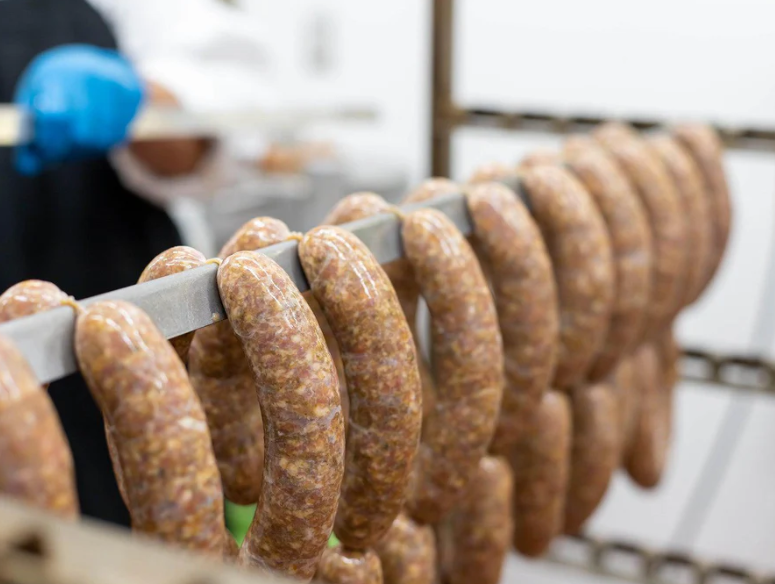
Are you wondering if you need to refrigerate sausage casings to keep them fresh? If you’ve ever bought sausage casings or thought about making your own sausages, this question is probably on your mind.
Storing them the right way can make a big difference in how well your sausages turn out. Keep reading to discover simple tips that will help you store your casings properly and avoid costly mistakes that could ruin your next batch.
Don’t let confusion about storage hold you back from making perfect sausages every time!
Types Of Sausage Casings
Sausage casings come in different types, each with unique features. Choosing the right casing affects the sausage’s texture and flavor. Knowing these types helps in proper storage and use.
Natural Casings
Natural casings come from animal intestines, usually pigs, sheep, or cows. They are edible and give sausages a traditional taste. These casings are flexible and breathe well, which helps in curing and drying. They need careful handling and should be refrigerated to keep fresh.
Collagen Casings
Collagen casings are made from animal collagen, mostly from cows or pigs. They look uniform and are easier to handle than natural casings. These casings are edible and good for fresh or cooked sausages. They store best in a cool, dry place, but refrigeration extends their shelf life.
Cellulose Casings
Cellulose casings are made from plant fibers and are not edible. They give sausages a smooth shape and are easy to peel off after cooking. These casings do not need refrigeration but should be kept dry and away from heat to stay in good condition.

Credit: www.psseasoning.com
Storage Needs By Casing Type
Understanding how to store sausage casings properly depends largely on the type you have. Each casing type—natural, collagen, or synthetic—has its own storage needs that affect freshness and usability. Knowing these differences helps you avoid spoilage and keeps your sausages tasting great.
Refrigeration Requirements
Natural casings, made from animal intestines, almost always need refrigeration. They are perishable and can spoil quickly if left at room temperature. Storing them in a cool, moist environment inside the fridge extends their life significantly.
Collagen casings usually come dried or fresh. Dried collagen casings can be stored in a cool, dry place without refrigeration. Fresh collagen casings, however, should be refrigerated to maintain their texture and prevent bacterial growth.
Synthetic casings, like cellulose or plastic, often do not require refrigeration until after they are opened. Before opening, keep them sealed in a cool, dry spot. After opening, check the package instructions but generally, refrigeration helps keep them fresh longer.
Shelf Life Expectations
| Casing Type | Storage Condition | Typical Shelf Life |
|---|---|---|
| Natural Casings | Refrigerated, moist environment | Up to 6 weeks |
| Collagen Casings (Dried) | Cool, dry place | Several months to 1 year |
| Collagen Casings (Fresh) | Refrigerated | 2 to 3 weeks |
| Synthetic Casings | Sealed, cool dry place; refrigerate after opening | Several months unopened; 1-2 weeks once opened |
Have you ever noticed your casings becoming brittle or smelling off? That’s a clear sign they’ve passed their prime. Keeping an eye on storage conditions can save you from ruined sausage batches and wasted money.
How To Refrigerate Sausage Casings
Proper refrigeration of sausage casings helps keep them fresh and safe for use. Storing casings correctly prevents spoilage and maintains their texture. Follow these simple tips to refrigerate sausage casings effectively.
Packaging Tips
- Keep casings in their original packaging if unopened.
- Use airtight containers or resealable plastic bags to store opened casings.
- Wrap casings in damp cloth or paper towels to prevent drying out.
- Place a small amount of salt or water with natural casings to keep them moist.
- Label the package with the date for easy tracking.
Optimal Temperature Settings
- Store casings at temperatures between 34°F and 40°F (1°C to 4°C).
- Keep casings away from freezer compartments to avoid freezing damage.
- Use the coldest part of the refrigerator, usually near the back.
- Check temperature regularly to ensure stable conditions.

Credit: butcherbbq.com
Alternatives To Refrigeration
While refrigeration is a common method to preserve sausage casings, there are other ways to keep them fresh. These alternatives can be especially useful if fridge space is limited or unavailable. Let’s explore two popular options: freezing and dry storage.
Freezing Casings
Freezing is a practical way to store sausage casings. It helps retain their quality for a long time. Before freezing, rinse the casings thoroughly. Remove any excess salt. Then, place them in a sealed plastic bag. Ensure all air is squeezed out. This prevents freezer burn. Label the bag with the date to track freshness. Store it in the freezer until needed. When ready to use, thaw them in the fridge overnight. This method maintains the casings’ texture and usability.
Dry Storage Options
Dry storage is another viable method. Salted casings can be stored in a cool, dry place. They should remain sealed in their packaging. Or, use an airtight container. This prevents moisture from seeping in. Keep them away from direct sunlight. High temperatures and humidity can spoil them. Regularly check for any signs of spoilage. Properly stored casings in dry conditions can last for months. This method is convenient for those without freezer access.
Signs Of Spoiled Casings
Sausage casings are delicate and can spoil if not stored correctly. Identifying spoiled casings early helps avoid food safety risks. Signs of spoilage can be noticed through changes in appearance, smell, and texture. Knowing these signs ensures you use fresh casings for your sausage making.
Visual Indicators
- Discoloration or dark spots on the casing surface
- Cloudy or slimy appearance instead of clear and smooth
- Dry or cracked areas that look brittle
- Presence of mold or unusual fuzz
Odor And Texture Changes
- Sour or rancid smell instead of a neutral or faint scent
- Sticky or overly slimy feel when touched
- Unusual hardness or brittleness that causes breakage
- Soft, mushy spots that indicate decay
Best Practices For Handling Casings
Handling sausage casings properly is key to making delicious and safe homemade sausages. Whether you’re using natural or synthetic casings, knowing how to prepare and maintain them affects your final product’s texture and flavor. Let’s dive into some practical steps you can take to ensure your casings are ready and fresh for use.
Preparation Before Use
Start by soaking natural casings in cool water for at least 30 minutes to an hour. This softens them and helps remove excess salt used in preservation. Rinse the casings thoroughly under running water to clear away any salt and debris.
For synthetic casings, check the package instructions carefully. Some may require soaking, while others are ready to use right out of the pack. Always inspect casings for any tears or damage before stuffing.
Have you ever tried stuffing dry or improperly rinsed casings? The texture can be tough and unpleasant, making the whole process frustrating. Proper preparation ensures a smooth, enjoyable sausage-making experience.
Maintaining Freshness During Use
Keep your casings moist throughout the sausage-making process to prevent them from drying out and breaking. Store soaked casings in a bowl of cool water, changing the water every 30 minutes if you’re working over an extended time.
If you pause midway, refrigerate the casings in a sealed container with water to maintain freshness. Avoid leaving them exposed to air, which can cause them to dry and become unusable.
Have you noticed how dry casings can snap or tear when stuffing? Keeping them properly hydrated reduces waste and frustration. It’s a simple habit that helps you get consistent, high-quality sausages every time.

Credit: lemproducts.com
Frequently Asked Questions
Do Sausage Casings Need Refrigeration Before Use?
Yes, natural sausage casings should be refrigerated to maintain freshness. Keep them in a salted water solution and refrigerate. This prevents spoilage and bacterial growth, ensuring they stay safe and pliable for stuffing.
How Long Can Sausage Casings Stay Unrefrigerated?
Sausage casings should not be left unrefrigerated for more than two hours. Without refrigeration, they can spoil quickly, leading to bad odor and texture. Always refrigerate promptly after opening or soaking.
Can You Freeze Sausage Casings For Later Use?
Yes, you can freeze sausage casings to extend their shelf life. Rinse and dry them thoroughly before freezing. Store in an airtight container or bag and thaw in the refrigerator before use.
Why Is Refrigeration Important For Natural Casings?
Refrigeration slows bacterial growth and prevents spoilage in natural sausage casings. It keeps the casings moist and flexible, making them easier to work with. Without refrigeration, casings can become dry and brittle.
Conclusion
Sausage casings need proper care to stay fresh and safe. Keep natural casings in the refrigerator or freezer to avoid spoilage. Synthetic casings usually last longer but check the package for instructions. Always store casings in a sealed container to keep moisture and bacteria out.
Proper storage helps maintain their quality and flavor. Remember, fresh casings make better sausages. Taking simple steps keeps your ingredients ready for the next cooking session. Safe storage means tasty results every time.