Are you using compounded semaglutide and wondering how to store it properly? You might have heard different advice about refrigeration and feel unsure about what’s best for your medication.
Storing semaglutide the right way is crucial for making sure it works effectively and stays safe. You’ll discover clear, simple answers about whether your compounded semaglutide needs to be refrigerated—and what happens if it’s not. Keep reading to protect your health and get the most from your treatment.
Semaglutide Basics
Understanding the basics of semaglutide helps clarify its storage needs. This medication is widely used and has specific handling instructions. Knowing what semaglutide is and its benefits gives better insight into why proper care matters.
What Is Semaglutide?
Semaglutide is a medication used to manage blood sugar levels. It belongs to a class of drugs called GLP-1 receptor agonists. These drugs help the body produce more insulin after eating. Semaglutide also slows down digestion, reducing appetite. It is available as an injection and taken once weekly or daily depending on the form.
Uses And Benefits
Semaglutide mainly treats type 2 diabetes. It lowers blood sugar by helping insulin work better. It also helps with weight loss by reducing hunger. Many patients experience improved blood sugar control and less risk of heart problems. Doctors prescribe semaglutide for these reasons and its positive effects on overall health.
Credit: www.goodrx.com
Storage Requirements
Proper storage of compounded semaglutide is essential to keep it effective. This medication is sensitive to temperature changes and light exposure. Incorrect storage can reduce its potency and safety. Understanding the right way to store semaglutide helps maintain its quality for the entire treatment period.
Why Storage Matters
Semaglutide contains active ingredients that can break down if not stored correctly. Exposure to heat or freezing temperatures can damage the medication. This can lead to less effective treatment and possible side effects. Safe storage preserves the drug’s strength and ensures it works as intended.
Proper storage also prevents contamination. Keeping the medication in recommended conditions reduces the risk of bacteria growth. This is important for injections, as contaminated solutions can cause infections.
Temperature Guidelines
Compounded semaglutide usually needs refrigeration to stay stable. The ideal temperature range is between 2°C and 8°C (36°F and 46°F). This keeps the drug fresh and potent.
Once opened or in use, some formulations may be kept at room temperature for a limited time. Room temperature means below 30°C (86°F). Avoid storing semaglutide near heat sources or in direct sunlight.
Do not freeze semaglutide. Freezing can destroy the medication’s structure. If the product freezes, discard it and use a new supply.
Refrigeration Needs
Compounded semaglutide is a medication used for weight management and diabetes. Proper storage is crucial to maintain its effectiveness. Understanding the refrigeration needs of semaglutide helps ensure its potency and safety. Let’s explore when refrigeration is necessary and the consequences of not refrigerating it.
When Refrigeration Is Necessary
Compounded semaglutide requires refrigeration to stay effective. The recommended storage temperature is between 36°F and 46°F. This helps maintain its stability and prevents degradation. If stored correctly, semaglutide remains effective until its expiration date. Always check the packaging or consult a pharmacist for specific storage instructions.
Effects Of Not Refrigerating
Failing to refrigerate semaglutide can lead to reduced potency. This may result in less effective treatment outcomes. Exposure to higher temperatures can cause the medication to break down. This affects its ability to manage blood sugar levels effectively. In some cases, using improperly stored semaglutide may pose health risks. Always ensure that it is kept within the recommended temperature range.
Handling Compounded Semaglutide
Handling compounded semaglutide requires careful attention. This medication must be stored and used properly to keep it effective and safe. Understanding how it differs from commercial versions helps in managing it well. Proper storage practices ensure the medicine stays potent and works as intended.
Differences From Commercial Versions
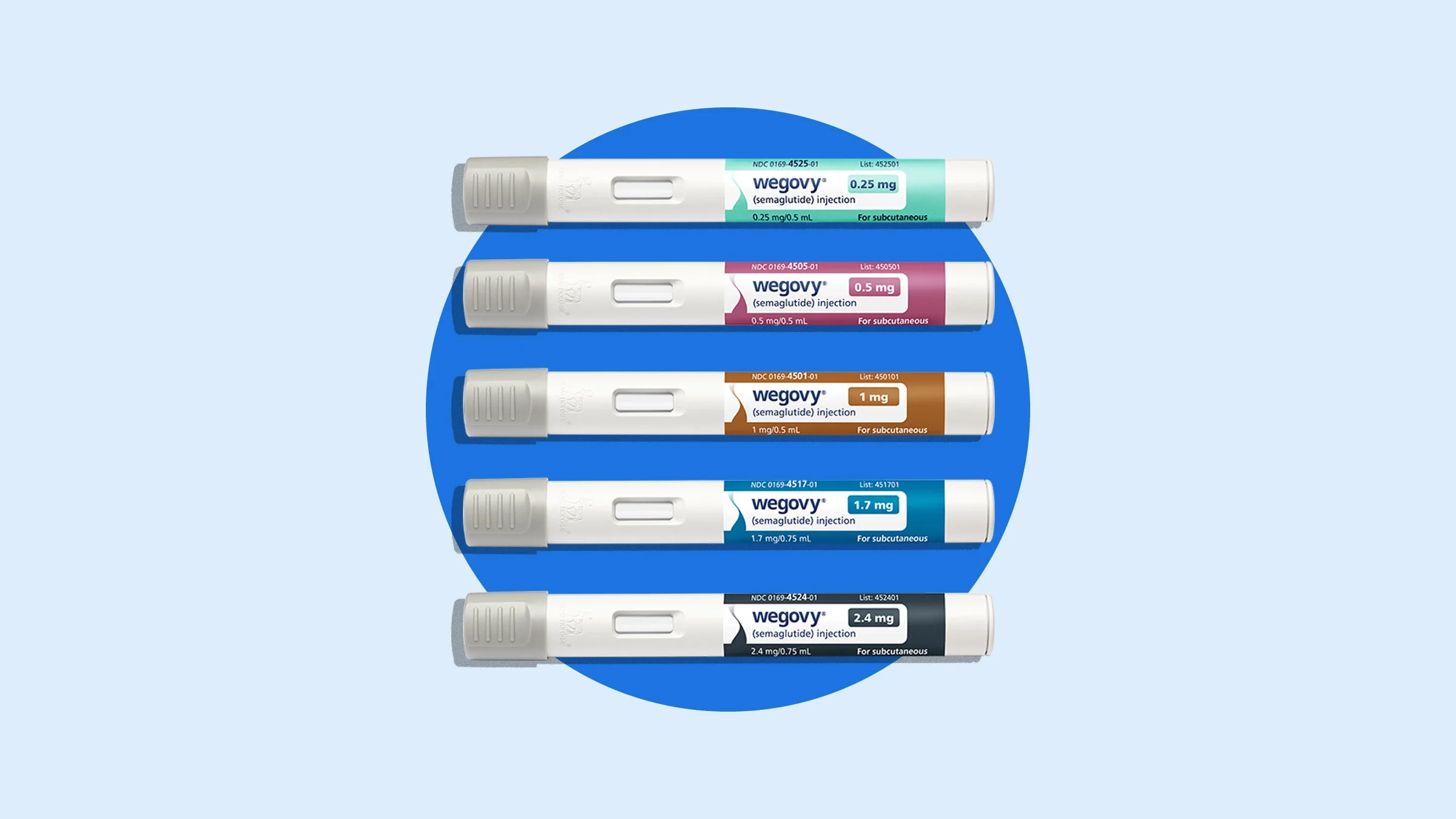
Compounded semaglutide is made in pharmacies to meet specific patient needs. It may not include preservatives found in commercial products. This makes it more sensitive to temperature changes and handling. Commercial versions often come in ready-to-use pens. Compounded forms might need extra care during storage and use. The shelf life of compounded semaglutide can be shorter. This means it may require stricter storage conditions.
Proper Storage Practices
Keep compounded semaglutide in the refrigerator at 2°C to 8°C (36°F to 46°F). Avoid freezing the medication as it can damage the active ingredient. Protect it from light by keeping it in its original container. Do not store it near the freezer or freezer door. When using, take the dose out and let it reach room temperature briefly. Use the medication within the time frame recommended by the pharmacist. Discard any unused medicine after this period to avoid reduced effectiveness.
Tips For Safe Storage
Proper storage of compounded semaglutide ensures its strength and safety. Following simple storage tips keeps the medication effective for use. Safe handling also prevents waste and saves money.
Avoiding Heat Exposure
Keep semaglutide away from heat sources. High temperatures can break down the medication quickly. Store it in a cool area, ideally between 36°F and 46°F (2°C to 8°C). Avoid placing it near ovens, heaters, or direct sunlight. If refrigeration is not possible, short-term storage at room temperature should not exceed 30 days.
Protecting From Light
Light can damage semaglutide and reduce its potency. Always store the medication in its original container. This container is designed to block light and protect the contents. Avoid clear or transparent bottles that allow light inside. Keep the container tightly closed when not in use to prevent light exposure.
Using Storage Containers
Use proper storage containers to maintain medication quality. Original packaging is best for semaglutide. If transferring, choose containers that are airtight and opaque. Label the container with the medication name and expiration date. Store containers in an upright position to avoid leaks or spills.

Credit: www.ivyrx.com
Shelf Life And Expiry
Understanding the shelf life and expiry of compounded semaglutide is crucial for safe and effective use. Proper storage directly impacts how long the medication maintains its potency. Knowing when and how the drug degrades helps you avoid using ineffective or potentially harmful doses.
How Long It Lasts
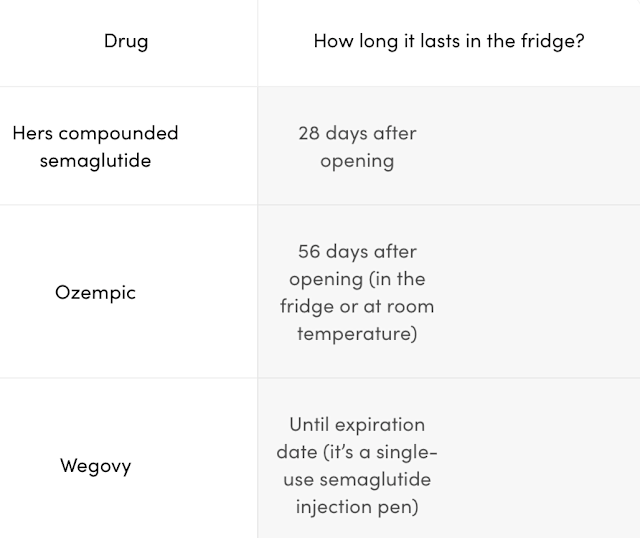
Compounded semaglutide typically lasts between 28 to 30 days once opened, especially if stored correctly. Unopened vials or pens often have a longer shelf life, sometimes up to several months, but always check the label for specific expiry dates. Keeping the medication refrigerated before use can extend its effectiveness.
Have you ever noticed that your medication loses its effect after a few weeks? That’s often a sign the drug has passed its prime. Using semaglutide beyond its recommended shelf life can reduce its ability to control blood sugar or support weight loss.
Signs Of Degradation
Look out for changes in the appearance of the solution. If the semaglutide becomes cloudy, discolored, or contains particles, it’s a clear warning sign to discard it. These changes indicate the medication has broken down and may no longer be safe or effective.
Another subtle sign is a change in texture or smell. Even if the medication looks fine, an unusual odor or a thicker consistency can signal degradation. Trust your senses and never hesitate to replace your medication if something feels off.
- Cloudiness or discoloration
- Presence of particles or sediment
- Unusual odor
- Changes in texture or thickness
Have you ever taken a closer look at your medication before using it? Small details like these can make a big difference in your treatment success.
Travel And Transport
Traveling with compounded semaglutide requires careful handling to keep the medication effective. This injectable drug must stay cool to maintain its strength and safety. Understanding the best ways to transport and store semaglutide during travel is crucial for patients.
Keeping Semaglutide Cool On The Go
Semaglutide should be kept between 36°F and 46°F (2°C to 8°C) for optimal preservation. Avoid freezing or exposing it to heat. During travel, keep the medicine in its original packaging to protect it from light. Use insulated bags or coolers designed for medical supplies. Check the temperature regularly with a portable thermometer.
Portable Cooling Options
- Mini coolers with ice packs
- Battery-operated portable refrigerators
- Insulated pouches with gel packs
- Cooling cases made specifically for injectables
Choose options that maintain steady temperatures. Avoid direct contact between ice packs and the medication. Wrap packs in cloth to prevent freezing. Plan for power sources if using electric coolers. Always have backup cooling methods on long trips.

Credit: www.reddit.com
Frequently Asked Questions
Is Compounded Semaglutide Temperature Sensitive?
Compounded semaglutide is indeed temperature sensitive. It requires refrigeration to maintain its potency and stability. This is crucial for ensuring its effectiveness when used as a medication. Proper storage conditions are essential to prevent degradation.
How Should I Store Compounded Semaglutide?
Store compounded semaglutide in the refrigerator at a temperature between 2°C and 8°C (36°F and 46°F). Keep it away from direct sunlight, moisture, and heat sources. This will help maintain its quality and efficacy. Always check the expiration date before use.
What Happens If I Don’t Refrigerate Compounded Semaglutide?
If compounded semaglutide is not refrigerated, its potency and stability may be compromised. This can lead to reduced efficacy and potentially adverse effects. Always follow proper storage guidelines to ensure the medication remains effective and safe for use.
Can I Freeze Compounded Semaglutide?
Freezing compounded semaglutide is not recommended. It may cause the medication to degrade, leading to reduced potency and efficacy. Refrigeration is the preferred storage method to maintain the medication’s quality and effectiveness.
Conclusion
Compounded semaglutide usually needs refrigeration to stay fresh. Keeping it cold helps maintain its strength and safety. Room temperature can make the medicine less effective. Always check the label or ask your pharmacist about storage. Proper care means better results and fewer risks.
Don’t let your medication lose power because of wrong storage. Simple steps make a big difference in your health. Store semaglutide right to get the best from your treatment.