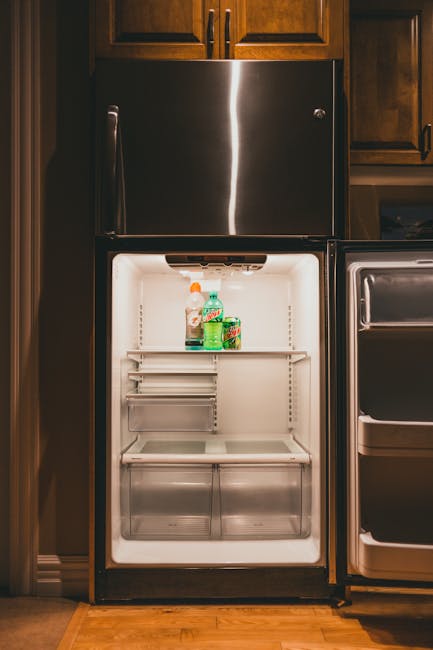
Have you ever opened a bottle of pineapple juice and wondered if it really needs to be refrigerated? You might be surprised to learn that storing your juice the right way can make a big difference in taste and safety.
Whether you love sipping it fresh or using it in recipes, knowing how to keep pineapple juice fresh is key. Keep reading, and you’ll discover simple tips that will help you enjoy your juice longer and avoid waste. Don’t let your delicious drink go bad—find out exactly what you need to do!
Pineapple Juice Shelf Life
Pineapple juice is a delicious and refreshing drink, but understanding its shelf life is key to enjoying it safely and at its best quality. How long pineapple juice lasts depends largely on whether it’s opened or unopened and how it’s stored. Let’s look closely at these factors so you can avoid wasting your juice or risking spoilage.
Unopened Juice Duration
Unopened pineapple juice typically lasts much longer than you might expect. When stored in a cool, dark place like your pantry, it can remain fresh for several months past the printed expiration date. This is because the packaging is sealed to keep out air and bacteria, preserving the juice’s flavor and nutrients.
However, always check the packaging for specific storage instructions. If it’s canned or in a shelf-stable carton, it can last 6 to 12 months unopened. But if it’s fresh or refrigerated before opening, the shelf life is much shorter—usually just a few days to a week.
Opened Juice Duration
Once opened, pineapple juice becomes more vulnerable to spoilage. Oxygen and bacteria enter the container, which speeds up the deterioration process. Refrigeration is essential after opening to slow down this process.
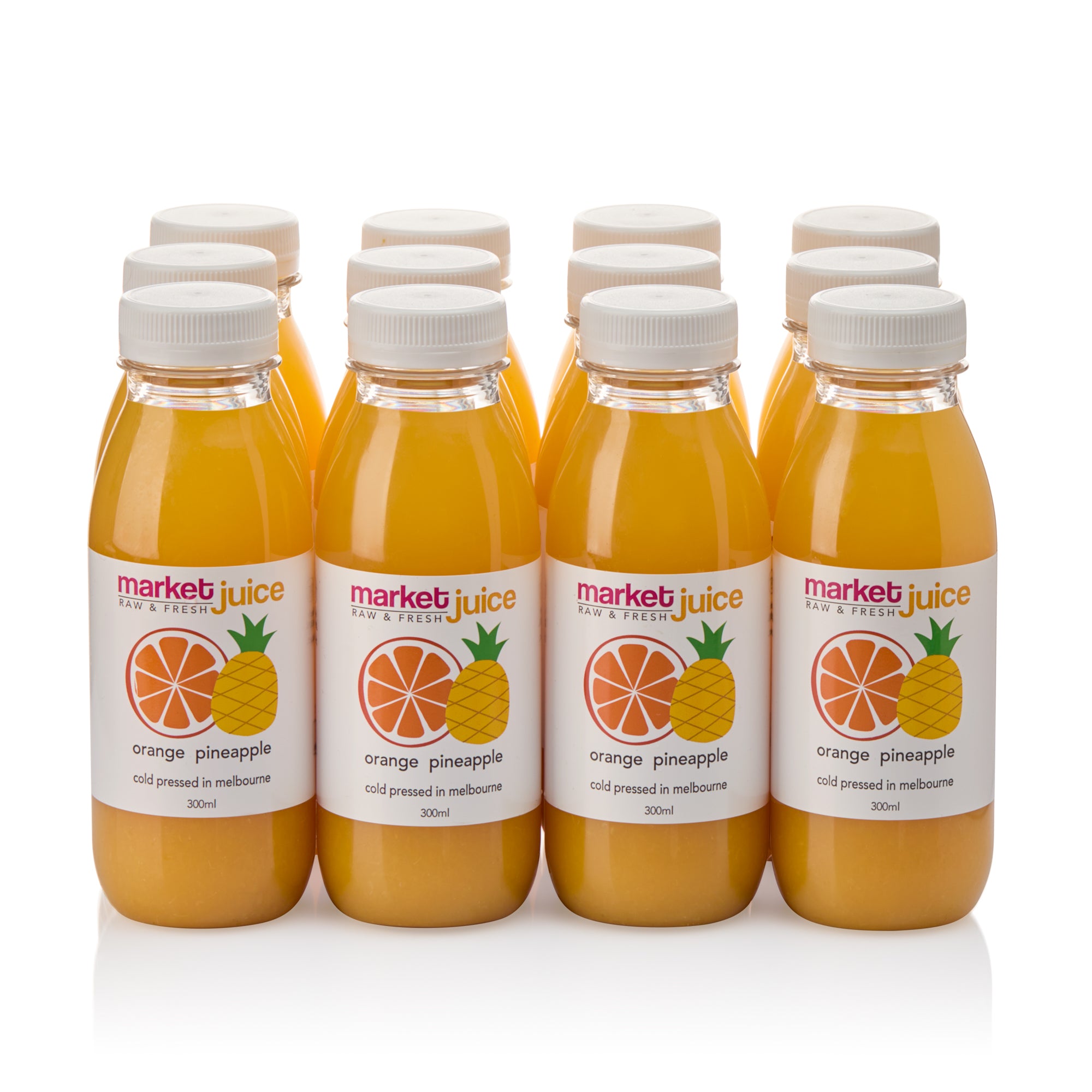
In the fridge, opened pineapple juice generally stays fresh for about 5 to 7 days. You might notice changes in smell, taste, or appearance if it goes bad—don’t ignore these signs. Have you ever tasted juice that was just a bit off? It’s a clear reminder to check your juice regularly.
To extend freshness, always seal the container tightly and avoid leaving it out at room temperature for long periods. Small habits like this can save you from throwing away spoiled juice and help you enjoy it at its best flavor.
Credit: marketjuice.com.au
Effects Of Refrigeration
Refrigeration plays a crucial role in maintaining the quality of pineapple juice. It slows down natural processes that cause the juice to lose flavor and freshness. Keeping pineapple juice cold helps keep it safe and tasty for longer periods.
Preserving Freshness
Cold temperatures help preserve the bright, sweet taste of pineapple juice. The cool environment slows the breakdown of natural sugars and acids. This means the juice stays flavorful and refreshing for days. Without refrigeration, the juice can quickly lose its fresh taste.
Preventing Spoilage
Refrigeration reduces the growth of bacteria and mold in pineapple juice. These microbes cause spoilage and make the juice unsafe to drink. Keeping the juice in the fridge extends its shelf life and prevents sour smells and odd textures. This ensures the juice remains enjoyable and safe to consume.
Risks Of Not Refrigerating
Pineapple juice left unrefrigerated can spoil quickly and develop harmful bacteria. This risks food poisoning and changes the juice’s taste and smell. Keeping it cold helps maintain freshness and safety.
Storing pineapple juice properly is not just a suggestion; it’s crucial for maintaining its safety and taste. If you’ve ever wondered whether skipping refrigeration is a big deal, you’re not alone. Let’s uncover the hidden risks lurking in that innocent-looking glass of juice left out on the counter.Bacterial Growth
Without refrigeration, pineapple juice becomes a playground for bacteria. The natural sugars and acids in the juice create an ideal environment for bacteria to thrive. This can lead to foodborne illnesses that can cause symptoms like stomach cramps and nausea. Leaving juice out at room temperature for too long can be risky. Harmful bacteria such as E. coli and Salmonella can multiply rapidly. You wouldn’t want to gamble with your health over a simple oversight, would you?Taste And Quality Changes
Refrigeration is key to preserving the fresh, tangy taste you love in pineapple juice. Without the cold, the juice can quickly lose its vibrant flavor and become dull or sour. Imagine pouring yourself a glass of juice only to find it’s lost its sweet charm. That’s the result of oxidation, which alters both taste and aroma, leaving you with a less enjoyable experience. Have you ever noticed a change in color or consistency in juice left out too long? These are signs of quality degradation. Keeping your juice chilled ensures it stays as delightful as the moment you first opened it. Isn’t it worth the extra step to keep your juice delicious and safe?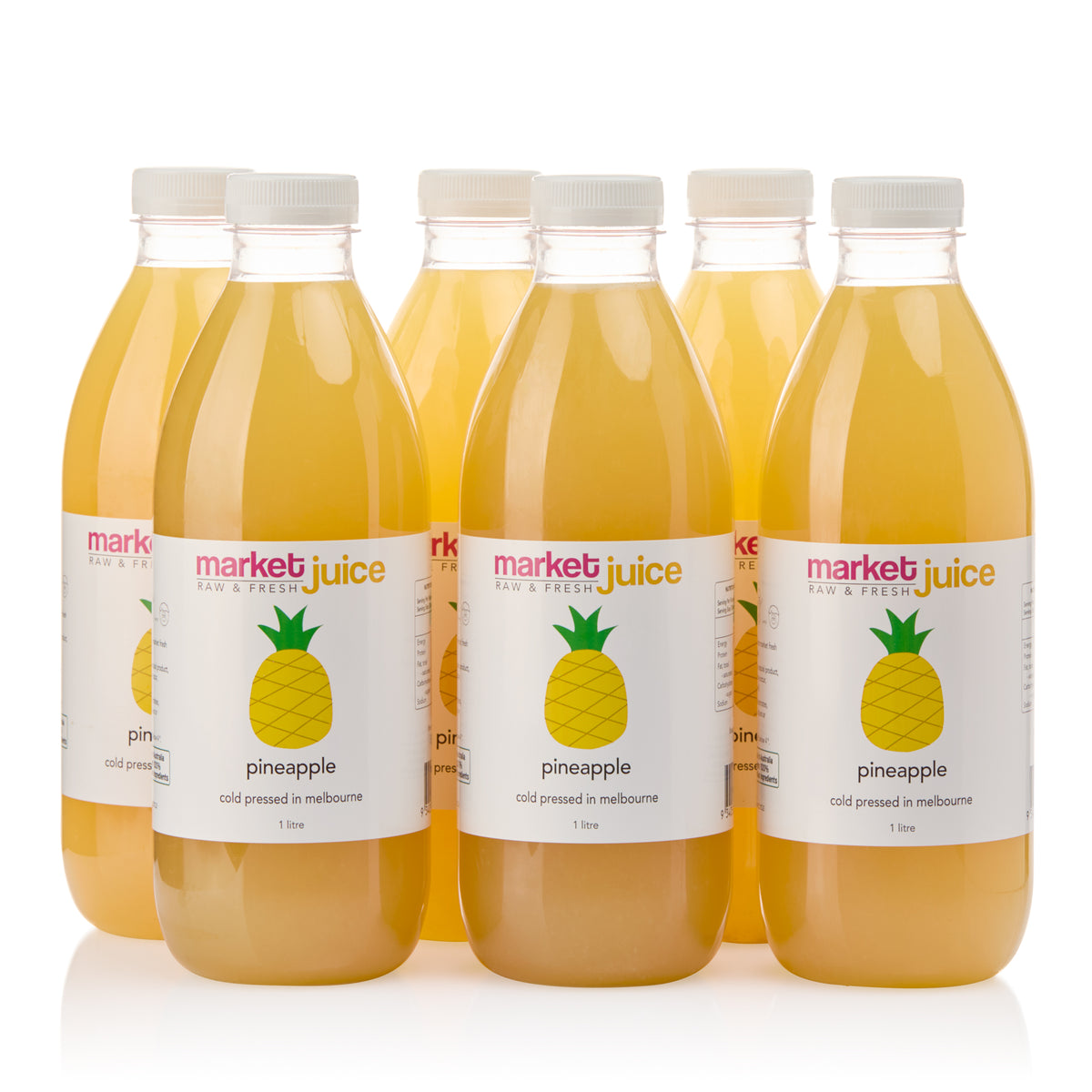
Credit: marketjuice.com.au
Best Storage Practices
Storing pineapple juice correctly keeps it fresh and tasty for longer. Proper storage slows down spoilage and keeps flavors intact. Follow simple steps to maintain the juice’s quality after opening or pouring.
Ideal Temperature
Pineapple juice stays fresh best at cold temperatures. Keep it in the refrigerator between 35°F and 40°F (2°C to 4°C). This temperature range slows bacteria growth and preserves taste. Avoid leaving the juice at room temperature for long periods. Warmth causes the juice to spoil quickly.
Proper Container Types
Use containers that protect the juice from air and light. Glass bottles or jars with tight lids are excellent choices. Plastic containers made for food storage also work well. Avoid containers that let air in, like open cups or thin plastic bags. Store juice in small portions to reduce exposure each time you open it.
Storing Fresh Vs. Store-bought Juice
Storing pineapple juice properly keeps its taste fresh and safe. Freshly squeezed juice and store-bought juice need different care. Knowing the best way to store each type helps you enjoy the juice longer. This section explains how to store both fresh and packaged pineapple juice.
Freshly Squeezed Juice Tips
- Keep juice in a clean, airtight container to prevent contamination.
- Refrigerate immediately after squeezing to slow down bacteria growth.
- Consume within 24 to 48 hours for best flavor and safety.
- Avoid leaving juice at room temperature for too long.
- Stir the juice before drinking as natural pulp may settle.
Packaged Juice Tips
- Check the label for storage instructions before opening.
- Store unopened juice in a cool, dry place away from sunlight.
- Once opened, always refrigerate and seal the container tightly.
- Use opened juice within 7 to 10 days for best quality.
- Do not mix fresh juice with store-bought juice to avoid spoilage.
Signs Of Spoiled Pineapple Juice
Knowing the signs of spoiled pineapple juice helps avoid drinking bad juice. Spoiled juice can cause stomach upset and taste unpleasant. Pay close attention to changes in how the juice looks, smells, and tastes. These clues help decide if the juice is safe to drink or should be thrown away.
Visual Indicators
- Cloudy or murky appearance instead of clear juice
- Unusual color changes, such as darkening or browning
- Presence of mold spots or floating particles
- Fizzing or bubbles indicating fermentation
- Separation of liquid and solids that does not mix back
Smell And Taste Changes
- Sour or off-putting smell instead of fresh pineapple aroma
- Strange or sharp acidic scent
- Bitter or sour taste instead of sweet and tangy
- Unpleasant aftertaste that lingers
- Any unusual flavors that feel odd on the tongue

Credit: nawon.com.vn
Frequently Asked Questions
Does Pineapple Juice Spoil Without Refrigeration?
Yes, pineapple juice spoils quickly if left unrefrigerated. Warm temperatures promote bacterial growth, causing sour taste and odor. Always refrigerate juice after opening to maintain freshness and safety.
How Long Can Pineapple Juice Stay Unrefrigerated?
Pineapple juice can stay unrefrigerated for about 2 hours. Beyond that, bacteria multiply rapidly, risking spoilage and foodborne illness. Refrigerate promptly to extend shelf life.
Can Unopened Pineapple Juice Be Stored At Room Temperature?
Unopened pineapple juice in aseptic packaging can be stored at room temperature. Once opened, refrigeration is necessary to prevent spoilage and maintain quality.
What Happens If Pineapple Juice Is Not Refrigerated?
If not refrigerated, pineapple juice ferments and sours quickly. This leads to off-flavors, cloudiness, and potential harmful bacteria growth, making it unsafe to consume.
Conclusion
Pineapple juice tastes best when kept cold. Storing it in the fridge helps keep it fresh longer. Warm temperatures can spoil the juice quickly. Always close the container tightly after use. Fresh juice lasts only a few days outside the fridge.
Chilled juice stays safe and flavorful for about a week. Drinking spoiled juice can cause stomach upset. So, keep your pineapple juice refrigerated to enjoy its sweet taste and health benefits. Simple steps make your juice last longer and taste better.
Easy to do, easy to enjoy!