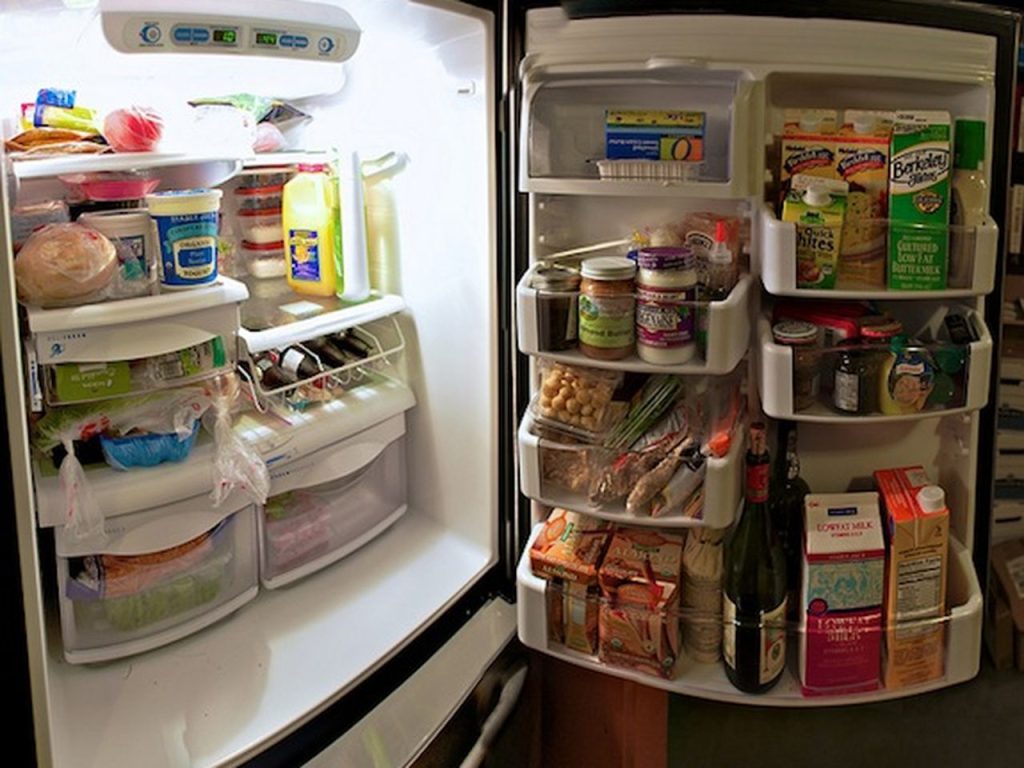
Imagine a world without refrigerators. How would you keep your food fresh?
How often would you need to visit the market? The refrigerator changed all of that. It transformed the way you store food, save money, and even live your daily life. But its impact goes far beyond your kitchen. You’ll discover how the refrigerator reshaped society in surprising ways.
Keep reading to find out how this simple appliance has influenced your health, economy, and even culture.
Origins Of Refrigeration
The origins of refrigeration trace back to humanity’s need to keep food fresh and safe. Before modern refrigerators, people used natural and simple methods to cool their food. These early techniques laid the foundation for the invention of the refrigerator. Over time, technology improved, making refrigeration more effective and accessible. This section explores how refrigeration began and evolved through history.
Early Cooling Methods
Long before machines, people used ice and snow to cool food. They stored ice in underground pits or cellars to keep things cold. In some places, food was kept near rivers or streams to stay fresh. People also used evaporation to cool, wrapping wet cloths around containers. These methods worked but had limits. They depended on weather and location. Food spoilage remained a big problem.
Invention Of The Refrigerator
The first true refrigerator came in the 18th century. Inventors started using artificial cooling with chemicals and machines. In 1748, William Cullen showed how to create artificial ice using a pump. Later, in 1834, Jacob Perkins built the first practical vapor-compression refrigeration system. These early machines used gases to absorb heat and cool spaces. They were large and costly, mostly for businesses. Households could not afford them yet.
Evolution Of Refrigerator Technology
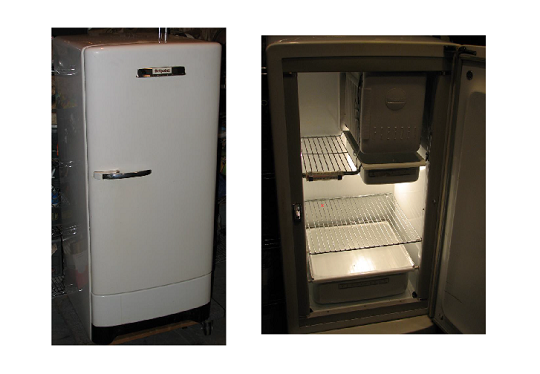
Refrigerator technology improved fast in the 20th century. Compressors became smaller and cheaper. Safer refrigerants replaced harmful chemicals. Electric refrigerators entered homes, changing daily life. They kept food fresh longer and reduced waste. New features like automatic defrost and temperature control appeared. Today’s refrigerators use smart technology and energy-saving designs. They continue to evolve, making food storage easier and safer for everyone.
Refrigerator And Food Preservation
The refrigerator transformed how we preserve food, making it easier to keep items fresh for longer periods. This change directly affected daily life, from how families shop to the way meals are prepared. Understanding the impact on food preservation reveals why this appliance became essential in modern households.
Extending Shelf Life
Refrigerators slow down the growth of bacteria and mold that cause food to spoil. This means fruits, vegetables, dairy, and meats last much longer than they did before refrigeration.
Think about how you store leftovers now—thanks to refrigeration, you don’t have to rush to eat everything in one sitting. This extra time reduces the pressure to consume food immediately, offering more flexibility in meal planning.
Reducing Food Waste
With longer-lasting food, less gets thrown away. Before refrigeration, spoiled food was a common problem, often leading to wasted money and resources.
By keeping your food fresh, you can avoid frequent trips to the store and use what you already have. Have you noticed how much less you toss out now compared to before you had a fridge?
Changing Eating Habits
The ability to store perishable items changed what and when people eat. Refrigeration made it possible to enjoy fresh produce and dairy year-round, not just seasonally.
You can prepare meals in advance, store leftovers safely, and experiment with new recipes without worrying about rapid spoilage. How has your eating routine shifted with easier food storage?
Impact On Health And Nutrition
The refrigerator has transformed how we think about health and nutrition in our daily lives. By providing a means to store perishable items safely, it has allowed us to enjoy a more varied and nutritious diet. Let’s explore how this modern appliance has changed the way we eat and live.
Improved Food Safety
Before refrigerators, food spoilage was a common issue, leading to frequent illnesses. You can now keep food safe from harmful bacteria by storing it in a cool environment. This simple practice reduces the risk of foodborne diseases significantly, ensuring you and your family can enjoy meals without worry.
Access To Fresh Produce
With a refrigerator, you can enjoy fresh fruits and vegetables all year round. No longer limited to seasonal produce, your diet can include a variety of options regardless of the time of year. This access means better nutrition, as fresh produce is often richer in essential vitamins and minerals.
Dietary Diversity
Refrigeration encourages trying new foods and recipes. With the ability to store different ingredients safely, you can experiment with cuisines from around the world. This not only makes meals more exciting but also ensures a balanced intake of nutrients, promoting overall health.
Have you ever considered how your diet might change without a refrigerator? Embracing the convenience and safety it offers can lead to healthier eating habits and a more adventurous palate. Enjoy the benefits of modern living by making the most of your refrigerator’s capabilities.
Credit: ryanfinlay.medium.com
Economic And Industrial Effects
The refrigerator changed the economy and industries deeply. It made food last longer and travel farther. This change helped many businesses grow and created new jobs. The way people buy, sell, and produce food shifted. These shifts shaped modern life and work.
Growth Of Food Industry
The food industry grew fast because refrigerators kept food fresh. Factories could make frozen and packaged foods. This growth helped farmers sell more products. Food companies expanded to meet new demand. People enjoyed more variety and safer food.
Expansion Of Grocery Markets
Grocery stores grew larger and offered more choices. They could stock fresh meat, dairy, and vegetables daily. Refrigeration allowed stores to keep food longer and reduce waste. This led to bigger stores in towns and cities. Shopping became easier and more convenient for families.
Job Creation In Manufacturing
The refrigerator industry created many new jobs. Factories hired workers to build and repair units. Engineers and designers improved cooling technologies. Sales and delivery services grew with demand. These jobs helped boost local economies and skills.
Social And Cultural Changes
The introduction of the refrigerator changed how people live in ways you might not immediately realize. It affected daily routines, family dynamics, and even the way social events happen. These social and cultural changes are still visible in homes and communities today.
Shift In Meal Preparation
Before refrigerators, people cooked with what was fresh and available that day. Now, you can plan meals ahead and store leftovers safely.
This change means you spend less time shopping and cooking every single day. You can also try new recipes that require ingredients not available daily.
Have you noticed how meal prepping has become popular? It’s all possible because of refrigeration.
Influence On Family Life
The refrigerator brought families closer around the kitchen table. With food stored safely, families started eating more meals together at home.
It also changed grocery shopping habits—people buy in bulk, saving time and money. This shift allows for more relaxed family time instead of rushing to the store every day.
Think about your own family meals. How often do you rely on leftovers or planned meals made possible by your fridge?
Changes In Social Gatherings
Social events became more flexible with refrigeration. Hosts could prepare food in advance and keep it fresh for guests.
This made it easier to host larger gatherings and try out different dishes. Cold beverages and chilled desserts also became staples at parties.
Next time you attend a gathering, notice how much the fridge contributes to the variety and quality of food served.

Credit: en.wikipedia.org
Environmental Considerations
The refrigerator changed how people store food but also raised environmental questions. It uses power and chemicals that can affect the planet. Understanding these effects helps us see the need for better solutions.
Energy Consumption
Refrigerators use electricity to keep food cold. Older models consume more power, increasing energy bills and pollution. Newer designs focus on using less energy. Energy-efficient refrigerators reduce carbon footprints and save money.
Refrigerant Impacts
Refrigerants cool the inside of refrigerators. Early refrigerants harmed the ozone layer and contributed to global warming. Safer alternatives now replace harmful chemicals. Proper disposal and recycling of refrigerants remain important to protect the environment.
Sustainable Innovations
Manufacturers develop eco-friendly refrigerators with better insulation and smart technology. Solar-powered models and natural refrigerants show promise. These innovations aim to lower energy use and reduce harmful emissions, helping the environment.
Future Of Refrigeration
The future of refrigeration holds many exciting possibilities. New technology aims to make refrigerators smarter, greener, and more accessible worldwide. These changes will shape how we store food and conserve energy in the years ahead.
Smart Refrigerators
Smart refrigerators connect to the internet and offer many features. They can track food expiration dates and suggest recipes. Some models monitor energy use and adjust settings automatically. Voice control and touchscreens add convenience. These fridges help reduce food waste and improve kitchen management.
Energy Efficiency Trends
Energy efficiency is a top priority for new refrigerators. Manufacturers use better insulation and advanced compressors. Many models now use eco-friendly refrigerants to lower environmental impact. Improved designs reduce electricity bills and greenhouse gas emissions. Energy-saving features will continue to evolve and become standard.
Global Access And Challenges
Access to refrigeration varies greatly across the world. Many rural and poor areas still lack reliable cooling options. This limits food preservation and health. Efforts focus on creating affordable, low-energy units for these regions. Solar-powered refrigerators show promise in off-grid locations. Expanding global access remains a key challenge and goal.

Credit: en.wikipedia.org
Frequently Asked Questions
How Did Refrigerators Change Food Storage?
Refrigerators extended food shelf life by slowing bacterial growth. They reduced food spoilage and waste, making meals safer and fresher. This innovation transformed kitchens and grocery shopping habits worldwide.
What Societal Benefits Did Refrigerators Bring?
Refrigerators improved public health by preserving perishable foods longer. They enabled year-round access to diverse foods and supported modern food industries. Refrigeration also boosted convenience and family nutrition globally.
How Did Refrigeration Affect The Economy?
Refrigerators expanded food markets by enabling long-distance transport. They helped develop frozen food industries and grocery retail. This technology created jobs and stimulated economic growth in agriculture and manufacturing sectors.
Why Is The Refrigerator Important In Modern Homes?
Refrigerators simplify meal planning by keeping food fresh longer. They save time and money by reducing daily shopping frequency. This appliance is essential for food safety and household efficiency today.
Conclusion
The refrigerator changed how people store and eat food. It helped keep food fresh longer and reduced waste. Families could buy and keep more food at once. This led to healthier meals and less hunger. It also supported new jobs and industries.
Today, refrigerators remain a key part of daily life worldwide. This simple machine made a big difference for society. It shows how technology can improve everyday living.