Do you ever wonder if you should refrigerate lemons or just keep them on your countertop? You’re not alone.
How you store your lemons can make a big difference in how long they stay fresh and juicy. Imagine reaching for a lemon and finding it dry, shriveled, or worse—moldy. That’s frustrating, right? You’ll discover simple tips that will help you keep your lemons fresh for weeks.
By the end, you’ll know exactly what to do to make your lemons last longer and save money. Keep reading—you won’t want to miss these easy storage secrets!

Credit: www.cookist.com
Storing Lemons Properly
Storing lemons properly keeps them fresh and juicy for longer. Knowing where and how to store lemons helps reduce waste. It also saves money and time spent on frequent shopping. The right storage method depends on how soon you plan to use the lemons.
Room Temperature Storage
Lemons can stay fresh at room temperature for about a week. Keep them in a cool, dry place away from direct sunlight. Avoid storing lemons near fruits like apples or bananas that release ethylene gas. This gas speeds up ripening and spoilage. For best results, place lemons in a bowl or on the counter with good air circulation.
Refrigeration Benefits
Refrigerating lemons extends their freshness significantly. Store lemons in the crisper drawer or a sealed plastic bag. The cold slows down the lemon’s natural decay process. It also keeps the fruit firm and juicy. Refrigeration helps maintain the lemon’s bright color and flavor longer than room temperature storage.
Impact On Shelf Life
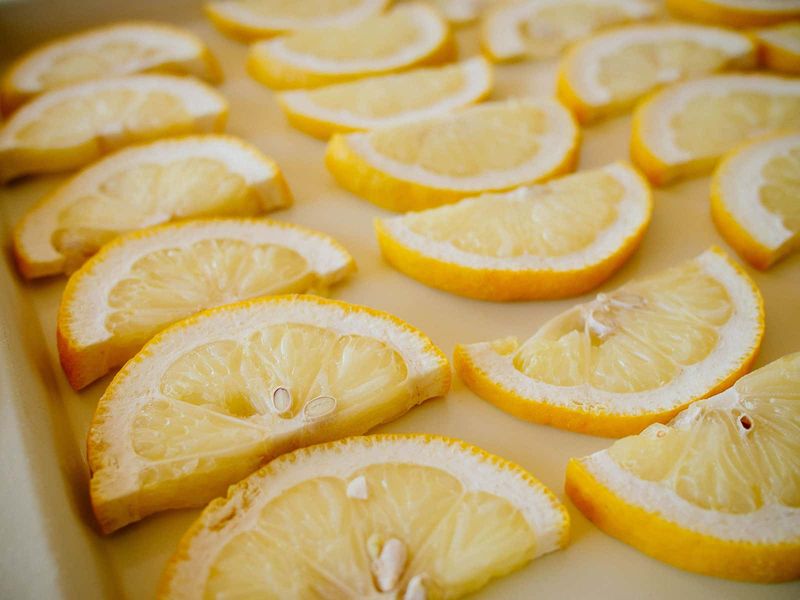
Room temperature lemons last about 5 to 7 days. Refrigerated lemons can last up to 3 to 4 weeks. Proper storage reduces moisture loss and mold growth. Check lemons regularly for soft spots or mold. Remove any damaged lemons to prevent spoilage of others. Proper storage keeps lemons ready for cooking, drinks, or snacks.
Credit: dailydish.co.uk
Signs Of Fresh Lemons
Knowing how to spot fresh lemons can save you from a sour cooking experience or wasted fruit. Fresh lemons not only look vibrant but also feel right when you hold them. Recognizing these signs helps you decide whether to refrigerate them or use them right away.
Appearance And Texture
Fresh lemons have a bright yellow color without any green or brown patches. Their skin should be smooth and slightly shiny, not dull or wrinkled. Avoid lemons with soft spots, cuts, or bruises as these are signs of aging or damage.
When you pick up a lemon, it should feel firm but not rock hard. If the skin feels too hard, the lemon might be dry inside. On the other hand, overly soft or mushy spots mean the fruit is past its prime.
Smell And Firmness
Fresh lemons have a strong, clean citrus aroma. If you bring a lemon close to your nose and don’t smell much, it might be old or flavorless. A zesty scent is a good sign that the lemon will be juicy and flavorful.
Firmness matters too. Squeeze the lemon gently—if it gives slightly without feeling mushy, it’s fresh and ready to use. Too much softness or a hollow sound when tapped can indicate the lemon is drying out inside.
Best Refrigeration Practices
Lemons last longer when stored in the refrigerator. Keeping them cold slows down spoilage and keeps them fresh. For best results, place lemons in a sealed bag inside the fridge.
Storing lemons correctly can make a significant difference in their freshness and flavor. Refrigerating lemons might seem straightforward, but using the right techniques can extend their shelf life and maintain their zesty goodness. Whether you’ve got a whole bunch from a grocery haul or a few leftover slices from making lemonade, these best practices will help you keep them fresh and vibrant.Using Airtight Containers
Storing lemons in airtight containers is a game changer. When you seal them in a container, you shield them from air exposure, which slows down the drying process. This is particularly useful if you’ve cut the lemons and want to keep them juicy. I once stored half a lemon in a regular bowl, thinking it would be fine. A couple of days later, it was shriveled and dry. On the other hand, the lemon I kept in an airtight container stayed fresh and ready to use for over a week. If you’re looking to maintain that tangy freshness, this small step can make a world of difference.Avoiding Moisture Build-up
Moisture is the enemy when it comes to storing lemons. Excess moisture can lead to mold and spoilage, ruining your citrus stash. To avoid this, ensure your lemons are dry before storing them in the fridge. Consider lining the bottom of your storage container with a paper towel. This absorbs any excess moisture and keeps your lemons dry. Have you ever pulled out a mushy lemon with a fuzzy coat of mold? It’s not a pleasant sight, and it’s often a result of trapped moisture. Keeping them dry is a simple trick that saves you from that disappointment. By adopting these practices, you can ensure your lemons remain fresh and flavorful, ready to add a burst of zest to your dishes. How do you store your lemons? Share your tips and let others in on your secrets!Using Lemons After Storage
Using lemons after storage requires some care to keep their fresh taste and texture. Proper handling helps maintain their natural juice and bright zest. Whether refrigerated or kept at room temperature, lemons can still deliver great flavor with the right approach.
Maximizing Flavor
Before using stored lemons, roll them on a hard surface. This softens the fruit and makes juicing easier. Warm lemons slightly in your hands or microwave for 10 seconds. This helps release more juice. Cut lemons just before use to preserve freshness.
Tips For Juicing And Zesting
- Use a fine grater or microplane to zest lemons without reaching the bitter white pith.
- Strain lemon juice to remove seeds and pulp for smooth recipes.
- Store leftover juice in an airtight container in the fridge for up to two days.
- Use zest immediately or dry it for later use to keep aroma.
Common Mistakes To Avoid
Knowing how to store lemons properly can save you money and keep your fruit fresh longer. Yet, many people unknowingly make mistakes that speed up spoilage or reduce lemon quality. Avoiding these common errors ensures your lemons stay juicy and flavorful.
Storing With Ethylene-producing Fruits
Did you know some fruits release ethylene gas, which can cause lemons to spoil faster? Fruits like apples, bananas, and avocados produce this gas naturally. If you store lemons next to these, the lemons may ripen and rot prematurely.
Keep your lemons separate from ethylene producers to extend their shelf life. Use different drawers or containers in your fridge. This small change can make a big difference in freshness.
Ignoring Signs Of Spoilage
It’s easy to overlook subtle signs that lemons are going bad. Soft spots, wrinkles, or dark patches indicate spoilage. If you ignore these, you might waste lemons or risk using fruit that tastes off.
Check your lemons regularly and remove any that show these signs. Even a single spoiled lemon can affect others nearby. Staying vigilant helps you use your lemons at their best.

Credit: practicalselfreliance.com
Frequently Asked Questions
Should You Refrigerate Lemons To Keep Them Fresh?
Yes, refrigerating lemons helps preserve their freshness and juiciness longer. Store them in the crisper drawer inside a sealed bag. This method can extend their shelf life up to four weeks, compared to one week at room temperature.
How Does Refrigeration Affect Lemon Flavor?
Refrigeration slows down lemon spoilage without significantly altering flavor. However, cold storage may slightly reduce aroma intensity over time. For best taste, use refrigerated lemons within two to three weeks.
Can You Store Cut Lemons In The Fridge?
Yes, always refrigerate cut lemons to prevent drying and bacteria growth. Wrap them tightly in plastic wrap or place in an airtight container. Use cut lemons within three to four days for optimal freshness.
Is It Okay To Leave Lemons At Room Temperature?
Lemons can be stored at room temperature for about one week. Keep them in a cool, dry place away from direct sunlight. For longer storage, refrigeration is recommended to maintain quality.
Conclusion
Storing lemons properly keeps them fresh and juicy longer. Refrigeration slows down spoilage and maintains flavor. Room temperature works for short-term use only. Cut lemons should always go in the fridge to stay fresh. Remember, cold storage helps you enjoy lemons at their best.
Choose the method that fits your needs and use lemons wisely. Fresh lemons make a big difference in taste and health. So, keep your lemons cool and enjoy their zest every day.