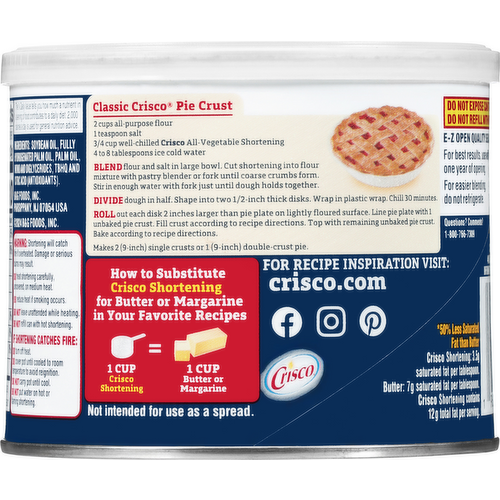
Are you wondering if shortening needs to be kept in the fridge? You’re not alone.
Many home cooks and bakers ask this question because how you store shortening can affect your recipes and kitchen routine. Imagine preparing your favorite baked goods only to find your shortening has gone bad or changed texture. That’s frustrating, right?
You’ll discover the simple truth about storing shortening, why it matters, and how to keep it fresh for longer. Keep reading to make sure your baking always turns out perfect!

Credit: business.walmart.com
What Is Shortening?
Shortening is a common ingredient in many kitchens. It helps make baked goods soft and flaky. But what exactly is shortening? Understanding its nature helps in proper storage and use.
Definition Of Shortening
Shortening is a type of fat used in cooking and baking. It is solid at room temperature. This fat helps create tender and crumbly textures.
- Vegetable shortening made from vegetable oils.
- Animal-based shortening like lard or tallow.
- Blended shortening combining different fats.
How Shortening Works In Baking
Shortening coats flour particles. It blocks moisture from forming gluten. This results in softer, more tender baked goods.
Common Uses Of Shortening
- Pie crusts for flaky layers.
- Cookies for soft texture.
- Frying to create crisp coatings.
Types Of Shortening
Shortening comes in different types, each with unique features. Knowing these types helps you store and use shortening properly. Some shortenings are solid at room temperature, while others are softer. The choice of shortening affects your recipe’s texture and flavor.
Vegetable Shortening
This type is made from vegetable oils like soybean or cottonseed. It is solid at room temperature and has a neutral flavor. Vegetable shortening is popular for baking cookies and pie crusts. It helps create a flaky and tender texture.
Butter Shortening
Butter shortening blends butter with vegetable fats. It offers a rich flavor and creamy texture. This type is softer than pure vegetable shortening. It adds a buttery taste to baked goods and is good for frostings.
Lard
Lard is animal fat, usually from pigs. It has a smooth texture and mild flavor. Lard is excellent for making flaky pastries and pie crusts. It melts quickly, which helps create layers in dough.
Whipped Shortening
Whipped shortening has air added to make it light and fluffy. It is easy to spread and mix into batters. This type is often used for frostings and toppings. It holds shape well but may need refrigeration.
Storage Basics For Shortening
Shortening is a versatile baking ingredient. It requires proper storage to maintain its quality. Understanding the basics ensures it remains fresh for longer. This guide will help you store shortening correctly.
Does Shortening Need To Be Refrigerated?
Shortening doesn’t require refrigeration. Its high-fat content keeps it stable at room temperature. Store it in a cool, dry place away from heat sources. Keeping it in the pantry is usually sufficient.
How To Store Unopened Shortening
Unopened shortening is simple to store. Keep it in its original packaging. Place it in a dark, cool location. This prevents exposure to light and heat, which can degrade it.
Storing Opened Shortening
After opening, proper storage is crucial. Use an airtight container to prevent exposure to air. This helps maintain its texture and flavor. Store it in a cool, dry place.
Signs Shortening Has Gone Bad
Check for off smells or colors. Rancid shortening may develop a sour odor. It might also change color or texture. If you notice these signs, it’s time to discard it.
Extending Shortening’s Shelf Life
Keep shortening in a sealed container. Store it away from sunlight and heat. This extends its shelf life significantly. Using clean utensils prevents contamination and spoilage.
Refrigeration Needs For Shortening
Shortening is a common ingredient in baking and cooking. Knowing how to store it correctly helps keep it fresh and usable. Refrigeration needs for shortening depend on its type and packaging. Proper storage prevents spoilage and maintains texture.
Types Of Shortening And Their Storage
There are two main types: hydrogenated and non-hydrogenated shortening. Hydrogenated shortening is more stable and lasts longer at room temperature. Non-hydrogenated shortening contains natural oils and may spoil faster.
Hydrogenated shortening can stay in a cool, dry place. Non-hydrogenated shortening benefits from refrigeration to avoid rancidity.
Signs Shortening Needs Refrigeration
- Strong or off smell
- Change in color or texture
- Warm or humid storage environment
These signs indicate the shortening may spoil without refrigeration. Refrigerating slows down oil oxidation and bacterial growth.
How To Store Shortening Properly
- Keep shortening in an airtight container
- Store in a cool, dark place away from heat
- Refrigerate non-hydrogenated shortening or opened containers
- Allow refrigerated shortening to reach room temperature before use
Proper sealing prevents moisture and odors from affecting shortening.
Effects Of Refrigeration On Shortening
Refrigeration affects shortening’s texture and usability. It can make shortening harder and less spreadable. This change impacts how it blends with other ingredients.
Keeping shortening cold slows down spoilage. But it also changes how it behaves during baking. Understanding these effects helps in choosing the right storage method.
Texture Changes Due To Cold Storage
Refrigerated shortening becomes firm and dense. It loses its soft, creamy feel. This firmness can make mixing with dough or batter tougher.
Soft shortening blends easily with other ingredients. Hard shortening may cause uneven mixing. This affects the final baked product’s texture.
Impact On Baking Results
Cold shortening can slow the melting process. This affects how dough spreads in the oven. Baked goods may turn out denser or less flaky.
Room temperature shortening melts quickly. It creates lighter and fluffier baked items. Temperature control is key for consistent results.
Storage And Shelf Life Considerations
Refrigeration extends shortening’s shelf life. It prevents oxidation and rancidity. Shortening lasts longer when kept cold.
Room temperature storage is fine if used fast. Warm conditions speed up spoilage. Store shortening in a cool, dry place for best results.
Signs Of Spoiled Shortening
Shortening is a common baking ingredient that lasts a long time. Still, it can spoil if stored wrong or kept too long. Knowing the signs of spoiled shortening helps avoid bad taste or health risks. You can check for changes in smell, look, and texture to see if shortening is no longer good.
Unpleasant Or Rancid Odor
Fresh shortening has little to no smell. Spoiled shortening often smells sour or sharp. A rancid odor means the fats have broken down. Trust your nose. If it smells off, do not use it.
Change In Color
Good shortening is usually white or pale yellow. Spoiled shortening may turn darker or have yellowish spots. Discoloration signals it is going bad. Throw it away if you see any unusual color changes.
Texture Changes
Shortening should be smooth and firm. Spoiled shortening may feel greasy, sticky, or grainy. It may also separate into layers. These texture changes show it is no longer fresh.
Presence Of Mold
Mold on shortening is rare but possible. Look closely for green, black, or white fuzzy spots. Mold means the shortening is unsafe to use. Always discard any shortening with mold.
Tips For Extending Shelf Life
Extending the shelf life of shortening can save you money and reduce waste. Proper storage techniques keep shortening fresh longer and prevent it from going rancid. You might be surprised how simple changes in handling can make a big difference.
Store Shortening In A Cool, Dark Place
Heat and light speed up the spoilage of shortening. Keep your container away from sunlight and heat sources like the stove or oven. A pantry or cupboard away from heat works best for unopened shortening.
Use An Airtight Container
Exposure to air causes shortening to oxidize and lose quality. If the original packaging isn’t resealable, transfer shortening to a clean, airtight container. This keeps moisture and odors out, preserving flavor and texture.
Refrigeration: When And Why To Consider It
Refrigeration isn’t always necessary, especially for unopened shortening stored properly. But if you live in a hot climate or if the shortening is opened, refrigeration can extend freshness. Just remember to bring it to room temperature before using for easier scooping.
Keep Shortening Away From Strong Odors
Shortening easily absorbs strong smells from other foods. Store it separately from pungent items like garlic or onions. This helps keep its neutral taste intact for baking and cooking.
Check Expiration Dates And Rotate Stock
Always check the expiration date before buying or using shortening. Use older containers first and avoid buying in bulk unless you use it regularly. Proper rotation ensures you use shortening while it’s still fresh.

Credit: www.gianteagle.com
Alternatives To Refrigeration
Refrigerating shortening isn’t always necessary, and there are practical alternatives that help keep it fresh without taking up fridge space. These options can be especially useful if you’re short on storage or want your shortening ready to use at room temperature. Let’s look at some ways you can store shortening safely and effectively outside the fridge.
Store In A Cool, Dark Place
Shortening stays stable when kept away from heat and light. A pantry or cupboard away from your oven or direct sunlight is ideal.
Keeping the container sealed tightly prevents exposure to air, which can cause it to go rancid faster. Have you checked your pantry’s temperature? Cooler spots work best.
Use Airtight Containers
Even if your shortening comes in a resealable package, transferring it to an airtight container can extend its shelf life.
This prevents moisture and odors from other foods from affecting it. I once stored shortening in a glass jar with a rubber seal and noticed it stayed fresh much longer.
Freeze For Long-term Storage
If you buy shortening in bulk, freezing portions is a smart move. Wrap it tightly in plastic wrap and place it in a freezer-safe container.
When you need it, just thaw at room temperature. This method keeps shortening fresh for months without affecting its texture.
Buy Smaller Quantities
Sometimes the simplest solution is to buy only what you need. Smaller containers reduce the risk of shortening sitting unused too long.
This way, you avoid spoilage altogether and always have fresh shortening ready for your recipes.
Common Storage Mistakes To Avoid
Storing shortening correctly keeps it fresh and ready to use. Many people make simple mistakes that cause shortening to spoil or lose quality. Avoiding these errors helps maintain its texture and flavor. Learn what to watch out for to keep your shortening in the best condition.
Exposing Shortening To Air
Leaving shortening uncovered allows air to cause oxidation. This leads to a stale taste and hard texture. Always keep shortening in an airtight container to prevent air exposure.
Storing Shortening Near Strong Odors
Shortening easily absorbs smells from nearby foods. Placing it next to onions or spices can change its flavor. Store shortening away from strong-smelling items to avoid unwanted taste changes.
Using Dirty Utensils
Using spoons or knives with food residue introduces bacteria. This causes the shortening to spoil faster. Always use clean utensils to scoop shortening and avoid contamination.
Leaving Shortening In Warm Places
Heat melts shortening and speeds up spoilage. Avoid storing it near ovens or direct sunlight. Keep shortening in a cool, dark spot for longer shelf life.
Ignoring Expiry Dates
Shortening has a shelf life that affects safety and quality. Using old shortening can result in bad flavor and texture. Check the expiration date and replace shortening when needed.

Credit: www.gianteagle.com
Frequently Asked Questions
Does Shortening Need Refrigeration After Opening?
Shortening does not require refrigeration after opening. Store it in a cool, dry place with a sealed lid. This prevents moisture and contaminants from spoiling the product. Refrigeration can make shortening hard and difficult to use in recipes.
How Long Can Shortening Last Unrefrigerated?
Unopened shortening can last up to 1 year unrefrigerated. Once opened, it remains good for 3 to 6 months if stored properly. Always check for off smells or color changes before use to ensure freshness.
Can Refrigeration Extend Shortening’s Shelf Life?
Refrigeration can slightly extend shortening’s shelf life by slowing spoilage. However, it may alter texture, making it hard and less spreadable. Room temperature storage in a sealed container is usually sufficient for maintaining quality.
What’s The Best Way To Store Shortening?
Store shortening in a cool, dark place away from heat and sunlight. Keep it tightly sealed to prevent exposure to air and moisture. Proper storage preserves flavor, texture, and shelf life without needing refrigeration.
Conclusion
Shortening usually stays fresh without refrigeration. Store it in a cool, dry place. Keep the container tightly closed to avoid moisture. Check for any changes in smell or texture before use. If stored properly, shortening lasts for months. Refrigeration can make it harder to use.
Room temperature is often best for easy spreading. Remember, proper storage keeps your shortening safe and tasty. Simple care helps your baking go smoothly every time.