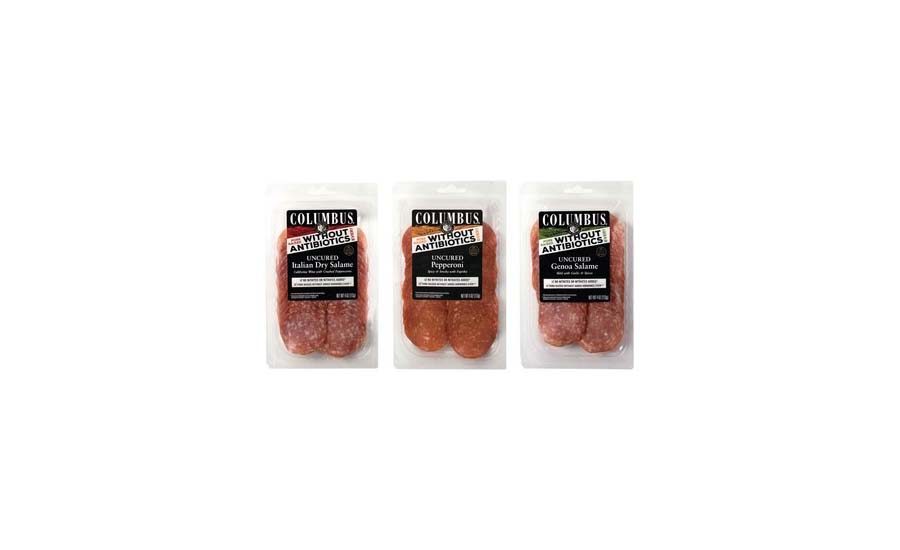
Are you wondering if salami needs to be refrigerated to stay fresh? You’re not alone.
Many people are confused about how to store this tasty, popular meat. Whether you’ve just bought a pack or found some leftover slices in your fridge, knowing the right way to keep salami can save you from waste and keep your food safe.
Keep reading, and you’ll discover simple tips that help you enjoy your salami at its best, without any guesswork.
Types Of Salami
Salami comes in several varieties, each with unique characteristics that affect how you store and enjoy it. Understanding the different types can help you decide if refrigeration is necessary and how to keep your salami fresh. Let’s look at the main categories you’ll find in stores and markets.
Dry-cured Salami
Dry-cured salami is made by fermenting and air-drying the meat over weeks or months. This process removes moisture, making the salami less prone to spoilage. Because of this, many dry-cured salamis can be stored at room temperature before opening, but once sliced, refrigeration is usually recommended to maintain freshness.
Think of classic Italian varieties like Genoa or Soppressata. They often come with a white powdery coating that helps protect the meat. If you’ve ever bought a whole dry-cured salami, you might have noticed it lasts well without refrigeration until cut.
Cooked Salami
Cooked salami is fully cooked during production, which means it’s safer to eat without heating. This type often requires refrigeration to prevent spoilage after opening. It’s softer and has a different texture compared to dry-cured types.
Popular examples include slices you find in deli meats or sandwich trays. If you keep these in the fridge, they usually stay good for a week or more. Have you ever wondered why some sandwich salamis need refrigeration while others don’t? The cooking and moisture content are the key reasons.
Fresh Salami Varieties
Fresh salami is not cured or cooked. It’s similar to raw sausage and must be refrigerated at all times. This type is less common in stores but popular in some regional recipes.
Because it lacks preservation methods, fresh salami can spoil quickly if left out. If you buy fresh salami, treat it like raw meat—use it fast and keep it cold. This raises an interesting question: how often do you check labels for storage instructions before buying salami?
Storage Requirements
Storing salami correctly is important to keep it fresh and safe. The right storage depends on the type of salami and its packaging. Some salami needs cold temperatures, while others stay good at room temperature. Understanding these factors helps avoid spoilage and waste.
When Refrigeration Is Necessary
Fresh or soft salami usually needs refrigeration. These types have higher moisture and can spoil quickly. Once opened, salami should always be kept in the fridge. Store it in an airtight container or wrapped tightly in plastic wrap. This keeps air and bacteria out.
Hard or dry-cured salami may also require refrigeration after opening. If left out, it can dry too much or grow mold. Keep the temperature around 34-40°F (1-4°C) for best results.
Shelf-stable Options
Some salami is shelf-stable and can stay outside the fridge. These are dry, cured, and sometimes smoked. Their low moisture and salt content prevent bacteria growth. Unopened packages often last for weeks or months at room temperature.
Check the label for storage instructions. Keep shelf-stable salami in a cool, dark place. Avoid heat and direct sunlight to maintain flavor and texture.
Packaging Influence On Storage
Packaging plays a big role in salami storage. Vacuum-sealed packs block air and moisture. This extends shelf life and keeps salami fresh longer. Once opened, vacuum-sealed salami should be refrigerated.
Traditional paper or plastic wrap offers less protection. These require faster use and refrigeration after opening. Some salami comes in casings that help preserve freshness but still need cool storage.
Signs Of Spoilage
A sour smell and slimy texture often show salami has gone bad. Discoloration or mold spots also signal spoilage. Always check these signs before eating.
Understanding the signs of spoilage in salami is crucial to ensure you consume it safely. It’s easy to overlook these indicators, especially when you’re in a hurry to enjoy your favorite snack. However, recognizing spoilage signs can save you from unpleasant surprises and health risks. Let’s delve into the key indicators that suggest your salami might be past its prime.Visual Changes
First, take a good look at the salami. Is there any discoloration? Fresh salami should have a consistent color. If you notice gray or dull patches, it might be time to throw it out. Additionally, a slimy surface is a clear warning sign.Texture And Smell
Texture and smell are your next clues. Fresh salami has a firm texture. If it feels too soft or sticky, that’s a red flag. The smell should be savory, not sour. A sour or off-putting odor indicates spoilage, and it’s best to err on the side of caution.Mold And Bacteria Risks
Mold is a more obvious sign of spoilage. While some dry salamis have a harmless white powdery mold, any green, black, or fuzzy mold is bad news. Consuming moldy salami can lead to serious health issues. Trust your instincts—if it looks or smells off, it’s not worth the risk. Have you checked your salami recently? Ensuring it’s safe to eat can make all the difference in your culinary experience. Stay vigilant and enjoy your salami safely!
Credit: www.refrigeratedfrozenfood.com
Tips For Keeping Salami Fresh
Keeping salami fresh preserves its flavor and texture. Proper storage stops it from drying out or getting moldy. Simple steps make a big difference in how long salami stays good. Use these tips to enjoy your salami at its best.
Proper Wrapping Techniques
Wrap salami tightly to keep air out. Use wax paper or parchment paper to protect the surface. Avoid plastic wrap directly on salami; it traps moisture. After wrapping in paper, place salami in a loose plastic bag. This stops it from drying but lets it breathe.
Optimal Temperature Settings
Store salami in the fridge at about 34-40°F (1-4°C). Keep it away from freezer sections to avoid freezing. Room temperature storage is okay only for short times if salami is dry-cured. Always check for signs of spoilage before eating.
Avoiding Cross-contamination
Keep salami separate from raw meats and strong-smelling foods. Use clean cutting boards and knives each time. Wash hands before and after handling salami. This stops bacteria spreading and keeps salami safe to eat.
Using Leftover Salami
Leftover salami can be a tasty addition to many meals, but knowing how to store and use it safely is key to enjoying its rich flavor without waste. Whether you have just a few slices or a larger portion, handling your leftovers properly keeps your food safe and your dishes delicious.
Safe Timeframes
Once opened, salami should ideally be refrigerated to maintain freshness. You can safely keep leftover salami in the fridge for up to three weeks if it’s properly wrapped or stored in an airtight container.
Dry or cured salami can last longer than fresh varieties, but always check for signs of spoilage like an off smell, slimy texture, or discoloration. If you’re unsure, it’s better to err on the side of caution and discard it.
Creative Recipe Ideas
Leftover salami isn’t just for sandwiches. Have you tried adding it to a homemade pizza? Its spicy, smoky flavor lifts simple cheese and tomato to new heights.
You can also dice salami and toss it into salads or scrambled eggs for a savory twist. Another favorite is chopping it fine and mixing it into pasta sauces for an extra punch.
Freezing For Longer Storage
If you don’t plan to use leftover salami soon, freezing is a great option. Slice it thinly, wrap tightly in plastic wrap, then place in a freezer bag to prevent freezer burn.
Frozen salami can keep its quality for up to two months. When ready to use, thaw it slowly in the refrigerator to preserve texture and flavor.

Credit: elevatedwild.com

Credit: www.wisconsinrivermeats.com
Frequently Asked Questions
Does Salami Need Refrigeration After Opening?
Yes, opened salami should be refrigerated to maintain freshness. Keep it tightly wrapped to prevent drying and bacterial growth.
Can Unopened Salami Be Stored Without Refrigeration?
Unopened dry-cured salami can be stored at room temperature briefly. However, refrigeration is recommended for longer shelf life and safety.
How Long Can Salami Stay Unrefrigerated?
Salami can stay unrefrigerated for a few hours. For safety, avoid leaving it out more than 2 hours.
What Is The Best Way To Store Salami?
Store salami in the refrigerator wrapped in parchment or plastic wrap. This keeps it moist and prevents contamination.
Conclusion
Salami can last without refrigeration for a short time. Dry-cured salami stays safe longer than fresh types. Keep it in a cool, dry place to avoid spoilage. Once opened, store salami in the fridge to keep it fresh. Always check for mold or bad smell before eating.
Proper storage helps maintain taste and safety. Remember, handling salami correctly keeps your food healthy and tasty. Simple steps make a big difference in how long salami lasts.