
Are you confused about whether cheese should always be kept in the fridge? You’re not alone.
Cheese comes in many types, and knowing how to store it can make a big difference in taste and safety. Imagine biting into your favorite cheese, only to find it spoiled or losing its flavor. That’s frustrating, right? You’ll discover simple tips to keep your cheese fresh and tasty.
Keep reading to learn when cheese needs refrigeration and when it doesn’t—so you never waste a delicious bite again.

Credit: www.youtube.com
Cheese Types And Storage Needs
Cheese comes in many types, each with unique storage needs. Knowing these helps keep cheese fresh and tasty. Different cheeses react differently to temperature and humidity. Proper storage can prevent spoilage and maintain flavor. Understanding cheese types guides the best way to store them safely.
Hard Vs Soft Cheese
Hard cheeses are firm and dry. Examples include Parmesan and Cheddar. They last longer and often need refrigeration. Soft cheeses like Brie or Camembert have high moisture. They spoil faster and must be kept cold. Hard cheeses can sometimes be stored at room temperature briefly. Soft cheeses need consistent cool storage to avoid mold.
Fresh Cheese Varieties
Fresh cheeses are moist and mild. Examples are Mozzarella, Ricotta, and Cottage cheese. They have no rind and last only a few days. Refrigeration is essential for fresh cheeses. They do not age and spoil quickly. Keeping them in airtight containers helps maintain freshness. Fresh cheeses also benefit from being kept away from strong odors.
Aged Cheese Characteristics
Aged cheeses develop flavor over time. They have low moisture and firm texture. Examples include Gouda, Asiago, and aged Cheddar. These cheeses often have a natural rind. Refrigeration extends their shelf life but may not be necessary for short periods. Wrapping them in wax paper or cheese paper helps breathing. Aged cheeses can sometimes be stored in a cool pantry if sealed well.
When To Refrigerate Cheese
Knowing when to refrigerate cheese can make a big difference in its taste and safety. Some cheeses need cooling right away, while others can sit out for a while. Understanding the right timing helps you enjoy cheese at its best and avoid waste.
Signs Cheese Needs Cooling
Look for soft and fresh cheeses like mozzarella, ricotta, and cream cheese—they usually need refrigeration immediately. If the cheese feels sticky or overly soft at room temperature, it’s a sign to cool it down.
Hard cheeses like cheddar or parmesan can handle being out for a short time, but if they start sweating or develop an off smell, it’s time to put them in the fridge.
Risks Of Not Refrigerating
Leaving cheese out too long can lead to mold growth and spoilage, which might make you sick. Bacteria can multiply quickly on soft cheeses, increasing health risks.
Have you ever noticed an unpleasant taste or texture after leaving cheese out? That’s often due to bacterial changes, showing why temperature matters.
Exceptions To Refrigeration
Some cheeses like aged parmesan, manchego, or certain hard Italian cheeses do well outside the fridge for a few hours. Their low moisture content makes them less likely to spoil quickly.
Cheeses wrapped properly in wax or parchment can also last longer without refrigeration. Just remember to store them in a cool, dry place away from sunlight.
Storing Cheese Without A Fridge
Cheese often needs refrigeration to stay fresh and safe. Some hard cheeses can last longer without a fridge if kept in a cool, dry place. Proper wrapping helps prevent spoilage and keeps flavor intact.
Storing cheese without a fridge can be simple and effective. Cheese has been preserved for centuries using various techniques. Understanding these methods helps keep cheese fresh and flavorful. Let’s explore some effective strategies.Cool, Dry Place Tips
A cool, dry place is ideal for storing cheese. Find a location away from direct sunlight. A basement or pantry can work well. Ensure the space has good air circulation. This helps prevent moisture buildup. Keep the temperature stable. Sudden changes can spoil cheese. Aim for a spot that’s consistently cool.Using Cheese Paper And Wraps
Cheese paper is excellent for storage. It allows cheese to breathe while keeping moisture out. Wrap the cheese snugly but not too tight. This prevents excess moisture from being trapped. You can also use wax paper or parchment paper. Avoid plastic wrap. It suffocates cheese and alters taste. Rewrap cheese when it begins to dry out.Optimal Containers For Storage
Choose containers that allow airflow. Wooden boxes or cheese domes work well. Avoid airtight containers. They trap moisture and spoil cheese faster. Use containers with small vents or breathable lids. This helps maintain the right humidity. Ensure containers are clean before use. This prevents bacteria growth. Regular cleaning is essential for freshness.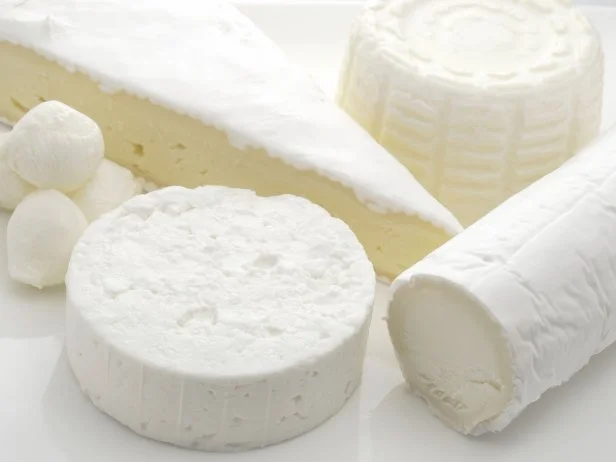
Credit: www.foodnetwork.com
Maintaining Cheese Freshness In The Fridge
Keeping cheese fresh in the fridge can be tricky if you don’t know the right conditions. Cheese is sensitive to temperature, moisture, and odors from other foods. Managing these factors properly helps maintain its flavor and texture longer than you might expect.
Ideal Temperature Settings
Cheese stays best at a temperature between 35°F and 45°F (1.5°C to 7°C). Too cold, and hard cheeses can become crumbly; too warm, and soft cheeses might spoil faster.
Most home refrigerators hover around 37°F (3°C), which works well for most cheeses. Try storing your cheese in the vegetable drawer where the temperature tends to be more stable and slightly higher than the main compartment.
Avoiding Cross-contamination
Cheese easily absorbs strong smells from other foods. Keep it away from onions, garlic, or fish to protect its natural aroma and taste.
Always use clean utensils to cut or serve cheese. This prevents bacteria from spreading and causing spoilage.
Consider dedicating a specific container or area in your fridge just for cheese to avoid contact with raw meats or other potential contaminants.
Best Wrapping Practices
How you wrap cheese affects its moisture and breathing. Avoid plastic wrap directly on the cheese as it traps moisture and encourages mold.
Instead, use wax paper or parchment paper first, then loosely cover it with plastic wrap or place it in a breathable container. This method lets the cheese “breathe” without drying out.
If you’ve ever found your cheese slimy or hard, it might be time to change your wrapping strategy. Experiment with different papers and containers to find what works best for your favorite types of cheese.
Extending Cheese Shelf Life
Extending the shelf life of cheese is something every cheese lover wants to master. Proper storage can make the difference between enjoying creamy slices and dealing with a crumbly, dry block. Understanding how to handle cheese after purchase is key to keeping it fresh and delicious for as long as possible.
Freezing Cheese Safely
You might wonder if freezing cheese is a good idea. While freezing can alter texture, it’s a handy option for hard and semi-hard cheeses like cheddar or gouda. To freeze cheese safely, wrap it tightly in plastic wrap and then place it in an airtight container or freezer bag to prevent freezer burn.
When you’re ready to use it, thaw the cheese in the refrigerator overnight. This slow thaw helps preserve flavor and prevents moisture loss. Think about freezing cheese in portions to avoid thawing the entire block at once.
Reviving Hardened Cheese
Have you ever found cheese that’s become too hard to slice or enjoy? Don’t toss it right away. You can revive it by wrapping the cheese in a damp paper towel and placing it in a sealed container for a few hours.
This simple trick adds moisture back, softening the cheese without compromising taste. It works especially well with cheeses like mozzarella or Monterey Jack. Next time your cheese feels rock solid, give this a try before discarding it.
Preventing Mold Growth
Mold can quickly ruin your cheese and make you hesitant to enjoy it. To prevent mold growth, store cheese in breathable materials such as wax paper or parchment paper instead of plastic wrap, which traps moisture. Then, place the wrapped cheese in a loose plastic bag or cheese storage box to maintain proper humidity.
Keep your cheese drawer or storage area clean and avoid cross-contamination by storing different cheeses separately. Have you noticed that some cheeses develop mold faster than others? That’s a good reminder to check your cheese regularly and trim off any small spots immediately.

Credit: www.reddit.com
Frequently Asked Questions
Does All Cheese Require Refrigeration?
Not all cheese needs refrigeration. Hard cheeses like Parmesan and Pecorino can be stored at room temperature briefly. Soft cheeses, such as Brie or Ricotta, require refrigeration to prevent spoilage and bacterial growth. Always check the cheese type and packaging for proper storage instructions.
How Long Can Cheese Stay Unrefrigerated?
Cheese can stay unrefrigerated for 2 to 4 hours safely. Beyond this, bacteria may grow, especially in soft cheeses. Hard cheeses tolerate room temperature longer but should ideally be refrigerated to maintain freshness and taste.
Can Refrigeration Affect Cheese Flavor?
Yes, refrigeration can affect cheese flavor. Cold temperatures slow aging and can mute aromas and taste. Some cheeses benefit from brief warming before serving to enhance flavor. Properly stored cheese retains quality, but avoid freezing unless necessary.
Why Does Cheese Mold In The Fridge?
Cheese molds in the fridge due to moisture and air exposure. Mold growth is common on aged cheeses and can be trimmed off. Poor storage or high humidity increases mold risk. Use airtight containers to reduce mold on cheese.
Conclusion
Cheese needs proper storage to stay fresh and tasty. Soft cheeses must always stay cold to avoid spoilage. Hard cheeses can last longer outside the fridge but still do best when chilled. Keep cheese wrapped well to stop it from drying out or absorbing smells.
Paying attention to cheese type and storage helps you enjoy its best flavor. Store cheese right and reduce waste. Simple steps keep your cheese safe and delicious every time.