Are you wondering if wax worms need to be refrigerated to stay fresh and healthy? If you keep wax worms as pet food or for fishing bait, knowing the right way to store them can save you time and money.
Storing them incorrectly can cause them to spoil or lose their nutritional value. You’ll discover simple tips on whether refrigeration is necessary and how to keep your wax worms in the best condition. Keep reading to make sure your wax worms stay just right for your needs!

Credit: www.reptilecentre.com
Wax Worm Basics
Understanding the basics of wax worms is essential before deciding how to store them properly. These small larvae might seem simple, but they have unique characteristics that affect how you should care for them. Knowing what wax worms are and their common uses helps you make smart choices about their storage, including whether refrigeration is necessary.
What Are Wax Worms
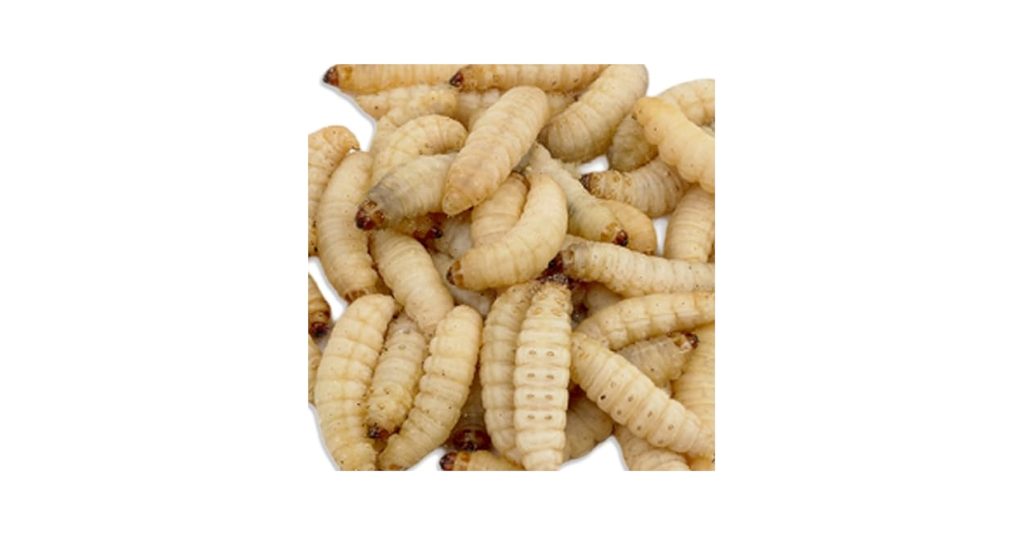
Wax worms are the larvae of wax moths, often found in beehives. They feed on beeswax and honeycomb, making them nature’s little recyclers. Their soft, creamy bodies make them easy to handle and popular among pet owners and hobbyists.
Interestingly, wax worms can survive in a range of environments but thrive best in cool, dark places. This fact directly impacts how you store them, especially if you want to keep them alive and active for longer periods.
Common Uses For Wax Worms
Wax worms are widely used as food for reptiles, amphibians, and birds. If you keep a pet lizard or a frog, these larvae are an excellent source of nutrition. Their high fat content makes them a tasty treat that pets eagerly eat.
Beyond feeding pets, wax worms serve in fishing as live bait. They attract fish with their movement and scent, increasing your chances of a good catch. Some people even use wax worms in scientific research due to their unique digestion abilities.
Have you ever thought about how your pet’s diet can impact their health? Using fresh, well-stored wax worms can make a big difference in your pet’s energy and well-being.
Storage Conditions
Proper storage conditions are essential for keeping wax worms healthy and lively. The environment affects their survival and activity. Understanding the best storage methods helps maintain their quality for feeding or bait.
Ideal Temperature Range
Wax worms thrive in cool temperatures. The best range is between 45°F and 55°F (7°C to 13°C). This slows their metabolism and keeps them from growing too fast. Cooler temperatures help them live longer without needing extra food.
Temperatures below 40°F (4°C) can harm or kill wax worms. Warmer than 60°F (16°C) makes them active and shortens their lifespan. Keeping them in a stable, cool place is key to good storage.
Effects Of Room Temperature Storage
Storing wax worms at room temperature speeds up their life cycle. They eat more and grow quickly. This leads to a shorter lifespan and more waste. The heat can also cause mold or bad smells in their container.
Room temperature storage is okay for short periods. For longer storage, cooler temperatures are better. This keeps wax worms fresh and ready for use.
Refrigeration Benefits
Wax worms benefit from refrigeration as it slows their growth and keeps them fresh longer. Storing them in a cool place reduces spoilage and maintains quality. This helps in managing their lifespan effectively.
Refrigerating wax worms can offer several benefits. These little critters are often used as bait or pet food. Keeping them fresh is crucial for their effectiveness and health. One of the simplest ways to ensure their longevity is by storing them in the fridge. This method offers two primary benefits.Extending Lifespan
Refrigeration can significantly extend the lifespan of wax worms. In cooler temperatures, their lifecycle slows down. This means they can survive longer before pupating. For those using wax worms as bait or pet food, this is essential. You can keep them alive and active for weeks instead of days. This saves time and reduces the need to purchase new supplies frequently.Slowing Metabolism
Cooler temperatures naturally slow the metabolism of wax worms. A slower metabolism reduces their activity levels. They require less food and produce less waste. This makes maintenance easier and keeps their environment cleaner. By slowing down their metabolism, you can maintain a healthy stock of wax worms. This is particularly useful for pet owners and anglers. A simple refrigeration trick can ensure you always have fresh, lively bait or food.
Credit: www.amazon.com
Refrigeration Guidelines
Knowing how to properly refrigerate wax worms can extend their lifespan and keep them healthy for your pets or projects. Refrigeration slows down their metabolism, but only if done correctly to avoid harming them. Let’s explore the key guidelines you should follow to maintain the best environment for your wax worms in the fridge.
Proper Container Choice
Choosing the right container is crucial. Use a breathable plastic or glass container with small ventilation holes to allow airflow but prevent escape. Avoid airtight containers as they trap moisture and suffocate the worms.
I once stored wax worms in a sealed plastic box without holes, and they didn’t survive long. Adding tiny holes made a significant difference, keeping them alive and active much longer.
Temperature Settings
The ideal fridge temperature for wax worms is between 41°F and 50°F (5°C to 10°C). Temperatures too low can freeze or kill them, while warmer temps speed up their activity and shorten their life.
Check your fridge regularly with a thermometer. You might think the coldest shelf is best, but slightly warmer spots near the door often provide a better balance.
Moisture Control
Too much moisture leads to mold and bacterial growth, which can harm wax worms quickly. Place a small piece of paper towel inside the container to absorb excess moisture.
Don’t forget to replace the paper towel every few days. Moisture control isn’t just about preventing mold; it also keeps your worms comfortable and thriving.
Handling And Feeding
Handling and feeding wax worms properly ensures they stay healthy and nutritious for your pets. Whether you store them in the fridge or not, knowing how to prepare and feed them makes a big difference. Let’s look at how to handle wax worms right after refrigeration and the best feeding routine to keep your pets happy.
Preparing Wax Worms After Refrigeration
After taking wax worms out of the fridge, give them some time to warm up to room temperature. Cold wax worms can be less appealing to your pets and may slow down their metabolism. Placing them in a small container at room temperature for about 30 minutes helps them regain activity.
Avoid warming them too quickly or using heat sources like microwaves, as this can harm the worms. Instead, patience is key. Once they’re lively again, they’re ready to be fed to your reptiles or birds.
Feeding Frequency And Quantity
How often should you feed wax worms to your pet? It depends on your pet’s size and dietary needs. Wax worms are high in fat, so feeding them too often can lead to health problems.
Consider these guidelines:
- Feed small amounts 1-2 times per week as treats or supplements.
- Limit the quantity to avoid overfeeding—usually a few worms per feeding session.
- Observe your pet’s weight and behavior to adjust feeding amounts accordingly.
Have you noticed changes in your pet’s appetite or energy after feeding wax worms? Monitoring these signs helps you fine-tune their diet and maintain their health effectively.
Common Mistakes To Avoid
Taking care of wax worms might seem simple, but there are some common mistakes that can cause more harm than good. Avoiding these errors will keep your wax worms healthy and thriving. Let’s look at the key pitfalls you should steer clear of.
Overcrowding
It’s tempting to keep a large number of wax worms in a small container, especially if you want to save space. However, overcrowding can lead to stress, increased waste, and higher chances of disease spreading quickly.
Think about how you feel in a cramped space with many others around you—wax worms feel the same. Give them enough room to move freely, and your worms will stay healthier and more active.
Incorrect Temperature
Wax worms do best within a specific temperature range. Keeping them too cold or too warm can slow their growth or even cause death.
Many beginners make the mistake of storing wax worms in a fridge without checking the exact temperature. Too cold means they become lethargic; too warm can cause mold growth and spoilage.
Ask yourself: Is the place where I keep my worms consistently between 50°F and 70°F (10°C to 21°C)? Maintaining this range is crucial for their survival.
Ignoring Hygiene
Wax worms produce waste, and leftover food can attract mold or bacteria fast. Neglecting regular cleaning can quickly turn a healthy container into a breeding ground for disease.
Simple actions like removing dead worms daily and changing bedding often can prevent many problems. A clean environment helps your wax worms stay lively and reduces the risk of infection.
Signs Of Wax Worm Health Issues
Recognizing early signs of health issues in your wax worms can save them from severe problems and improve their lifespan. By keeping an eye on specific symptoms, you can adjust their care routine promptly. Let’s look at some clear warning signs that indicate your wax worms might need extra attention.
Mold Growth
Mold on wax worms or their habitat is a red flag. It usually appears as fuzzy white or green patches on the worms or the food container.
If you spot mold, it means the environment is too moist or not clean enough. Acting quickly by cleaning the habitat and reducing humidity can prevent further damage.
Dehydration Symptoms
Dehydrated wax worms look shriveled and less plump than usual. Their skin may appear dry and less flexible.
If you notice these signs, check the moisture levels in their enclosure. Adding a small source of water or moist food can help bring them back to good health.
Behavioral Changes
Watch for unusual behavior like sluggish movement or lack of response when disturbed. Healthy wax worms typically wiggle and try to avoid touch.
Sudden inactivity or lethargy could signal illness or stress. Ask yourself: Is their environment too hot, too cold, or overcrowded? Adjusting conditions might restore their vitality.

Credit: www.ebay.com
Frequently Asked Questions
Do Wax Worms Need Refrigeration For Storage?
Wax worms do not always require refrigeration. They can be stored at room temperature for short periods. For long-term storage, refrigeration at about 40°F slows their metabolism and keeps them alive longer.
How Long Can Wax Worms Last Unrefrigerated?
Wax worms can last 1 to 3 days at room temperature. Warm environments shorten their lifespan. Refrigeration extends their freshness up to several weeks.
What Temperature Is Best For Wax Worm Storage?
The ideal temperature to store wax worms is between 38°F and 45°F. This range slows their activity without freezing them, maintaining their health and usability.
Can Refrigeration Harm Wax Worms?
Refrigeration does not harm wax worms if kept above freezing. Avoid temperatures below 32°F to prevent killing or damaging them.
Conclusion
Wax worms stay fresh longer when stored in a cool place. Refrigeration slows their movement and keeps them alive. Avoid freezing, as it can kill the worms. Always check for moisture to prevent mold growth. Proper storage helps keep wax worms healthy for feeding pets or bait.
Remember, a simple fridge keeps them fresh and ready to use. Small steps make a big difference in wax worm care.