Is your refrigerator acting up? You might be wondering if it’s just a minor glitch or a sign that your fridge is on its way out.
Knowing the early warning signs can save you from spoiled food and unexpected repair costs. You’ll learn clear and simple ways to tell if your refrigerator is failing. Keep reading to protect your food, your wallet, and avoid last-minute fridge emergencies.

Credit: www.reddit.com
Common Refrigerator Issues
Refrigerators can show signs of trouble before they stop working completely. Recognizing common issues early helps avoid food spoilage and costly repairs. Watch for unusual sounds, strange temperature changes, frost buildup, and water leaks. These signs indicate your fridge might be failing.
Unusual Noises
Strange noises often signal mechanical problems. Buzzing, clicking, or humming sounds louder than usual can mean the compressor or fan is struggling. These noises should not be ignored as they may lead to bigger issues.
Temperature Fluctuations
Inconsistent temperatures inside the fridge cause food to spoil quickly. If your fridge feels too warm or too cold in spots, the thermostat or cooling system might be faulty. Stable temperature is key to keeping food fresh.
Excessive Frost Buildup
Too much frost inside the freezer or fridge reduces efficiency. Frost blocks airflow and forces the fridge to work harder. This buildup usually points to a defrost system failure or door seal problems.
Water Leaks
Water pooling under or inside your refrigerator is a clear warning. Leaks often come from clogged drainage tubes or frozen defrost drains. Ignoring leaks can cause water damage to your floor and appliances.

Credit: www.kitchenaid.com
Performance Warning Signs
Recognizing the early performance warning signs of a failing refrigerator can save you from unexpected food spoilage and costly repairs. Your fridge communicates its health through subtle changes in how it cools and runs. Paying attention to these signals helps you act before the problem worsens.
Food Spoiling Quickly
If you notice fruits, vegetables, or dairy products going bad faster than usual, your refrigerator might not be maintaining the right temperature. This could mean the cooling system is weakening. Have you ever opened your fridge only to find milk sour within a day? That’s a clear sign something’s off.
Inconsistent Cooling
Does your fridge have cold spots and warmer areas at the same time? Uneven cooling suggests the compressor or thermostat might be struggling. This inconsistency forces your fridge to work harder, and your food doesn’t stay fresh. Check different shelves regularly to spot this early.
Frequent Cycling
Is your refrigerator turning on and off more often than before? Frequent cycling means the compressor could be overworking or the door seal might be damaged. This disrupts the normal cooling cycle and can indicate a failing component. Notice how often your fridge runs in a day to spot this issue.
High Energy Bills
Have your electricity costs suddenly jumped without adding new appliances? A failing refrigerator often uses more power as it struggles to keep cool. Monitoring your energy bills can alert you to hidden fridge problems before they become obvious. Could your fridge be quietly driving up your monthly expenses?
Physical Damage Indicators
Physical damage to your refrigerator often signals that trouble is brewing. Ignoring these signs can lead to bigger problems, including food spoilage and costly repairs. Paying attention to the condition of your fridge’s exterior and interior parts helps you catch issues early.
Door Seal Problems
The door seal, or gasket, keeps cold air inside your fridge. If you notice cracks, tears, or gaps in the seal, your refrigerator has to work harder to maintain temperature. Have you ever felt warm air leaking out or noticed condensation around the edges? These are clear signs the seal is failing.
Try the dollar bill test: close a dollar bill in the door and see if it pulls out easily. If it does, the seal isn’t tight enough. Replacing a damaged door seal can save energy and extend your fridge’s life.
Rust And Corrosion
Rust spots on your refrigerator’s surface don’t just look bad—they can weaken the structure. Corrosion near hinges or vents often means moisture is getting where it shouldn’t. This damage can spread quickly and affect the fridge’s performance.
Have you checked the back and bottom edges for rust? These areas are especially vulnerable. Cleaning rust early and treating it with a rust inhibitor can prevent further decay and keep your fridge sturdy.
Damaged Shelves Or Drawers
Cracked or broken shelves and drawers inside the fridge are more than just an inconvenience. They can cause uneven cooling and make organizing food difficult. Loose or missing parts might also block air circulation, affecting temperature balance.
Think about how often you open your fridge and handle these components. If shelves wobble or drawers don’t slide smoothly, it’s time to replace them. New shelves improve functionality and help maintain consistent cooling throughout.
Electrical And Mechanical Symptoms
Electrical and mechanical problems often signal a failing refrigerator. These issues affect how well the fridge cools and operates. Detecting them early helps avoid food spoilage and expensive repairs.
Many symptoms show in parts like lights, compressor, and thermostat. Each plays a key role in keeping the fridge cold and efficient. Watch for strange signs in these areas to know when to act.
Faulty Lights
Lights inside the fridge should turn on when the door opens. Flickering or dim lights mean electrical problems. Sometimes, the bulb or wiring is faulty. Other times, the door switch fails to work. Faulty lights do not cool the fridge but warn of bigger electrical issues.
Compressor Issues
The compressor pumps the refrigerant to keep the fridge cold. Strange noises like buzzing, clicking, or humming may mean compressor trouble. A compressor that runs nonstop or does not run at all signals failure. Warm fridge temperatures or frost buildup often accompany these problems.
Thermostat Malfunctions
The thermostat controls fridge temperature. If food spoils quickly or the fridge is too cold, the thermostat may be broken. Inconsistent cooling and frequent compressor cycling also indicate thermostat faults. Replacing a faulty thermostat restores proper temperature control.
When To Repair Vs Replace
Deciding whether to repair or replace your refrigerator can be tricky. It’s not just about fixing a broken appliance but making a smart choice that saves you money and hassle in the long run. Let’s break down the key factors you should consider when making this decision.
Age Of The Refrigerator
How old is your fridge? If it’s over 10-15 years, it might be time to think about replacing it. Older models tend to have more frequent breakdowns, and parts can be harder to find or more expensive.
Sometimes, a refrigerator that’s just a few years old can still be worth repairing, especially if it’s a high-end model. But if you find yourself calling a technician every year, replacing might save you from constant headaches.
Cost Of Repairs
Ask yourself: Is the repair cost close to half the price of a new refrigerator? If yes, replacement usually makes more financial sense. Small fixes like replacing a thermostat or a door seal are affordable, but compressor or motor repairs can quickly get expensive.
Think about the downtime too. How long will you be without a fridge? Sometimes, the inconvenience of waiting for repairs is worth considering alongside the repair bill.
Energy Efficiency Considerations
Older refrigerators often use much more energy than new ones. You might save a significant amount on your electric bill by getting a newer, energy-efficient model.
Look for the Energy Star label when shopping for a replacement. It guarantees better energy use and can lower your costs over time. Have you ever checked your utility bill after replacing an old appliance? The difference can surprise you.
Preventive Maintenance Tips
Strange noises or frequent temperature changes often signal a fridge problem. Watch for frost buildup or water leaks as early warning signs. Regularly check door seals and clean coils to extend its life.
Ensuring your refrigerator runs smoothly requires simple preventive maintenance tips. By taking a few easy steps, you can extend its life and keep it running efficiently. Let’s dive into some practical tasks you can do to avoid unexpected breakdowns.Regular Cleaning
Keeping your refrigerator clean is crucial. Dust and debris can clog the coils, reducing efficiency. Ensure you vacuum around the coils at least twice a year. Inside the fridge, spills should be wiped immediately. This prevents odors and keeps your food safe. Also, clean the shelves and drawers regularly to maintain hygiene.Checking Door Seals
Door seals play a vital role in maintaining the internal temperature. If the seals are loose, your fridge works harder to keep cool, consuming more energy. Close the door on a piece of paper; if you can easily pull it out, the seals need attention. Replacing worn-out seals is a simple task that can save you money on your energy bills.Monitoring Temperature Settings
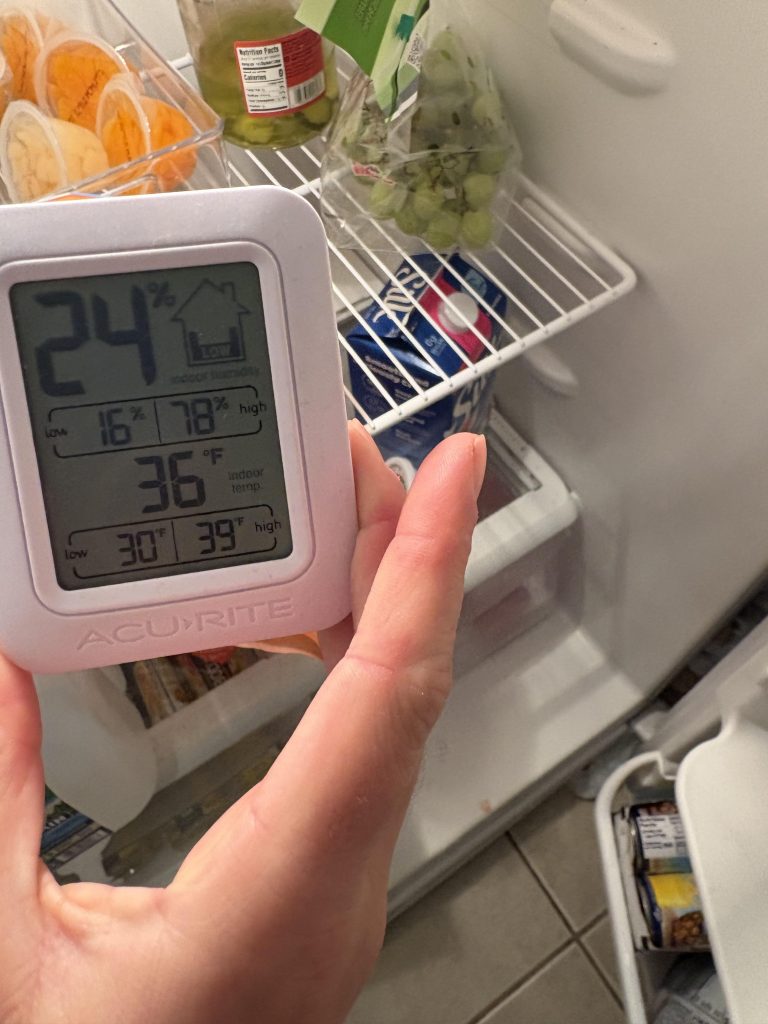
Keeping an eye on the temperature settings is essential for food safety and energy efficiency. The ideal fridge temperature is between 37°F and 40°F. Use a refrigerator thermometer to ensure accuracy. If you notice fluctuations, it might be time to check the thermostat or seek professional help. Are you regularly checking these aspects of your refrigerator? A little attention goes a long way in preventing costly repairs.Credit: www.lg.com
Frequently Asked Questions
How Can I Tell If My Refrigerator Is Failing?
Signs include inconsistent cooling, loud noises, and frequent cycling. Check for frost buildup, water leaks, and warm spots inside. Early detection helps avoid food spoilage and costly repairs.
What Noises Indicate A Refrigerator Is Going Bad?
Unusual sounds like grinding, buzzing, or clicking often signal problems. These noises may come from the compressor or fan motor. If noises persist, have a technician inspect the fridge promptly.
Why Is My Refrigerator Not Cooling Properly?
Poor cooling can result from a faulty thermostat, dirty condenser coils, or a failing compressor. Check for blocked vents or worn door seals. Fix these issues to restore optimal cooling performance.
How Long Does A Refrigerator Typically Last?
Most refrigerators last between 10 to 20 years depending on usage and maintenance. Regular cleaning and timely repairs can extend its lifespan. Consider replacement if your fridge is older and frequently malfunctioning.
Conclusion
A fridge that acts strange often means trouble ahead. Strange noises, warm spots, or leaks show signs of wear. Catching these signs early saves money and food. Don’t wait until your fridge stops working completely. Regular checks help you spot problems fast.
Fix small issues before they grow bigger. Your fridge keeps food fresh and drinks cold. Treat it well to avoid sudden breakdowns. Knowing these signs helps keep your kitchen running smooth. Stay alert and take action when you notice changes.