
Have you ever wondered if you can refrigerate grapefruit to keep it fresh longer? Maybe you bought more than you could eat in a day or two, and now you’re unsure how to store it properly.
Storing grapefruit the right way can make a big difference in taste and texture. You’ll discover simple tips that help you keep your grapefruit juicy and delicious for days. Keep reading to find out exactly how to store your grapefruit so it stays fresh and ready whenever you want a healthy, refreshing snack.

Credit: www.yahoo.com
Grapefruit Storage Basics
Storing grapefruit properly keeps it fresh and tasty longer. Understanding the basics of grapefruit storage helps maintain its flavor and texture. Grapefruit can be kept at room temperature or refrigerated, but the storage method affects its shelf life and quality.
Ideal Temperature For Grapefruit
The best temperature for storing grapefruit is between 45°F and 50°F (7°C to 10°C). This cool range slows down spoilage and preserves juiciness. Room temperature above 70°F (21°C) can cause grapefruit to spoil faster.
Shelf Life At Room Temperature
At room temperature, grapefruit lasts about one week. Keep it in a cool, dry place away from direct sunlight. Avoid stacking fruits to prevent bruises and spoilage. Grapefruit stored this way may lose moisture and firmness over time.
Effects Of Refrigeration
Refrigerating grapefruit extends its shelf life to three or four weeks. Store it in the crisper drawer or a perforated plastic bag. Cold storage helps keep the fruit juicy and firm. Avoid storing grapefruit near strong-smelling foods to prevent odor absorption.
When To Refrigerate Grapefruit
Knowing when to refrigerate grapefruit helps keep it fresh longer. Grapefruit can stay good at room temperature for a few days. But refrigeration slows down spoilage and maintains taste.
Understanding the fruit’s ripeness and how you plan to use it guides your storage choice. Here are key points on when to refrigerate grapefruit for best results.
Signs Of Ripeness
- The skin feels firm but slightly soft under pressure.
- The color is bright and uniform, without green patches.
- The fruit feels heavy for its size, indicating juiciness.
- There is a fresh, citrus aroma near the stem area.
Ripe grapefruit is ready to eat or refrigerate. If it still feels hard or lacks scent, keep it at room temperature a few more days.
Benefits Of Refrigerating Ripe Fruit
- Slows down the ripening and spoilage process.
- Preserves the juicy texture and fresh flavor.
- Prevents mold growth and soft spots.
- Extends shelf life up to two weeks.
Refrigerate ripe grapefruit in the crisper drawer. Keep it away from strong-smelling foods to avoid odor transfer.
Storing Cut Grapefruit
- Wrap cut pieces tightly with plastic wrap or place in airtight containers.
- Keep refrigerated at all times after cutting.
- Consume within 2 to 3 days for best taste and safety.
- Check for any off smell or texture before eating.
Cut grapefruit loses moisture quickly. Proper storage stops it from drying out or absorbing fridge odors.
Best Practices For Refrigeration
Storing grapefruit properly in the refrigerator keeps it fresh and juicy longer. Following best practices helps maintain its flavor and texture. Proper refrigeration slows down ripening and prevents spoilage.
Packaging Tips
Wrap grapefruit loosely in a paper towel to absorb moisture. Place it inside a perforated plastic bag or a breathable container. Avoid sealing grapefruit in airtight bags as this traps moisture and speeds up decay.
Optimal Fridge Placement
Store grapefruit in the crisper drawer for stable humidity. Keep it away from strong-smelling foods to avoid odor absorption. Place grapefruit where cold air circulates but not near the freezer to prevent freezing.
Avoiding Moisture And Mold
Check grapefruit regularly for wet spots or mold growth. Wipe off condensation or water droplets with a dry cloth. Remove any damaged fruits immediately to stop mold from spreading to others.
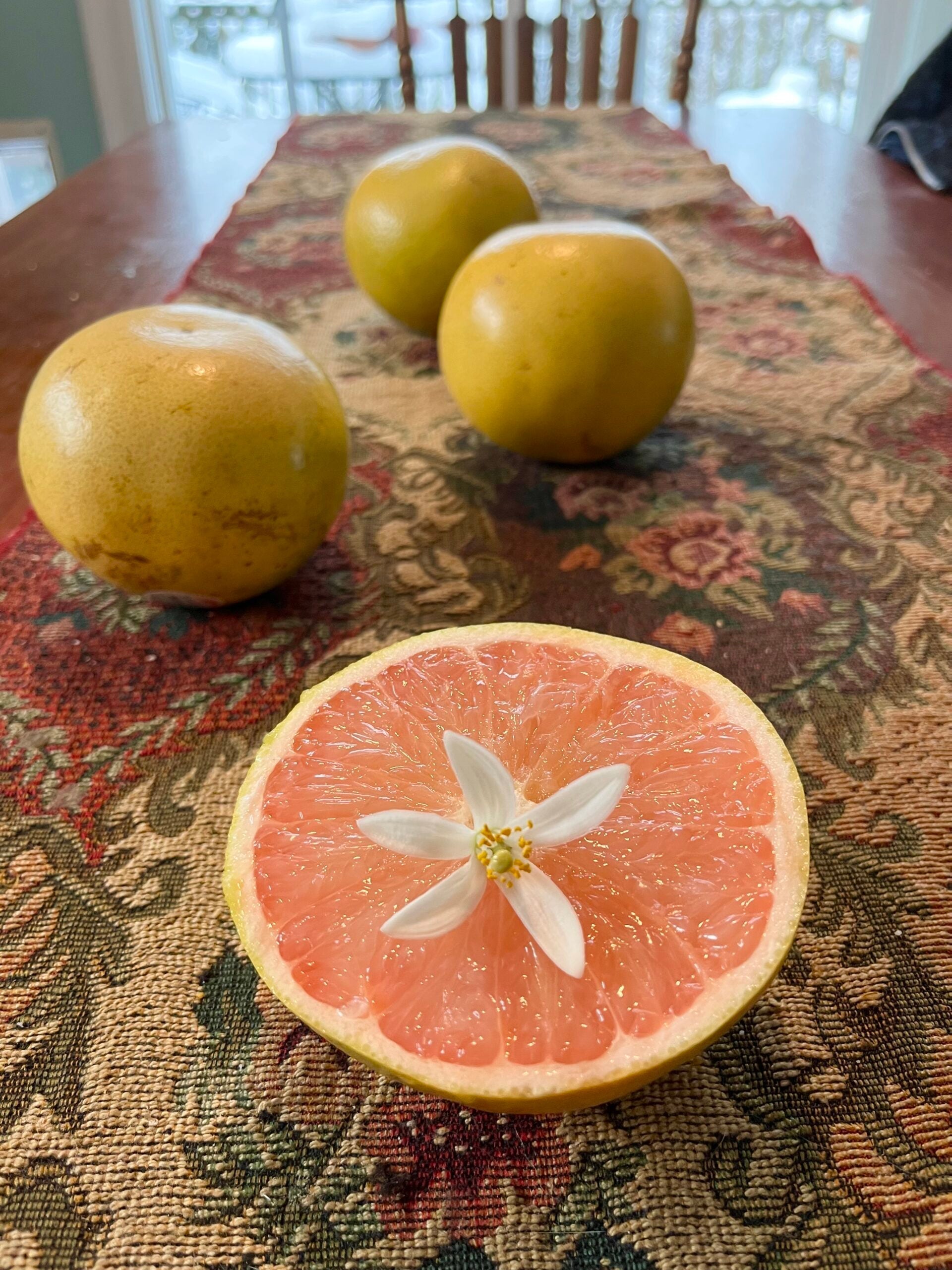
Credit: truetreatscandy.com
Alternatives To Refrigeration
While refrigeration is a popular way to preserve grapefruit, there are other methods. These alternatives can help maintain the fruit’s freshness and flavor. Let’s explore some effective options.
Cool, Dry Storage Options
Storing grapefruit in a cool, dry place works well. It helps maintain their juiciness and taste. A pantry or a cellar with good air circulation is ideal. Avoid direct sunlight and excessive heat. This method keeps your grapefruit fresh for a week or two.
Using Citrus Keepers
Citrus keepers are specially designed for fruits like grapefruit. They are containers that provide a balanced environment. Citrus keepers help maintain the right moisture level. This keeps grapefruit fresh and juicy. These keepers are easy to use and can fit in small spaces.
Freezing Grapefruit
Freezing is another great option for long-term storage. Start by peeling and segmenting the grapefruit. Remove seeds and place segments on a tray. Freeze them until solid, then transfer to a freezer bag. This method preserves the taste and nutritional value for months.
Maintaining Freshness After Refrigeration
Keeping your grapefruit fresh after refrigeration is key to enjoying its full flavor and texture. Grapefruit can lose its zing if not handled properly once out of the fridge. Let’s look at how you can maintain that freshness and make the most of your chilled fruit.
Bringing Grapefruit To Room Temperature
Cold grapefruit can taste dull and less juicy. Allow your grapefruit to sit at room temperature for about 30 minutes before eating or using it in recipes. This simple step helps the natural sugars and oils become more noticeable, enhancing the flavor.
Have you ever bitten into a grapefruit straight from the fridge only to find it less satisfying? Waiting a bit can make a big difference.
Preserving Flavor And Texture
After refrigeration, the texture of grapefruit can become a bit mushy or dry if exposed to air. To avoid this, store it in a sealed container or wrap it tightly in plastic wrap before refrigerating. This prevents moisture loss and keeps the flesh firm and juicy.
Keeping the fruit away from strong-smelling foods in the fridge also protects its delicate aroma and taste.
Using Grapefruit Promptly
The fresher the grapefruit, the better the taste and texture. Once you take it out of the fridge, try to use it within a day or two. The longer it sits, the more it loses flavor and becomes less enjoyable.
Think about how often you finish your fruit quickly after chilling it—doesn’t it taste better that way? Planning to eat grapefruit soon after refrigeration guarantees the best experience.

Credit: bastecutfold.com
Frequently Asked Questions
Can You Refrigerate Whole Grapefruit?
Yes, you can refrigerate whole grapefruit. Keeping it in the fridge extends freshness for up to 3 weeks. Store it in the crisper drawer to maintain moisture and flavor.
How Long Does Grapefruit Last Refrigerated?
Refrigerated grapefruit lasts about 2 to 3 weeks. Keep it in a plastic bag or container to prevent drying out. Proper storage preserves its juiciness and taste.
Should Grapefruit Be Refrigerated After Cutting?
Yes, always refrigerate cut grapefruit. Wrap it tightly in plastic wrap or store in an airtight container. Consume within 2 to 3 days for best quality and safety.
Does Refrigeration Affect Grapefruit Taste?
Refrigeration helps maintain grapefruit’s fresh taste longer. It slows down spoilage without significantly altering flavor. However, prolonged storage may slightly reduce juiciness.
Conclusion
Grapefruit stays fresh longer in the fridge. Keep it whole or cut and cover it well. Cold temperatures slow down spoilage and preserve taste. Avoid leaving grapefruit out for many days. Proper storage helps keep its juicy flavor. Enjoy your grapefruit fresh and tasty anytime.
Simple care makes a big difference in freshness. Store it right, eat it happy!