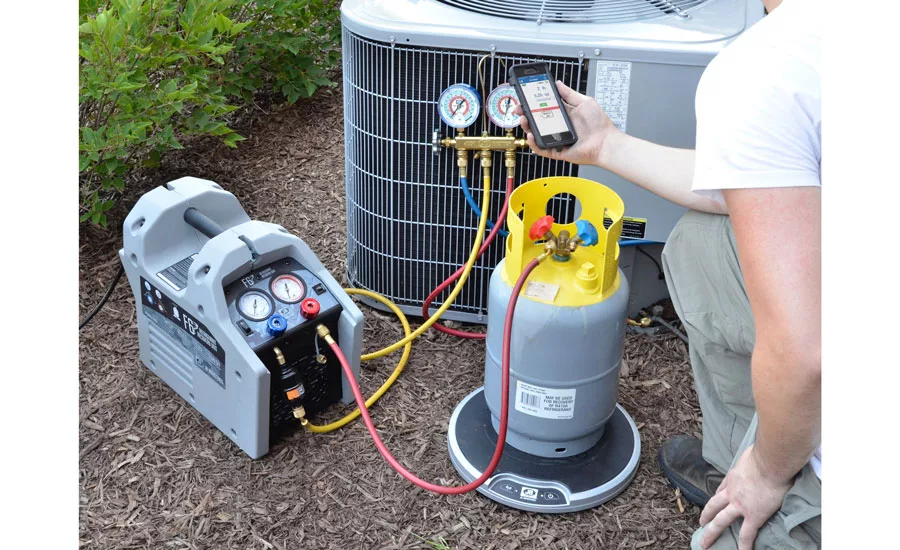
Have you ever wondered how to reclaim refrigerant safely and effectively? Whether you’re a homeowner or a technician, knowing this skill can save you money and protect the environment.
Refrigerant is valuable, but mishandling it can cause harm. You’ll discover simple steps and expert tips to reclaim refrigerant the right way. By the end, you’ll feel confident handling your system and making smart choices that benefit both your wallet and the planet.
Keep reading to learn how you can take control and make a difference today.
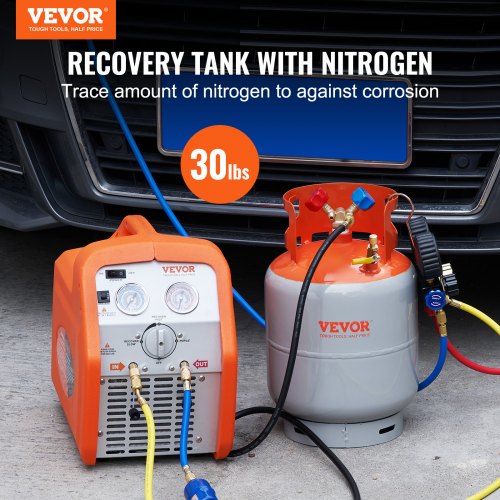
Credit: www.vevor.com
Importance Of Refrigerant Recovery
Refrigerant recovery plays a crucial role in protecting the environment and maintaining the efficiency of cooling systems. When you recover refrigerant properly, you prevent harmful gases from escaping into the atmosphere, which can cause significant damage to the ozone layer. This simple act also ensures that refrigerants can be reused or safely disposed of, reducing waste and saving money.
Understanding why refrigerant recovery matters can change how you handle HVAC maintenance or repairs. Have you ever wondered what happens to the refrigerant when your system is serviced? Without recovery, that refrigerant often leaks out, contributing to pollution and regulatory fines.
Environmental Protection And Legal Compliance
Refrigerants contain chemicals that can harm the ozone layer and contribute to global warming. Recovering refrigerants prevents their release, helping you reduce your environmental footprint. It also keeps you in line with strict government regulations, avoiding penalties and legal issues.
Think about the impact your actions have beyond your immediate workspace. Every recovered pound of refrigerant helps slow environmental damage and supports cleaner air.
Cost Savings And Resource Efficiency
Recovering refrigerant means you don’t have to buy new gas every time you service a system. This saves you money and reduces the demand for manufacturing new refrigerants. It’s a smart way to make the most out of existing resources.
Imagine how much you could save over time by reusing recovered refrigerant. It’s not just good for the planet—it’s good for your budget too.
System Performance And Safety
Proper refrigerant recovery helps keep your cooling systems running smoothly. Removing old or contaminated refrigerant prevents damage and ensures optimal performance. It also reduces the risk of leaks, which can be dangerous and costly to fix.
Have you noticed your system acting up after a repair? Chances are, improper refrigerant handling played a part. Prioritizing recovery helps avoid these headaches.
Tools Needed For Recovery
Reclaiming refrigerant requires specific tools to do the job safely and correctly. Using the right equipment ensures the refrigerant is captured without leaks or contamination. This protects the environment and complies with legal standards. Below are the essential tools needed for efficient refrigerant recovery.
Recovery Machines
Recovery machines are the heart of refrigerant reclamation. They pull refrigerant from the system and store it in a safe container. These machines come in various sizes and types, suited for different refrigerants and system sizes. Always choose a recovery machine compatible with the refrigerant type in use. Proper maintenance of the machine keeps it reliable and efficient.
Recovery Cylinders
Recovery cylinders hold the recovered refrigerant. They must be specially designed to store refrigerants safely. These cylinders have pressure ratings and valves to prevent leaks. Never use regular gas cylinders for refrigerant storage. Proper labeling of cylinders is essential to avoid confusion and ensure safety during transport and storage.
Safety Gear
Safety gear protects the technician during refrigerant recovery. Gloves and goggles shield from chemical exposure and cold burns. Respirators prevent inhaling harmful fumes. Wear long sleeves and pants to reduce skin contact. Always work in a well-ventilated area to avoid gas buildup. Safety first keeps recovery work safe and effective.
Preparing For Refrigerant Recovery
Gather all necessary tools and safety gear before starting refrigerant recovery. Check the equipment for leaks and ensure proper ventilation in the workspace. Understanding the system’s pressure and temperature helps in reclaiming refrigerant safely.
Preparing for refrigerant recovery is a vital step in ensuring the process is efficient, safe, and environmentally responsible. Before diving into the technicalities, it’s crucial to understand the importance of preparation. A well-prepared recovery process can prevent accidents, minimize downtime, and protect the environment. Let’s explore how you can set the stage for successful refrigerant recovery by checking your system’s compatibility, ensuring proper ventilation, and reviewing essential safety precautions.Checking System Compatibility
Before initiating refrigerant recovery, verify that your equipment is compatible with the refrigerant you plan to recover. Different systems and refrigerants may require specific recovery machines, hoses, and tanks. Double-check the manufacturer’s guidelines for compatibility to avoid equipment damage and ensure efficient recovery. Consider the age and condition of your equipment. Older systems might need upgrades or specific adapters. Have you checked the labels and specifications recently? Doing so could save you from unexpected hassles.Ensuring Proper Ventilation
Proper ventilation is critical for a safe recovery environment. Refrigerants can displace oxygen, leading to hazardous conditions if not adequately ventilated. Ensure that your workspace has sufficient airflow to dissipate any refrigerant that may escape during recovery. If working indoors, use exhaust fans or open windows to improve air circulation. Have you assessed your workspace ventilation lately? A simple inspection could make a significant difference in safety.Reviewing Safety Precautions
Safety should always be your top priority. Familiarize yourself with the necessary safety gear, including gloves, goggles, and protective clothing. Are all your safety protocols up to date? Regularly reviewing them can prevent accidents and ensure a smooth recovery process. Make sure your team is well-trained in handling refrigerants and understands emergency procedures. When was the last safety drill conducted? Keeping your team informed and prepared could be the key to preventing incidents. By focusing on these preparatory steps, you set a strong foundation for a successful refrigerant recovery process. Have you considered how a little preparation can transform your recovery experience?Step-by-step Recovery Process
Recovering refrigerant safely and efficiently requires a clear process. Each stage matters to avoid leaks and ensure environmental protection. Here’s how you can handle the recovery from start to finish with confidence.
Shutting Down The Equipment
Before touching anything, make sure the equipment is completely powered off. This step prevents accidental releases of refrigerant and protects you from electrical hazards. Double-check that all switches are in the off position and unplug the unit if possible.
Have you ever rushed this step and ended up with a refrigerant leak? Taking a moment to shut down properly saves a lot of trouble later.
Connecting Recovery Equipment
Attach your recovery machine and recovery tank securely to the system’s service ports. Use the right hoses and fittings to avoid leaks. Make sure the connections are tight but don’t overtighten and damage the valves.
- Check the compatibility of your recovery equipment with the refrigerant type.
- Wear gloves and safety glasses during this step.
- Keep a leak detector handy to spot any escaping gas early.
Starting The Recovery
Switch on the recovery machine and begin drawing refrigerant from the system. Keep the machine running smoothly and avoid stopping and starting repeatedly, which can cause pressure spikes. If your machine has different modes, select the one appropriate for the system’s size and refrigerant type.
Remember, rushing this step can damage your equipment or waste refrigerant. Patience here pays off in efficiency and safety.
Monitoring Pressure Levels
Keep a close eye on the pressure gauges throughout the recovery process. Pressure that is too high or too low can signal problems like blockages or leaks. Adjust your recovery speed accordingly to maintain safe pressure levels.
Have you noticed how small pressure changes can indicate bigger issues? This vigilance can prevent costly repairs and keep your work environment safe.
Handling And Storing Reclaimed Refrigerant
Handling and storing reclaimed refrigerant requires care and precision. Proper management ensures safety and maintains refrigerant quality. It also helps avoid contamination and environmental harm.
Labeling And Documentation
Clear labeling is essential for all reclaimed refrigerant containers. Labels must include the refrigerant type and date of recovery. Indicate if the refrigerant has been tested or filtered. Keep detailed records of the source and quantity. Documentation helps track refrigerant and meet regulatory requirements.
Proper Storage Techniques
Store reclaimed refrigerant in cool, dry areas away from direct sunlight. Use upright cylinders designed for refrigerant storage. Avoid storing near heat or ignition sources. Ensure cylinders are tightly sealed to prevent leaks. Inspect containers regularly for damage or corrosion.
Transporting Refrigerant Safely
Use secure, upright positioning during transport to prevent spills. Avoid exposure to extreme temperatures during transit. Label containers clearly for easy identification. Follow local and national regulations for refrigerant transport. Use protective equipment and trained personnel for handling.

Credit: www.achrnews.com
Common Mistakes To Avoid
Reclaiming refrigerant is a precise task that requires attention to detail and proper technique. Avoiding common mistakes can save you time, money, and potential damage to your equipment. Let’s look at some pitfalls you should steer clear of to ensure your refrigerant reclaiming process goes smoothly and safely.
Using Incorrect Recovery Equipment
Using the wrong tools can lead to incomplete recovery or contamination of refrigerant. Make sure your recovery machine is compatible with the refrigerant type you’re handling.
Many people overlook this and end up damaging their machines or wasting refrigerant. Double-check equipment specs before starting the job to avoid costly errors.
Failing To Check For Leaks Before Recovery
Starting the reclaim process without inspecting for leaks wastes refrigerant and poses safety risks. A small leak can release refrigerant into the atmosphere and cause environmental harm.
Always perform a thorough leak test on your system first. Catching leaks early helps you save refrigerant and protects the environment.
Neglecting Proper Refrigerant Storage
Refrigerant must be stored in approved cylinders and labeled correctly. Using damaged or unapproved containers can lead to leaks or contamination.
Think about how you store your refrigerant after recovery. Proper storage keeps it clean and ready for reuse or disposal.
Not Following Manufacturer’s Guidelines
Each refrigerant and recovery device comes with specific instructions. Ignoring these can cause inefficiency and safety hazards.
Have you ever skipped reading a manual and faced trouble? Taking a few minutes to follow guidelines can prevent bigger problems down the line.
Mixing Different Types Of Refrigerants
Mixing refrigerants can ruin your recovered product and damage HVAC systems later. It’s a costly mistake that’s easily avoidable.
Be vigilant about identifying and separating refrigerant types during recovery. This ensures the quality and safety of your reclaimed refrigerant.
Legal And Environmental Considerations
Reclaiming refrigerant involves following strict legal and environmental rules. These rules protect the air and water from harmful chemicals. Understanding these guidelines helps avoid fines and protects the planet. It also ensures safe handling of refrigerants during recovery and reuse.
Regulations On Refrigerant Handling
Many countries have laws about refrigerant handling. These laws require certified technicians to recover refrigerant safely. Only approved equipment can be used for recovery. Records of refrigerant amounts must be kept for inspections. These rules reduce leaks and protect the atmosphere.
Environmental Impact
Refrigerants can harm the ozone layer and cause global warming. Leaking refrigerants add dangerous gases to the air. Proper recovery stops these gases from escaping. Protecting the environment means using less new refrigerant. It also means reducing waste and pollution.
Disposal Guidelines
Disposing of refrigerants requires care to avoid pollution. Recovered refrigerants must be sent to approved recycling centers. Dumping refrigerants in landfills or drains is illegal and harmful. Follow local disposal laws to ensure safe handling. Proper disposal keeps communities and ecosystems safe.
Tips For Maintaining Recovery Equipment
Maintaining your refrigerant recovery equipment is crucial to ensure it works efficiently and lasts longer. Neglecting regular care can lead to costly repairs or even unsafe handling of refrigerants. By paying attention to your equipment’s condition, you protect your investment and improve your work quality.
Clean And Inspect Equipment Regularly
Keep your recovery machine free from dust and debris. Wipe down external surfaces after each use to prevent dirt buildup.
Check hoses, filters, and connections for cracks or leaks before every job. Small damages can cause refrigerant loss or contamination.
Replace Filters And Oil On Schedule
Filters trap moisture and particles that can harm your equipment. Change them according to manufacturer recommendations, or sooner if you notice reduced performance.
Don’t forget the compressor oil. Using clean, fresh oil reduces wear and keeps the machine running smoothly.
Store Equipment Properly
Store your recovery machine in a cool, dry place away from direct sunlight. Extreme temperatures can damage sensitive components.
Keep hoses coiled loosely to avoid kinks and cracks. Avoid placing heavy items on top of your equipment to prevent deformation.
Calibrate Gauges And Sensors Periodically
Accurate gauges are vital for safe and effective refrigerant recovery. Test and calibrate your gauges regularly to ensure precise readings.
If you notice inconsistent readings, don’t ignore them. Faulty gauges can lead to overfilling or under-recovery, both of which cause problems.
Practice Safe Handling And Operation
Always follow the operating manual for your equipment. Using it outside recommended limits increases wear and risk of failure.
Wear protective gear and work in well-ventilated areas to avoid exposure to refrigerants and potential hazards.
Have you checked your recovery machine’s condition lately? Small, routine actions can prevent major downtime and keep your refrigerant recovery process smooth and safe.

Credit: www.youtube.com
Frequently Asked Questions
What Is Refrigerant Reclamation?
Refrigerant reclamation is the process of recovering used refrigerant. It involves cleaning and purifying refrigerant to meet industry standards. This allows safe reuse and reduces environmental harm from refrigerant disposal.
Why Is Reclaiming Refrigerant Important?
Reclaiming refrigerant helps protect the environment by reducing harmful emissions. It conserves natural resources by recycling refrigerant. It also complies with legal regulations and saves costs compared to buying new refrigerant.
How Do You Properly Reclaim Refrigerant?
Proper reclamation involves capturing refrigerant using specialized equipment. The refrigerant is then filtered, dried, and tested for purity. Certified technicians must follow EPA guidelines to ensure safe and effective reclamation.
Can Reclaimed Refrigerant Be Reused Safely?
Yes, reclaimed refrigerant meets strict purity standards. It performs like new refrigerant when properly processed. Using reclaimed refrigerant reduces waste and supports eco-friendly HVAC maintenance.
Conclusion
Reclaiming refrigerant helps protect the environment and saves money. Follow safety steps to avoid risks and damage. Use the right tools and methods for best results. Always follow local laws and guidelines carefully. Taking time to learn this skill benefits both you and nature.
Start practicing today for cleaner and safer cooling systems. Keep your equipment running smoothly and reduce waste. Simple actions make a big difference in handling refrigerants.