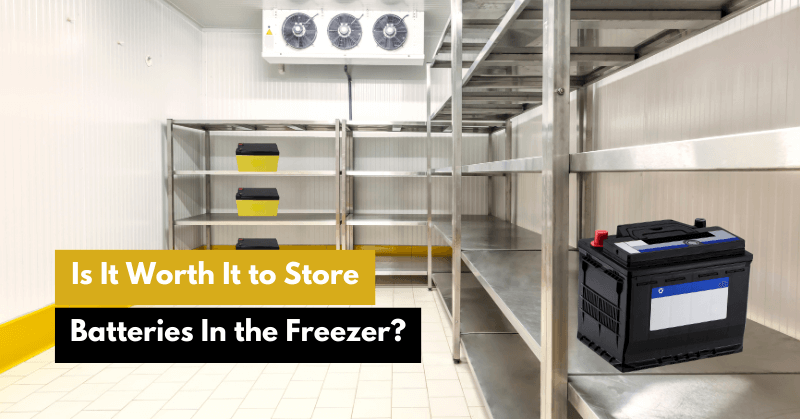
Have you ever wondered if storing your batteries in the fridge can make them last longer? You’re not alone.
Many people believe that cold temperatures can slow down battery drain and keep them fresh for months. But does this really work, or could it actually harm your batteries? If you want to get the most out of your batteries and avoid wasting money, it’s important to know the truth.
Keep reading to discover whether refrigerating batteries is a smart move or just a common myth.
Battery Types And Storage
Batteries come in various types, each with unique materials and designs. These differences affect how batteries age and how they should be stored. Proper storage helps keep batteries working longer and prevents damage.
Temperature and humidity affect battery life. Some types handle cold better than others. Understanding battery chemistry helps choose the right storage method.
Common Battery Chemistries
- Alkaline:Widely used in household devices. They hold charge well but can leak if stored too long.
- Nickel-Cadmium (NiCd):Rechargeable with good performance in cold temperatures. They suffer from memory effect if not fully discharged.
- Nickel-Metal Hydride (NiMH):Rechargeable and safer than NiCd. They lose charge faster when stored at high temperatures.
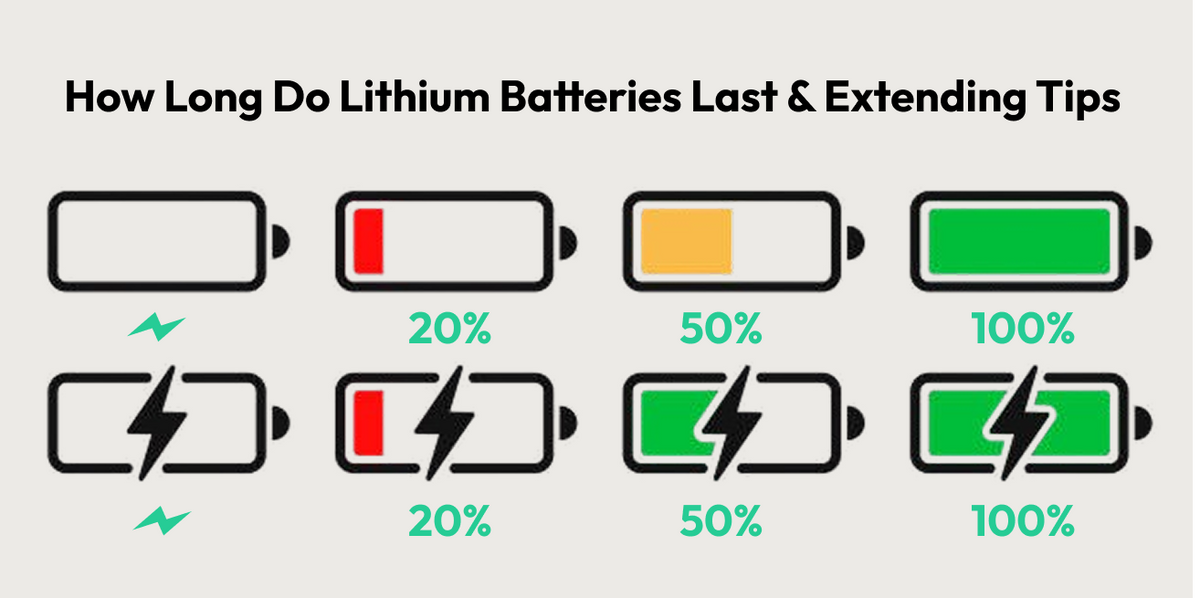
- Lithium-ion (Li-ion):Common in electronics and vehicles. Sensitive to high heat and cold; partial charge storage is best.
- Lithium Metal:Non-rechargeable, used in small electronics. Store in cool, dry places to prevent leakage.
Storage Recommendations By Type
| Battery Type | Best Storage Temperature | Storage Tips |
|---|---|---|
| Alkaline | Room temperature (20-25°C) | Keep dry and avoid freezing or heat |
| NiCd | Cool, not freezing (10-20°C) | Store fully charged; avoid deep discharge |
| NiMH | Cool and dry (10-20°C) | Store partially charged to reduce self-discharge |
| Li-ion | Cool, around 15°C | Store at about 40-60% charge; avoid full charge or empty |
| Lithium Metal | Cool and dry (below 25°C) | Store in original packaging to prevent contact |

Credit: udpwr.com
Impact Of Temperature On Batteries
Temperature plays a key role in battery performance and lifespan. Batteries react differently to heat and cold. Understanding these effects helps in storing and using batteries better. Proper temperature control can prevent damage and keep batteries working longer.
How Heat Affects Battery Life
Heat speeds up chemical reactions inside batteries. This can cause faster aging and capacity loss. High temperatures increase the risk of leaks and swelling. Heat also lowers battery efficiency, making devices run shorter times. Storing batteries in hot places reduces their overall lifespan.
Effects Of Cold Environments
Cold slows down battery chemistry, reducing power output. Devices may shut down unexpectedly in very cold weather. Battery capacity temporarily drops, but damage is less permanent than heat. Extended exposure to cold can cause battery voltage to fall. Warming batteries to room temperature restores performance in most cases.
Refrigeration And Battery Performance
Storing batteries in a refrigerator can slow chemical reactions, potentially extending their life. Cooler temperatures help reduce battery self-discharge and preserve power longer. However, moisture inside the fridge may cause damage if batteries are not sealed properly.
Refrigeration and Battery Performance Have you ever wondered if storing your batteries in the fridge could actually extend their lifespan? The idea seems simple enough—cold temperatures slow down chemical reactions, which could mean your batteries last longer. But does this practice really work, or is it just another urban myth?Scientific Studies On Refrigerated Batteries
Scientific research on this topic presents mixed results. Some studies suggest that refrigeration can indeed slow down self-discharge in certain types of batteries, particularly alkaline ones. However, other studies indicate that the benefits are negligible and may not justify the effort of storing them in the fridge. It’s also important to consider the type of battery. Rechargeable batteries, such as NiMH and lithium-ion, may not benefit from refrigeration. In fact, they might experience reduced performance when exposed to cold temperatures.Potential Benefits And Drawbacks
Benefits: – Refrigeration can potentially slow down the self-discharge rate, especially in alkaline batteries. – If you have a bulk stock of batteries, refrigeration might slightly extend their shelf life. Drawbacks: – Cold temperatures can lead to condensation when batteries are removed, potentially causing damage. – Immediate performance might drop; batteries could take longer to reach optimal power levels after being cooled. Before you toss your batteries into the crisper, consider this: Is the potential for a slightly longer shelf life worth the hassle of waiting for them to warm up every time you need to use one? Engaging with this question can help you decide the best storage method for your batteries. Your choice might depend on how often you use them and whether you’re willing to trade a bit of convenience for potential longevity. So, next time you’re about to stash those batteries next to your groceries, ask yourself if the payoff is worth it.Best Practices For Battery Storage
Proper battery storage helps keep your batteries working longer. Storing batteries under the right conditions slows down their natural wear and tear. Knowing how to store batteries can save money and reduce waste.
Optimal Temperature Ranges
Batteries last longest at cool, stable temperatures. Avoid extreme heat or freezing cold. Room temperature, between 20°C and 25°C (68°F to 77°F), is usually best. Too much heat causes batteries to age faster. Cold temperatures may reduce battery performance temporarily. Avoid storing batteries in places that get very hot or very cold.
Humidity And Other Environmental Factors
Keep batteries in a dry place. High humidity can cause corrosion or damage battery contacts. Store batteries in their original packaging or a plastic container with a lid. Avoid places with dust, dirt, or chemicals. These can harm batteries and reduce their life. Proper storage protects batteries from moisture and contaminants.
Common Myths And Misconceptions
Batteries are a common part of daily life, yet many people hold onto myths about how to store them properly. One popular belief is that refrigerating batteries can extend their lifespan. However, this idea is surrounded by several misconceptions that can lead to improper storage and even damage.
Separating Fact From Fiction
Storing batteries in the fridge might sound logical because cool temperatures slow down chemical reactions. But most modern batteries, especially alkaline and lithium types, don’t benefit from refrigeration. In fact, moisture inside a fridge can cause corrosion or short-circuiting.
Battery manufacturers often recommend keeping batteries at room temperature in a dry place. This advice is based on tested results rather than assumptions. Have you ever noticed how some batteries stored in cold, damp places stopped working sooner than expected?
Why Some Myths Persist
Old habits and outdated information often keep these myths alive. Years ago, certain battery types did gain some advantage from cooler storage, but today’s technology has changed that. People also tend to trust what they’ve heard from friends or seen online without checking the facts.
Another reason myths stick around is the appealing simplicity of the idea—put batteries in the fridge, and they last longer. But simple solutions aren’t always correct. Ask yourself: are you storing your batteries based on science or just hearsay?
Credit: www.renogy.com
Practical Tips For Extending Battery Life
Batteries power so many devices we use every day. Extending their life not only saves money but also reduces waste. Simple habits and smart storage can make a big difference in how long your batteries last.
Proper Handling And Usage
Handle batteries with care to avoid damage. Always insert them correctly, matching the positive and negative ends with the device’s markings. Incorrect placement can cause leaks or shorten battery life.
Try not to mix old and new batteries in the same device. This can drain them faster and cause uneven wear. Also, remove batteries from devices you don’t use often to prevent slow leaks and corrosion.
Think about the devices you use the most. Could you switch to rechargeable batteries? They might cost more upfront but can be reused hundreds of times, saving you money and hassle over time.
Storage Tips Beyond Refrigeration
Storing batteries in a cool, dry place is best. Extreme heat or humidity speeds up battery drain and damage. A drawer or box away from direct sunlight often works well.
Keep batteries in their original packaging until you need them. This prevents them from touching metals or other batteries, which can cause short circuits. Have you ever found a corroded battery in your drawer? That’s usually from poor storage.
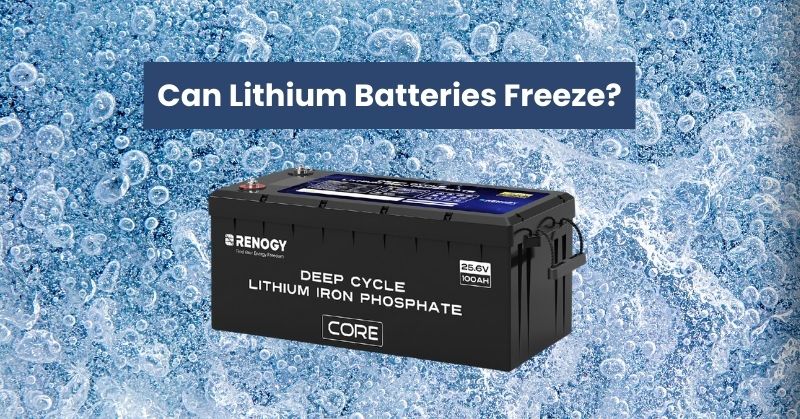
Some people think freezing batteries helps, but moisture from condensation can harm them. Instead, maintain room temperature storage and check batteries periodically. If you find any that look swollen or leaking, dispose of them safely right away.
Credit: www.renogy.com
Frequently Asked Questions
Does Refrigerating Batteries Really Extend Their Life?
Refrigerating batteries can slow down chemical reactions, reducing self-discharge. However, modern batteries perform well at room temperature. Extreme cold may cause condensation and damage. For most users, storing batteries in a cool, dry place is sufficient to maintain their lifespan.
Which Batteries Benefit Most From Refrigeration?
Nickel-cadmium (NiCd) and nickel-metal hydride (NiMH) batteries benefit slightly from refrigeration. Lithium-ion batteries do not gain much from cold storage and can be harmed by moisture. Always check manufacturer guidelines before refrigerating any battery type to ensure proper care and longevity.
Can Refrigeration Damage Batteries?
Refrigeration can cause moisture buildup inside batteries, leading to corrosion and damage. Improper sealing or sudden temperature changes increase this risk. To avoid damage, store batteries in airtight containers with moisture absorbers if refrigerating. Proper storage conditions are crucial to prevent harm.
How Should Batteries Be Stored For Best Life Extension?
Store batteries in a cool, dry place away from direct sunlight. Avoid extreme temperatures and humidity. Keep batteries at around 15-20°C (59-68°F) and remove them from devices if not in use. Proper storage reduces self-discharge and extends battery life without refrigeration.
Conclusion
Storing batteries in a cool, dry place helps them last longer. Refrigerators can be too cold and moist, which harms batteries. Room temperature storage keeps batteries ready for use. Avoid extreme temperatures to protect battery power. Simple care extends battery life effectively.
Choose proper storage to save money and reduce waste. Small habits make a big difference in battery performance. Keep your batteries safe and working well.