Have you ever wondered if keeping your batteries in the refrigerator really helps them last longer? You might have heard this tip from a friend or seen it online, but is it true?
Before you start storing your batteries in the fridge, it’s important to know how this affects their life and performance. You’ll discover the facts behind this common belief and learn the best ways to make your batteries last as long as possible.
Keep reading—your devices will thank you!
How Temperature Affects Battery Life
Temperature plays a significant role in how long your batteries last. It affects the chemical reactions inside the battery, which in turn impacts performance and lifespan. Understanding these effects can help you store and use batteries more wisely.
Battery Chemistry Basics
Batteries store energy through chemical reactions. Different types of batteries use different chemicals, like alkaline, lithium-ion, or nickel-metal hydride. Each chemistry reacts differently to temperature changes, which affects how well the battery performs and how long it holds a charge.
For instance, alkaline batteries tend to lose capacity faster when warm, while lithium-ion batteries are more sensitive to extreme cold. Knowing your battery type helps you decide the best way to store and use them.
Impact Of Cold On Battery Performance
Cold temperatures slow down the chemical reactions inside batteries. This means your battery might seem dead or weak in cold weather, even if it’s not actually drained. You might have noticed your phone or remote control acting sluggish in winter—that’s the battery struggling.
Storing batteries in the refrigerator can slow their self-discharge rate, but if they get too cold, they might not perform when you need them. Keeping batteries just cool, not freezing, is key.
Risks Of Extreme Temperatures
Extreme heat or cold can damage batteries permanently. High heat can cause batteries to leak or swell, posing safety risks. On the other hand, freezing temperatures might cause internal damage that reduces battery life.
Have you ever left batteries in a hot car or freezer? This kind of exposure can ruin them, costing you money and hassle. It’s safer to store batteries at a stable, moderate temperature, away from direct heat or freezing conditions.
Common Battery Storage Practices
Proper battery storage affects their lifespan and performance. Many people store batteries in different places without knowing the best practice. Understanding common battery storage habits helps avoid damage and energy loss. It also prevents leaks and corrosion that ruin devices.
Storing Batteries At Room Temperature
Room temperature storage is the most common and practical method. Batteries last longer when kept in a cool, dry place away from direct sunlight. Avoid extreme heat or cold, as both can reduce battery life. A drawer or cabinet works well for storing batteries safely.
Refrigerator Storage Myths
Many believe refrigerators extend battery life. This idea started decades ago but is mostly false today. Moisture inside the fridge can cause corrosion and damage battery contacts. Cold temperatures may reduce battery efficiency temporarily. Avoid storing batteries in the refrigerator to keep them dry and safe.
Manufacturer Recommendations
Always follow the battery maker’s storage instructions on the package. Manufacturers design batteries for specific temperature ranges. Most advise storing batteries in a cool, dry place at room temperature. Some batteries, like lithium-ion, require special care. Ignoring these recommendations can void warranties and reduce battery life.
Scientific Studies On Battery Storage
Scientific studies on battery storage offer valuable insights into whether keeping batteries in the refrigerator actually extends their life. Researchers have run tests to compare battery performance under different storage conditions. Understanding these findings can help you decide the best way to store your batteries for maximum longevity.
Lab Tests And Findings
Controlled lab experiments reveal how temperature and humidity affect battery chemistry. Many tests show that cooler temperatures slow down the chemical reactions that drain batteries over time.
For example, some alkaline batteries stored at low temperatures retained more charge after several months than those kept at room temperature. However, extreme cold or moisture can damage battery casings and cause leakage.
Comparing Refrigerator Vs. Room Storage
Studies comparing batteries stored in refrigerators versus typical room environments show mixed results. While refrigerators keep batteries cool, they also introduce moisture, which can harm battery contacts and reduce lifespan.
Many experts recommend storing batteries in a cool, dry place rather than a fridge. Using airtight containers with desiccants can provide better protection against humidity while maintaining moderate temperatures.
Long-term Effects On Battery Life
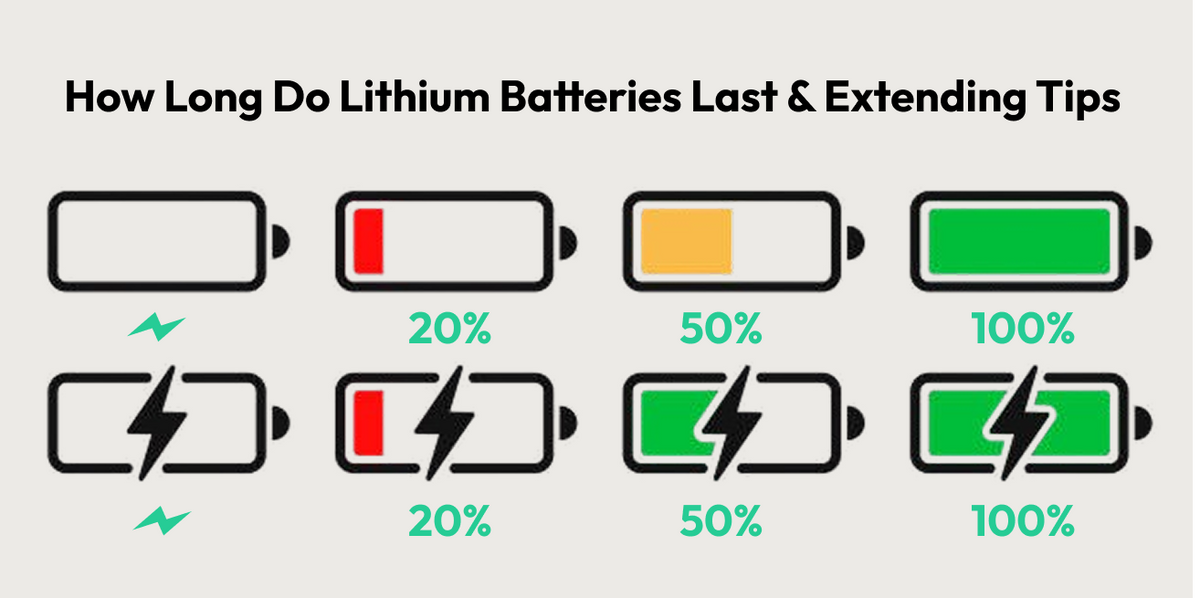
Long-term studies suggest that storing batteries in the fridge may only slightly delay self-discharge, especially for alkaline types. Rechargeable batteries, like NiMH, benefit more noticeably from cooler storage.
Think about how often you use your batteries. If you cycle through them quickly, special storage may not make a big difference. But if you stockpile batteries for months or years, investing time in proper storage could save you money and frustration.
Credit: www.renogy.com
Best Practices For Battery Longevity
Keeping your batteries in good condition can save you money and reduce waste. Knowing how to store and maintain them properly can make a big difference in how long they last. Let’s look at some practical steps you can take to extend your battery life and keep them safe.
Ideal Storage Conditions
Batteries last longer when stored in a cool, dry place away from direct sunlight. Extreme temperatures, both hot and cold, can reduce their effectiveness. While some suggest refrigerating batteries, this can cause moisture buildup, which damages them over time.
Instead, keep batteries at room temperature, around 20°C (68°F), and store them in their original packaging or a sealed container. Avoid leaving them loose in a drawer where they can touch metal objects and cause short circuits.
Handling And Maintenance Tips
Handle batteries with clean, dry hands to prevent corrosion on the terminals. Before use, check for any signs of leakage or damage—discard any that look swollen or rusty. When inserting batteries into devices, make sure they fit properly and align with the positive and negative ends.
If you use rechargeable batteries, avoid fully discharging them regularly, as this can shorten their lifespan. Charging them before they’re completely drained helps maintain their capacity. Also, remove batteries from devices if you don’t plan to use them for a long time to prevent slow leaks.
Disposal And Recycling Guidelines
Throwing batteries in the trash can harm the environment. Many types contain toxic chemicals that can leak into soil and water. Check your local regulations for battery recycling programs or drop-off points.
Some stores offer recycling bins specifically for batteries. You can also find community hazardous waste collection events. Proper disposal keeps harmful materials out of landfills and allows valuable materials to be reused.
When Refrigerator Storage Might Work
Storing batteries in the refrigerator can slow down their self-discharge in some cases. Cooler temperatures help preserve battery life, especially for older types like alkaline. Still, avoid moisture exposure to prevent damage.
When storing batteries in the refrigerator, conditions must be ideal. Cold temperatures slow chemical reactions, potentially extending battery life. But, this approach isn’t universally effective. It depends on battery type and intended use.Type-specific Battery Considerations
Different batteries react differently to cold storage. Alkaline batteries don’t benefit from refrigeration. Their shelf life remains unchanged. Lithium batteries, however, might last longer when refrigerated. The cold can slow their natural discharge rate. Always check manufacturer guidelines before refrigerating.Short-term Preservation Scenarios
For short-term storage, refrigeration can be useful. This method suits those with spare batteries. Or when buying in bulk. It keeps batteries fresh until needed. Ensure they stay in airtight containers. This prevents moisture exposure.Precautions To Avoid Damage
Improper storage can harm batteries. Always use sealed bags or containers. Moisture can cause corrosion. Ensure batteries reach room temperature before use. Rapid temperature changes can lead to condensation. This damages battery terminals. Avoid freezing. Extreme cold can cause irreversible damage.
Credit: www.youtube.com
Credit: battlebornbatteries.com
Frequently Asked Questions
Do Batteries Last Longer In A Refrigerator?
Storing batteries in a refrigerator can slightly slow chemical reactions, potentially extending life. However, modern batteries are designed to work well at room temperature, making refrigeration unnecessary for most users.
Which Batteries Benefit Most From Cold Storage?
Rechargeable nickel-based batteries, like NiMH and NiCd, may benefit from cold storage. Alkaline and lithium batteries generally do not gain significant life extension from refrigeration.
How Should Batteries Be Stored For Maximum Lifespan?
Batteries should be stored in a cool, dry place away from direct sunlight and extreme temperatures. Avoid storing them fully discharged or in humid conditions to maintain performance.
Can Cold Temperatures Damage Batteries?
Extreme cold can reduce battery performance temporarily but usually does not cause permanent damage. Allow batteries to return to room temperature before use for best results.
Conclusion
Storing batteries in the fridge may slow down their aging. Cold temperatures reduce chemical reactions inside batteries. This can help batteries last a bit longer. Yet, moisture inside the fridge can cause damage. Keep batteries dry by sealing them in plastic bags.
Room temperature storage is often enough for most uses. Always check battery type and manufacturer’s advice first. Proper storage helps you get the best battery life. Small steps make a difference in saving money and waste. Choose what works best for your needs and situation.