
Are you planning to move your refrigerator but unsure how heavy it really is? Knowing the weight of your fridge is more important than you might think.
It helps you prepare for moving day, avoid injuries, and choose the right equipment. You’ll discover exactly how much a refrigerator weighs, what affects its weight, and practical tips to handle it safely. Keep reading—you’ll find the answers that make your next move easier and stress-free.

Credit: www.homedepot.com
Factors Affecting Refrigerator Weight
Several factors influence the weight of a refrigerator. Understanding these factors helps in choosing the right model. Weight varies widely depending on design and components.
Materials Used
The type of materials impacts the refrigerator’s weight a lot. Most models use steel, plastic, and insulation foam. Steel adds strength but increases weight. Plastic parts are lighter but less durable. Thick insulation keeps food cold and adds extra weight.
Size And Capacity
Bigger refrigerators usually weigh more because they hold more food. Capacity is measured in cubic feet. A larger capacity means more space inside and heavier parts outside. Compact fridges weigh less but offer less storage.
Additional Features
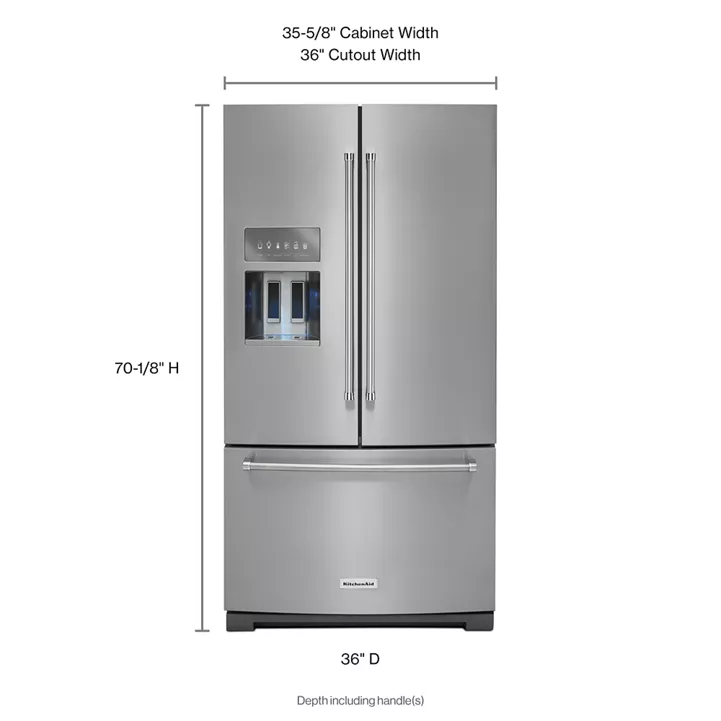
Extra features add to the overall weight. Built-in water dispensers and ice makers add metal parts. Smart technology and digital displays add small components that increase weight. Shelves made of glass or metal also affect the total weight.
Credit: www.kitchenaid.com
Common Refrigerator Sizes
Refrigerators come in various sizes and styles to fit different spaces and needs. Knowing the common sizes helps understand their weight range and capacity. Size affects the appliance’s weight, energy use, and storage space. Below are common refrigerator types and their typical sizes.
Compact Refrigerators
Compact refrigerators are small and lightweight. They usually measure under 4 cubic feet. These models are ideal for dorm rooms or small offices. They weigh between 40 to 60 pounds. Easy to move and fit in tight spaces.
Top Freezer Models
Top freezer refrigerators have the freezer on top and fridge below. Sizes range from 14 to 22 cubic feet. They weigh between 150 and 200 pounds. Classic design, budget-friendly, and energy efficient.
Bottom Freezer Models
Bottom freezer refrigerators place the freezer at the bottom. Sizes usually range from 18 to 25 cubic feet. These models weigh around 200 to 250 pounds. Popular for easy access to fresh food.
Side-by-side Refrigerators
Side-by-side refrigerators split the fridge and freezer vertically. They range from 20 to 28 cubic feet. Weight varies from 250 to 350 pounds. Offer wide shelves and door storage.
French Door Refrigerators
French door refrigerators feature two doors on top and a freezer drawer below. Size varies between 20 and 30 cubic feet. Weight is typically 250 to 350 pounds. Known for style and large storage space.
Typical Weight Ranges By Type
Refrigerator weights vary by type, from compact models weighing around 50 pounds to large French-door units exceeding 300 pounds. Knowing typical weight ranges helps with moving and installation plans. Different styles have different sizes and weights.
Refrigerators come in various sizes, each with a different weight range. Understanding these typical weight ranges helps in planning for transportation or installation. Let’s explore the weight categories for different refrigerator types.Lightweight Compact Models
Compact models are perfect for small spaces. They usually weigh between 40 and 100 pounds. These refrigerators are easy to move and install. Ideal for dorms or small apartments.Mid-size Refrigerators
Mid-size refrigerators cater to average family needs. Their weight ranges from 150 to 250 pounds. They provide ample storage without being too bulky. Suitable for medium-sized kitchens.Heavy-duty Large Models
Large models are designed for big families. They weigh between 250 and 400 pounds. These refrigerators offer extensive storage and additional features. Ensure enough space and support for these hefty units.
Credit: romanmover.com
Impact Of Weight On Installation
The weight of a refrigerator plays a crucial role during installation. It affects how you move, place, and secure the appliance in your kitchen. Ignoring this factor can lead to damage, injury, or costly repairs.
Transport And Handling Tips
Heavier refrigerators need careful handling. Always use a dolly or hand truck designed for heavy loads to prevent accidents. If you try to lift it alone, you risk hurting yourself or dropping the fridge.
Ask a friend or hire professionals if the fridge weighs over 150 pounds. Protect the appliance by wrapping it with blankets during transport. Secure it firmly in your vehicle to avoid shifting.
Floor Support Considerations
Not all floors are built to hold heavy refrigerators. Check if your floor can support the fridge’s weight, especially if you live in an older home or apartment. Weak floors may sag or crack under pressure.
Consider placing a reinforced base or plywood sheet under the fridge to spread the weight evenly. If you notice creaking or bending, pause and reassess the support. Your floor’s condition directly impacts long-term fridge stability.
Space Planning
The fridge’s weight impacts where you can install it. Heavier models are harder to move after placement, so think carefully about the exact spot beforehand. You don’t want to rearrange your kitchen multiple times.
Leave enough clearance for ventilation and door opening without forcing the fridge into tight spots. Have you measured the pathway from your door to the kitchen? Narrow hallways or sharp corners can make moving a heavy fridge a serious challenge.
How To Measure Your Refrigerator’s Weight
Knowing your refrigerator’s weight helps with moving and delivery plans. Measuring it can be simple using available tools or information. Two main ways exist to find the weight: checking manufacturer specs or weighing it yourself. Both methods provide a good estimate for your needs.
Using Manufacturer Specs
Start by checking the user manual or product label. Most manufacturers list the refrigerator’s weight there. You can also visit the brand’s official website. Look for the model number and find its detailed specifications.
The weight is usually given in pounds or kilograms. This method saves time and avoids heavy lifting. It offers an accurate figure because it comes directly from the maker. Keep in mind that this weight often excludes packaging materials.
Weighing Methods At Home
Weighing the refrigerator yourself gives a direct measurement. Use a strong bathroom scale or a luggage scale for this task. If the fridge is too large for the scale, try weighing in parts.
- Place a sturdy piece of wood or cardboard under the fridge feet.
- Lift each corner and place the scale below it one by one.
- Record each reading and add them together for total weight.
Another way is to use a floor scale, common in garages or shipping centers. Always ensure safety when moving the fridge for weighing. Avoid damage to the appliance or injury to yourself during the process.
Weight And Energy Efficiency
The weight of a refrigerator can affect its energy efficiency in several ways. Heavier refrigerators often have more insulation, which helps keep cold air inside. This reduces the energy needed to maintain low temperatures. Energy efficiency is a key factor in choosing a refrigerator, as it impacts electricity bills and environmental footprint.
Correlation Between Weight And Insulation
Heavier refrigerators usually contain thicker insulation layers. This extra insulation keeps cold air from escaping. It helps the fridge maintain temperature with less energy. Lightweight models may use less insulation, leading to higher energy use. Manufacturers balance weight and insulation to optimize performance. Good insulation lowers energy consumption and keeps food fresh longer.
Energy Consumption Trends
Energy-efficient refrigerators tend to be heavier due to better materials. Modern designs use advanced insulation and compressors. These improvements reduce energy use despite the added weight. Energy ratings on appliances show how much power they consume yearly. Choosing a fridge with a high energy rating saves money over time. Energy efficiency standards continue to improve, making new fridges lighter and greener.
Choosing The Right Refrigerator Weight
Choosing the right refrigerator weight is more than just a number on a label. It impacts your kitchen layout, ease of installation, and even how often you might move or upgrade your appliance. Understanding the balance between size and weight will help you select a refrigerator that fits your lifestyle and space perfectly.
Balancing Size And Mobility
Heavier refrigerators often mean larger capacity and more features. But have you considered how that weight affects your ability to move or rearrange your kitchen? If you live in an apartment or plan to relocate frequently, a lighter model might save you from future hassles.
On the other hand, a compact fridge can weigh as little as 100 pounds, making it easier to handle during delivery or cleaning. Larger side-by-side or French door models can weigh over 300 pounds, requiring more effort and possibly professional help to move.
Think about your kitchen space and how often you might need to move your fridge. Does a heavier, feature-rich model suit your needs, or would a lighter, more mobile option work better?
Weight Limits For Delivery And Setup
Delivery services often have specific weight limits for appliances they can carry up stairs or through narrow hallways. Ignoring these limits can lead to extra fees or even the need to rent special equipment. It’s smart to check with your delivery team about weight restrictions before buying.
Some delivery companies offer setup services that include placing the fridge in its final spot. Heavier units might increase the setup cost or require two or more movers. Knowing the weight ahead lets you budget accurately and avoid surprises.
Also, consider your home’s entry points and door widths. Can your fridge’s weight and size fit through without damage? Planning ahead can save you from costly delays and frustration during installation.
Frequently Asked Questions
How Much Does A Standard Refrigerator Weigh?
A standard refrigerator typically weighs between 150 and 250 pounds. The exact weight depends on size, model, and features like ice makers or double doors.
What Affects A Refrigerator’s Weight The Most?
Size, materials, and added features like compressors or water dispensers mainly affect refrigerator weight. Larger, feature-rich models weigh significantly more.
Can Refrigerator Weight Impact Delivery Costs?
Yes, heavier refrigerators increase delivery and installation costs. Transporting and handling larger, heavier models require more effort and special equipment.
Do Compact Refrigerators Weigh Less Than Full-size Ones?
Compact refrigerators generally weigh between 50 and 100 pounds, much less than full-size models, making them easier to move and install.
Conclusion
Refrigerator weights vary by size and type. Small models weigh less, usually under 100 pounds. Larger, full-size fridges can weigh over 300 pounds. Knowing the weight helps with moving and installation plans. Always check the product details before buying. This saves effort and avoids surprises.
Keep weight in mind for your space and needs. Choosing the right fridge becomes easier with this info. Weight matters more than you might think. Simple facts, big help.