
Are you wondering if you need to refrigerate your buttercream frosting? It’s a common question that can make or break your baking plans.
You want your frosting to stay fresh, creamy, and perfect for decorating—but should it sit out on the counter or chill in the fridge? The answer might surprise you and can save you from frosting disasters. Keep reading to find out exactly when and how to store your buttercream so it stays delicious and safe to eat every time.
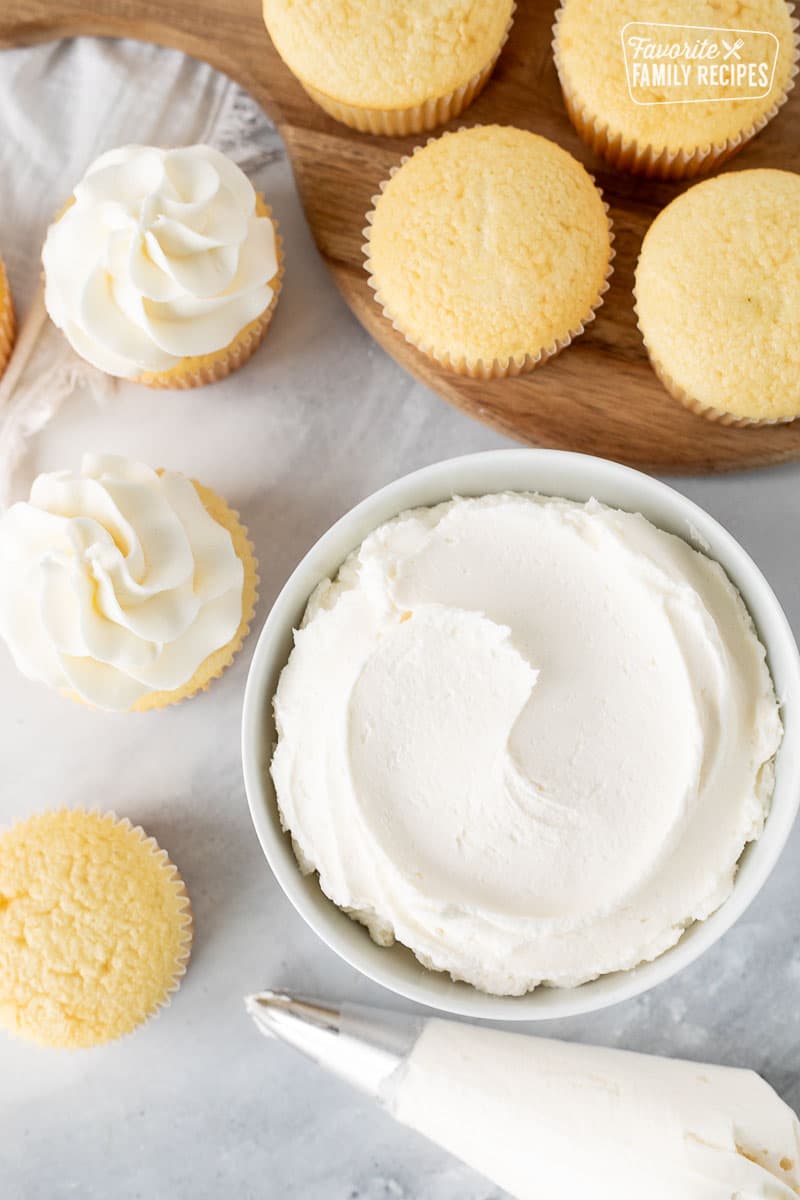
Credit: www.favfamilyrecipes.com
Buttercream Basics
Buttercream frosting is a classic choice for cakes and cupcakes, loved for its creamy texture and sweet flavor. But before you dive into decorating, understanding the basics of buttercream is key to knowing how to store it properly. Let’s look at the types of buttercream and the ingredients that affect whether you should refrigerate it or not.
Types Of Buttercream
Buttercream isn’t just one recipe; it comes in several varieties, each with its own texture and storage needs. The most common types include:
- American Buttercream:Made with butter and powdered sugar, it’s sweet and easy to make. It’s stable at room temperature for short periods but can become too soft in heat.
- Swiss Meringue Buttercream:Made by whipping egg whites and sugar, then adding butter. It’s lighter and smoother but needs refrigeration to keep its texture.
- Italian Meringue Buttercream:Similar to Swiss but uses a hot sugar syrup, making it more stable. Still, refrigeration is recommended for safety and consistency.
- French Buttercream:Uses egg yolks, sugar syrup, and butter, creating a rich and silky frosting. It must be refrigerated due to the egg yolks.
Knowing which type you’re working with helps you decide on storage and how long it will last.
Ingredients Impacting Storage
The ingredients in your buttercream play a big role in whether it needs to be refrigerated. Butter, eggs, and cream all affect how long your frosting stays fresh.
- Butter:Pure butter can stay at room temperature for a day or two, but heat will soften it quickly. If your kitchen is warm, refrigeration is safer.
- Eggs:If your recipe contains raw or lightly cooked eggs, like Swiss or French buttercream, refrigeration is essential to prevent foodborne illness.
- Cream or Milk:Some recipes add dairy for texture, which also means you should keep the frosting cold to avoid spoilage.
Have you ever left buttercream out overnight and wondered if it’s still safe? Understanding these ingredients helps you decide the best storage method and avoid wasting your delicious frosting.
When To Refrigerate Buttercream
Knowing when to refrigerate buttercream frosting helps keep it fresh and safe. Buttercream can last at room temperature for a while, but some conditions need cold storage. Understanding these situations prevents spoilage and maintains taste and texture.
Buttercream With Perishable Ingredients
Buttercream made with cream cheese, milk, or fresh cream should be refrigerated. These ingredients spoil quickly at room temperature. Keep this type of buttercream in the fridge to avoid bacteria growth. Always cover it well to stop it from drying out or absorbing fridge odors.
Climate And Temperature Considerations
In warm or humid places, buttercream needs refrigeration. Heat can melt the butter and cause the frosting to separate. If your kitchen feels warm, store buttercream in the fridge. Cold temperatures keep it firm and fresh for longer. On cooler days, room temperature storage may be fine for a short time.
Storage Methods For Buttercream
Knowing how to store buttercream frosting is essential. Proper storage keeps it fresh and tasty. Each method has its benefits. Discover the best storage methods for your needs.
Room Temperature Storage
Buttercream can sit at room temperature for a short time. Ideal for same-day use. Keep it in a cool, dry place. Avoid direct sunlight or heat. It may spoil if left out too long.
Refrigeration Tips
Refrigerating buttercream extends its freshness. Store it in an airtight container. This prevents drying and absorbs fridge odors. Before use, let it come to room temperature. Stir well to regain its smooth texture.
Freezing Buttercream
Freezing is great for long-term storage. Place buttercream in a freezer-safe container. Seal tightly to avoid freezer burn. Label with the date for reference. Thaw in the fridge when ready to use. Beat it lightly to restore its creaminess.
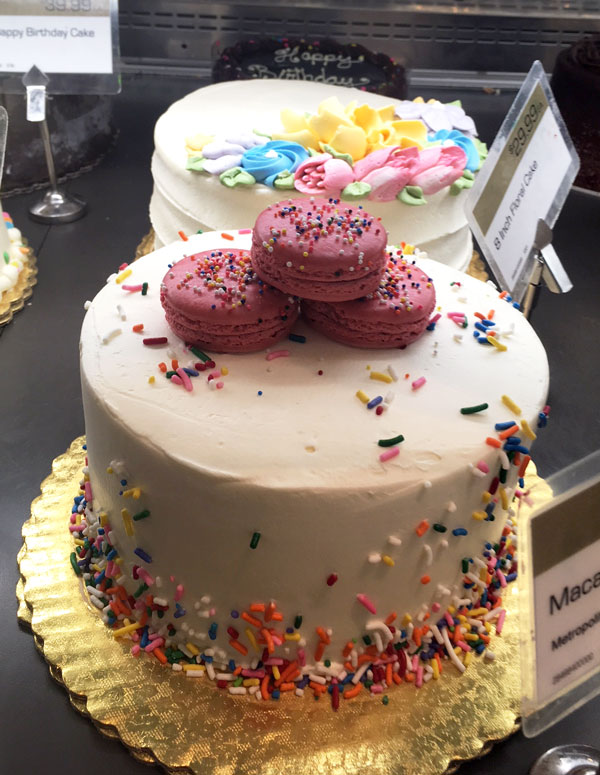
Credit: savorysweetlife.com
Effects Of Refrigeration On Buttercream
Refrigeration affects buttercream in several ways. It changes how the frosting looks and tastes. Understanding these effects helps keep your buttercream fresh and tasty.
Texture Changes
Cold buttercream becomes firm and stiff. It may feel hard when you try to spread it. This can make decorating tricky. Letting it warm at room temperature softens it again. The texture becomes smooth and easy to work with.
Sometimes, refrigeration causes buttercream to separate. The butter and sugar might not blend well. Whisking the frosting can bring it back to normal. Keep in mind, repeated cooling and warming can affect texture quality.
Flavor Preservation
Refrigeration slows down flavor loss. Buttercream stays fresh longer in the fridge. It keeps its rich, sweet taste without going bad. However, cold temperatures can dull flavors slightly. Letting it sit at room temperature before serving enhances taste.
Storing buttercream in an airtight container helps protect flavors. It stops the frosting from absorbing other smells in the fridge. Proper storage maintains the original flavor and freshness for days.
Reviving Refrigerated Buttercream
Buttercream frosting often needs refrigeration to stay fresh longer. Chilling can make it firm and hard to spread. Reviving refrigerated buttercream helps restore its creamy texture and smooth taste. Simple steps bring it back to life for decorating cakes or cupcakes.
Bringing To Room Temperature
Take the buttercream out of the fridge. Leave it on the counter for 30 to 60 minutes. Watch it soften but not melt. Cold buttercream is stiff and hard to work with. Room temperature allows it to loosen without losing shape.
Check texture by touching gently. It should feel soft and spreadable. Avoid rushing by microwaving. Heat can melt and ruin the consistency. Patience is key for perfect buttercream.
Re-whipping Techniques
Use a hand mixer or stand mixer. Beat the buttercream on low speed first. This breaks up any clumps formed during refrigeration. Increase speed to medium and whip until smooth.
Re-whipping adds air back into the frosting. This makes it light and fluffy again. If too soft, chill briefly for 10-15 minutes. Then whip again to reach the ideal texture.
For very stiff buttercream, add a teaspoon of milk or cream. Mix gently while whipping. This helps loosen the mixture without making it runny.
Common Mistakes To Avoid
Buttercream frosting can be tricky to handle, especially when it comes to storage. Many people make avoidable mistakes that affect the texture and taste of their frosting. Knowing what to avoid can save you from disappointing results and wasted effort.
Not Refrigerating When Necessary
Buttercream made with fresh cream cheese or whipped cream needs refrigeration to prevent spoilage. If you skip this step, your frosting might turn sour or melt unexpectedly. Ask yourself: how long will the frosting sit out before serving? If more than a couple of hours, refrigerate it.
Refrigerating Too Soon
Putting buttercream in the fridge immediately after making it can harden the frosting and make it difficult to spread. Allow it to sit at room temperature for a bit to soften before chilling. Have you noticed your frosting becomes stiff and crumbly after refrigeration? This is why timing matters.
Not Covering Properly
Exposure to air causes buttercream to dry out and form a crust. Always cover your frosting tightly with plastic wrap or store it in an airtight container. Imagine opening your cake to find a cracked, dry frosting layer—avoiding this is simple with proper storage.
Overmixing After Refrigeration
After chilling, buttercream can separate if overmixed. Gently stir to bring it back to a spreadable consistency without beating it vigorously. Have you ever whipped your refrigerated frosting only to end up with a greasy mess? Gentle handling is key.
Ignoring Room Temperature Ingredients
Using cold butter or eggs can cause the frosting to curdle or become lumpy. Make sure all ingredients are at room temperature before you start. How often do you check your ingredient temperatures before mixing? This small step improves your frosting’s smoothness significantly.

Credit: www.spatuladesserts.com
Frequently Asked Questions
Do You Need To Refrigerate Buttercream Frosting?
Buttercream frosting can be kept at room temperature for up to two days. Refrigerate if storing longer or if it contains perishable ingredients like cream cheese.
How Long Does Buttercream Last Unrefrigerated?
Buttercream frosting lasts about two days at room temperature. Keep it covered to avoid drying or contamination during this time.
Can Buttercream Frosting Spoil If Not Refrigerated?
Yes, buttercream can spoil if left unrefrigerated for too long, especially in warm conditions or if it has dairy ingredients.
Does Refrigeration Change Buttercream Frosting Texture?
Refrigeration can make buttercream stiff and hard. Bring it to room temperature and re-whip before use for a smooth texture.
Conclusion
Buttercream frosting can stay fresh without always needing refrigeration. Keep it covered at room temperature for short times. Cooler weather means frosting lasts longer without spoiling. For longer storage, refrigerate to keep it safe. Let refrigerated frosting soften before spreading.
Simple steps help your frosting taste just right. Enjoy your cakes with perfect, creamy frosting every time. Remember, proper storage keeps frosting fresh and delicious. Easy care makes baking more enjoyable for you.