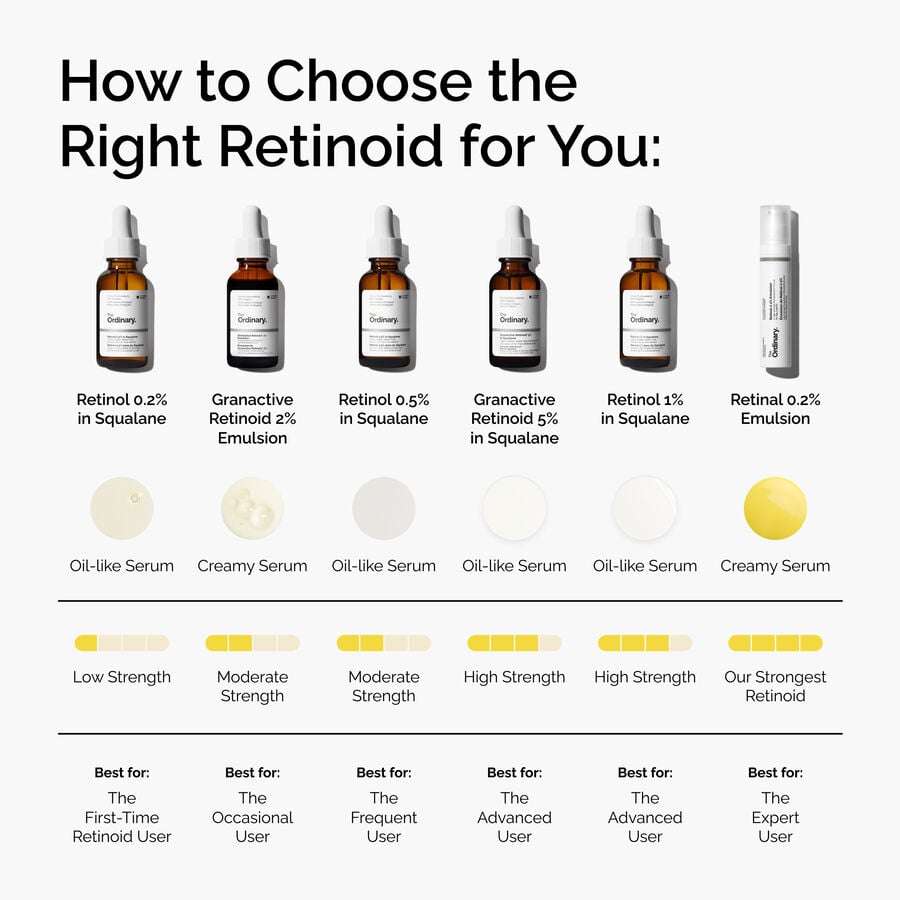
Are you unsure if your retinol needs to be kept in the fridge? You want to make sure you’re using it the right way to get the best results for your skin.
Storing retinol properly can make a big difference in how well it works. Keep reading to find out the simple truth about retinol storage and how you can protect your skincare investment every day.
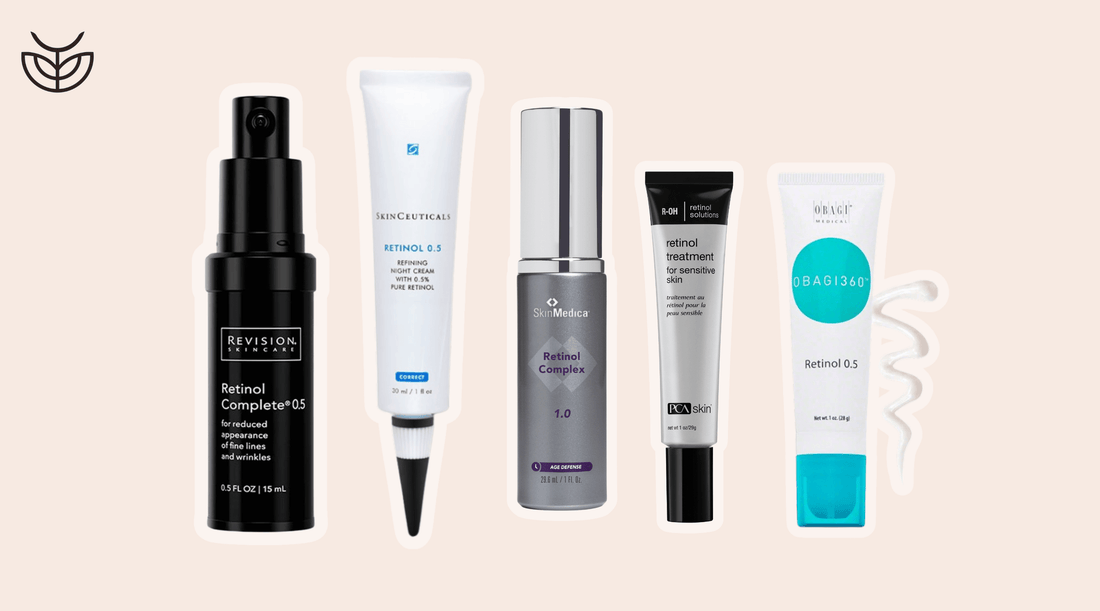
Credit: exclusivebeautyclub.com
Retinol Basics
Understanding retinol is key to using it well in your skincare routine. This section covers the basics of retinol and why how you store it matters. Clear, simple facts help you get the most from this popular ingredient.
What Is Retinol?
Retinol is a form of vitamin A. It helps improve skin texture and reduce wrinkles. Retinol speeds up cell turnover, making skin look fresh. Many use it to treat acne and signs of aging. It works by boosting collagen production. Retinol comes in creams, serums, and oils. It is powerful but can cause irritation if used too much.
Why Storage Matters
Retinol is sensitive to light, heat, and air. These can break down retinol and make it less effective. Poor storage leads to a weaker product. The skin benefits decrease over time if retinol is not stored right. Proper storage keeps retinol stable and safe. Many products recommend keeping retinol away from direct sunlight. Some users wonder if refrigeration helps keep it fresh. The right temperature slows down retinol’s breakdown. This means longer-lasting results from your skincare.
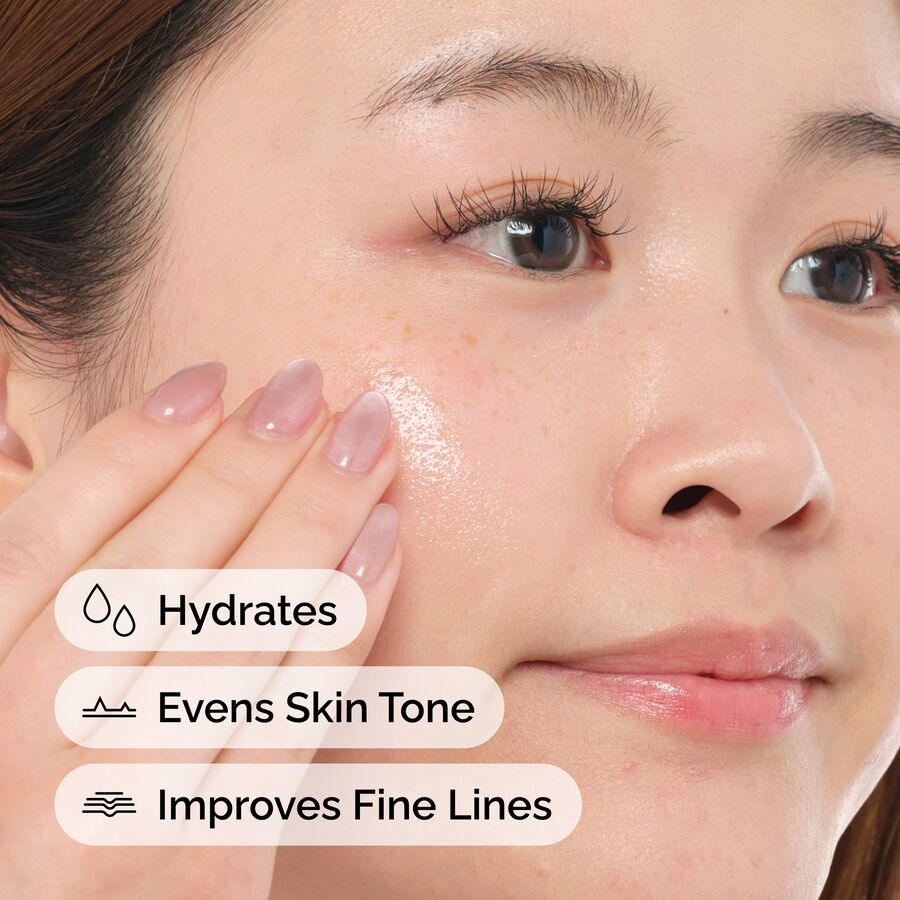
Credit: theordinary.com
Factors Affecting Retinol Stability
Retinol is a powerful ingredient loved for its skin benefits, but its effectiveness depends heavily on how stable it remains over time. Various factors can cause retinol to break down, making it less potent or even irritating to your skin. Understanding what affects retinol’s stability helps you store and use it better, ensuring you get the most out of your skincare routine.
Impact Of Light Exposure
Light exposure is one of the biggest enemies of retinol. When retinol meets sunlight or strong indoor lighting, it can degrade quickly, losing its effectiveness. This is why many retinol products come in dark or opaque packaging—to protect the formula from light damage.
Have you noticed your retinol cream getting yellow or smelling odd? That’s often a sign it’s been exposed to too much light. Keep your retinol in a cool, dark place away from windows and direct sunlight to preserve its strength.
Effect Of Air And Oxygen
Air and oxygen exposure can also cause retinol to break down. Every time you open your retinol container, oxygen interacts with the formula, which can reduce its potency over time. This is a common reason why pump bottles are preferred—they limit air exposure better than jars.
To protect your retinol, make sure to close the lid tightly after each use. Consider using products with airless pumps or tubes. These packaging choices help keep oxygen away from the retinol and extend its shelf life.
Temperature Sensitivity
Retinol is sensitive to temperature changes. Storing it in a hot or humid environment speeds up its breakdown, while very cold temperatures might alter its texture or effectiveness. This is why some people wonder if retinol needs to be refrigerated.
Keeping retinol in a cool, dry place is usually enough. However, if you live in a hot climate or don’t have air conditioning, refrigeration can help maintain its stability. Just avoid freezing it, as extreme cold can also damage the formula.
Refrigeration And Retinol
Retinol is a popular skincare ingredient known for its anti-aging benefits. Many wonder if it needs refrigeration to maintain its effectiveness. Refrigeration can impact retinol’s stability and lifespan, but it’s not always required. Understanding the relationship between refrigeration and retinol helps users maximize their skincare results.
Benefits Of Refrigerating Retinol
Refrigerating retinol can enhance its shelf life. Cold temperatures slow down chemical reactions. This can help preserve the active ingredients. Refrigeration can also reduce irritation. Cold retinol can soothe the skin when applied. It’s especially beneficial for sensitive skin types.
When Refrigeration Is Not Necessary
Retinol doesn’t always need refrigeration. Many formulations are stable at room temperature. Check the product’s packaging for storage instructions. Some retinol products include stabilizers. These ingredients help maintain effectiveness without cooling. Ensure the storage area is cool and dark. Avoid direct sunlight and extreme heat. This can degrade the product over time.
Best Storage Practices
Proper storage is key to keeping retinol effective and safe to use. Retinol breaks down when exposed to heat, light, and air. Storing it correctly helps maintain its strength and prevents irritation. Follow these best storage practices to protect your retinol products.
Ideal Storage Conditions
Keep retinol in a cool, dark place away from sunlight. The ideal temperature is below 77°F (25°C). Avoid storing it in warm or humid areas like bathrooms. A bedroom drawer or cabinet works well. Consistent temperature helps preserve the product’s potency.
Packaging And Container Tips
Choose retinol products in opaque or amber bottles. These block light and reduce oxidation. Air-tight containers prevent exposure to oxygen, which degrades retinol. Pumps or tubes are better than jars. Always close the lid tightly after use to keep air out.
Avoiding Common Storage Mistakes
- Do not leave retinol near windows or under direct light.
- Avoid storing it in the bathroom where humidity is high.
- Never keep retinol open for long periods without sealing.
- Do not mix retinol with other skincare products in one container.
- Discard retinol products past their expiration date to avoid irritation.
Signs Retinol Has Expired
Retinol is a powerful skincare ingredient, but like all active compounds, it doesn’t last forever. Knowing the signs that your retinol has expired helps you avoid wasting money and prevents potential skin irritation. Paying attention to changes in color, smell, and effectiveness can save your skin from unwanted reactions.
Changes In Color And Smell
Retinol usually starts as a clear or pale yellow serum or cream. If you notice it turning a darker yellow, orange, or brown, that’s a red flag. This discoloration means the retinol is breaking down and losing its potency.
Smell is another important clue. Retinol should have a mild, almost neutral scent. If your product smells sour, rancid, or chemically strong, it’s likely expired. Trust your nose here—using a product with a strange odor can irritate your skin.
Effectiveness Loss Indicators
Have you been using your retinol but seeing no improvements? If your skin stops responding or you notice breakouts and dryness increasing, the retinol might have lost its strength. Expired retinol doesn’t deliver the same benefits and might even cause adverse effects.
Also, check the texture. If the product feels grainy, separated, or unusually thick, it’s a sign of degradation. Using expired retinol is like putting on a shield that no longer protects—you need the real deal to get results.
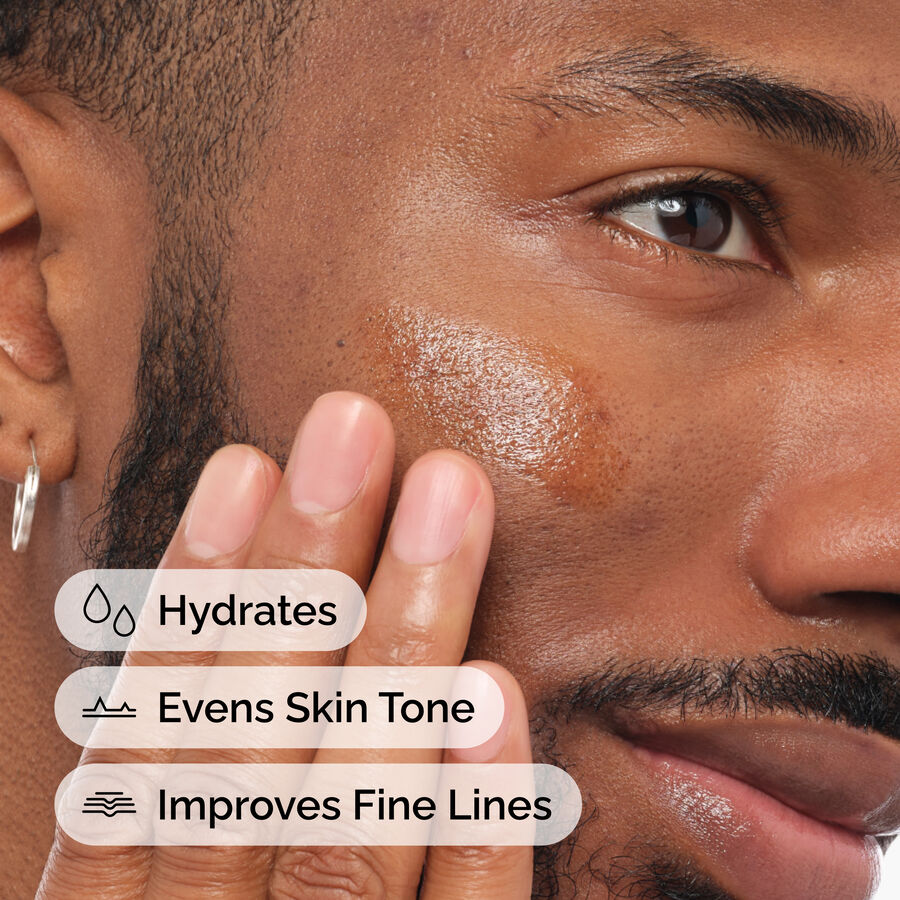
Credit: theordinary.com
Tips For Using Retinol Safely
Retinol is a powerful skincare ingredient. Using it safely helps protect your skin and gets the best results. Follow simple tips to avoid irritation and keep retinol effective.
Proper Application Techniques
Apply retinol on clean, dry skin. Use a pea-sized amount for your entire face. Avoid the eye area and corners of the nose. Start with a low concentration to let your skin adjust. Apply it at night to reduce sun sensitivity. Use gentle, upward strokes to spread the product evenly. Wait a few minutes before applying moisturizer. This helps reduce dryness and redness.
Storage During Travel
Keep retinol in a cool, dark place while traveling. Avoid direct sunlight and high temperatures. Use a small, airtight container to prevent exposure to air. Carry it in your carry-on bag, not in checked luggage. Avoid storing it in the bathroom where heat and moisture are high. If refrigeration is not possible, keep it in a shaded, cool spot. Proper storage helps maintain retinol’s stability and strength.
Frequently Asked Questions
Does Retinol Need Refrigeration For Effectiveness?
Retinol does not require refrigeration to remain effective. However, storing it in a cool, dark place helps maintain potency longer. Avoid heat and sunlight, which can degrade retinol and reduce its benefits.
What Happens If Retinol Is Not Refrigerated?
If retinol is not refrigerated but kept in a cool, dry place, it stays stable. Excessive heat or sunlight may cause oxidation, reducing its effectiveness and shelf life. Refrigeration can extend longevity but is not mandatory.
Can Refrigeration Prevent Retinol Irritation?
Refrigeration may slightly reduce retinol irritation by soothing the skin during application. However, the main benefit is preserving retinol’s stability. Use sunscreen daily and start with a low concentration to minimize irritation.
How Should I Store Retinol Products At Home?
Store retinol in a cool, dark cabinet away from direct sunlight and heat. A consistent room temperature is usually sufficient. Refrigeration is optional but can prolong shelf life and preserve product quality.
Conclusion
Retinol stays fresh longer when stored correctly. Keep it away from heat and light. A cool, dark place works well. Refrigeration can help but is not always needed. Always check product instructions for best care. Proper storage keeps retinol effective for your skin.
Small steps make a big difference in results. Protect your skincare investment by storing retinol wisely. Simple care ensures you get the most benefit. Easy habits lead to healthy, glowing skin.