
Are you wondering if you should put corn in the husk in the fridge or leave it out on the counter? You’re not alone.
How you store your corn can make a big difference in its freshness and taste. Imagine biting into sweet, juicy corn that tastes like it was just picked. Sounds great, right? But if you store it the wrong way, you might lose that flavor faster than you expect.
Keep reading to find out the best way to keep your corn fresh and delicious for as long as possible.
Fresh Corn In Husk
Fresh corn in husk looks natural and fresh right from the farm. The green husk covers the kernels tightly, keeping them safe. This outer layer plays a big role in keeping the corn fresh and tasty for longer. Understanding how the husk protects the corn can help you decide if refrigeration is needed.
Natural Protection Of Husk
The husk acts like a natural shield for the corn. It covers the kernels, blocking dirt and insects. This layer also guards against damage during transport. The husk slows down the drying process by keeping air away from the kernels. This helps the corn stay fresh without any extra wrapping.
Moisture Retention Benefits
The husk holds moisture inside the corn tightly. Moisture keeps the kernels juicy and sweet. Without the husk, the corn dries out faster and loses flavor. The natural moisture barrier helps the corn stay crisp and tender longer. This is why corn in husk often needs less immediate refrigeration than shucked corn.

Credit: www.canr.msu.edu
Refrigeration Effects
Refrigerating corn in its husk can change how it tastes and feels when you finally cook it. Understanding these changes helps you decide the best way to store your corn so you get the most enjoyment from it. Let’s look at what happens to the sweetness, flavor, and texture when corn meets the cold.
Preserving Sweetness And Flavor
Keeping corn in the fridge slows down the process where its natural sugars turn into starch. This means your corn stays sweet longer, especially if you can’t eat it right away. I once left corn out for a day and noticed it lost its fresh taste, but after refrigerating, the sweetness was almost like it was just picked.
Refrigeration also helps maintain the corn’s fresh flavor by reducing the growth of bacteria and mold. The husk acts like a natural barrier, protecting the kernels while they chill. So, if you want your corn to taste fresh and sweet for a few extra days, refrigeration is a good option.
Potential Drawbacks Of Cold Storage
However, cold storage isn’t perfect. The cold can sometimes cause the husk to dry out, which may lead to tougher kernels. If the husk dries too much, the corn might lose some of its juiciness and become less enjoyable to eat.
Another issue is that moisture trapped inside the husk can create a damp environment, encouraging mold growth if the corn is stored too long. Have you noticed any slimy spots or off smells on refrigerated corn? That’s a sign the cold storage may have backfired.
To avoid these problems, try wrapping the corn loosely in a paper towel before refrigerating. This helps balance moisture and keeps the husk from drying out too fast. What’s your experience with storing corn in the fridge? Have you found tricks that keep it tasting just right?
Storing Corn At Room Temperature
Storing corn in its husk at room temperature is possible for a short time. The husk helps protect the kernels from drying out. It also keeps the corn fresher than if it were husk-free. Proper conditions can extend the corn’s freshness for a few days without refrigeration.
Ideal Conditions For Short-term Storage
- Keep corn in a cool, dry place away from direct sunlight.
- A temperature between 50°F and 70°F is best.
- Place corn in a paper bag to allow airflow and prevent moisture buildup.
- Avoid plastic bags, which trap moisture and cause mold.
- Store corn away from ethylene-producing fruits like apples or bananas.
Signs Of Spoilage
- Husk turns brown or feels slimy to touch.
- Kernels look shriveled, dry, or have dark spots.
- A sour or off smell comes from the corn.
- Mold appears on the husk or kernels.
- The corn feels soft or mushy when pressed.
Best Practices For Refrigeration
Storing corn in the husk properly can make a big difference in how fresh and tasty it stays. Refrigeration slows down the natural sugars turning into starch, which keeps the corn sweet longer. But just tossing it in the fridge isn’t enough—you need to handle it right to get the best results.
How To Prepare Corn For The Fridge
Keep the husk on while refrigerating the corn. The husk acts like a natural barrier, protecting the kernels from drying out and absorbing fridge odors.
If the corn is wet, gently pat it dry with a paper towel to prevent mold growth. Avoid washing the corn before storing—it’s better to clean it just before cooking.
Wrap the corn loosely in a damp paper towel, then place it in a perforated plastic bag. This setup keeps moisture balanced without trapping too much humidity, which can cause spoilage.
Optimal Storage Duration
Fresh corn in the husk can last about 1 to 3 days in the fridge before the quality starts to decline. Beyond that, the kernels may lose their sweetness and become tough.
Think about how soon you plan to use the corn. If you’re not cooking it within a couple of days, consider freezing it after blanching to keep it fresh longer.
Regularly check your stored corn for any signs of mold or shriveling. Have you ever found corn in your fridge that looked fine but tasted bland? That’s a sign it’s past its prime.
Freezing Corn In Husk
Corn in the husk does not always need refrigeration if used within a day or two. For longer storage, refrigerate to keep it fresh and prevent spoilage. Freezing corn in the husk preserves its flavor and texture for months.
Freezing corn in husk can preserve its sweet, juicy flavor. This method locks in freshness, offering a taste of summer all year round. Fresh corn is perfect for freezing because it retains its natural sugars. Keeping the husk intact protects the corn from freezer burn. It also helps maintain moisture, ensuring a delicious taste upon thawing.Preparation Steps
Remove any loose or damaged husks from the corn. Leave the inner husks intact. Trim the silk sticking out from the top. This keeps the corn neat and compact. Wash the corn in cool water. This removes dirt and pesticides. Dry the corn with a clean towel. Moisture can cause ice crystals, impacting texture. Place corn in a freezer-safe bag. Squeeze out excess air before sealing. Label the bag with the date. This helps track storage time.Maintaining Quality After Thawing
Thaw corn in the fridge overnight. This ensures even thawing. Remove husks before cooking. Boil or grill the corn for best results. Avoid microwaving as it may affect texture. Season the corn with butter, salt, and pepper. Enjoy the sweet, juicy flavor. Proper storage ensures corn tastes fresh and delicious. Keep frozen corn for up to six months for best quality.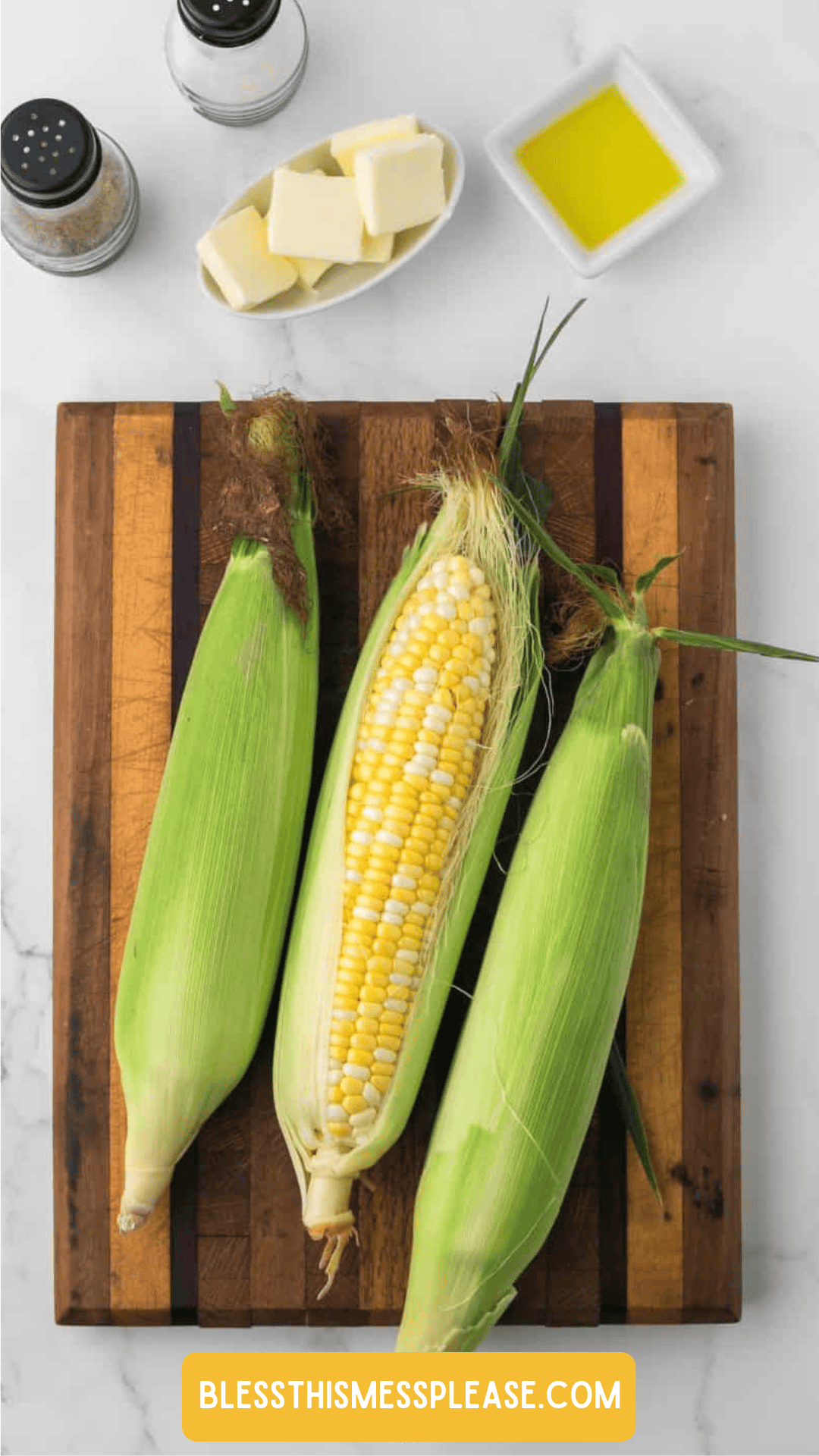
Credit: www.blessthismessplease.com
Common Storage Mistakes
Storing corn in its husk might seem straightforward, but many people make mistakes that reduce its freshness and flavor. Understanding these common errors can help you keep your corn sweet and crisp for longer. Let’s look at two frequent storage pitfalls you should avoid.
Removing Husk Too Early
Taking off the husk right after buying or picking corn may seem like a good idea to check the kernels. However, the husk acts as a natural protective layer that locks in moisture and prevents the corn from drying out quickly.
Without the husk, the kernels can become tough and lose their sweetness. If you want to store corn for a few days, keep the husk on until you’re ready to cook it. This small step can make a big difference in taste and texture.
Ignoring Temperature Recommendations
Many people leave corn out at room temperature, thinking it’s fine for a short time. But corn is highly perishable and should be refrigerated to maintain its quality.
Failing to store corn in a cool environment speeds up sugar-to-starch conversion, making the kernels less sweet and more chewy. Keep your corn in the fridge as soon as possible, ideally in its husk and wrapped in a plastic bag to preserve moisture.

Credit: www.aol.com
Frequently Asked Questions
Does Corn In Husk Need Refrigeration?
Yes, corn in husk should be refrigerated to maintain freshness. The husk helps protect kernels but does not prevent spoilage. Keeping it cold slows sugar loss and mold growth, preserving sweetness and texture longer.
How Long Can Corn In Husk Stay Unrefrigerated?
Corn in husk can stay at room temperature for 1-2 days. Beyond that, kernels may dry out or ferment. For best taste, refrigerate corn as soon as possible after purchase.
Can Corn In Husk Be Frozen Without Cooking?
Yes, you can freeze corn in husk without cooking. Blanching before freezing is recommended for best quality. Wrap tightly in plastic to prevent freezer burn and preserve flavor.
Should Corn In Husk Be Washed Before Refrigeration?
Avoid washing corn in husk before refrigeration. Moisture can promote mold and spoilage. Wash corn just before cooking to keep it fresh longer.
Conclusion
Corn in husk stays fresh longer when stored in the fridge. Keep it cool to slow down spoilage and keep sweetness. Room temperature makes corn lose flavor faster. For best taste, use corn within a few days. Avoid washing corn before storing to prevent mold.
Simple steps help keep your corn tasty and fresh. Enjoy sweet corn anytime by storing it right. Freshness matters, and cold storage helps preserve it well.