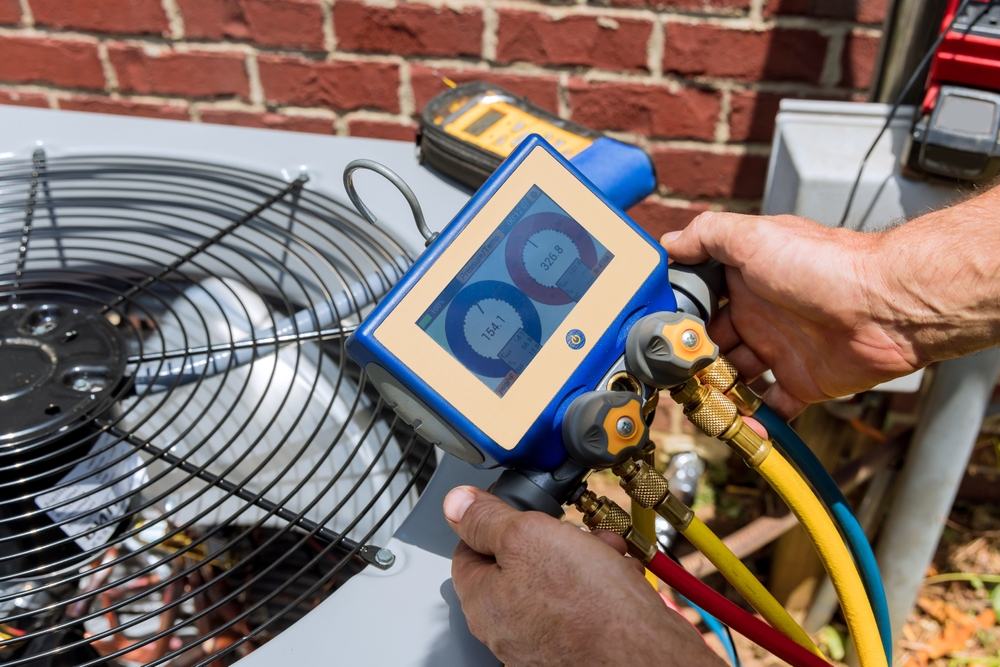
Have you ever caught a strange smell coming from your air conditioner and wondered what it could be? If you’re curious about what air conditioning refrigerant smells like, you’re not alone.
Understanding this scent can help you spot potential problems early and keep your home safe and comfortable. You’ll discover exactly what that smell means and why it matters for your AC system. Keep reading—you won’t want to miss these important insights!
Common Refrigerant Scents
Air conditioning refrigerants release distinct smells when they leak or evaporate. Recognizing these scents helps identify possible issues early. The odors vary but often fall into common categories. Understanding these can aid in quick detection and safe handling.
Chemical And Sweet Notes
Many refrigerants have a sharp chemical smell. Some give off a sweet scent, similar to ether or nail polish remover. This odor is often strong and can linger in the air. It signals a refrigerant leak, which needs immediate attention.
Ozone-like Odors
Occasionally, refrigerants emit an ozone-like smell. This scent is sharp and clean, resembling the air after a thunderstorm. It occurs due to chemical reactions involving refrigerant gases. Detecting this smell suggests a leak or breakdown in the system.
Earthy Or Musty Smells
Sometimes, leaks cause an earthy or musty odor. This smell is subtle and can be confused with mold or mildew. It happens when refrigerant mixes with dust and moisture. This scent warns of hidden leaks or system damage needing repair.
Credit: subzerotempcontrol.com
Sources Of Refrigerant Smells
Noticing a strange smell coming from your air conditioning can be unsettling. Understanding where refrigerant smells originate helps you address the issue quickly and safely. Let’s break down the common sources that might cause those unexpected odors in your system.
Leaks And Their Causes
Leaks are the most frequent source of refrigerant smells. They often occur at joints, seals, or hoses where the refrigerant escapes into the air.
Wear and tear, physical damage, or poor installation can create these leaks. If you spot an oily residue around AC components, it might indicate escaping refrigerant mixed with lubricant. Have you checked your system for any visible signs of leakage lately?
Compressor And Coil Issues
The compressor and coils play vital roles in cooling your air. When these parts malfunction, they can cause unusual smells, including those similar to refrigerant.
Overheating compressors may emit a sweet or chemical odor. Dirty or frozen coils can trap moisture, leading to mold-like smells that sometimes mix with refrigerant odors. Regular maintenance keeps these parts clean and functional, preventing unwanted scents.
Contaminants In The System
Refrigerant systems aren’t sealed from all contaminants. Dust, dirt, and moisture can sneak in, reacting with refrigerant or oils inside the system.
This reaction often produces foul or chemical odors. A clogged filter or dirty evaporator coil can worsen this problem, causing the smell to spread through your home. When was the last time you replaced your AC filter or cleaned the coils?
Health Risks Linked To Refrigerant Odors
When your air conditioning system emits an unusual odor, it’s not just an unpleasant surprise—it could be a warning sign of potential health risks. Refrigerant, a crucial component in your AC, can sometimes leak and produce a distinct smell. Recognizing these odors and understanding the health implications is vital for your well-being.
Short-term Exposure Effects
Even brief exposure to refrigerant odors can cause immediate discomfort. You might experience headaches, dizziness, or irritation of the eyes, nose, and throat. Have you ever noticed a peculiar chemical smell in a confined space? That’s a clue to be cautious.
For those with respiratory issues, such as asthma, these symptoms could worsen quickly. It’s crucial to identify the source and ventilate the area promptly. Opening windows can help, but it’s a temporary fix.
Long-term Health Concerns
Prolonged exposure to refrigerant leaks is more than just a nuisance—it poses serious health risks. Over time, inhaling these chemicals can lead to more severe respiratory issues and even damage your internal organs. Imagine living day in and day out with a hidden threat in your home.
Children and pets are particularly vulnerable. Their developing systems are more sensitive to toxins, making it essential to address refrigerant leaks swiftly and efficiently. Regular maintenance of your AC unit can prevent these long-term dangers.
When To Seek Medical Help
If you or your family members start experiencing persistent symptoms after noticing a refrigerant smell, it’s time to act. Don’t wait for symptoms to escalate. Seek medical advice to rule out any serious complications.
Emergency help is crucial if symptoms like difficulty breathing or chest pain occur. These can be signs of severe exposure and shouldn’t be ignored. Remember, your health is paramount, and taking prompt action can prevent further harm.
Detecting Refrigerant Leaks By Smell
Detecting refrigerant leaks by smell is a useful way to spot problems early. Refrigerants often have a distinct odor added to help identify leaks. Knowing what to smell for can protect your home and health.
Recognizing these smells quickly helps prevent costly damage. Refrigerant leaks can reduce cooling efficiency and harm the environment. Using your senses carefully is important for safety.
Signs To Watch For
- A sweet, ether-like smell near your air conditioner
- A sharp, chemical odor around vents or coils
- Hissing or bubbling sounds indicating gas escape
- Reduced cooling performance without other issues
- Frost or ice buildup on refrigerant lines
Using Your Senses Safely
Do not inhale deeply near suspected leaks. Refrigerants can irritate your eyes, nose, and throat. Open windows and doors to ventilate the area. Avoid smoking or sparks near leaks to prevent fire risk. Use a damp cloth over your nose if you must get close.
Tools To Aid Detection
- Electronic refrigerant leak detectors for precise sensing
- Soap bubble solution to spot escaping gas visually
- UV dye kits visible under black light
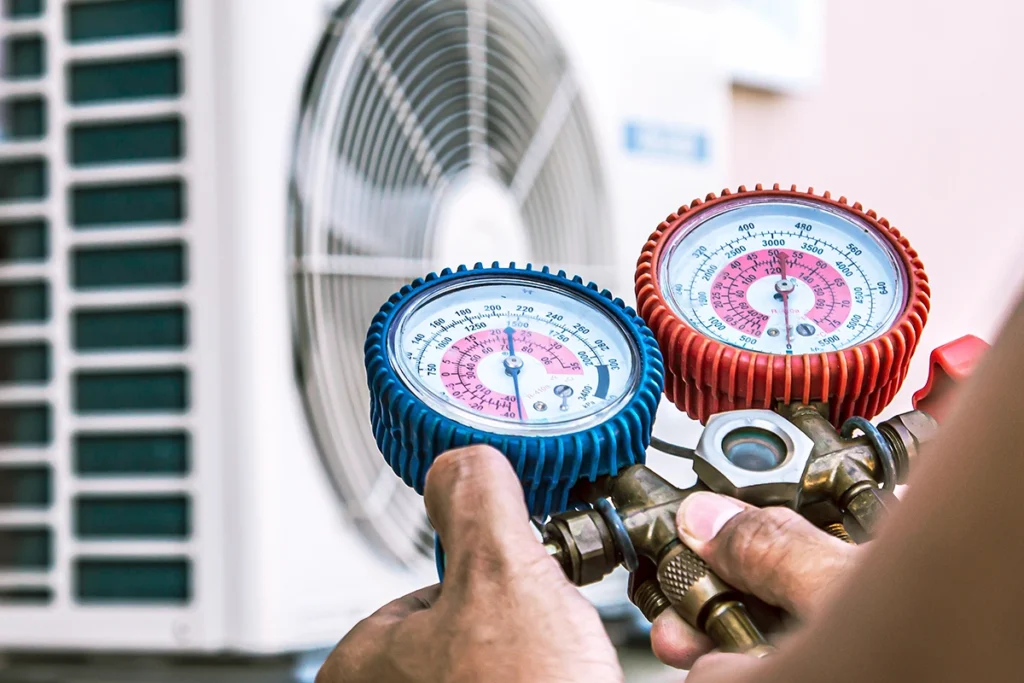
- Pressure gauges to check system integrity
Preventing And Addressing Refrigerant Smells
Refrigerant smells from air conditioning units can signal leaks or system issues. Preventing these odors helps maintain a safe and fresh indoor environment. Addressing smells early protects your health and your AC system’s efficiency.
Regular Maintenance Tips
Keep your AC clean to avoid refrigerant leaks and odors. Change filters every 1-3 months for better airflow and cleaner air. Clear debris around outdoor units to prevent damage. Check hoses and connections for cracks or wear. Clean coils and drain pans to stop mold growth.
Professional Inspection Benefits
Experts find leaks that are hard to spot. They use special tools to detect refrigerant loss. Professionals ensure your system runs safely and smoothly. Regular inspections prevent costly repairs and health risks. Certified technicians handle refrigerants safely and follow rules.
Emergency Actions For Leaks
Leave the area immediately if you smell refrigerant strongly. Open windows and doors for ventilation. Turn off the AC unit to stop more leaks. Call a professional technician to fix the issue quickly. Avoid using flames or sparks near the leak site.

Credit: www.furnaceprices.ca
Credit: airaceheatingandcooling.com
Frequently Asked Questions
What Does Air Conditioning Refrigerant Smell Like?
Air conditioning refrigerant often smells sweet or ether-like. Some describe it as slightly chemical or fruity. The scent is usually faint but noticeable near leaks.
Can Leaking Refrigerant Cause Health Issues?
Yes, inhaling refrigerant fumes can cause dizziness, headaches, or respiratory irritation. Prolonged exposure may be harmful. Always fix leaks promptly.
How To Detect A Refrigerant Leak By Smell?
If you notice a sweet or chemical odor near your AC unit, it may indicate a refrigerant leak. Use a leak detector for confirmation.
Is The Refrigerant Smell Dangerous To Pets?
Yes, refrigerant fumes can be harmful to pets. Exposure may cause breathing problems or poisoning. Keep pets away from leaking AC units.
Conclusion
Air conditioning refrigerant often has a sharp, sweet smell. It can sometimes remind you of chemicals or cleaning products. Noticing this scent may mean a leak is present. Leaks can reduce cooling and harm the environment. Always handle refrigerants with care and proper tools.
If you detect this smell, call a professional technician. Staying alert helps keep your AC running safely and well. Understanding these smells protects your home and health. Remember, safety comes first with refrigerant leaks.