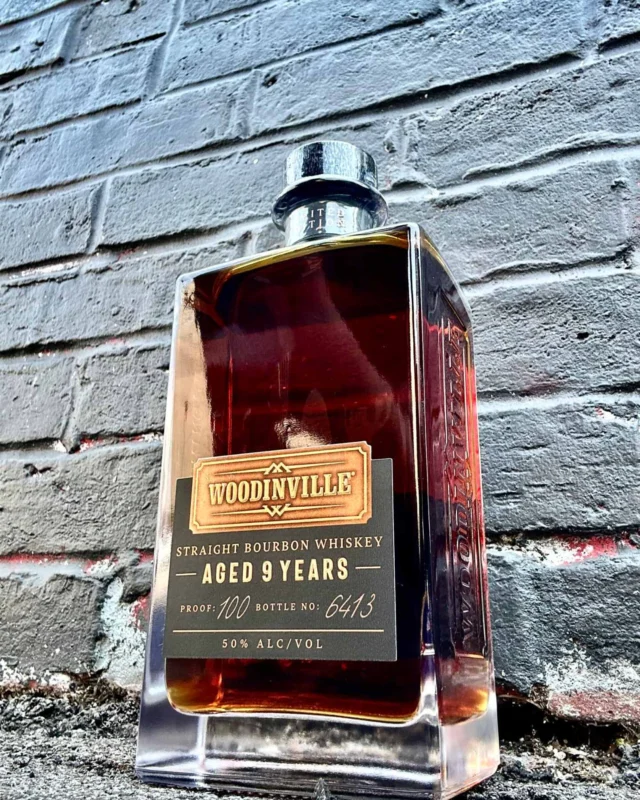
Do you ever wonder if you should refrigerate your whiskey? You’re not alone.
Many whiskey lovers ask this question but rarely find a clear answer. The way you store your whiskey can change its taste and quality. Imagine pouring a perfect glass every time, with the flavor just right. You’ll discover simple tips that help you keep your whiskey fresh and enjoyable.
Keep reading to unlock the secrets to storing your favorite drink the right way.

Credit: acestills.com
Whiskey Storage Basics
Proper whiskey storage is key to preserving its flavor and quality over time. Many wonder if they should refrigerate whiskey or keep it at room temperature. Understanding the basics of whiskey storage can help you make the best choice for your collection and drinking experience.
Ideal Temperature Range
Whiskey is best stored at a stable temperature, ideally between 15°C and 20°C (59°F to 68°F). This range helps maintain the delicate balance of flavors without causing the liquid to expand or contract excessively. Cooler or warmer temperatures can affect the whiskey’s aroma and taste.
Think about your kitchen or bar area—does the temperature fluctuate a lot? If yes, that might not be the best spot to keep your bottle.
Effects Of Temperature Fluctuations
Frequent changes in temperature can cause the whiskey to expand and contract inside the bottle. This movement can pull air into the bottle if the seal isn’t tight, leading to oxidation. Oxidation dulls the flavors and can create off-tastes.
Have you ever noticed a change in taste after leaving a bottle open for a while? Temperature shifts can accelerate that process, making your favorite drink less enjoyable.
Importance Of Bottle Seal
Keeping the bottle sealed tightly is just as important as temperature control. Even small leaks let air in, which starts the oxidation process. A good seal preserves the whiskey’s original character for longer.
Check your bottle’s cap or cork regularly. If it feels loose or damaged, replacing it can save your whiskey from spoiling.

Credit: www.gianteagle.com
Refrigerating Whiskey: Pros And Cons
Deciding whether to refrigerate whiskey can stir up quite the debate among enthusiasts. There are clear benefits and drawbacks to chilling your bottle. Understanding these can help you enjoy your whiskey exactly how you like it.
Impact On Flavor And Aroma
Chilling whiskey tends to mute some of its flavors and aromas. You might notice the fruity or spicy notes becoming less pronounced. This can be a downside if you enjoy savoring the complex scents and tastes of a well-aged whiskey.
On the flip side, some people find that colder whiskey feels smoother and less harsh. If your whiskey has strong alcohol burn, refrigeration might make it more approachable. But ask yourself: do you prefer a mellow sip or a bold flavor explosion?
Changes In Texture And Mouthfeel
Refrigerating whiskey also affects its texture. Cold whiskey often feels thicker and more syrupy in the mouth. This can add a unique sensation that some drinkers appreciate, especially in sweeter or creamier styles.
However, if you favor a lighter, more fluid mouthfeel, chilling might not suit your taste. It’s worth experimenting with temperature to find what your palate enjoys most. Have you ever noticed how the same whiskey feels different when served warm versus cold?
When Refrigeration Might Help
There are certain situations where refrigeration can be beneficial. For instance, if you live in a hot climate, storing whiskey in the fridge can prevent it from degrading or evaporating. It also helps keep ready-to-drink cocktails fresh for longer.
Additionally, if you prefer your whiskey on the rocks but dislike watered-down drinks, chilling the whiskey beforehand reduces the need for ice. This keeps your drink cold without sacrificing flavor intensity. Could this be the trick you need to enhance your whiskey experience?
Alternative Storage Methods
Storing whiskey properly is essential to maintaining its flavor and character. While refrigeration might seem like an obvious choice, many whiskey enthusiasts explore alternative storage methods. These methods not only preserve the quality of the whiskey but also add a touch of sophistication to your collection. Let’s dive into some practical and stylish ways to store your whiskey without resorting to the fridge.
Room Temperature Storage Tips
Keeping whiskey at room temperature is a popular choice among enthusiasts. Ensure the storage area is stable, avoiding places with fluctuating temperatures. A constant temperature helps preserve the integrity of your whiskey over time. Choosing the right spot in your home is crucial. Avoid placing bottles near windows or heaters where they can be exposed to sudden temperature changes. Instead, find a cool, dark corner where your whiskey can rest undisturbed.
Using A Whiskey Cabinet
A whiskey cabinet is not only functional but also adds a touch of elegance to your home. Designed to shield your bottles from light and temperature changes, a well-placed cabinet can showcase your collection beautifully. Look for cabinets made from quality materials like wood or glass, as they offer the best protection and aesthetic appeal. Some cabinets come with built-in locks, providing an extra layer of security for your prized possessions.
Avoiding Sunlight And Heat
Direct sunlight and heat are whiskey’s worst enemies. Both can alter the flavor and color of your whiskey, diminishing its value. Always store bottles away from windows and any heat sources like radiators or ovens. If you can’t avoid sunlight entirely, consider using UV-protective films on windows or placing decorative screens to shield the bottles. This simple step can preserve the quality and extend the life of your whiskey collection.
Have you ever noticed how some whiskey seems to taste better with time? Proper storage might just be the secret. By following these tips, you can ensure your whiskey remains as delightful as the day you first opened it.

Credit: thewhiskeywash.com
Handling Opened Bottles
Once you pop open a bottle of whiskey, how you handle it can make a big difference in taste and quality over time. The key challenge is to protect the spirit from factors that can alter its flavor and aroma. Let’s dive into what happens after opening and how you can keep your whiskey tasting great.
Air Exposure And Oxidation
Air is whiskey’s biggest enemy once the bottle is open. Oxygen starts to interact with the liquid, causing oxidation that can dull the flavors and aromas you love. Have you ever noticed a whiskey that smelled vibrant at first but turned flat after a few weeks? That’s oxidation at work.
Limiting the amount of air in the bottle slows this process. The less air that touches your whiskey, the longer it stays fresh. Consider transferring your whiskey to a smaller container if the bottle is half empty to reduce the air space.
Best Practices For Resealing
How you seal your bottle matters just as much as how you store it. Always put the original cork or cap back tightly to keep air out. If the cork is damaged or lost, a wine stopper or airtight bottle cap can be a good substitute.
Store your whiskey bottle upright to prevent any cork from drying out, which can lead to air leaks. Have you tried using parafilm or plastic wrap around the bottle’s neck for an extra seal? This simple trick can keep the air exposure minimal.
Shelf Life After Opening
Opened whiskey typically stays good for about 1 to 2 years if stored properly. But this depends on how much liquid is left and how well the bottle is sealed. The less whiskey inside, the faster oxidation can affect it.
Keep in mind, whiskey won’t spoil like milk, but its taste will degrade. If you notice a change in flavor or aroma, it might be time to enjoy the last drops or use it in cocktails. How often do you check your opened bottles for freshness?
Special Considerations For Different Whiskey Types
Different types of whiskey need different care when storing. Temperature and storage methods affect their taste and quality. Understanding each type helps preserve the whiskey’s unique flavor.
Single Malt Vs. Blended
Single malt whiskey comes from one distillery and uses only malted barley. It often has delicate flavors that can change with temperature. Storing single malt at room temperature is best to keep its aroma.
Blended whiskey mixes different whiskeys, creating a balanced taste. It handles cooler temperatures better. Some people prefer to chill blended whiskey slightly for a smoother experience.
Cask Strength Whiskeys
Cask strength whiskey is bottled directly from the barrel without dilution. It has a high alcohol content and strong flavor. Refrigeration is not needed and might dull its bold taste. Store it in a cool, dark place instead.
Flavored And Infused Varieties
Flavored whiskeys contain added fruits, spices, or sweeteners. These can be sensitive to heat and light. Refrigerating flavored whiskey helps keep the added flavors fresh. Always seal the bottle tightly after opening to avoid flavor loss.
Tips For Serving Whiskey
Serving whiskey correctly enhances its rich flavors and aroma. Small choices make a big difference. Pay attention to temperature, dilution, and glass type. These tips help you enjoy whiskey fully.
Optimal Serving Temperature
Whiskey tastes best between 15°C and 20°C (59°F to 68°F). Too cold dulls flavors. Too warm can make alcohol overpowering. Keep whiskey at room temperature or slightly cooler for balance.
Using Ice And Water
Ice chills whiskey but can numb its taste. Use large ice cubes to melt slower. Add a few drops of water to open up flavors. Try small amounts first. Find what suits your palate.
Glassware Selection
Choose glassware that directs aroma to your nose. Tulip-shaped glasses are ideal. They concentrate scents for a better experience. Old fashioned glasses work well for whiskey on the rocks. Clear glass lets you see the color and clarity.
Frequently Asked Questions
Should You Refrigerate Whiskey After Opening?
No, refrigeration is not necessary for whiskey after opening. Store it in a cool, dark place away from sunlight. Proper sealing preserves flavor better than chilling.
Does Refrigeration Affect Whiskey Taste Or Quality?
Refrigeration can dull whiskey’s flavors and aromas. Room temperature storage maintains its natural character. Avoid cold storage to enjoy whiskey’s full taste.
How To Store Whiskey For Long-term Freshness?
Keep whiskey upright in a sealed bottle, away from heat and light. Avoid temperature fluctuations. This preserves quality and flavor for years.
Can Cold Whiskey Improve Drinking Experience?
Some prefer chilled whiskey for a smoother taste. However, cold can mask subtle flavors. Experiment to find your preferred serving temperature.
Conclusion
Whiskey tastes best at room temperature for full flavor. Cooling it can dull the aroma and smoothness. Some people prefer whiskey chilled, but it is not necessary. Store whiskey in a cool, dark place away from sunlight. Keep the bottle sealed tightly to maintain quality.
Enjoy your whiskey the way you like it. Remember, there is no strict rule about refrigerating whiskey. Choose what suits your taste and enjoy every sip.