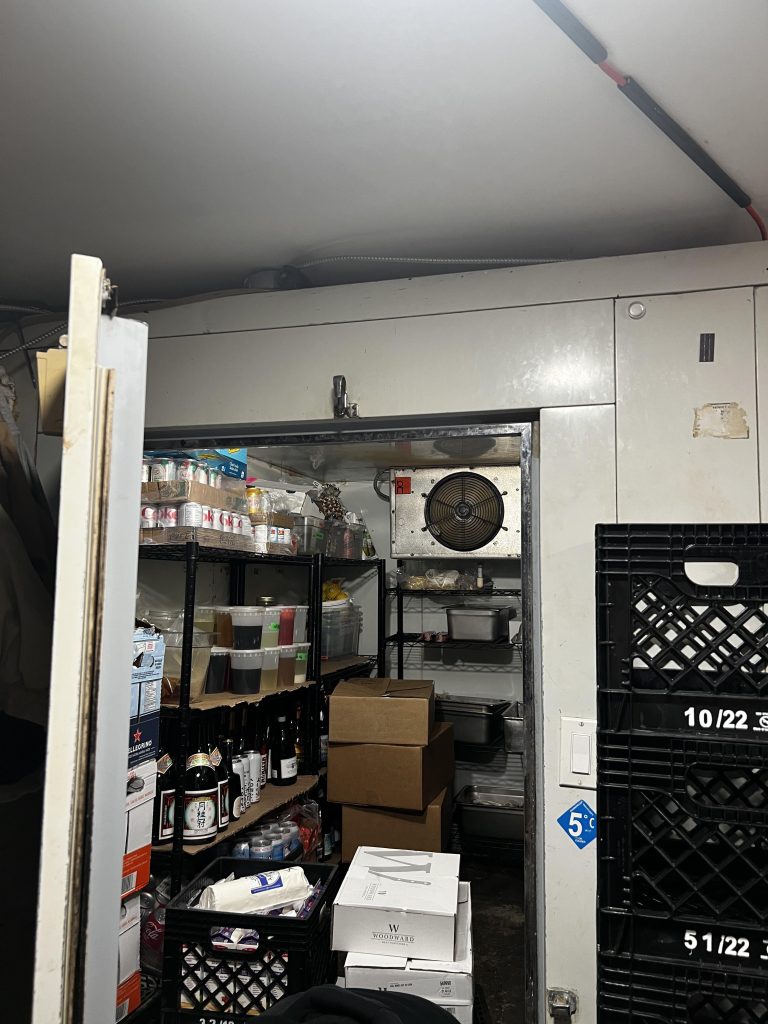
Have you ever opened your refrigerator and wondered, “Can mice get inside this cold space?” It’s a question that might seem strange at first, but if you’re worried about keeping your food safe, it’s worth exploring. You want to protect your home from pests, and understanding whether mice can invade your fridge is key to staying one step ahead.
You’ll discover how mice behave, what makes your refrigerator a tempting target, and simple steps you can take to keep those unwanted guests out. Keep reading to find out how to keep your kitchen—and your food—completely mouse-free.
Mice And Refrigerators
Mice and refrigerators might seem like an unlikely pair, but these small creatures can find their way into even the coolest corners of your home. Understanding how mice interact with refrigerators helps you protect your food and avoid unwanted surprises. Let’s look at how they manage to access your home and where they are most likely to sneak in near your fridge.
How Mice Access Homes
Mice are excellent at squeezing through tiny gaps—some as small as a dime. They enter homes looking for food, warmth, and shelter. Even a small crack in your walls or floors can be an open invitation.
Think about the last time you noticed a mouse. Did it seem to come from nowhere? That’s because they often use hidden routes, like vents, plumbing holes, or gaps around doors. You might not see these entry points easily, but mice know them well.
Common Entry Points Near Refrigerators
Refrigerators are usually placed against walls or cabinets, creating dark, cozy spaces perfect for mice to hide. Look closely around your fridge for these typical entry points:
- Gaps between the fridge and the wall
- Openings where pipes or electrical cords enter the wall
- Cracks in the floor or baseboards behind or under the fridge
- Spaces under cabinets adjacent to the refrigerator
In my own kitchen, I found a tiny hole behind the fridge where a mouse had entered. Sealing that gap stopped all signs of mice immediately. Could your refrigerator area have similar hidden spots? Checking these areas regularly can save you from bigger pest problems.

Credit: www.reddit.com
Can Mice Enter Refrigerators?
Wondering if mice can actually get inside your refrigerator? It might sound unlikely, but the truth is, mice are incredibly resourceful creatures. They can squeeze through tiny gaps and are always on the lookout for food and shelter, so it’s important to understand how they might enter your fridge and what you can do to stop them.
Physical Barriers Inside Refrigerators
Most refrigerators have tight seals and smooth surfaces that make it hard for mice to get inside. The rubber gasket around the door is designed to keep cold air in, but it also acts as a barrier against pests. However, if this seal is damaged or worn out, it can create small openings that mice might exploit.
Inside the fridge, shelves and compartments create additional layers of protection. These physical barriers limit access to the food area, but mice can still navigate through gaps if they find a way in. You should regularly check for any cracks or holes in the fridge’s exterior and interior, especially around vents and wiring.
Instances Of Mice Found In Refrigerators
There have been surprising reports of mice found inside refrigerators, often due to gaps left open or faulty door seals. Some homeowners have discovered mice nesting in the warm compartments behind the fridge or inside crisper drawers. These cases usually happen when food is left uncovered or spills attract them close to the fridge door.
Have you ever opened your fridge and noticed strange droppings or chewed packaging? These signs could mean a mouse has sneaked in. It’s more common than you might think, especially in older appliances or homes with existing rodent issues. The key is to act fast before the problem grows.
Why Mice Might Target Refrigerators
Mice may enter refrigerators searching for food or warmth. Small gaps or damaged seals can let them inside. They are drawn to crumbs and spills left in or around the fridge.
Why do mice target refrigerators? This might seem surprising, given the cold and unwelcoming nature of these appliances. Yet, a closer look reveals some compelling reasons why your fridge might become a target for these tiny invaders.Attraction To Food Smells
Mice have an extraordinary sense of smell. Even the best-sealed refrigerator can sometimes emit tempting food aromas. Imagine a mouse catching a whiff of leftover cheese or fruit. It’s like an open invitation to a feast. Even the tiniest crack or gap can allow these scents to escape, luring mice to investigate further.Warmth And Shelter
Although the inside of a refrigerator is cold, the mechanics behind it generate warmth. The back of a fridge can be an ideal nesting spot for mice seeking warmth. This warmth is crucial for them, especially in colder months. It provides a cozy spot to build a nest and raise their young. Consider how you might feel finding a heated blanket on a chilly night. That’s the appeal for mice. Have you ever checked behind your fridge? It’s worth a look to ensure there are no uninvited guests taking advantage of this warmth.Risks Of Mice Infestation In Kitchens
Mice in your kitchen are more than just a nuisance. They pose serious risks that can affect your health and the safety of your food. Understanding these risks is key to protecting your home and well-being from an infestation.
Health Concerns
Mice carry bacteria and viruses that can cause diseases. These include hantavirus, salmonella, and leptospirosis, which can lead to severe illness in humans.
Even a small mouse population can trigger allergic reactions or asthma attacks. Their droppings and urine can contaminate surfaces, making your kitchen unsafe.
Have you ever thought about how easily these tiny creatures can spread infections just by moving around your kitchen?
Food Contamination
Mice can chew through packaging, leaving your food exposed to germs and dirt. Contaminated food not only tastes bad but can also make you sick.
They often leave droppings or urine in food containers, which can go unnoticed until it’s too late. This contamination can lead to food poisoning and waste.
To keep your family safe, it’s crucial to store food in sealed containers and regularly check for signs of mouse activity. Do you inspect your pantry often enough to catch early signs of contamination?
Preventing Mice Near Refrigerators
Keeping mice away from refrigerators protects your food and home. Mice seek warmth and food, and kitchens are prime spots. Preventing their access reduces health risks and damage. Simple habits help stop mice from entering near refrigerators.
Sealing Entry Points
Close gaps around pipes, vents, and walls near the fridge. Use steel wool or caulk to block small holes. Check door seals for damage and replace if needed. Mice can squeeze through tiny spaces, so be thorough. Regularly inspect areas around the refrigerator for new openings.
Proper Food Storage
Store food in airtight containers to avoid attracting mice. Avoid leaving crumbs or spills on or under the fridge. Clean up food debris quickly after cooking or eating. Do not leave pet food out overnight near the refrigerator. Proper storage cuts off food sources that lure mice inside.

Credit: www.aol.com
Dealing With Mice In Your Kitchen
Mice in the kitchen cause many problems. They contaminate food and spread germs. Stopping them quickly protects your health and home. Learn how to handle mice safely and effectively.
Effective Traps And Deterrents
Use traps to catch mice without chemicals. Snap traps work fast and are easy to set. Place traps near walls and behind appliances. Bait traps with peanut butter or cheese.
Electronic traps kill mice instantly and contain them. Live traps catch mice for release far away. Check traps daily to remove caught mice.
Natural deterrents keep mice away without harm:
- Peppermint oil-soaked cotton balls near entry points
- Ultrasonic devices emitting high-frequency sounds
- Sealing cracks and holes with steel wool or caulk
Keep kitchen clean. Store food in airtight containers. Remove crumbs and spills immediately.
When To Call Pest Control
Large mouse infestations need expert help. Signs include many droppings and strange noises. If traps don’t work, call pest control.
Professionals find hidden nests and entry points. They use safe methods to remove mice. Pest control prevents future invasions too.
Early action saves time and money. Protect your kitchen from damage and disease.

Credit: www.reddit.com
Frequently Asked Questions
Can Mice Enter Refrigerators Easily?
Mice can enter refrigerators if there are gaps or damaged seals. They are skilled at squeezing through small openings. Keeping the fridge sealed tightly prevents their entry and protects your food from contamination.
Why Do Mice Want To Get Inside Refrigerators?
Mice seek food and warmth, making refrigerators attractive. They can smell stored food and try to access it. Proper food storage and regular cleaning reduce the chances of mice intrusion.
How Can I Prevent Mice From Entering My Fridge?
Seal any cracks or gaps around the fridge. Maintain clean surroundings to avoid attracting mice. Use rodent repellents or traps nearby for added protection.
Are Refrigerators Safe From Mouse Contamination?
If properly sealed, refrigerators are safe from mice. However, if mice get inside, they can contaminate food with droppings. Regular inspection and cleaning keep the fridge hygienic and rodent-free.
Conclusion
Mice can enter refrigerators through small gaps or cracks. They seek warmth and food, making your fridge a target. Sealing openings and keeping the area clean helps stop them. Check your fridge regularly for signs of mice. Taking quick action protects your food and home.
Stay alert to prevent unwanted guests inside. Keep your kitchen safe and mouse-free.