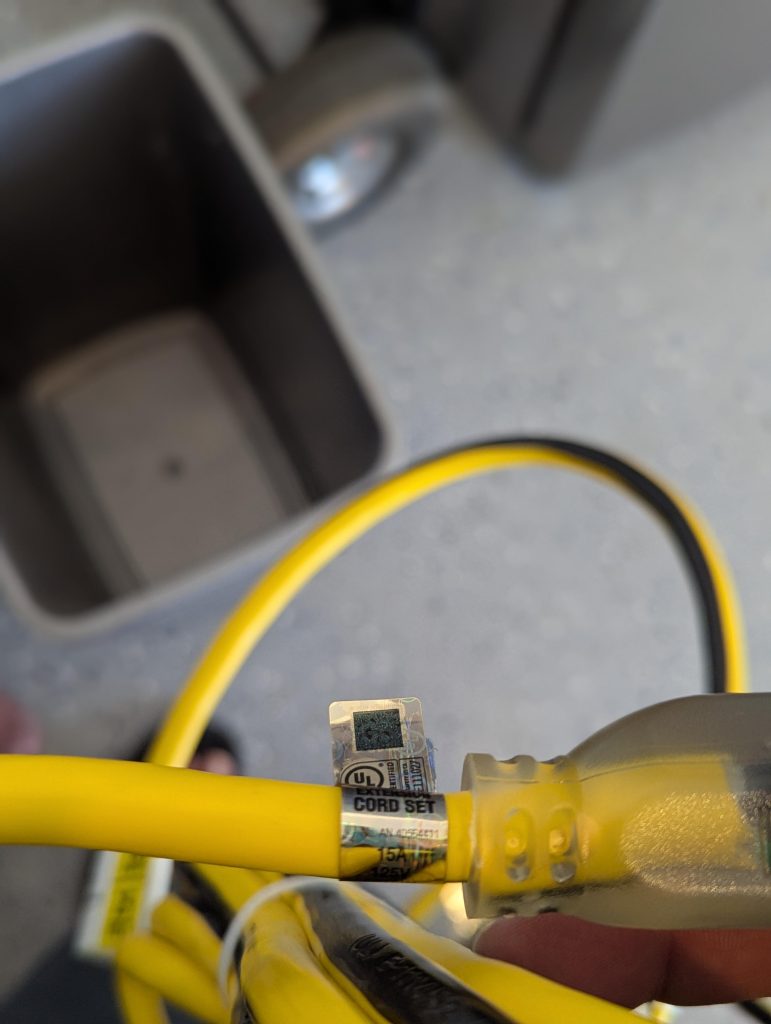
Are you wondering if it’s safe to plug your refrigerator into an extension cord? You’re not alone.
Many people ask this question because refrigerators need a steady flow of power to keep your food fresh and avoid costly repairs. Using the wrong extension cord can cause serious problems, from power surges to even fire hazards. You’ll discover the simple facts you need to know before deciding whether to use an extension cord for your fridge.
Keep reading, because a small mistake here could save you big headaches later.

Credit: www.amazon.com
Risks Of Using Extension Cords
Using an extension cord for your refrigerator might seem like a quick fix, but it carries several risks that can affect your safety and appliance performance. Understanding these risks helps you make smarter choices about powering your fridge. Let’s look closely at what could go wrong when you use an extension cord with a refrigerator.
Potential Fire Hazards
Extension cords can overheat if they are not designed to handle the refrigerator’s power needs. This overheating can melt the cord’s insulation, increasing the risk of sparks and fires.
Many fire incidents start because of overloaded or damaged extension cords. Have you checked if your cord is rated for heavy appliances? Using the wrong type can put your home in danger.
Electrical Overload Issues
Refrigerators require a steady, high current to run efficiently. Extension cords may not support this current, causing the wiring to overload.
This overload can trip your circuit breaker or damage your refrigerator’s compressor. Do you know the amp rating of your extension cord compared to your fridge’s needs? Ignoring this can lead to costly repairs or replacements.
Impact On Refrigerator Performance
Voltage drops caused by extension cords can affect how your refrigerator functions. This might lead to the fridge running longer than necessary, increasing energy bills.
Inconsistent power supply can also shorten the life of your refrigerator’s motor and compressor. Are you willing to risk your appliance’s efficiency for convenience?
Choosing The Right Extension Cord
Choosing the right extension cord for your refrigerator is more important than many realize. Using the wrong type can risk damaging your appliance or even cause electrical hazards. Let’s break down what you need to know to pick an extension cord that keeps your fridge running safely and efficiently.
Gauge And Length Considerations
The thickness of the cord, called the gauge, affects how much electricity it can safely carry. A lower gauge number means a thicker cord and better capacity. For refrigerators, a 14-gauge or 12-gauge cord is usually recommended.
Length also matters. Longer cords reduce voltage and can cause your fridge to work harder. Keep the cord as short as possible—ideally under 25 feet—to avoid power drops and overheating. Have you checked if your current cord is too thin or too long?
Grounded Vs. Ungrounded Cords
Grounded cords include a third prong that protects you from electrical shocks. Refrigerators must always use grounded cords for safety. An ungrounded cord may seem fine at first, but it lacks this critical safety feature.
If you find yourself tempted to use a two-prong extension cord, stop and rethink. Your fridge’s metal body can become live without grounding, posing a serious shock risk. Always choose a cord with a proper grounding plug.
Heavy-duty Options
Heavy-duty extension cords are designed to handle high-power appliances like refrigerators. They have thicker insulation and stronger wiring, which reduces the risk of overheating and fire. Look for cords labeled “heavy-duty” or “appliance grade.”
Don’t assume any extension cord will do just because it fits your outlet. Investing in a quality heavy-duty cord can save you from costly repairs or accidents. Have you checked if your extension cord is rated for appliances, or is it just a general-purpose cord?
Safe Usage Tips
Using an extension cord for your refrigerator might seem like a convenient solution, but it demands careful consideration to ensure safety. A misstep could lead to overheating, electrical fires, or damage to your appliance. Let’s discuss some essential safe usage tips to keep your home safe and your fridge running efficiently.
Avoiding Overloads
Extension cords have different power capacities. Always check the wattage rating of the extension cord to ensure it can handle your refrigerator’s power requirements. Using a cord with insufficient capacity can cause overheating and pose a fire risk.
Consider using a heavy-duty extension cord, ideally one specifically designed for appliances. This can help prevent overloads and provide the necessary power without straining the cord.
Ask yourself, is this cord really up to the task? It’s worth investing in a quality cord to avoid potential hazards.
Proper Placement And Handling
Ensure the extension cord is placed in a way that prevents tripping or tangling. A tangled cord can overheat, and a tripping hazard can lead to accidents.
Avoid running the cord under rugs or furniture where heat can build up unnoticed. Instead, keep it in an open, ventilated area.
Think about the last time you nearly tripped over a cord. Proper placement can save you from such close calls and keep your home safe.
Regular Inspection And Maintenance
Regularly inspect the extension cord for any signs of wear, fraying, or damage. A damaged cord can be a serious fire hazard.
Check the plug and socket for any signs of overheating, such as discoloration or a burning smell. If you notice any issues, it’s time to replace the cord.
How often do you really inspect your cords? Make it a habit to check them regularly and address any problems immediately.
Alternatives To Extension Cords
Using extension cords for refrigerators can cause safety risks and affect performance. Safer options exist that protect your appliance and home. Consider these alternatives to avoid damage and hazards.
Relocating The Refrigerator
Moving the refrigerator closer to a wall outlet reduces the need for extra cords. Check if rearranging your kitchen layout is possible. This simple change ensures a direct power connection and improves safety.
Installing Additional Outlets
Adding new outlets near your refrigerator provides a permanent power source. Hire a licensed electrician for proper installation. This solution keeps cords hidden and prevents overloading existing outlets.
Using Power Strips With Caution
Power strips can work but choose ones with surge protection and heavy-duty ratings. Avoid cheap or overloaded strips that cause overheating. Always plug the refrigerator directly into the power strip, not other devices.
When To Call A Professional
Knowing when to call a professional electrician can save you from costly repairs and potential hazards when using an extension cord for your refrigerator. Some situations require expert advice to ensure safety and proper function. Recognizing these signs can protect both your appliance and your home.
Electrical Upgrades
If your refrigerator’s power needs exceed your current setup, you might need an electrical upgrade. Older homes often have outdated wiring that can’t handle modern appliance loads. A professional can assess your system and install dedicated circuits or outlets designed for high-powered devices.
Have you noticed frequent breaker trips or flickering lights when your fridge runs? These are clear signals that your electrical system may need an upgrade. Don’t try to fix this yourself—an electrician has the tools and knowledge to upgrade safely and efficiently.
Troubleshooting Power Issues
Power issues with your refrigerator can be tricky to diagnose. If your fridge loses power intermittently or won’t start, the problem might be more than just a faulty extension cord. A professional can test your outlets, check the wiring, and inspect the refrigerator’s electrical components.
Attempting to troubleshoot without proper expertise can lead to misdiagnosis or worsen the problem. Calling a professional ensures that the root cause is identified and fixed correctly. This saves you time and prevents damage to your appliance.
Ensuring Compliance With Codes
Electrical codes are designed to keep your home safe. Using an extension cord improperly or without meeting code requirements can lead to fire hazards or insurance issues. Professionals know the local codes and can ensure all connections and installations meet safety standards.
Have you checked if your extension cord setup complies with local regulations? If not, it’s wise to have an electrician verify your installation. This protects you legally and keeps your home safe from electrical risks.
Credit: www.jackery.com

Credit: www.amazon.com
Frequently Asked Questions
Can I Use An Extension Cord For My Refrigerator?
Using an extension cord for a refrigerator is not recommended. Refrigerators require a steady power supply, and extension cords can cause voltage drops, overheating, or fire hazards. If necessary, use a heavy-duty, grounded extension cord rated for the refrigerator’s power needs.
What Type Of Extension Cord Is Safe For Refrigerators?
A heavy-duty, grounded extension cord with a minimum 14-gauge wire is safest. It should handle the refrigerator’s current without overheating. Avoid thin, cheap, or long extension cords, as they increase the risk of electrical issues and can damage your appliance.
Why Are Extension Cords Risky For Refrigerators?
Extension cords can cause voltage drops and overheating, risking damage to the compressor. They may also lead to electrical fires if the cord is undersized or damaged. Refrigerators require stable power, so direct wall outlet connection is safest.
How Long Can An Extension Cord Be For A Refrigerator?
Extension cords longer than 6 feet increase voltage drops and risks. Keep the cord as short as possible and ensure it’s heavy-duty and rated for the appliance. Longer cords may cause the refrigerator to run inefficiently or fail.
Conclusion
Using an extension cord for your refrigerator can be risky. Choose a heavy-duty cord with the right power rating. Keep the cord short to avoid voltage drops. Avoid using old or damaged cords to prevent fire hazards. Always plug the refrigerator directly into a wall outlet if possible.
Safety should come first to protect your appliance and home. Careful choices help your refrigerator run smoothly. Stay safe and keep your food fresh.